Harry Kane World Cup 2026: England’s Final Chapter Under Thomas Tuchel’s Leadership
Harry Kane, England’s 32-year-old captain, has declared that the Harry Kane World Cup 2026 represents his greatest opportunity yet to lift football’s most coveted trophy—and he’s acutely aware that this tournament may be his last realistic chance at international glory. Speaking to ITV Sport ahead of England’s opening match against Croatia next Wednesday, Kane expressed confidence rooted in his exceptional current form: 61 goals in 51 games for Bayern Munich this season, coupled with 11 goals in his last 11 matches for the Three Lions. Under new manager Thomas Tuchel, England enters the World Cup 2026 as third-favourites to win the final scheduled for New Jersey on July 19, with Kane at the absolute peak of his powers. The striker’s candid admission about tournament mortality and his career trajectory will resonate with Nigerian football fans who understand the fragility of athletic careers and the weight of national expectations. For a nation that hasn’t won a World Cup since 1966, Kane’s conviction carries both hope and the burden of six decades of unfulfilled dreams. This is more than just football commentary—it’s a meditation on legacy, timing, and the relentless pursuit of historical vindication that mirrors stories of pursuit and redemption across African football.
The Harry Kane World Cup 2026 Context: Understanding England’s Tournament History
England’s relationship with the World Cup remains one of international football’s most poignant narratives. The Three Lions’ sole World Cup triumph came in 1966 on home soil, lifting the trophy at Wembley Stadium in a final that has defined and, simultaneously, constrained English football psychology for nearly six decades. Since that golden moment, England has come tantalizingly close on multiple occasions—reaching the Euro 2020 final (held in 2021) where they lost to Italy on penalties, making the 1990 World Cup semi-finals, reaching the 1996 Euro final, and consistently producing world-class players who failed to convert club-level dominance into international tournament success. This pattern of near-misses has created a peculiar English cultural phenomenon where national football carries almost unbearable psychological weight.
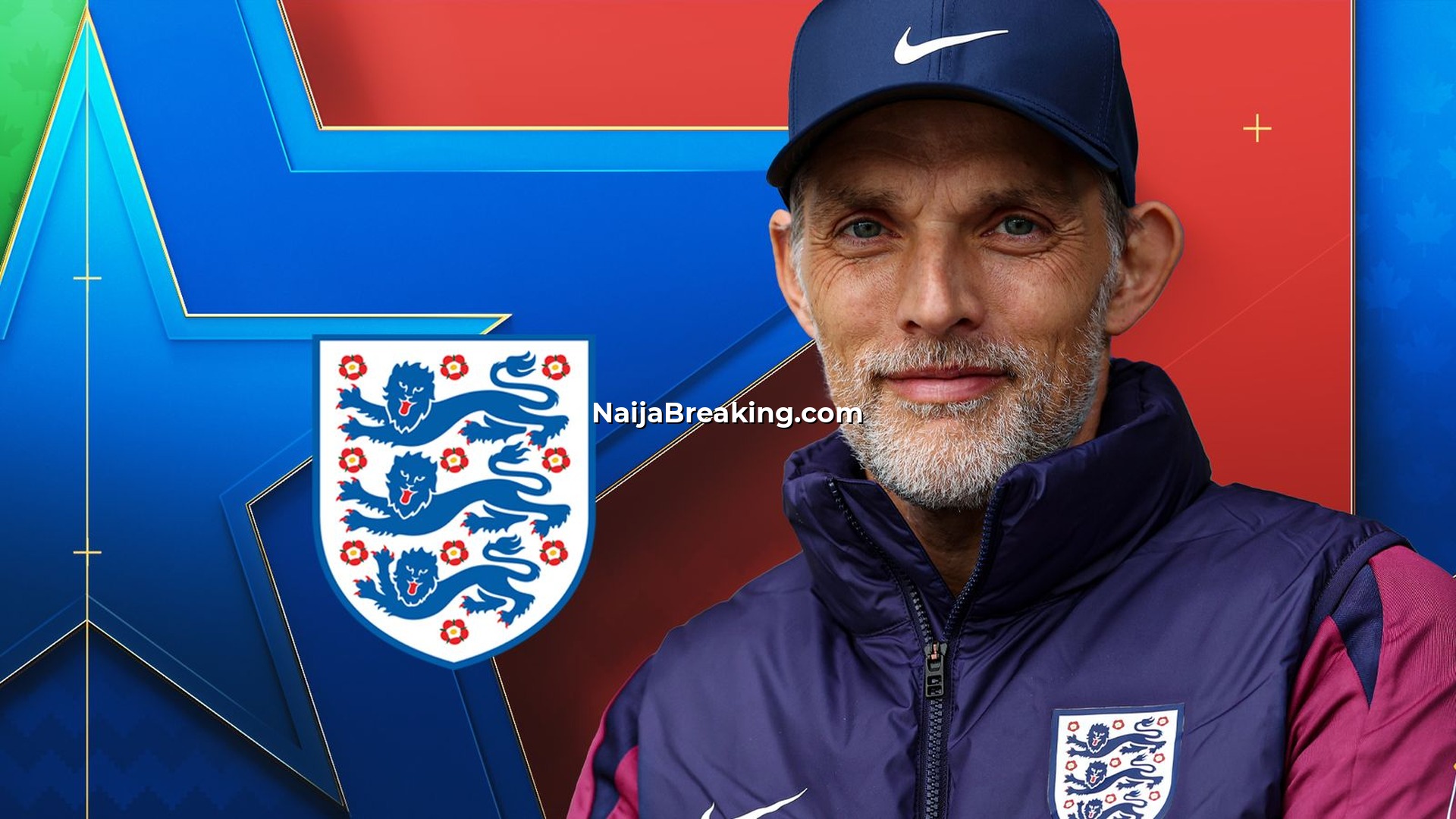
The appointment of Thomas Tuchel as England manager in October 2024 marked a significant tactical and philosophical shift for the national team. Tuchel, a German coach with proven success at Chelsea, PSG, and Bayern Munich, brought a meticulous, data-driven approach to English football. His arrival signalled the Football Association’s willingness to move beyond purely English-heritage management and embrace continental sophistication. For Harry Kane specifically, Tuchel’s appointment arrived at a critical juncture—Kane had just completed his move to Bayern Munich, where he flourished under similar analytical coaching. The synergy between player and manager created an unexpected alignment of interests and methodologies that observers believe could finally unlock England’s World Cup potential.
The World Cup 2026 qualification campaign demonstrated England’s readiness under Tuchel’s stewardship. The team navigated a challenging European group with Italy and Ukraine, ultimately finishing top with 27 points from 10 matches. Kane contributed with both leadership and goals, scoring five times in qualification while marshalling the team’s attacking play with the maturity expected of an international captain. His performances suggested that, contrary to some predictions about aging strikers declining at elite level, Kane remained capable of delivering when it mattered most. This sustained excellence at club and country level distinguished Kane from previous English strikers who experienced sharp declines in form at similar career stages.
Harry Kane World Cup 2026 Ambitions: Breaking the 58-Year Drought
Kane’s pursuit of Harry Kane World Cup 2026 glory carries particular significance when contextualized within English football’s historical trajectory. The striker has already become England’s all-time leading goalscorer, surpassing Wayne Rooney’s previous record and cementing his status as one of the nation’s greatest forwards. However, international tournament success has eluded him throughout his career—a gap in his otherwise stellar resume that increasingly defines his legacy narrative. Previous tournaments saw Kane perform admirably but ultimately fall short of the ultimate prize: Euro 2020 where England reached the final, the 2018 World Cup where England reached the semi-finals, and various other competitions where individual excellence failed to translate into collective silverware.
The World Cup 2026 presents a unique convergence of factors that makes Kane’s ambitions realistic rather than merely aspirational. First, the tournament’s expanded format—featuring 48 teams instead of 32—provides England with a substantially easier path to the knockout stages. Second, the tournament’s location across the United States, Canada, and Mexico eliminates the historical European advantage in hosting tournaments, potentially leveling the competitive field. Third, England’s squad depth under Tuchel has reached unprecedented levels, with world-class players available in virtually every position. For Harry Kane World Cup 2026, these structural advantages combine with his personal motivation to create genuine title-winning potential.
Kane’s mindset heading into World Cup 2026 differs markedly from previous tournaments. Having experienced disappointing exits despite strong individual performances, Kane has reportedly worked extensively with sports psychologists to manage expectations while maintaining competitive edge. He understands that his primary role extends beyond scoring—as captain, he must galvanize teammates, manage pressure, and maintain focus across a demanding tournament schedule. The World Cup 2026 represents his final realistic opportunity to secure this achievement, a fact that Kane has acknowledged with characteristic honesty. Rather than shying from this pressure, Kane appears energized by the clarity of purpose that accompanies knowing this represents his last realistic chance.
Thomas Tuchel’s Tactical Blueprint for Harry Kane World Cup 2026 Success
Thomas Tuchel’s appointment represented a deliberate strategic choice by the England Football Association, and his tactical framework appears specifically designed to maximize Harry Kane World Cup 2026 contributions. Tuchel’s preferred formations—particularly the 3-4-2-1 and 4-2-3-1 structures—create optimal conditions for Kane’s particular skill set: positioning intelligence, area dominance, and link-up play that transforms the team’s attacking shape. Unlike previous England managers who sometimes struggled to balance Kane’s holding-up play with the team’s width requirements, Tuchel has implemented systems where Kane operates as a functional focal point rather than an isolated outlet.
The coaching staff assembled around Tuchel brings complementary expertise that enhances Kane’s preparation for World Cup 2026. Goalkeeper coach Martyn Margetson ensures England’s defensive solidity—a prerequisite for tournament success. Attacking coach Anthony Barry, who previously worked with Chelsea’s forward players, understands Kane’s positioning nuances and works systematically to refine his movement against specific defensive setups. The emphasis on set-piece routines has particular relevance for the World Cup 2026, where dead-ball situations frequently determine tournament outcomes. Kane’s aerial dominance and spatial awareness make him an increasingly valuable asset in these scenarios, a fact reflected in England’s extensive preparation.
Tuchel’s data-driven approach also influences England’s opponent analysis and tactical preparation for the World Cup 2026. Rather than relying on generalized approaches, Tuchel customizes tactics based on specific opponents, often adjusting formation and pressing intensity depending on whether England faces possession-dominant teams like Spain and France, or counter-attacking threats like Belgium and Netherlands. For Harry Kane, this flexibility requires constant tactical education—he must understand how his positioning and movement responsibilities shift depending on England’s chosen setup. This complexity distinguishes Tuchel’s approach from previous English coaching philosophies and may provide the marginal advantages that determine World Cup outcomes.
Kane’s Peak Form and Fitness for World Cup 2026
At 32 years old during World Cup 2026, Kane’s physical condition represents both a critical asset and ongoing concern. His performances for Bayern Munich have definitively answered skeptics who questioned whether his record constituted an English domestic phenomenon rather than world-class ability. Scoring 61 goals in 51 games across all competitions demonstrates sustained excellence at the highest European level, where defensive intensities and technical demands exceed most domestic leagues. Kane’s consistency at Bayern Munich—where he adapted rapidly to Bundesliga football despite his Premier League background—validates his standing as a genuine world-class striker capable of delivering in demanding circumstances.
The England medical team has implemented specialized conditioning programs to maintain Kane’s sharpness heading into World Cup 2026. At his age, recovery protocols assume greater importance than for younger players—England’s coaching staff monitors his workload carefully, particularly during club seasons immediately preceding the tournament. Kane himself has demonstrated professionalism in managing his body, retiring from certain competitions to preserve energy for international football during the World Cup 2026 cycle. This long-term planning contrasts with some previous England players who, lacking disciplinary structures, suffered burnout or injury through excessive club commitments.
Kane’s fitness advantages extend beyond pure physical condition. His football intelligence—understanding of spacing, timing of runs, and reading of defensive patterns—actually improves with age as experience compensates for any marginal deterioration in pace. For the World Cup 2026, this intellectual dimension of Kane’s game may prove more valuable than explosive athleticism. Against sophisticated defensive setups that teams employ during tournaments, Kane’s positioning and movement recognition often creates goal-scoring opportunities through intelligence rather than pace-based advantage. This evolution in his play suggests that age need not represent a significant limitation for the World Cup 2026.
Analyzing Competitive Challenges for Harry Kane World Cup 2026
Despite England’s credible title credentials, the Harry Kane World Cup 2026 campaign faces formidable opposition across multiple fronts. France, as defending champions, represents the obvious benchmark—Kylian Mbappé, Eduardo Camavinga, and an array of exceptional talent make France dangerous opponents in any tournament format. Spain and Germany have traditionally performed well at World Cups, possessing deep squads and proven tournament experience. Belgium, despite aging key players, retains sufficient quality to challenge any opponent. Outside Europe, Argentina (as current champions), Brazil, and emerging teams from South America and Africa will present varied tactical challenges.
The psychological dimension of World Cup 2026 competition deserves particular consideration for Kane and England. England’s historical record against specific opponents—particularly Germany in knockout formats—carries emotional baggage that influences performance. Similarly, facing France in tournament scenarios triggers memories of Euro 2020 and previous disappointments. For the Harry Kane World Cup 2026 campaign, Tuchel must actively manage these psychological factors, ensuring that historical narratives don’t constrain England’s tactical execution or player mentality. Kane’s leadership will prove crucial in establishing a forward-focused narrative rather than allowing backward-looking anxiety to influence the team’s preparation.
The physical demands of World Cup 2026 competition present another consideration, particularly for aging players like Kane. Six matches in the group stage (rather than three in traditional formats) mean extended playing requirements that test stamina even for elite athletes. If England progresses deep into the tournament, Kane potentially faces 13+ matches—an exhausting schedule even for younger players. Tuchel must balance Kane’s utilization with opportunities for rest, requiring careful squad rotation and trust in alternative strikers like Ollie Watkins and Phil Foden in attacking roles. This rotation challenge represents a significant managerial consideration throughout the World Cup 2026 campaign.
The Legacy Dimension of Harry Kane World Cup 2026
Beyond the immediate sporting achievement, the Harry Kane World Cup 2026 campaign carries profound implications for Kane’s historical standing and legacy assessment. Currently, Kane is recognized as an exceptional goalscorer and leader, but lacks the tournament success that separates merely great players from truly legendary figures. A World Cup triumph would fundamentally reshape how history evaluates Kane’s career, positioning him alongside Pélé, Maradona, Messi, and Ronaldo in the pantheon of football immortality. This legacy dimension isn’t merely sentimental—it reflects football culture’s valuation of tournament success as the ultimate achievement validation.
For England as a nation, Kane’s World Cup 2026 success would carry similar resonance. The country hasn’t experienced tournament victory in 60 years—an extraordinarily long drought for a nation with such deep football heritage. A World Cup triumph would restore England’s position as a legitimate global power and vindicate decades of investment in youth development systems, coaching education, and squad-building infrastructure. Kane, as captain and principal attacking weapon, would inevitably become the public face of this achievement, cementing his status as one of England’s greatest ever players.
The human dimension of the Harry Kane World Cup 2026 narrative adds further emotional weight. Kane grew up within England’s football environment during the 1990s, watching previous generations fall short of tournament success. His international career has mirrored this pattern—consistent excellence undermined by tournament disappointment. For a player of Kane’s quality and professionalism to finally achieve World Cup glory would represent a satisfying narrative conclusion, validating his dedication and providing the sporting achievement that has eluded him throughout his distinguished career.
Preparation and Final Observations on Harry Kane World Cup 2026
England’s preparation for World Cup 2026 under Thomas Tuchel emphasizes systematic optimization across every dimension—tactical, physical, psychological, and technical. Kane, as the focal point of England’s attacking strategy, has benefited enormously from this comprehensive approach. His integration with the manager’s system, combined with his current excellent form and clear-eyed understanding of this representing his final realistic opportunity, positions him as a genuine threat in the tournament.
The convergence of factors—Kane’s peak performance level, Tuchel’s tactical sophistication, England’s squad depth, and the expanded tournament format—creates legitimate conditions for the Harry Kane World Cup 2026 to deliver the trophy that has eluded English football for six decades. Whether these favorable circumstances translate into achievement remains uncertain, as tournaments contain unpredictable elements that no amount of preparation completely eliminates. Nevertheless, Kane enters the World Cup 2026 with genuine ambitions and credible capability to fulfill his final great quest for football glory.