FIFA World Cup 2026 Visa Controversy: Infantino’s Dismissive Response to Refugee Crisis Exposes Tournament Integrity Questions
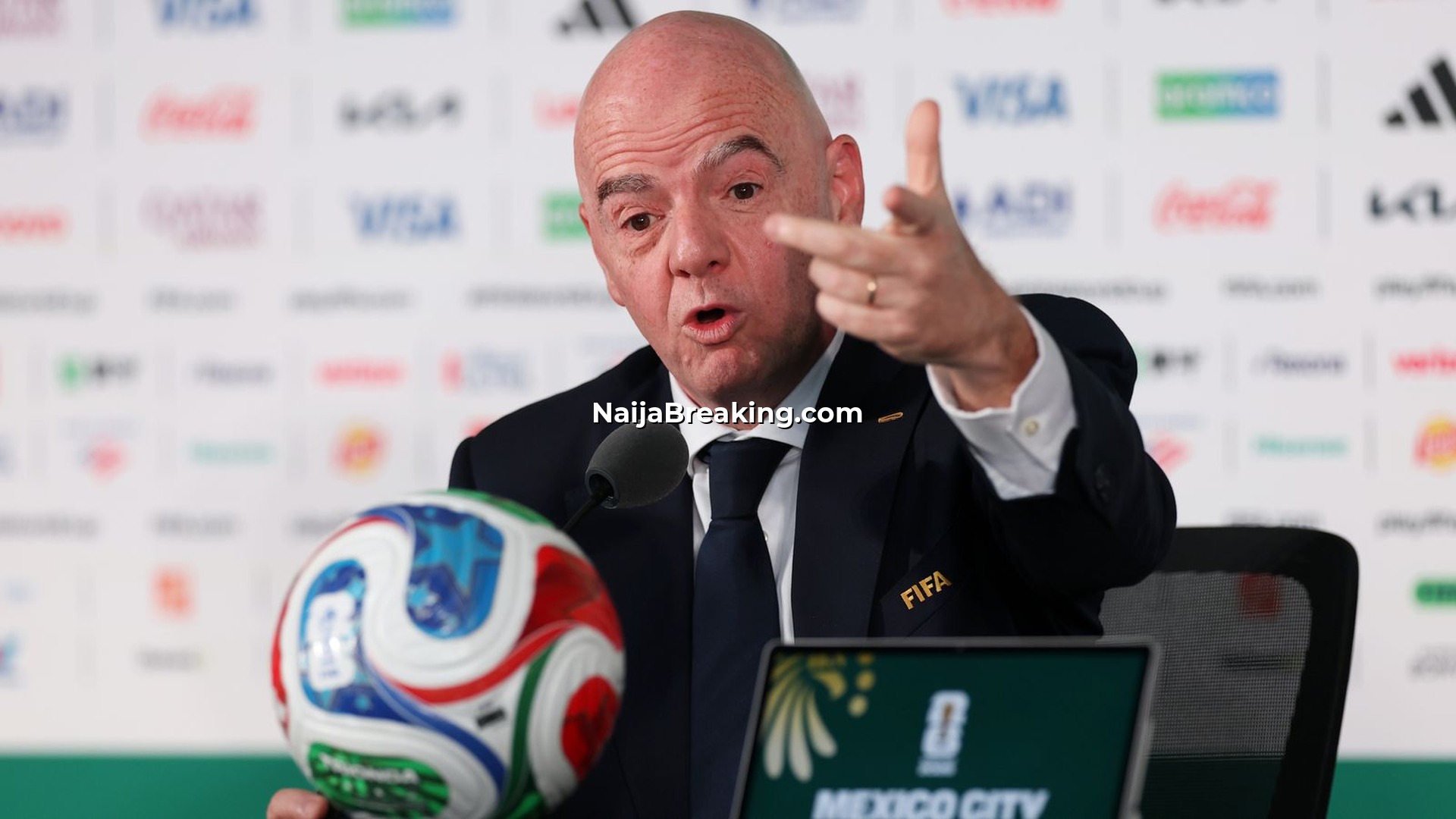
The FIFA World Cup 2026 visa controversy has become one of the most contentious issues in international sports administration, raising fundamental questions about tournament inclusivity, African representation, and the intersection of geopolitical tensions with global sporting events. FIFA president Gianni Infantino’s cavalier response to the denial of a World Cup visa to Somali referee Omar Artan has sparked outrage across the African continent and beyond, forcing a critical examination of how international sports bodies prioritise institutional convenience over the legitimate concerns of developing nations. During a 66-minute press conference on the eve of tournament preparations, Infantino was confronted with a question about why a qualified referee—set to become Somalia’s first-ever World Cup official—was barred from entering the United States despite holding what he believed to be valid documentation. Rather than acknowledge a systemic failure or commit to resolving the impediment, Infantino’s dismissive “chill and relax” comment has become emblematic of how international sports bodies often deprioritise African concerns when institutional convenience is at stake. This moment transcends the individual circumstances of Omar Artan’s visa denial; it represents a broader pattern of marginalisation that affects African nations’ participation and representation in global sports governance structures.
For Nigeria, a nation with a rich footballing tradition, continental influence, and a track record of producing world-class referees and administrators, this FIFA World Cup 2026 visa controversy serves as a cautionary tale about the limited voice African nations maintain in global sports governance, even as they generate billions in revenue and viewership for FIFA. The incident exposes the uncomfortable reality that when geopolitical tensions between nations collide with sports administration, athletes and officials from developing nations—particularly those from conflict-affected regions—become collateral damage in decisions made in distant boardrooms. The situation demands a comprehensive examination of how the FIFA World Cup 2026 visa controversy reflects systemic inequalities in international football and what this means for the future of African representation in global sports.
Understanding the FIFA World Cup 2026 Visa Controversy: The Core Issue
The FIFA World Cup 2026 visa controversy centres on the fundamental inability of FIFA to ensure that qualified officials from member nations can fulfill their appointed duties. Omar Artan, a Somali referee with extensive experience in international football, received his appointment to officiate matches at the World Cup through FIFA’s official refereeing selection process. This appointment represented a historic achievement for Somalia, a nation that has struggled to gain representation in international sporting bodies due to decades of political instability and conflict. However, when Artan attempted to secure a visa to enter the United States—the host nation for the 2026 World Cup—he encountered an insurmountable barrier rooted not in his qualifications as a referee, but in Somalia’s classification under the US travel ban list.
The presence of Somalia on the US travel ban list stems from a complex combination of geopolitical considerations, security assessments, and diplomatic classifications that have little to do with the competence or character of individual Somali citizens. Yet this administrative barrier has direct consequences for Omar Artan and, by extension, for Somalia’s ability to participate meaningfully in FIFA’s global structures. When Infantino addressed this issue during his press conference, rather than committing FIFA to work with US authorities to facilitate Artan’s entry or exploring alternative solutions, he responded with a phrase that many African observers interpreted as dismissive of legitimate concerns about equity and inclusion.
The FIFA World Cup 2026 visa controversy raises critical questions about FIFA’s role and responsibility. FIFA selects the United States as a host nation, fully aware of existing immigration policies and travel restrictions. By doing so, FIFA implicitly accepts responsibility for ensuring that all appointed officials, representing member federations from around the world, can fulfill their duties. When obstacles emerge—particularly those rooted in external geopolitical factors—FIFA has a moral and institutional obligation to intervene, negotiate, and find solutions. The failure to do so, compounded by a dismissive public response, undermines the organisation’s commitment to inclusivity and equal representation.
Historical Context: African Referees and Systemic Marginalisation
To fully understand the significance of the FIFA World Cup 2026 visa controversy, we must examine the historical marginalisation of African referees in international football. For decades, World Cup refereeing appointments have been predominantly controlled by football associations from Europe and South America, with African representation improving only in recent years through sustained advocacy and pressure from the Confederation of African Football (CAF) and individual member nations.
Nigeria, as the most populous nation in Africa and a football powerhouse with four African Cup of Nations titles, has witnessed firsthand the challenges facing African officials in global sports. Nigerian referees, despite their competence and experience officiating matches across the continent and in continental club competitions, have historically received fewer World Cup assignments compared to their European counterparts. The Nigerian Football Federation (NFF) and sports analysts have consistently raised concerns about systemic bias in FIFA’s refereeing appointment processes, where subjective assessments and networking opportunities have often favoured European and South American officials.
The appointment of Omar Artan to officiate at the 2026 World Cup represented progress in this regard—a recognition that African nations could produce qualified officials capable of handling the pressure and technical demands of World Cup football. His visa denial therefore strikes at the heart of ongoing efforts to diversify and democratise international football governance. The FIFA World Cup 2026 visa controversy is not merely about one individual referee; it is about whether FIFA and the international football community are genuinely committed to creating pathways for African participation, or whether such commitments remain superficial rhetoric masking persistent structural inequalities.
The Broader Implications: African Nations and Global Sports Governance
The FIFA World Cup 2026 visa controversy reflects a broader pattern of how African nations remain marginalised in global sports governance despite their significant contributions to international football. Africa generates enormous viewership and revenue for FIFA through the passion and participation of hundreds of millions of football fans across the continent. Major African national teams attract worldwide audiences, and African players comprise significant portions of elite club squads in Europe’s top leagues. Yet when it comes to decision-making power, administrative positions, and representation in FIFA’s governance structures, African nations consistently find themselves with limited voice and influence.
This power imbalance becomes particularly stark when conflicts arise between international sports obligations and national government policies. When the United States, as a powerful nation with significant influence in global affairs, implements travel restrictions affecting citizens from developing nations, FIFA lacks the institutional power or political will to effectively advocate for exemptions for sporting purposes. In contrast, FIFA has historically demonstrated greater flexibility in negotiating with powerful Western nations when sporting interests are at stake. This asymmetry exposes the underlying reality that FIFA’s commitment to universality and inclusion has limits determined by geopolitical power dynamics.
For Nigeria and other African nations, the FIFA World Cup 2026 visa controversy is a reminder that participation in global sports structures comes with inherent vulnerabilities. Nations and individuals from developing regions remain subject to decisions made by powerful nations, with limited recourse or protection. This reality demands that African nations develop stronger collective positions within FIFA, demand greater representation in governance structures, and insist on binding commitments to equity and inclusion as conditions for hosting major tournaments.
Infantino’s Response: What “Chill and Relax” Really Means
The infamous “chill and relax” comment by FIFA president Gianni Infantino during his press conference deserves careful analysis, as it reveals much about FIFA’s institutional attitudes toward African concerns. On its surface, the phrase appears dismissive—a casual, almost flippant response to a serious question about an official’s inability to perform his duties due to visa restrictions beyond his control. The comment can be interpreted as suggesting that African observers and advocates should simply accept this outcome without protest or demands for change.
In the context of the FIFA World Cup 2026 visa controversy, Infantino’s response is particularly troubling because it comes from the leader of an organisation that claims to represent the interests of all member nations equally. A more appropriate response would have included acknowledgment of the problem, commitment to working with US authorities to resolve it, and clear communication about FIFA’s role in ensuring that all appointed officials can fulfill their duties. Instead, Infantino’s response suggested that the issue was not FIFA’s responsibility to address and that continued concern about it was somehow unreasonable.
This response pattern is not new. Throughout his tenure as FIFA president, Infantino has demonstrated a tendency to dismiss or minimise concerns raised by African football associations and nations. When addressing issues of corruption, governance transparency, or unequal representation, Infantino has often adopted a defensive posture, suggesting that critics lack understanding of FIFA’s complexity or are unfairly targeting the organisation. The FIFA World Cup 2026 visa controversy fits this pattern, and the dismissive response reinforces concerns among African stakeholders that their voices are not genuinely valued within FIFA’s decision-making structures.
Geopolitical Dimensions: When Diplomacy Trumps Sports
The FIFA World Cup 2026 visa controversy illustrates a fundamental tension in contemporary international sports: the relationship between diplomatic and geopolitical considerations and sporting governance. Somalia’s inclusion on the US travel ban list is a product of decades of political instability, conflict, and the security concerns of powerful nations. These are legitimate concerns in the realm of national security and immigration policy. However, when international sports organisations select host nations with known immigration restrictions, they must be prepared to navigate these complexities on behalf of their constituent members.
FIFA’s selection of the United States as host for the 2026 World Cup occurred with full knowledge of US immigration policies and existing travel restrictions. This selection implicitly acknowledged that FIFA would need to work within the framework of American law and policy to facilitate the participation of officials and representatives from all member nations. The failure to do so—or the unwillingness to commit resources and diplomatic effort to addressing emerging obstacles—represents a breach of FIFA’s implicit obligations to its member federations.
For countries like Somalia, which face systemic international marginalisation due to geopolitical circumstances beyond their control, the FIFA World Cup 2026 visa controversy is a particularly acute problem. While powerful Western nations can typically resolve visa and travel issues through official channels and diplomatic pressure, developing nations in conflict-affected regions have few avenues for intervention. The asymmetry is stark and unfair, yet it is precisely this asymmetry that FIFA should work to mitigate through its institutional influence and leverage.
Precedents and Solutions: Pathways Forward
The FIFA World Cup 2026 visa controversy is not without precedent in international sports. Other major sporting organisations have faced similar challenges and, in many cases, have successfully negotiated resolutions. The International Olympic Committee, for example, has on occasion secured diplomatic exemptions for officials and athletes from nations subject to travel restrictions, recognising that sports represent a realm where universal participation advances broader humanitarian and diplomatic goals.
FIFA could pursue several pathways to address the FIFA World Cup 2026 visa controversy and prevent similar incidents in future tournaments. First, FIFA could engage in direct diplomatic negotiations with the US State Department, leveraging its significant global influence to advocate for exemptions for appointed officials. Second, FIFA could establish a formal protocol for addressing visa and travel barriers affecting appointed officials, with pre-emptive engagement with host nations to identify and resolve potential obstacles before they prevent participation. Third, FIFA could strengthen its governance structures to include representatives from developing nations in positions of decision-making authority, ensuring that the perspectives and concerns of African and other developing-world federations are genuinely integrated into institutional planning.
These solutions are not merely aspirational; they represent practical steps that FIFA could implement immediately to demonstrate genuine commitment to the principle of universal inclusion that underlies international sports governance.
Conclusion: The FIFA World Cup 2026 Visa Controversy as a Test of Institutional Values
The FIFA World Cup 2026 visa controversy represents far more than a logistical problem affecting a single official. It is a test of FIFA’s core institutional values and its commitment to the nations and representatives that comprise its global membership. The manner in which FIFA addresses this issue will signal to African nations and other developing-world football associations whether their participation in global sports structures is genuinely valued, or whether they remain peripheral stakeholders whose concerns can be dismissed with a casual “chill and relax.”
For Nigeria and other African nations, the FIFA World Cup 2026 visa controversy should serve as a catalyst for demanding greater accountability from FIFA and more equitable structures in international football governance. The billions of dollars that African football generates for FIFA, the passion and commitment of African players and fans, and the historical richness of African football merit far greater voice and influence in shaping the future of the sport. Until FIFA genuinely commits to addressing the structural inequalities that the FIFA World Cup 2026 visa controversy has exposed, African nations should remain sceptical of rhetoric about inclusion and universality, and should work collectively to build alternative power bases within global football governance.