Google’s AI Subscription Price Wars: Understanding the Global Shift and Nigeria’s Role
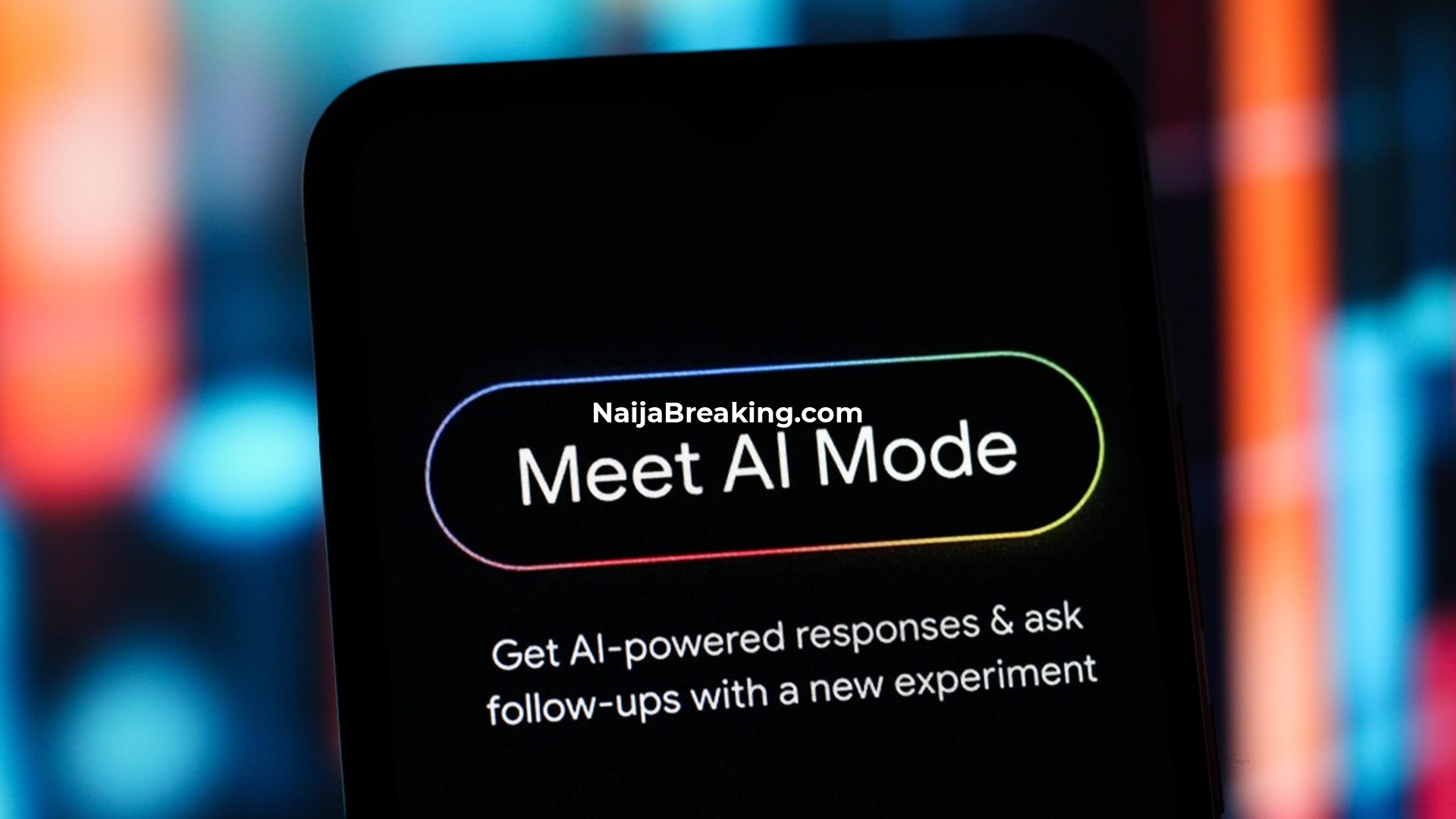
Google just fired a warning shot heard across the global AI subscription price wars by slashing its budget tier pricing from $7.99 to $4.99 monthly while doubling storage allocation. This aggressive move in the intensifying AI subscription price wars represents far more than a simple price adjustment—it signals the beginning of a brutal commoditisation phase in artificial intelligence that will reshape how African nations, including Nigeria, access and adopt AI technologies. The shift comes as major tech companies vie for dominance in emerging markets where price sensitivity remains critical, and where digital adoption rates continue climbing despite economic constraints. For Nigeria, with over 220 million people and a growing tech-savvy youth demographic, understanding the implications of this AI subscription price wars phenomenon is essential for policymakers, entrepreneurs, and consumers navigating an increasingly AI-dependent economy.
The competitive landscape of AI subscription price wars has evolved rapidly, transforming the technology sector in ways not seen since the mobile telecommunications revolution. What began as premium offerings has now become a battleground where companies compete aggressively on pricing, features, and accessibility. Nigeria stands at a critical juncture where the outcomes of these AI subscription price wars will determine whether the nation’s tech sector accelerates toward global competitiveness or falls further behind. This comprehensive analysis explores how Google’s pricing strategy, embedded within the broader AI subscription price wars, will influence Nigeria’s technological trajectory, entrepreneurial ecosystem, and economic opportunities for millions of citizens seeking to participate in the digital economy.
Understanding the Current AI Subscription Price Wars Landscape
The AI subscription market didn’t exist as a significant revenue stream just two years ago. Before 2024, artificial intelligence was largely confined to enterprise software, academic research, and big tech company internal tools. OpenAI’s ChatGPT subscription model ($20 monthly for ChatGPT Plus) changed everything by proving consumers would pay for direct AI access. This created a template that attracted every major technology firm—Microsoft, Google, Meta, and countless startups—into the subscription business. By 2025, the market had fractured into distinct tiers: ultra-premium AI services for enterprise customers, mid-tier subscriptions for power users, and budget tiers targeting mass-market consumers and students.
The AI subscription price wars have intensified dramatically as each company recognises the strategic importance of capturing market share before the sector matures. Microsoft bundled AI capabilities into its Office 365 subscriptions, attempting to leverage existing customer relationships. Meta introduced AI features into its ecosystem without separate subscription requirements, using advertising-supported models. OpenAI maintained premium positioning while introducing free tier alternatives. And now Google, leveraging its dominant search position and massive user base, has entered aggressive pricing that effectively declares war on competitors’ pricing strategies. These AI subscription price wars aren’t merely about attracting individual consumers—they represent a fundamental battle for ecosystem control and data acquisition in the AI era.
Nigeria’s technology sector has been uniquely positioned to benefit from AI democratisation and the resulting competition within AI subscription price wars. The country hosts Africa’s largest tech hub ecosystem in Lagos, generates billions annually from software development and business process outsourcing, and has produced globally competitive startups in fintech and artificial intelligence. Companies like Andela, Interswitch, and Paystack have demonstrated Nigeria’s capacity for technological innovation at global scale. However, two structural challenges have limited AI adoption despite the positive effects of AI subscription price wars: first, the dominance of American pricing models that don’t account for Nigerian purchasing power (where median income hovers around ₦462,000 annually according to 2023 data), and second, the persistent digital divide that leaves substantial portions of the population outside the formal digital economy. Google’s move to reduce AI subscription costs acknowledges these realities while signalling a strategic pivot toward volume-based revenue models in price-sensitive regions affected by AI subscription price wars.
Historical Context: Nigeria’s Experience with Price Wars in Technology
Historically, Nigerian consumers have benefited substantially from “price wars” in other sectors. The mobile telecommunications revolution of the 2000s, driven by competition between Airtel, MTN, Vodafone, and Glo, transformed communication accessibility overnight. Before this competitive intensity, mobile phone calls cost between ₦50-₦100 per minute, pricing that excluded millions from telecommunications. Price wars in mobile data over the past decade made internet access affordable enough for ordinary Nigerians to participate in the digital economy. By 2024, Nigeria had approximately 123 million internet users, representing one of Africa’s largest digital populations, largely enabled by aggressive pricing competition in the telecoms sector.
The lessons from Nigeria’s mobile telecommunications price wars offer crucial insights for understanding how AI subscription price wars might unfold. When competition forced prices down, adoption accelerated exponentially, creating network effects that benefited all participants. Nigerian entrepreneurs built businesses on affordable internet connectivity—from e-commerce platforms like Jumia to ride-hailing services like Uber and Bolt, from fintech innovations to creative industries. The price competition that seemed destructive to incumbents ultimately expanded the total addressable market so dramatically that new revenue opportunities emerged exceeding previous expectations.
However, the mobile sector also demonstrated that price wars alone don’t guarantee inclusive growth. While prices fell, quality of service remained inconsistent in many regions. Infrastructure investments lagged in rural areas despite growing demand. The most aggressive pricing competed away sustainable profitability, leading to consolidation and reduced investment in network improvements. Additionally, the benefits of price wars concentrated most heavily in urban centers where existing infrastructure was strongest, leaving rural Nigeria substantially behind despite nominally affordable pricing. These historical lessons suggest that while AI subscription price wars will benefit Nigeria’s tech sector, deliberate policy intervention will be necessary to ensure inclusive participation and equitable distribution of benefits.
Google’s Strategic Move: Deeper Analysis of Pricing and Implications
Google’s reduction of AI subscription pricing from $7.99 to $4.99 monthly represents a 37.5% price reduction—a dramatic move that fundamentally alters the competitive dynamics of AI subscription price wars. Simultaneously doubling storage allocation from 100GB to 200GB means Google is improving value proposition while reducing price, a combination that competitors cannot easily match without eroding profitability. This move suggests Google has achieved sufficient scale and efficiency in AI service delivery that it can afford aggressive pricing while maintaining acceptable margins. For context, Microsoft’s AI subscription through Copilot Pro remains at $20 monthly, OpenAI’s ChatGPT Plus stays at $20, and Meta’s AI services remain embedded in free-tier offerings. Google’s positioning at $4.99 creates a four-fold price gap between its offering and premium competitors, fundamentally reshaping consumer decision-making in AI subscription price wars.
The strategic brilliance of Google’s approach within the AI subscription price wars extends beyond simple undercutting. Google recognises that its primary revenue comes from advertising, not subscriptions. By offering AI services at minimal cost, Google captures user data, usage patterns, and interactions that improve its advertising targeting capabilities. The $4.99 price point isn’t designed to maximise subscription revenue—it’s designed to capture market share and data at virtually any sustainable cost. This differs fundamentally from OpenAI’s strategy, which genuinely depends on subscription revenue, creating an asymmetric competitive dynamic within AI subscription price wars that smaller competitors cannot overcome.
For Nigerian users and entrepreneurs, this pricing strategy opens immediate opportunities. A software developer in Lagos can now access AI tools at roughly ₦2,500 monthly ($4.99 at current exchange rates)—a price point that’s achievable for serious practitioners. A student can access AI learning tools without requiring parental approval for $20 monthly subscriptions. A startup founder can leverage AI for content creation, coding assistance, and business analysis at minimal cost. These AI subscription price wars therefore democratise access to powerful technologies that previously required either substantial financial investment or exclusive institutional access.
Impact on Nigeria’s Tech Entrepreneurship Ecosystem
Nigeria’s startup ecosystem has grown impressively, with Lagos hosting over 600 active startups as of 2024, generating billions in venture funding and creating thousands of high-value jobs. However, many Nigerian entrepreneurs face barriers accessing cutting-edge development tools. AI subscription price wars, particularly Google’s aggressive pricing, directly address this constraint. The ability to access advanced AI capabilities at $4.99 monthly fundamentally changes the competitive equation for Nigerian startups competing globally.
Consider a fintech startup in Lagos building machine learning models for credit risk assessment. Access to advanced AI tools at affordable subscription rates enables them to develop competitive solutions without requiring expensive data science hiring or massive capital expenditure. A content creation startup can leverage AI for video editing, script writing, and multi-language localisation at costs that allow profitable scaling. An edutech company can build AI tutoring systems that were previously unaffordable without significant funding. The AI subscription price wars, therefore, flatten the competitive landscape between Nigerian startups and their better-funded counterparts in developed markets.
However, this benefit realisation depends on adequate digital infrastructure. Nigeria’s internet connectivity remains inconsistent, with significant variation between urban and rural areas, and between peak and off-peak hours. AI services require reliable, relatively high-speed connections that not all Nigerian entrepreneurs can access consistently. Additionally, the pricing reduction benefits only those with existing bank accounts and international payment capabilities—a limitation that still excludes substantial portions of Nigeria’s population from direct AI subscription participation. These infrastructure and financial inclusion gaps must be addressed through complementary policy interventions to ensure AI subscription price wars generate inclusive growth.
Implications for Nigeria’s Education System
Nigeria’s education sector stands to benefit dramatically from AI subscription price wars, though significant barriers remain. The country faces substantial educational challenges: according to UNESCO, Nigeria had approximately 18 million out-of-school children in 2023, the highest number globally. Quality teaching resources remain unevenly distributed, with rural areas severely underserved. Overcrowded classrooms, undertrained teachers, and limited educational materials constrain learning outcomes across the country.
Affordable AI subscription services address these challenges by enabling AI tutoring, personalised learning paths, and automated content creation in local languages. A teacher in a rural school could use AI tools to create lesson plans tailored to student learning levels. A student without access to traditional tutoring could leverage AI for targeted assistance in challenging subjects. A parent could access AI tools to support their children’s learning. The AI subscription price wars, by driving costs toward accessibility, create educational opportunities previously unavailable except through expensive private tutoring or elite institutions.
Major technology companies have begun recognising education’s importance within AI subscription price wars. Google has offered free or heavily discounted AI access to educational institutions in several countries. OpenAI provides educational discounts. These initiatives suggest that competing for the “next billion users” in emerging markets includes deliberate strategies to build user familiarity among students who will become adult consumers and professionals. Nigeria’s education sector could strategically negotiate similar arrangements, ensuring that AI subscription price wars benefit the broadest possible population rather than only affluent segments.
Labour Market Transformation Driven by AI Subscription Price Wars
Nigeria’s labour market faces structural challenges including high unemployment (particularly among youth), skills mismatches, and limited wage employment opportunities in non-oil sectors. The AI subscription price wars, by democratising access to powerful automation and analysis tools, will likely accelerate both job creation and job displacement in complex, region-specific ways.
Job displacement risks emerge primarily in routine cognitive work—data entry, basic customer service, simple content writing, and basic analysis. Nigeria’s emerging business process outsourcing (BPO) sector, which has grown to employ tens of thousands and generate substantial export revenue, faces pressure as AI tools reduce labour requirements for routine tasks. BPO companies competing on cost in the AI subscription price wars era will struggle, as labour cost advantages diminish when competitors automate equivalent tasks using affordable AI subscriptions.
Conversely, job creation opportunities emerge in AI-adjacent domains. Prompt engineering—crafting effective inputs for AI systems—has become a distinct professional skill with market demand. AI system training and fine-tuning require human expertise. Integrating AI into business processes requires strategic thinking that automation cannot replace. Quality assurance, verification, and ethical review of AI outputs remain fundamentally human tasks. Nigerian professionals who acquire these advanced skills will benefit from global demand, enabling continued participation in high-value remote work despite labour cost pressures in traditional domains.
Educational institutions must therefore pivot rapidly to emphasise skills that remain irreplaceable: critical thinking, creativity, ethical reasoning, and complex problem-solving. Technical skills must increasingly focus on AI collaboration rather than routine technical execution. This transition won’t happen automatically—deliberate educational reform, corporate training investments, and government policy alignment are necessary to ensure Nigeria’s labour force adapts successfully to the transformation driven by AI subscription price wars.
Infrastructure and Connectivity Challenges
Despite optimistic analyses of AI subscription price wars’ potential, significant infrastructure constraints limit Nigeria’s ability to realise benefits. Internet penetration, while improving, remains uneven: approximately 55% of Nigerians have internet access as of 2024, with substantial gaps between urban and rural areas. Additionally, access doesn’t guarantee adequate quality—Nigerian internet speeds average 6-8 Mbps, trailing global standards of 25+ Mbps. Data costs remain high relative to income, consuming 10-15% of monthly spending for active users versus 2-3% globally.
AI services, particularly those involving large language models or complex analysis, require reliable connectivity and sufficient bandwidth. Interactive AI use cases—real-time collaboration, live analysis, streaming responses—work poorly on unreliable, slow connections. Nigerian users will therefore experience degraded AI service quality compared to users in better-connected regions, even while accessing identical services through AI subscription price wars pricing. This “infrastructure penalty” risks creating a two-tier system where Nigerian users pay equivalent subscription costs for materially inferior experiences.
Addressing this requires coordinated infrastructure investment. The federal government has committed to digital infrastructure development through initiatives like the National Broadband Plan, targeting 90% coverage and improved speeds. However, execution timelines remain uncertain and funding adequate. Private sector investment in fibre infrastructure continues, particularly in urban areas. Satellite internet providers like Starlink have entered the Nigerian market, potentially addressing rural connectivity. These developments, combined with competitive pressure from AI subscription price wars, create conditions where infrastructure investment might accelerate. However, explicit policy prioritisation and sustained funding commitment remain essential.
Regulatory and Policy Considerations in the AI Subscription Price Wars Era
Nigeria’s regulatory framework for AI remains underdeveloped. The country lacks comprehensive AI governance policies, ethical guidelines, or consumer protection frameworks specific to AI services. As AI subscription price wars intensify and AI adoption accelerates, regulatory gaps will become increasingly problematic. Issues requiring urgent attention include: data privacy and protection, algorithmic accountability, consumer protection in AI services, intellectual property rights in AI-generated content, and taxation of AI subscription services.
The federal government should consider establishing an AI governance framework that protects consumers while avoiding regulatory approaches that stifle innovation. Key elements might include: mandatory transparency about AI decision-making in critical domains (finance, employment, criminal justice), consumer recourse mechanisms for AI service failures, data protection requirements aligned with international standards, and clear taxation approaches for digital services. Learning from international regulatory development—including the EU’s AI Act and emerging frameworks in other African nations—could accelerate policy development without requiring Nigerian policymakers to solve problems from first principles.
Additionally, Nigeria should consider strategic positioning within the AI subscription price wars through sector-specific initiatives. For example, policies supporting AI application in healthcare, agriculture, and financial inclusion could direct competitive pressures toward development of solutions addressing Nigeria-specific problems. Tax incentives for AI research and development could attract regional headquarters of technology companies. Regulatory frameworks supporting AI-enabled financial services could accelerate digital financial inclusion. These strategic policies would leverage AI subscription price wars’ competitive dynamics to advance national development priorities.
Conclusion: Positioning Nigeria for Success in AI Subscription Price Wars
Google’s aggressive pricing within the AI subscription price wars represents an opportunity for Nigeria’s tech sector, economy, and population. Affordable access to advanced AI capabilities democratises tools previously available only to well-resourced institutions and affluent individuals. Entrepreneurs gain capacity to build competitive solutions without proportional capital investment. Students access learning resources previously unaffordable. Professionals develop skills enabling participation in global knowledge economy.
However, these benefits won’t materialise automatically. Realising AI subscription price wars’ potential requires complementary investments in digital infrastructure, educational reform, policy development, and inclusive access mechanisms. Government, private sector, and civil society must coordinate to ensure competitive pricing translates into inclusive prosperity rather than concentrated benefits for already-advantaged segments.
Nigeria’s tech sector stands positioned to thrive in the AI subscription price wars era, building on existing strengths in software development, fintech innovation, and human capital. Success requires strategic vision, sustained commitment, and deliberate policy interventions ensuring that international competition in AI subscriptions strengthens Nigerian capacity and creates broadly distributed opportunities for millions of citizens seeking to participate in the digital economy.