Microsoft’s Xbox Console Business Models Crisis: What Nigerians Should Know About Gaming’s Future
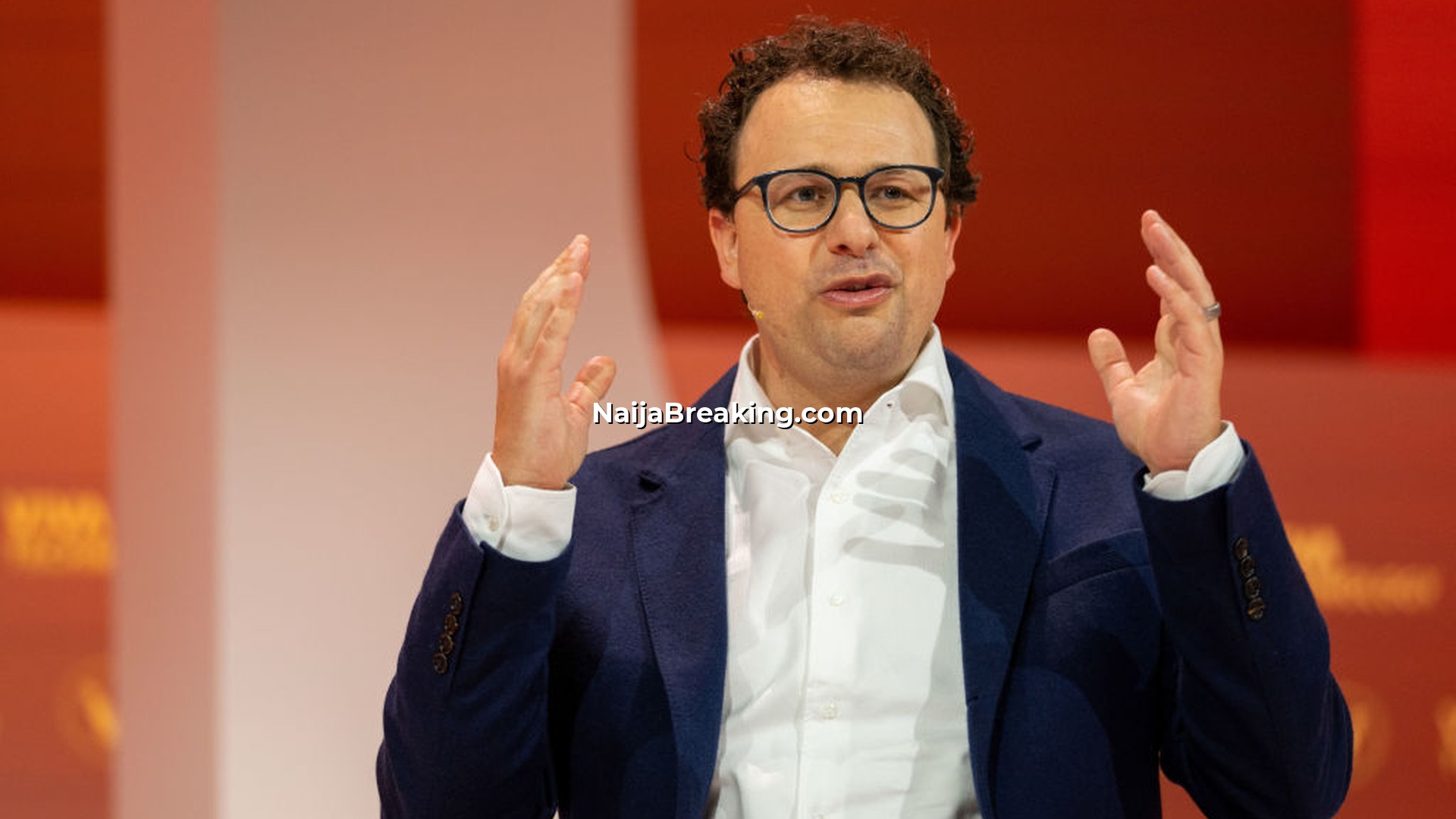
Microsoft is fundamentally rethinking its Xbox console business models as the global gaming hardware industry faces an unprecedented cost crisis. According to recent statements from Xbox leadership, the company is exploring “radically different” approaches to console manufacturing and pricing, signalling a potential shift in how gaming hardware reaches consumers worldwide—including in Nigeria. The challenge stems from what industry analysts call the “RAMageddon” crisis: skyrocketing costs for memory and storage components that make manufacturing next-generation consoles like Project Helix increasingly expensive. For Nigerian consumers and entrepreneurs in the gaming and tech sectors, this moment represents both a threat to affordability and an opportunity to leapfrog outdated hardware models entirely. As Xbox CEO Asha Sharma told Fortune, the company faces an existential challenge: “We are in a crisis right now, the entire industry is.” This article explores what Microsoft’s console dilemma means for Nigeria’s emerging gaming market, its young tech-savvy population, and the broader question of how Africans will access premium gaming experiences in an era of rising global hardware costs.
Understanding Xbox Console Business Models and Their Historical Context
To fully comprehend the current crisis affecting Xbox console business models, we must first understand how Microsoft and competitors have structured their approach to hardware and software sales over the past two decades. The traditional Xbox console business models have evolved significantly since the original Xbox launched in 2001. In those early days, Microsoft viewed the Xbox primarily as a means to compete with Sony’s PlayStation and Nintendo’s dominance in home gaming. The business model was straightforward: sell hardware at a modest profit margin or even at a slight loss, then recover investments through game sales, where Microsoft earned licensing fees from third-party publishers and revenue from first-party titles.
This approach to Xbox console business models proved revolutionary because it challenged Nintendo’s decades-long stranglehold on the gaming industry and forced Sony to innovate its own business strategies. Microsoft’s willingness to subsidize Xbox hardware prices made the console accessible to middle-class American households, driving adoption rates that surprised industry skeptics. By the Xbox 360 era (2005-2016), the company had refined its Xbox console business models even further, introducing the Games for Windows Live service and pioneering online multiplayer gaming on consoles. The 360 became a cultural phenomenon, generating enormous profits through Game Pass subscriptions and digital game sales—revenue streams that far exceeded hardware margins.
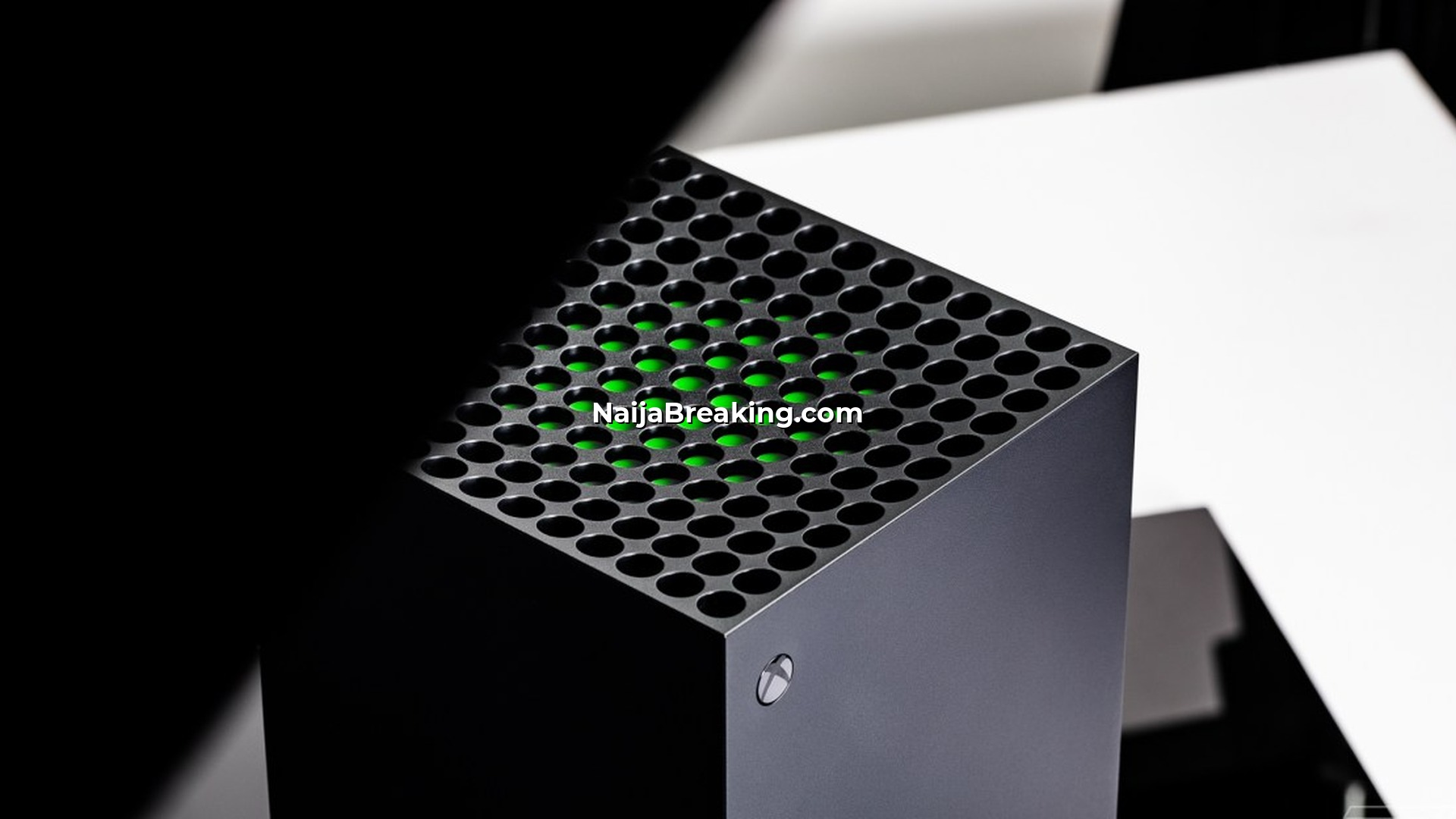
The current generation of Xbox console business models, represented by the Xbox Series X and Series S, represents an even more dramatic departure from traditional hardware-centric thinking. Rather than emphasizing the console as a physical product with premium specifications, Microsoft’s modern Xbox console business models prioritize ecosystem integration, subscription services, and cloud gaming capabilities. The introduction of Xbox Game Pass—a Netflix-style subscription service offering hundreds of games for a monthly fee—fundamentally transformed how Xbox console business models generate revenue. This shift meant that Microsoft could afford to price hardware more aggressively because the real profit came from recurring subscription payments, not from one-time hardware sales.
Nigeria’s Gaming Market and the Challenge of Expensive Hardware
Nigeria’s gaming market has exploded over the past decade, transforming from a niche hobby into a serious economic and cultural force. According to the Nigeria Bureau of Statistics (NBS), the creative economy—which includes gaming—contributes over 2.3% to the nation’s GDP and employs hundreds of thousands of young Nigerians. Lagos has emerged as Africa’s gaming hub, with international studios like Kano-based Kano Studios and Lagos-based Lively creating world-class titles that attract global audiences. The success of Nigerian developers in mobile gaming has been remarkable, with companies like Malibu and PlayWorks generating millions in annual revenue.
However, this growth has been built primarily on mobile gaming and PC gaming, not on expensive console hardware. Console adoption in Nigeria remains relatively low compared to developed markets, partly because devices like the PlayStation 5 and Xbox Series X retail for prices equivalent to ₦500,000-₦700,000 in Lagos—more than double the average monthly income for many Nigerian households. This affordability gap has meant that only wealthy families and serious gamers can access current-generation consoles. The situation is even more challenging in secondary cities and rural areas, where purchasing power is substantially lower. Many young Nigerians interested in gaming are forced to choose between mobile gaming on smartphones and PC gaming via internet cafes, which have become cultural institutions in major Nigerian cities.
The implications of this digital divide are significant. While Nigerian developers are creating world-class games, most Nigerian consumers cannot access premium gaming experiences through traditional Xbox console business models. This represents a missed opportunity for Microsoft to build a loyal customer base in one of Africa’s largest and most tech-savvy markets. Young Nigerians are increasingly interested in gaming as both entertainment and potential career path, with esports tournaments and gaming content creation becoming viable income sources. Yet the high entry barrier for console hardware limits participation in certain gaming communities.
The Hardware Cost Crisis and Its Impact on Xbox Console Business Models
The current crisis affecting Xbox console business models stems from unprecedented disruptions in global semiconductor and component supply chains. Beginning in 2020 and continuing through 2023, multiple factors converged to dramatically increase manufacturing costs for gaming consoles. The COVID-19 pandemic created massive disruptions in semiconductor manufacturing, particularly affecting Taiwan’s TSMC—the world’s largest chip manufacturer. Simultaneously, demand for computing hardware skyrocketed as remote work and online entertainment became essential during lockdowns. This massive demand surge, combined with reduced manufacturing capacity, created the perfect storm for component shortages.
The most pressing cost driver for Xbox console business models specifically involves memory and storage components. RAM (Random Access Memory) and solid-state drives (SSDs) represent approximately 30-40% of total manufacturing costs for modern consoles. When industry analysts referred to “RAMageddon,” they highlighted the dramatic price increases in these critical components. In some cases, memory component costs doubled or tripled year-over-year during the height of the supply chain crisis. For a company like Microsoft operating under traditional Xbox console business models where hardware is subsidized to drive adoption, these cost increases are absolutely devastating to profitability.
Xbox Series X and Series S were designed and priced during a period of relatively stable component costs. The powerful Series X, with its cutting-edge processor and large SSD, requires expensive components throughout its architecture. When manufacturing costs for these components suddenly doubled, Microsoft faced an impossible situation under its existing Xbox console business models: either accept massive losses on every console sold, or raise prices substantially and risk losing market share to competitors or to cloud gaming alternatives. Neither option was attractive, which explains why Xbox leadership began publicly discussing the need for fundamentally different Xbox console business models.
How Traditional Xbox Console Business Models Are Breaking Down
The traditional approach to Xbox console business models assumed that manufacturers could operate on a relatively predictable cost curve. First-generation hardware would be expensive to develop but manufactured at increasingly lower costs as production volumes increased and manufacturing processes were optimized. Within 5-7 years of a console’s lifecycle, manufacturing costs would drop significantly, allowing for price reductions that would boost adoption rates. Late-cycle consoles might be sold at significant profit margins after years of subsidized pricing.
This lifecycle model required stable component costs and predictable supply chains. However, the current environment provides neither. Component costs remain volatile and, in many cases, have not returned to pre-2020 levels. Supply chain disruptions continue due to geopolitical tensions, particularly concerns about Taiwan and China, which dominate semiconductor manufacturing. Under these conditions, the traditional Xbox console business models create enormous financial risk. Microsoft cannot accurately predict component costs even six months in advance, making it impossible to plan pricing strategies or profit margins with any confidence.
Furthermore, the traditional Xbox console business models assume that consumers will prioritize powerful hardware specifications and purchase dedicated devices specifically for gaming. This assumption is increasingly challenged by cloud gaming technology, which allows high-quality games to stream to any device with internet connectivity. If consumers can play Xbox games on their phones, tablets, or television boxes, why invest in expensive dedicated hardware? This technological shift undermines the fundamental premise of traditional Xbox console business models, which depends on consumers purchasing specialized gaming devices.
Microsoft’s Exploration of Alternative Xbox Console Business Models
Facing these pressures, Microsoft is actively exploring radically different Xbox console business models. According to Xbox leadership and industry analysts, the company is considering several innovative approaches that represent fundamental departures from the traditional console paradigm. One possibility involves even greater emphasis on cloud gaming and streaming, with less expensive or even subsidized hardware that serves primarily as a gateway to cloud-based games. Under this model, Xbox hardware would function similarly to a Roku streaming device, with the actual processing happening on Microsoft’s servers rather than on hardware in the user’s home.
Another emerging approach to Xbox console business models involves modular or tiered hardware offerings. Rather than designing a single “next-generation” console that must accommodate all users, Microsoft might create multiple Xbox hardware tiers at different price points, each tailored to specific use cases. A budget Xbox might feature older processors but excellent streaming capabilities, targeting budget-conscious consumers and emerging markets. A premium Xbox would maintain cutting-edge specifications for consumers who demand the best graphical performance. This tiered approach to Xbox console business models would allow Microsoft to serve diverse global markets more effectively, including price-sensitive markets like Nigeria.
Microsoft is also reportedly exploring partnerships with manufacturers and retailers that could fundamentally change Xbox console business models. Rather than designing and manufacturing hardware in-house, the company might license its Xbox software ecosystem to multiple hardware manufacturers. This approach would mirror how Android operates in the smartphone industry—multiple manufacturers create devices running a common operating system. Under such a model, consumers might purchase Xbox-compatible hardware from numerous manufacturers at various price points, all accessing the same game library and services. This dramatic shift in Xbox console business models would eliminate Microsoft’s role as a hardware manufacturer while expanding device availability and reducing the company’s capital requirements.
Implications for Nigerian Gamers and Africa’s Gaming Market
The transformation of Xbox console business models has significant implications for Nigeria and the broader African gaming market. If Microsoft successfully transitions to cloud-based gaming with low-cost or subsidized hardware, Xbox could become far more accessible to Nigerian consumers. A budget streaming device priced at ₦50,000-₦100,000 (significantly cheaper than current consoles) combined with Xbox Game Pass at ₦2,000-₦3,000 monthly would be economically viable for far more Nigerian households. This accessibility could transform Nigeria’s gaming landscape, enabling millions of young Nigerians to access premium gaming experiences they currently cannot afford.
For Nigerian game developers and esports competitors, accessible Xbox hardware and ecosystem integration would create new opportunities. The current high cost of Xbox consoles limits the size of potential audiences for games developed specifically for the platform. Cheaper hardware would increase the player base, making it more viable for studios to develop console-exclusive titles. Additionally, more accessible Xbox hardware would expand Nigeria’s esports infrastructure, as competitive gaming requires reliable access to standardized hardware platforms.
However, these benefits are not guaranteed. Microsoft’s execution of new Xbox console business models will determine whether the company successfully reaches emerging markets like Nigeria. The company must carefully balance cost reduction with maintaining sufficient hardware performance to deliver compelling gaming experiences. Additionally, Nigeria’s internet infrastructure presents ongoing challenges. Cloud gaming requires reliable, low-latency internet connections, and while major cities like Lagos have adequate infrastructure, many Nigerians lack consistent broadband access. Microsoft must consider how evolving Xbox console business models will function in regions with less developed connectivity.
The Broader Implications for the Gaming Industry
Microsoft’s struggle with Xbox console business models reflects challenges facing the entire gaming hardware industry. Sony faces identical problems with PlayStation 5 manufacturing and pricing. Nintendo’s more modest hardware specifications provide some insulation from component cost increases, but the company still faces constraints. The fundamental economics of traditional console gaming are being disrupted by component costs, supply chain volatility, and changing consumer preferences. Every major manufacturer is exploring alternatives to the century-old model of selling specialized hardware devices.
The shift in Xbox console business models from hardware-centric to service-centric represents a broader industry trend toward subscription services and cloud computing. Companies like Amazon (with Luna) and Google (with Stadia) are pursuing similar strategies, though with varying degrees of success. The consolidation around game streaming and subscription services suggests that future Xbox console business models may look entirely different from today’s physical devices. The “console” might become primarily a software ecosystem and subscription service, with hardware being secondary and interchangeable.
Preparing for the Future of Gaming in Nigeria
As Microsoft continues restructuring its Xbox console business models, Nigerian stakeholders should prepare for a rapidly changing gaming landscape. Young Nigerians interested in gaming careers should develop broad skill sets applicable to multiple platforms and business models. Nigerian developers should create games optimized for diverse hardware capabilities and network conditions, recognizing that future players may access games through various devices rather than dedicated consoles. Nigerian esports organizations should remain platform-agnostic and ready to adapt as Xbox console business models evolve.
For Nigerian consumers, the transformation of Xbox console business models offers hope that premium gaming will become more accessible. However, stakeholders should not passively wait for Microsoft to solve these problems. Nigerian tech entrepreneurs should explore opportunities to develop gaming hardware, streaming services, or complementary technologies that address local market needs. The transition in Xbox console business models creates space for innovation from companies that understand Nigeria’s unique circumstances and consumer preferences.
Conclusion
Microsoft’s rethinking of Xbox console business models represents one of the most significant shifts in gaming industry history. The traditional model of selling subsidized hardware to drive software and service revenue has become economically unsustainable in the current environment of volatile component costs and disrupted supply chains. As Microsoft explores cloud gaming, tiered hardware offerings, and potential manufacturing partnerships, the future of Xbox console business models remains uncertain but full of possibility.
For Nigeria and Africa, these changes create unprecedented opportunities. If Microsoft successfully executes new Xbox console business models that emphasize affordability and accessibility, millions of young Africans could gain access to premium gaming experiences. The transformation of Xbox console business models from hardware-centric to service-centric could ultimately prove liberating for emerging markets, enabling participation in global gaming communities that were previously inaccessible due to hardware costs. Nigeria’s gaming industry, already vibrant and innovative, could reach entirely new heights as barriers to entry fall and the market expands to include broader demographics. The ongoing evolution of Xbox console business models deserves close attention from anyone interested in gaming’s future in Africa.