
Nigeria World Cup Absence: How the Super Eagles’ Failed Qualification Exposes Africa’s Football Crisis and Lost Economic Opportunities
The Nigeria World Cup absence for 2026 marks a devastating blow to Africa’s most populous nation and represents far more than just a sporting disappointment for football enthusiasts across the country. As the FIFA World Cup approaches without Nigeria’s Super Eagles competing on the global stage for the second consecutive tournament, the nation confronts a cascading crisis that encompasses economic hardship, cultural setback, institutional failure, and a profound loss of soft power that reverberates far beyond the football pitch. This Nigeria World Cup absence represents a critical moment of reckoning for how the nation manages its most valuable international asset—its football legacy and the talented pool of athletes capable of competing at the highest levels of global sport.
For the second consecutive World Cup cycle, Africa’s traditional football giant will watch from home as other nations compete for football’s greatest prize, a reality that has sent intense ripples of frustration, disappointment, and soul-searching across Nigerian communities at home and in the diaspora worldwide. The Nigeria World Cup absence is not merely a failure of a few matches or tactical miscalculations by coaches, but rather a systemic breakdown in football governance, investment priorities, institutional accountability, and national strategic planning that has cost the nation hundreds of millions of Naira in lost revenue, corporate sponsorships, international tourism income, and irreplaceable global visibility during a tournament watched by billions of people across all continents.
This comprehensive article examines the profound depth of Nigeria’s ongoing football crisis, the real economic and cultural costs being borne by ordinary Nigerians and the broader African continent, analyzes the specific reasons why the Nigeria World Cup absence occurred, and explores what this absence reveals about the nation’s institutional capacity to manage large-scale operations, develop talent systematically, and compete effectively at the highest levels of global competition. Understanding Nigeria’s World Cup absence requires looking beyond the immediate qualifying campaigns to the structural problems that have plagued Nigerian football for decades.
The Historical Context: From Football Giant to Struggling Nation
Nigeria’s relationship with World Cup football is absolutely central to the nation’s identity, cultural pride, and soft power projection on the global stage. The country has qualified for the FIFA World Cup six times—in 1994, 1998, 2002, 2010, 2014, and most recently 2018—establishing itself as one of Africa’s most consistent and respected football nations throughout the 1990s and 2000s. During these qualification campaigns and tournament appearances, Nigeria produced some of Africa’s most celebrated and technically gifted football players, from the legendary Jay-Jay Okocha and other skillful talents inspired by the continental tradition to modern stars like Alex Iwobi, Wilfred Ndidi, and Ahmed Musa who represented the Super Eagles with distinction.
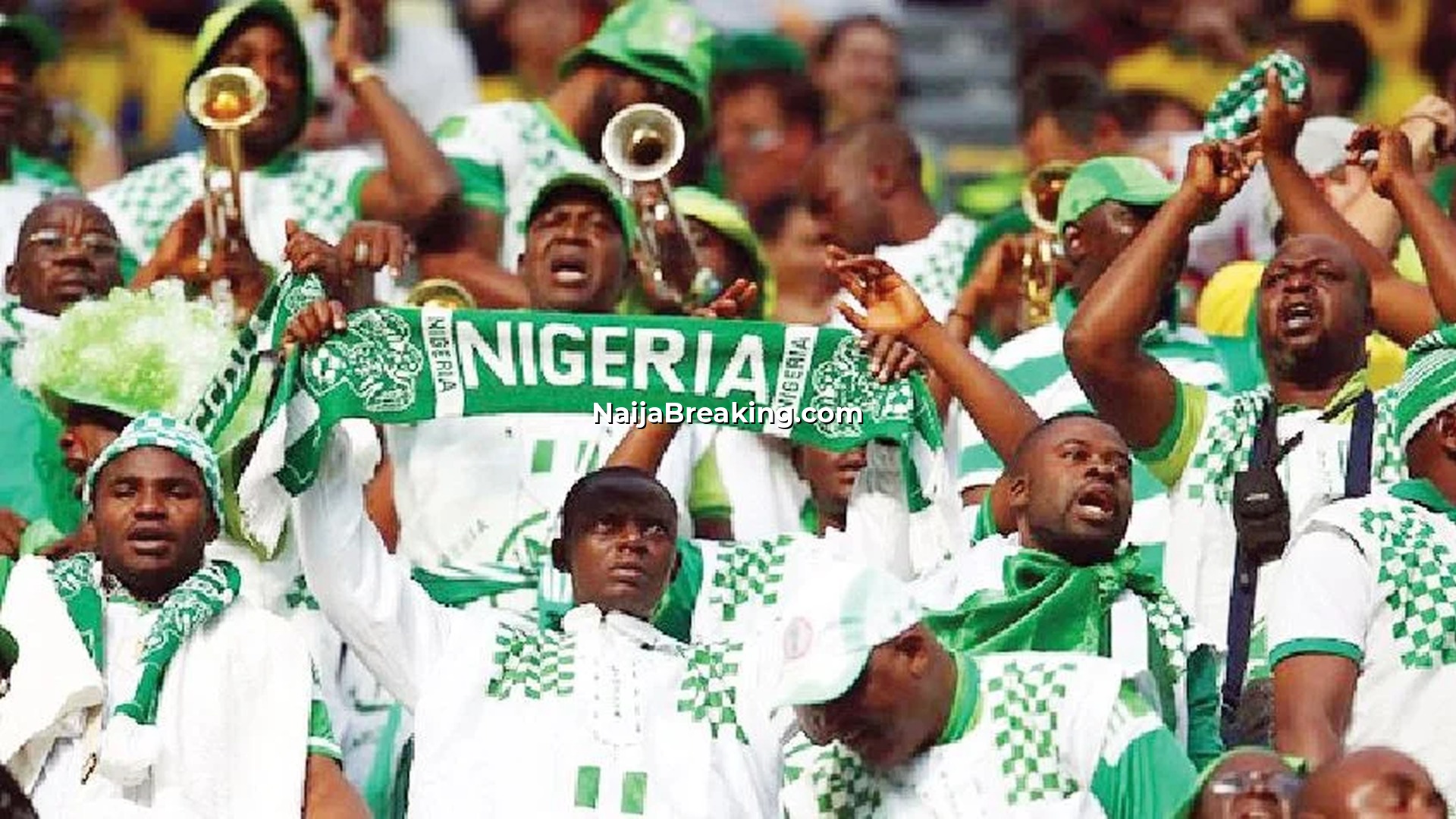
The Super Eagles’ presence at international tournaments has historically served as a powerful source of national pride that remarkably transcends deeply rooted ethnic, regional, religious, and socioeconomic divides within the diverse Nigerian society. During the 1994 World Cup hosted in the United States and the 1998 tournament in France, Nigerian teams captivated global audiences with their attacking flair, technical ability, and entertaining style of play, earning widespread respect and admiration across the international football community. The 1994 team’s performance and the 1998 squad’s surprising run to the knockout stages demonstrated that Nigerian football possessed world-class potential and the ability to compete against established European and South American powers.
However, the last two decades have witnessed a gradual but accelerating deterioration in Nigeria’s World Cup performance trajectory and competitive capacity. The 2018 World Cup in Russia was Nigeria’s most recent appearance on football’s biggest stage, where the team exited in the group stage after failing to advance from a group featuring Croatia, Iceland, and France. Since that disappointing exit from the 2018 tournament, successive qualification campaigns have collapsed entirely. First, in the 2022 World Cup qualifiers, Nigeria faced a bitter elimination after losing a crucial two-legged playoff to Ghana—a nation with substantially less football tradition and resources. Now, in the 2026 qualification campaign, the Eagles finished fourth in their qualifying group with only 13 points accumulated from 10 matches, definitively ending hopes of reaching North America.
This represents nothing less than a profound crisis in the nation’s football administration, coaching philosophy systems, player development infrastructure, and institutional governance structures under the auspices of the Nigerian Football Federation (NFF). The Nigeria World Cup absence reflects years of mismanagement, corruption, inconsistent leadership, and a failure to invest properly in the systematic development of young talent from grassroots levels upward through youth academies and professional club systems.
Understanding the Scope: Why the Nigeria World Cup Absence Matters Economically
The economic implications of Nigeria’s World Cup absence extend far beyond simple loss of match revenue and ticket sales. A nation’s presence at the FIFA World Cup generates enormous economic activity across multiple sectors of the economy, including tourism, hospitality, broadcasting rights, international sponsorships, merchandise sales, and broader business opportunities that attract foreign investment and attention. When Nigeria World Cup absence occurs, all these revenue streams evaporate entirely.
International tournament participation typically generates hundreds of millions of dollars for participating nations. Broadcasting rights alone for a nation with Nigeria’s size and viewership represent substantial sums, as international football organizations pay premium rates for matches involving popular teams with massive fan bases. During World Cup tournaments, hotels, restaurants, transportation services, entertainment venues, and tourist attractions experience unprecedented demand and revenue surges as fans travel to watch matches, support their teams, and explore host nations. The absence means Nigerian businesses and entrepreneurs miss opportunities to capitalize on this global attention.
Corporate sponsorships represent another massive revenue stream that evaporates during Nigeria’s World Cup absence. Major international brands, telecommunications companies, beverage corporations, and financial institutions typically invest enormous sums to secure sponsorship deals with national football federations and participating teams. These sponsorships provide direct funding for football development, player salaries, coaching staff, facilities, and grassroots programs. When a nation fails to qualify, sponsors redirect their investments to other football markets, and the federation loses critical revenue needed to maintain operations and develop talent pipelines.
The broadcasting and media ecosystem also suffers dramatically from Nigeria’s World Cup absence. Television networks, streaming platforms, and media companies in Nigeria typically bid substantial sums for rights to broadcast their nation’s matches during World Cup tournaments. These broadcasting rights represent one of the most valuable assets that national football federations possess. When Nigeria fails to qualify, this revenue disappears, reducing funds available for football development and institutional operations.
Institutional Failure: Problems Within Nigerian Football Administration
The Nigeria World Cup absence is fundamentally a problem of institutional failure and poor governance. The Nigerian Football Federation (NFF), which holds responsibility for managing national team football at the highest levels, has been plagued by corruption allegations, inconsistent leadership, poor strategic planning, and accountability deficits that have undermined the organization’s effectiveness for many years. Multiple investigations and media reports have documented instances of mismanagement, embezzlement, nepotism in player selection processes, and failure to provide adequate resources for coaching staff and facilities.
Coach instability represents another critical factor contributing to the Nigeria World Cup absence. The Super Eagles have cycled through numerous coaches in recent years, preventing the development of coherent tactical systems, consistent player evaluation processes, and long-term strategic vision. When coaching positions change frequently, each new coach brings different philosophies, formation preferences, and player selections, creating confusion and instability that undermines team cohesion and performance. Stability in coaching allows for systematic player development, tactical refinement, and the building of team chemistry essential for international success.
The player development system has also deteriorated significantly, creating bottlenecks in the pipeline of young talent advancing to senior football. While Nigeria possesses enormous talent at youth levels, the transition pathways from youth football through professional club systems to international representation have become inefficient and unpredictable. Young talented players often must leave Nigeria entirely to develop their skills, sign professional contracts, and gain the experience necessary to compete internationally. This brain drain weakens domestic football leagues and creates discontinuity in player development cycles.
The Broader African Context and Global Implications
Nigeria’s World Cup absence occurs within a broader context of declining African football performance on the global stage. While African nations continue producing world-class individual players, achieving strong continental tournament results, and maintaining competitive domestic leagues, African teams have struggled to replicate historical World Cup successes. The absence of Nigeria—traditionally one of Africa’s most reliable World Cup qualifiers—weakens African representation at tournaments and diminishes the continent’s global football influence during the most-watched sporting event.
The Nigeria World Cup absence also carries geopolitical implications beyond sport. Football serves as a primary vehicle through which developing nations project soft power, build international relationships, and enhance their global image and reputation. Nations use football success to attract foreign investment, develop international partnerships, and enhance their standing in global affairs. When a major nation like Nigeria fails to qualify for the World Cup, it sends signals about governance capacity, institutional effectiveness, and national competence that affect perceptions far beyond the football world.
For young Nigerians, especially in lower-income communities, football has historically represented an aspirational pathway—a route through which talented athletes could achieve fame, financial security, and international opportunity. The deterioration of the Super Eagles and persistent World Cup absences diminish this aspirational narrative and deprive young people of role models competing at the highest levels of global sport.
Path Forward: Rebuilding Nigeria’s Football System
Addressing the Nigeria World Cup absence requires systematic reforms across multiple levels of football administration and development. First, the Nigerian Football Federation must establish clear governance standards, implement rigorous financial accountability mechanisms, and ensure transparent processes for coaching selection, player evaluation, and organizational decision-making. International oversight and best practices from successful football federations should inform structural reforms.
Second, Nigeria must invest substantially in youth football development, grassroots academy systems, and the systematic identification and training of talented players from early ages. Successful nations maintain comprehensive talent identification networks, professional coaching education systems, and clear development pathways that guide promising players from youth football to senior international representation.
Third, coaching stability and strategic planning must become organizational priorities. Rather than cycling through numerous coaches in short tenures, Nigeria should recruit experienced coaches with clear mandates, provide them adequate resources and time to implement systematic improvements, and establish measurable performance metrics for success. Building competitive international teams requires time, consistency, and long-term vision.
Finally, Nigeria must reinvigorate investment in football at all levels, from domestic professional leagues to grassroots programs. Strong domestic leagues generate revenue, provide competitive environments for player development, and create infrastructure supporting national team success. Without healthy club football systems, national teams struggle to prepare adequately for international competition.
Conclusion: Learning from Crisis
The Nigeria World Cup absence for 2026 represents a critical inflection point for African football’s most historically significant nation. While disappointing in the immediate term, this crisis presents an opportunity for fundamental reform and systemic improvement. If Nigerian football leadership responds with genuine commitment to institutional reform, transparent governance, systematic player development, and long-term strategic planning, the nation can rebuild its football infrastructure and return to World Cup competition as a competitive force.
However, failure to address the underlying institutional problems that contributed to the Nigeria World Cup absence risks perpetuating the decline, pushing young talent further abroad, and diminishing Nigeria’s global soft power influence. The choice before Nigerian football leadership is clear: embrace transformative reform or accept continued competitive decline on the world’s biggest sporting stage.