Illegal Structures and Building Approvals in Kano: State Government’s 11-Member Committee Initiative for Urban Development
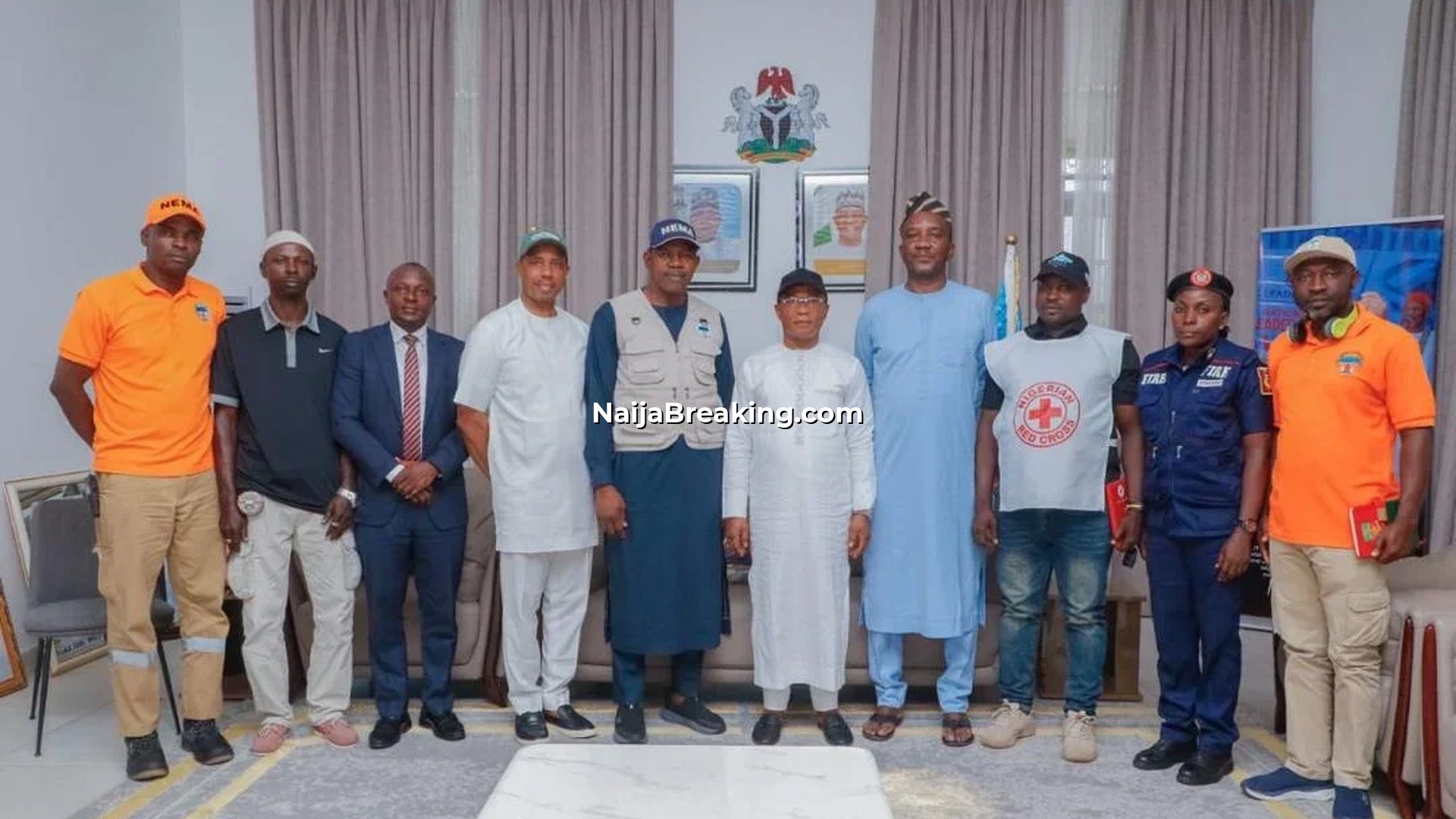
The Kano State Government has taken a significant step towards enforcing proper urban planning and development standards by inaugurating an 11-member committee specifically tasked with identifying illegal structures and reviewing building approvals within the Kano metropolitan area. This strategic initiative, as reported by the Press Secretary to the Office of the Secretary to the State Government, Musa Tanko-Muhammad, represents a critical move in the state’s comprehensive effort to ensure sustainable urban development and maintain regulatory compliance in one of Nigeria’s most densely populated urban centres. The establishment of this specialized committee focused on illegal structures and building approvals in Kano reflects growing concerns within the Kano State Government about the indiscriminate erection of structures without proper approvals, a practice that has significantly undermined sustainable urban development and posed substantial social, economic, and environmental risks to residents throughout the state. The committee’s formation signals a watershed moment in Kano’s approach to urban management, demonstrating the government’s determination to address the mounting challenges posed by unauthorized construction and inadequate regulatory oversight that have characterized the state’s rapid urban expansion over the past decade.
The decision to create this dedicated committee demonstrates the Kano State Government’s renewed commitment to bringing order to the property development sector and ensuring that all construction activities comply with established physical planning regulations and guidelines. For property owners, investors, and residents across Kano, this development carries substantial implications for how the state will manage its urban landscape in the coming months and years. The initiative is particularly timely given the rapid urbanisation witnessed in Kano over the past decade, which has often outpaced regulatory oversight and enforcement mechanisms, creating a complex and challenging landscape of both authorised and unauthorised structures that has complicated property transactions and infrastructure development throughout the region. Understanding the scope and importance of illegal structures and building approvals in Kano is essential for stakeholders seeking to navigate the state’s evolving regulatory environment and ensure compliance with government directives.
Understanding the Problem: Illegal Structures and Building Approvals in Kano
Kano State, located in Nigeria’s northwest region, has experienced unprecedented urban growth over the past two decades, transforming from a primarily commercial city into a sprawling metropolitan area with significant housing, industrial, and commercial development challenges that require sophisticated management and oversight. The state capital, Kano city, has a population exceeding 3.5 million people based on recent estimates, making it one of Nigeria’s largest urban centres by population and creating unprecedented demands on infrastructure and urban planning systems. This rapid urbanisation has created enormous pressure on the state’s urban planning infrastructure and regulatory systems, which were originally designed to manage a significantly smaller and less complex urban environment. The challenges of managing illegal structures and building approvals in Kano have become increasingly complex as the city continues to expand into surrounding areas, often without adequate planning or coordination between government agencies responsible for development control.
The proliferation of unauthorised structures has become a defining characteristic of Kano’s urban landscape, with thousands of buildings erected without proper permits or government approvals. Many property developers and individual homeowners have opted to bypass formal approval processes, either due to bureaucratic delays, high costs associated with obtaining permits, or deliberate circumvention of regulatory requirements. This phenomenon has created a fragmented urban environment where it becomes increasingly difficult to distinguish between legally approved structures and those built in violation of planning regulations. The issue of illegal structures and building approvals in Kano has become so significant that it now represents one of the state government’s most pressing development challenges, requiring coordinated action across multiple government departments and agencies.
The underlying causes of this problem are multifaceted and deeply rooted in Kano’s socio-economic realities. The shortage of affordable housing in Kano has driven many individuals to construct unauthorized structures as a means of meeting their immediate shelter needs. Property speculators have capitalized on gaps in regulatory enforcement to develop large-scale unauthorized residential and commercial projects, often selling properties without verifying ownership or securing necessary government approvals. Additionally, the informal nature of Kano’s property market, where many transactions occur through customary arrangements rather than formal legal documentation, has made it difficult for the state government to maintain comprehensive records of property ownership and construction status. These interconnected challenges have created a complex web of problems that the committee tasked with addressing illegal structures and building approvals in Kano must navigate carefully.
The Impact of Illegal Structures on Kano’s Urban Development
The prevalence of illegal structures and inadequate building approvals in Kano has resulted in numerous negative consequences affecting the state’s overall development trajectory. Urban planners and government officials have expressed serious concern about the impact of unauthorized construction on infrastructure development, environmental management, and social welfare services across the state. When buildings are constructed without proper planning approval, they frequently fail to align with infrastructure provisions such as roads, water supply systems, electricity distribution networks, and waste management facilities. This misalignment creates bottlenecks in service delivery and complicates infrastructure expansion projects, ultimately affecting the quality of life for residents throughout Kano’s urban areas.
Environmental degradation represents another significant consequence of the proliferation of illegal structures and poor building approvals in Kano. Unauthorized construction often occurs in environmentally sensitive areas, including floodplains, wetlands, and green spaces that serve crucial environmental functions. Developers constructing buildings without approval frequently ignore environmental impact assessments and conservation requirements, leading to soil erosion, loss of vegetation, and increased flooding in affected areas. The inadequate treatment of building waste and the lack of proper waste disposal systems in many unauthorized developments have also contributed to environmental pollution and public health hazards throughout Kano’s rapidly expanding urban zones.
The security implications of illegal structures and building approvals in Kano cannot be overlooked, as unauthorized buildings often fail to meet minimum safety standards required for building construction. Structures built without approval frequently lack adequate ventilation, fire safety equipment, structural integrity inspections, and other safety features mandated by building codes. This has resulted in numerous building collapses, fires, and other safety incidents that have claimed lives and destroyed property throughout Kano. Additionally, the prevalence of illegal structures has created opportunities for criminal activities, as unauthorized buildings in remote or poorly monitored areas can be used for illegal purposes ranging from drug trafficking to human trafficking operations.
The Role of the Committee in Addressing Illegal Structures and Building Approvals in Kano
The 11-member committee established by the Kano State Government has been assigned comprehensive responsibilities aimed at systematically addressing the challenges posed by illegal structures and building approvals in Kano. The committee’s primary mandate includes conducting thorough investigations and surveys to identify all unauthorized structures within the Kano metropolitan area, documenting their locations, dimensions, uses, and current status. This data collection exercise is essential for establishing a comprehensive baseline understanding of the scope of the problem, which will inform the development of long-term strategies for managing illegal structures and building approvals in Kano more effectively.
Beyond identification and documentation, the committee is tasked with reviewing existing building approvals to ensure they meet all legal requirements and comply with the state’s physical development plans and regulations. This review process involves examining approval documentation, verifying that construction has proceeded according to approved plans, and identifying instances where builders have exceeded the scope of their original approvals. The committee’s work on illegal structures and building approvals in Kano also includes recommending appropriate enforcement actions, which may range from issuing compliance orders to illegal structure owners to initiating demolition procedures for buildings that pose significant safety or environmental hazards.
The committee’s composition reflects the multidisciplinary nature of the challenges posed by illegal structures and building approvals in Kano. Members are expected to include urban planners, architects, engineers, legal experts, and representatives from relevant government agencies. This diverse membership ensures that recommendations regarding illegal structures and building approvals in Kano will be informed by multiple perspectives and grounded in both technical expertise and regulatory knowledge. The committee is also expected to engage with community stakeholders, including property owners, residents, business associations, and civil society organizations, to gather information and build support for the government’s enforcement initiatives.
Regulatory Framework Governing Illegal Structures and Building Approvals in Kano
The legal foundation for addressing illegal structures and building approvals in Kano is established through several interconnected pieces of legislation and regulation. The Kano State Urban and Regional Planning Law provides the primary legal framework governing physical development within the state, establishing standards for land use, building construction, and infrastructure development. This law empowers the Kano State Urban Planning and Development Authority (KASUPDA) with responsibility for issuing building permits, conducting development control inspections, and enforcing compliance with planning regulations throughout the state. Understanding the provisions of this legislation is essential for property developers and individuals seeking to navigate Kano’s regulatory requirements regarding building approvals and avoid creating illegal structures.
Additionally, the Building Code and Building Regulations of Kano State establish minimum standards for building construction, including structural requirements, safety provisions, sanitation standards, and accessibility requirements. These regulations apply to all construction activities within Kano, whether conducted on government or private land. The Building Code specifically addresses issues related to fire safety, electrical installations, water and sanitation systems, and other critical aspects of building safety that are often ignored in unauthorized construction. Non-compliance with these building standards creates situations where structures become illegal not merely because they lack approval, but because they fail to meet minimum safety and quality requirements established through regulatory frameworks.
The Environmental Management and Protection Law of Kano State adds another layer of regulatory requirements that must be considered when obtaining building approvals and avoiding the creation of illegal structures. This law mandates environmental impact assessments for certain categories of development projects and establishes restrictions on construction in environmentally sensitive areas. When developers proceed with construction without obtaining the required environmental clearances, they are not only creating illegal structures in terms of planning approval, but also violating environmental regulations that have been established to protect Kano’s natural resources and ensure sustainable development practices.
Challenges in Enforcing Building Regulations and Preventing Illegal Structures in Kano
Despite the existence of comprehensive regulatory frameworks, the enforcement of building regulations and prevention of illegal structures and building approvals in Kano have proven extremely challenging. One major obstacle has been the limited capacity of government agencies responsible for development control. KASUPDA and related agencies have insufficient staff, inadequate funding, and limited technological resources to effectively monitor all construction activities occurring within Kano’s vast metropolitan area. This capacity deficit has resulted in irregular inspections, delayed processing of building applications, and insufficient follow-up on unauthorized structures once they have been identified.
Corruption and bureaucratic inefficiency have also undermined efforts to enforce building regulations and eliminate illegal structures and building approvals in Kano. Reports suggest that some unscrupulous officials have accepted bribes from developers in exchange for overlooking unauthorized construction or issuing approvals for projects that do not meet regulatory requirements. These corrupt practices have created perverse incentives that encourage illegal development and undermine the credibility of the regulatory system. Additionally, the lengthy and complicated procedures required to obtain building approvals have encouraged property developers to bypass the formal system entirely, viewing illegal construction as more efficient and cost-effective than navigating bureaucratic processes.
The lack of public awareness regarding building regulations and the consequences of constructing illegal structures has also hindered enforcement efforts. Many property owners and informal builders in Kano do not fully understand the regulatory requirements governing construction or appreciate the risks and consequences associated with unauthorized building. Community education initiatives aimed at promoting awareness of building regulations and the government’s commitment to addressing illegal structures and building approvals in Kano have been limited in scope and effectiveness. Without better public understanding of these issues, enforcement efforts will continue to face resistance from property owners and communities that view building regulation enforcement as an arbitrary exercise of government authority rather than a necessary public protection measure.
Strategies for Effective Implementation of the Committee’s Mandate on Illegal Structures and Building Approvals in Kano
For the committee tasked with addressing illegal structures and building approvals in Kano to achieve meaningful results, it must employ a multifaceted approach that combines enforcement action with broader institutional and systemic reforms. First, the committee should prioritize the development of a comprehensive database documenting all properties within the Kano metropolitan area, including information on land ownership, building status, approval history, and regulatory compliance. This database would serve as a critical tool for identifying illegal structures and building approvals in Kano and would facilitate more efficient monitoring and enforcement activities going forward.
Second, the committee should work to streamline building approval processes and reduce the time and cost associated with obtaining necessary permits and approvals. By making it easier and more affordable for property developers to comply with regulatory requirements, the government can reduce incentives to bypass the formal system and construct illegal structures. The committee should also collaborate with relevant government agencies to ensure that building approvals are processed efficiently and that developers receive clear guidance regarding regulatory requirements applicable to illegal structures and building approvals in Kano.
Third, enhanced enforcement capacity is essential for the committee to effectively address the challenges posed by illegal structures and building approvals in Kano. This requires investing in staff training, deploying modern technology for monitoring and documentation, and establishing clear protocols for enforcement action. The committee should also establish mechanisms for community reporting of illegal structures, allowing residents to provide information about unauthorized construction and contributing to more comprehensive identification of the problem.
Fourth, the committee should implement a graduated enforcement approach that distinguishes between different categories of violations. Structures that pose immediate safety or environmental hazards should be prioritized for rapid action, including demolition if necessary. For other violations, the committee might offer property owners opportunities to regularize their buildings by completing necessary approvals or making required modifications to achieve compliance with building standards. This approach would balance the government’s commitment to enforcing regulations with recognition of the practical realities faced by many property owners in Kano.
Conclusion: Moving Forward on Illegal Structures and Building Approvals in Kano
The Kano State Government’s establishment of a specialized committee to address illegal structures and building approvals in Kano represents an important step toward restoring order to the state’s property development sector and ensuring sustainable urban development. The success of this initiative will require sustained political commitment, adequate resource allocation, and effective coordination across multiple government agencies and stakeholder groups. By implementing comprehensive strategies to document illegal structures, streamline building approval processes, and enhance enforcement capacity, the committee can make significant progress in addressing one of Kano’s most pressing development challenges. Property owners, investors, and residents across Kano should view this initiative as an opportunity to contribute to the creation of a more orderly, safer, and more sustainable urban environment for all stakeholders in Nigeria’s second-largest city.