
Brain-Computer Interface Approval Milestone: Science Corp’s PRIMA Wins EU Clearance—What Nigeria’s Tech Future Needs Now
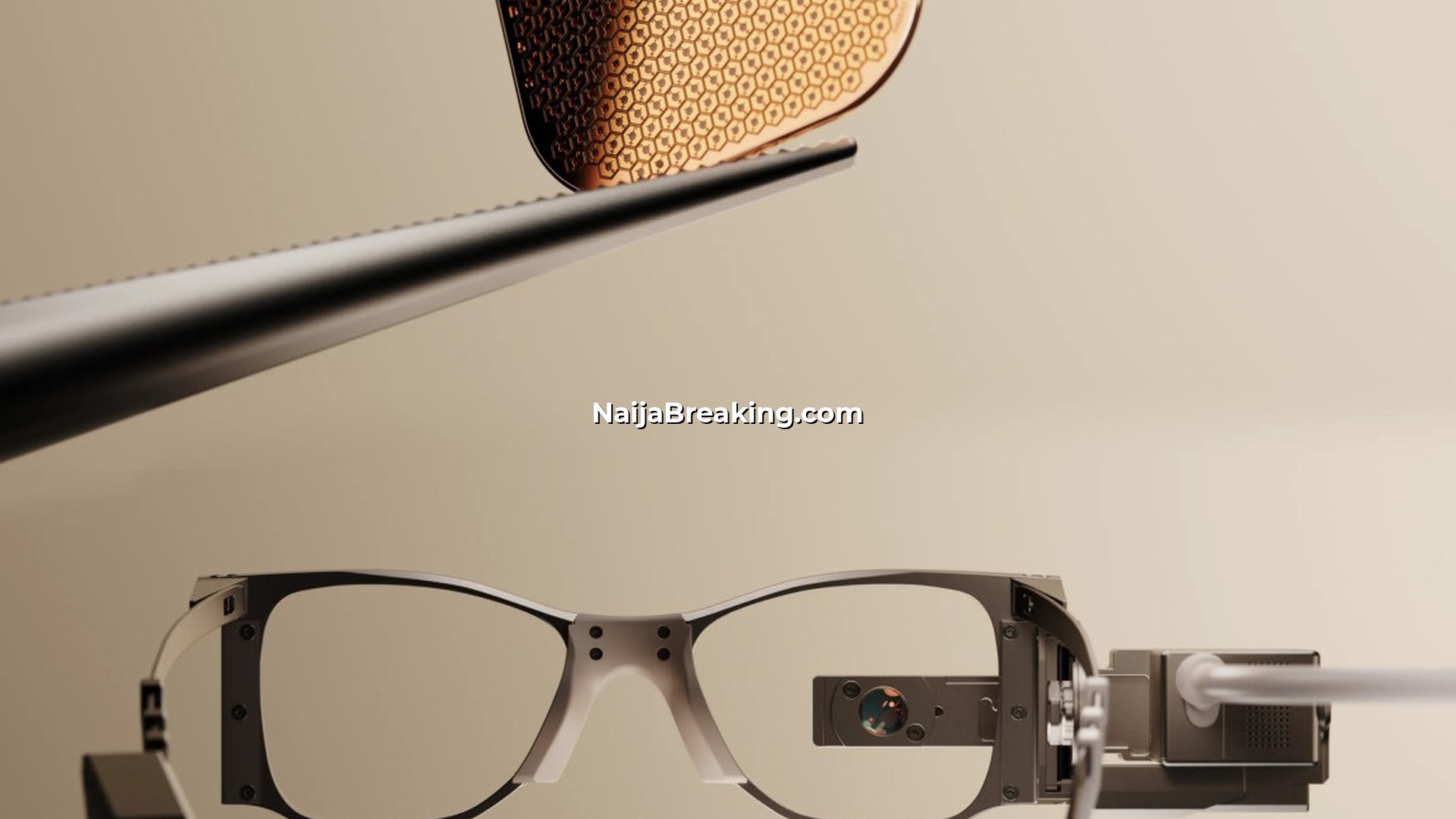
A groundbreaking moment in medical technology has just unfolded, and it should be commanding urgent attention across Nigeria’s innovation ecosystem. A California-based biotech start-up has successfully achieved brain-computer interface approval from Europe’s most rigorous medical device regulator, marking a watershed moment in the commercialisation of neurotechnology for therapeutic purposes. Science Corporation’s PRIMA device—a sophisticated microchip implanted behind the eye that restores functional vision to people with age-related macular degeneration—has won formal approval from the European Union’s medical device authorities and received fast-track designation from the US Food and Drug Administration. This brain-computer interface approval achievement is significant not merely as a scientific accomplishment, but as a profound signal about where transformative healthcare innovation is happening globally and, more critically, where it is not happening. For Nigeria’s technology sector, which has historically lagged behind in deep-tech and biotech innovation despite our enormous population and healthcare challenges, this brain-computer interface approval milestone should serve as both inspiration and urgent wake-up call.
The implications of this brain-computer interface approval extend far beyond the hundreds of thousands of blind patients globally who could benefit from the PRIMA technology. For Nigeria—a nation of over 223 million people with significant healthcare challenges, a growing young population, and an increasingly sophisticated digital economy—the absence of homegrown expertise in brain-computer interface development and regulatory frameworks represents a critical vulnerability. While the source of this brain-computer interface approval breakthrough is purely international, the lessons for Nigerian healthcare, job creation, and our nation’s competitive positioning in the global innovation economy demand serious, strategic examination. The achievement reveals a stark reality: Nigeria lacks the regulatory infrastructure, venture capital ecosystem, specialized research institutions, and government support mechanisms needed to lead in transformative medical technologies like brain-computer interface systems. As blindness and vision impairment remain leading causes of disability in Sub-Saharan Africa, and as neurotechnology promises to revolutionise treatment for conditions ranging from paralysis to neurological disorders, Nigeria’s absence from this innovation space represents both an economic loss and a humanitarian opportunity missed.
Understanding the Brain-Computer Interface Approval Breakthrough
The brain-computer interface approval granted to Science Corporation represents a culmination of decades of neuroscience research, biomedical engineering innovation, and regulatory persistence. To understand the significance of this achievement, we must first grasp what makes brain-computer interface technology so revolutionary and why brain-computer interface approval from regulatory bodies like the European Commission’s Medical Device Authority carries such weight.
Brain-computer interface systems function by establishing direct communication pathways between the brain and external devices, effectively creating a technological bridge that bypasses damaged biological systems. In the case of the PRIMA device receiving brain-computer interface approval, the implanted microchip sits behind the retina and works by detecting electrical signals from the brain’s visual cortex, then translating these signals into stimulation patterns that allow users to perceive visual information despite complete retinal degeneration. This represents a fundamental shift from traditional prosthetics or assistive devices—rather than working around the disability, the brain-computer interface approval-winning technology essentially restores a biological function that had been lost.
What makes the brain-computer interface approval such a significant achievement is the extraordinarily high regulatory bar that had to be cleared. The European Union’s medical device approval process for implantable neurotechnology is among the world’s most stringent. Regulators had to examine decades of preclinical data, clinical trial results, long-term safety profiles, infection risk assessments, biocompatibility studies, and manufacturing quality standards. Every component of the PRIMA device had to be proven safe for implantation in the human brain and eye, with documentation that its risks were proportionate to the benefits it offered. The fact that Science Corporation achieved brain-computer interface approval through this rigorous process means the technology has credibly demonstrated that it works and that it is safe enough for widespread use.
The Global Brain-Computer Interface Approval Landscape and Nigeria’s Absence
To contextualise the significance of brain-computer interface approval, we need to examine the global competitive landscape in neurotechnology development. The countries and regions leading in brain-computer interface technology, regulatory frameworks, and commercial deployment paint a revealing picture of global innovation distribution.
The United States remains the epicentre of BCI innovation, with companies like Neuralink, Kernel, Paradromics, and now Science Corporation pushing the boundaries of what’s technologically possible. The FDA’s willingness to grant fast-track designations and breakthrough device classifications for promising BCIs reflects American regulatory pragmatism—the agency recognises that overly restrictive approval processes could slow innovation and deny patients access to life-saving treatments. Concurrently, the European Union has become the gold standard for safety verification, with its rigorous approval process serving as a credibility stamp that opens doors globally.
China has emerged as another major player, with substantial government investment in neurotechnology research and companies developing their own BCI systems. South Korea, Canada, and Australia have all invested heavily in brain-computer interface research institutions and are developing regulatory pathways for BCI approval. Israel has become a neurotechnology hub, with multiple startups focusing on BCIs for various applications.
Where is Nigeria in this landscape? Our country is conspicuously absent. We have no homegrown brain-computer interface companies pursuing regulatory approval. We have no national neurotechnology research institutes comparable to those operating in leading innovation hubs. We have no regulatory framework prepared to evaluate brain-computer interface devices. Most critically, we have no venture capital ecosystem willing to fund the extraordinarily expensive process of developing medical devices from concept through brain-computer interface approval. This represents not merely a missed opportunity, but a strategic vulnerability that will become increasingly consequential as neurotechnology moves from experimental to mainstream therapeutic use.
The Road to Brain-Computer Interface Approval: Science Corporation’s Journey
Understanding how Science Corporation achieved brain-computer interface approval provides valuable lessons for what it would take Nigeria to develop indigenous neurotechnology expertise. The company’s path illustrates the combination of factors necessary for success in this space.
Science Corporation was founded by Max Hodak, who previously served as co-founder and president of Neuralink, Elon Musk’s neurotechnology company. Hodak’s departure from Neuralink in 2021 was strategic; he recognised that while Neuralink had achieved tremendous publicity and funding, the company had not yet demonstrated a clear path to commercial viability and sustainable business generation. Hodak’s insight was that brain-computer interface technology needed companies explicitly designed around generating revenue and achieving profitability, not just pursuing ambitious technical goals.
This distinction is crucial. Brain-computer interface development is extraordinarily expensive. Bringing a brain-computer interface through approval requires:
- Years of basic neuroscience research to understand how specific neural signals correlate with desired outputs
- Engineering development to create biocompatible, long-lasting implantable hardware
- Software development to decode neural signals with sufficient accuracy and speed
- Extensive preclinical testing in animal models
- Careful clinical trials with human subjects, often over many years
- Regulatory navigation and documentation across multiple jurisdictions
- Manufacturing scale-up to produce devices reliably at commercial volumes
Each of these phases consumes millions of dollars. The journey to brain-computer interface approval typically spans ten to fifteen years and requires sustained funding from either venture capital investors, government grants, or commercial revenue. Many promising BCI projects have stalled not because the science failed, but because funding dried up.
Science Corporation’s strategy for achieving brain-computer interface approval differed from Neuralink’s in important ways. Rather than attempting to build a general-purpose brain-computer interface that could theoretically address multiple conditions, the company focused specifically on a single, well-defined problem: restoring vision in people with age-related macular degeneration. This focus was strategically brilliant because:
First, age-related macular degeneration affects millions of people in wealthy countries with healthcare systems capable of paying for advanced treatments. Unlike many neurological conditions, there is a substantial market of patients who would benefit.
Second, the visual system offers relatively clear signals that engineers could decode. The brain’s visual cortex produces relatively interpretable electrical patterns compared to, say, motor cortex signals needed for robotic limb control.
Third, implantation behind the eye is technically less invasive than placing electrodes deep within the brain, reducing surgery complexity and improving the safety profile needed for brain-computer interface approval.
This focused approach enabled Science Corporation to navigate the brain-computer interface approval process more efficiently than a company attempting to address multiple applications simultaneously.
Implications for Nigeria’s Healthcare and Technology Sectors
The brain-computer interface approval achievement of Science Corporation carries profound implications for how Nigeria should be thinking about its technology and healthcare strategy. Our country faces distinct challenges that brain-computer interface and neurotechnology could potentially address, yet we are entirely disconnected from the innovation happening globally in this space.
Consider Nigeria’s burden of disease. Spinal cord injuries from traffic accidents remain a leading cause of disability in working-age adults. Stroke is epidemic in our aging population. Epilepsy affects millions of Nigerians, many of whom could benefit from neural interventions. Paralysis from poliomyelitis, cerebral palsy, and traumatic brain injury creates enormous suffering. Neurodegenerative diseases like Parkinson’s and Alzheimer’s are rising as our population ages. Brain-computer interface technology, once it achieves broader regulatory approval and cost reduction, could address many of these conditions.
Yet Nigeria’s response has been negligible. We have invested virtually nothing in developing indigenous brain-computer interface research capacity. Our universities lack the specialized neurotechnology labs that exist in comparable institutions globally. Our regulatory authorities have no framework for evaluating brain-computer interface devices. Our venture capital ecosystem has shown virtually no interest in funding neurotechnology startups.
This represents a catastrophic strategic failure. When brain-computer interface technology eventually becomes affordable and widely available—which it will, within the next ten to twenty years—Nigeria will be forced to import these technologies at enormous cost, while the intellectual property, manufacturing expertise, and job creation benefits flow to other nations. We will be consumers of innovation developed elsewhere, rather than creators of innovation that could benefit not only our own population but potentially serve as exports.
The contrast with how Nigeria has approached fintech is instructive. When mobile money and digital payments emerged as transformative technologies, Nigeria recognized the opportunity early. Companies like Flutterwave, Paystack, and others emerged to lead African fintech innovation. These companies have created thousands of high-skill jobs, generated enormous economic value, and positioned Nigeria as a continental technology leader. Nigeria could have taken the same approach with neurotechnology—recognizing it early, investing in research capacity, creating regulatory frameworks, and building companies. Instead, we are absent from this space entirely.
Building Nigeria’s Brain-Computer Interface Capacity: A Strategic Framework
If Nigeria is serious about becoming a technology leader and addressing our healthcare challenges through innovation, we must develop a coherent strategy for building brain-computer interface and neurotechnology capacity. This would require coordinated action across multiple sectors.
First, our universities—particularly UNILAG, UI, OAU, and other leading institutions—must establish dedicated neurotechnology research centers. These centers should focus on training the next generation of neuroscientists, biomedical engineers, and regulatory specialists who understand both the technology and the pathway to brain-computer interface approval. Government should fund these centers adequately, offering competitive salaries to attract and retain top talent.
Second, we need regulatory clarity. The National Agency for Food and Drug Administration and Control (NAFDAC) should develop a framework specifically for evaluating brain-computer interface devices. This need not be done entirely from scratch; NAFDAC can adapt frameworks from the FDA, EMA, and other leading regulators while tailoring them to Nigerian context.
Third, we must cultivate venture capital and innovative financing mechanisms specifically for neurotechnology startups. Nigerian venture capital firms should prioritize neurotechnology investments as part of portfolio strategy. Government could establish dedicated funding mechanisms for biotech and neurotechnology companies pursuing regulatory approval.
Fourth, we should facilitate partnerships between Nigerian institutions and global leaders. Rather than attempting to develop brain-computer interface technology entirely independently, Nigeria could participate in international research consortia, establish partnerships with companies like Science Corporation, and host clinical trials for new neurotechnologies.
Conclusion: Nigeria’s Moment to Act on Brain-Computer Interface Innovation
The brain-computer interface approval achieved by Science Corporation should catalyse urgent action in Nigeria. We cannot afford to remain passive observers while transformative medical technologies develop globally without our participation. The time to build Nigerian neurotechnology capacity is not years from now—it is now. Every year we delay is a year our researchers could have spent learning, our companies could have spent developing, and our nation could have spent positioning itself as a regional leader in this transformative field. The question is not whether brain-computer interface technology will change medicine and healthcare—it will. The question is whether Nigeria will be a creator of this future or merely a consumer of it.