WHO Chief Coordinates Hantavirus Ship Evacuation in Tenerife Crisis Response
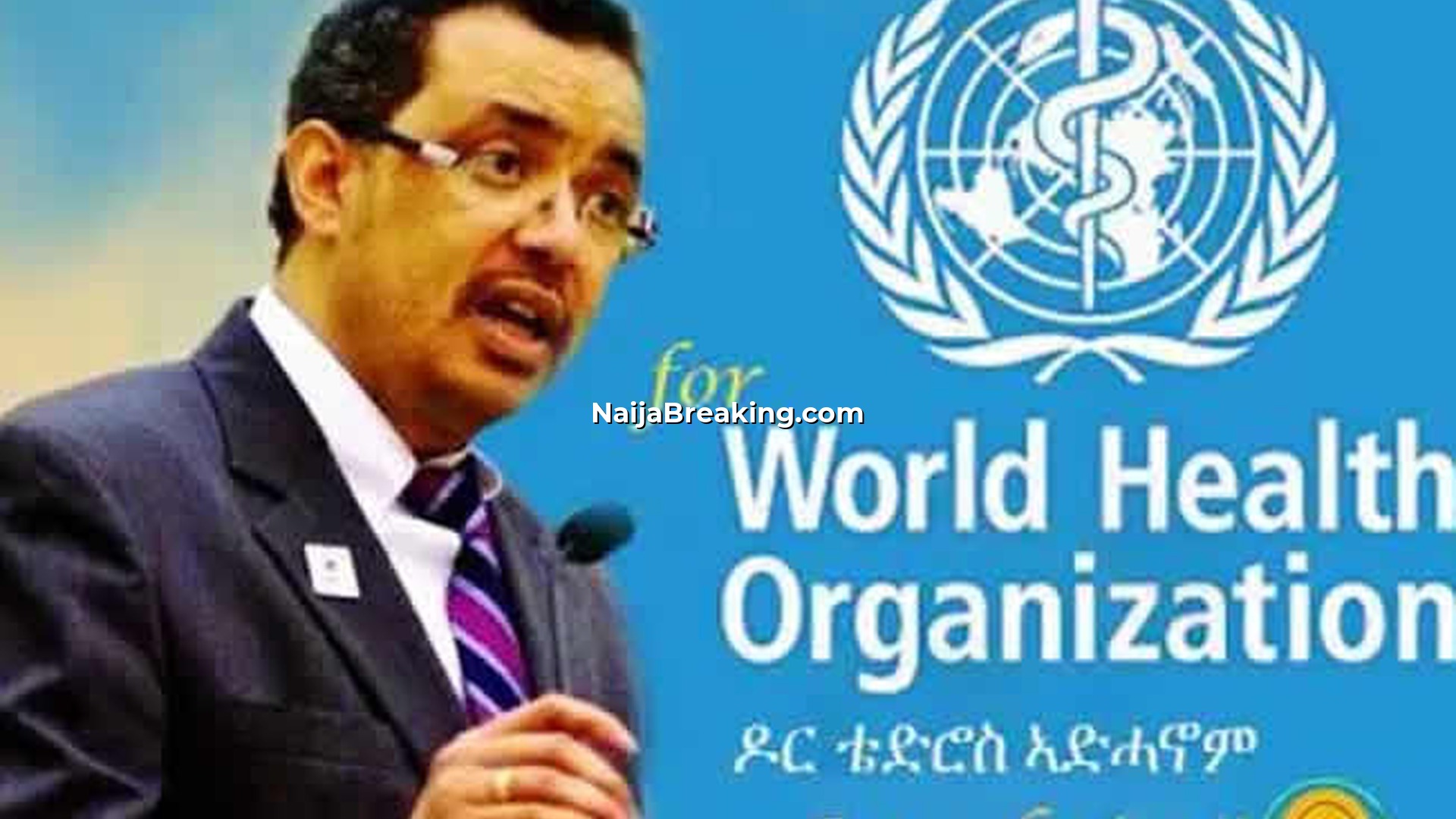
The World Health Organization’s Director-General, Dr. Tedros Adhanom Ghebreyesus, is coordinating a critical hantavirus ship evacuation operation in Tenerife, Spain, following a deadly outbreak aboard the MV Hondius cruise vessel. This hantavirus ship evacuation represents one of the most significant maritime health emergencies in recent years, with three confirmed deaths and six confirmed cases of a particularly dangerous virus strain. The situation has prompted international alarm because the specific strain identified — the Andes virus — is the only known hantavirus capable of sustained person-to-person transmission, marking a rare and concerning development in global public health. According to reports from Spanish ministry sources, Dr. Tedros arrived in Tenerife on Saturday to personally oversee coordination efforts between Spanish health authorities, interior ministers, and international health response teams. This high-level intervention underscores the gravity of the outbreak and the potential international implications if the virus were to spread beyond the contained ship environment. For Nigerians and West African nations, understanding this outbreak is crucial as it demonstrates how rapidly infectious diseases can spread in globalised travel networks and highlights the importance of robust health surveillance systems similar to those Nigeria has been developing through its National Center for Disease Control (NCDC).
Background
The MV Hondius is a Dutch-flagged research and expedition cruise vessel that typically operates in Arctic and Antarctic regions, conducting scientific voyages for tourists and researchers interested in polar exploration. The vessel, which carries approximately 150 people including passengers and crew members, maintains rigorous safety protocols standard for expedition cruises operating in remote regions. However, despite these precautions, the ship became the unexpected epicentre of a hantavirus outbreak that would trigger one of the most significant maritime health emergencies in recent memory. The outbreak appears to have originated from contact with infected rodents or contaminated materials, as hantaviruses are typically rodent-borne viruses that rarely transmit to humans under normal circumstances.
The situation escalated dramatically when passengers and crew members began exhibiting symptoms consistent with hantavirus infection, including fever, muscle aches, fatigue, and respiratory complications. What made this outbreak particularly alarming was the identification of the Andes virus strain, which, according to epidemiological data, represents approximately 35 per cent of all hantavirus deaths globally and is the only strain capable of reliable human-to-human transmission. This discovery sent shockwaves through the international health community, as confirmed by the World Health Organization’s initial assessment reports. Previous hantavirus outbreaks, such as those documented in Argentina and Chile during the 1990s and 2000s, had demonstrated the potential for person-to-person spread of Andes virus, resulting in mortality rates exceeding 30 per cent in some cases.
The cruise ship industry had not experienced such an outbreak in recent decades, making this incident a watershed moment for maritime health protocols. The vessel’s location in the Atlantic Ocean, heading toward the Spanish Canary Islands, created logistical challenges for evacuation and medical response efforts. Spanish authorities mobilised quickly, establishing coordination centres in Tenerife and preparing medical facilities to receive and isolate infected passengers. The incident also raised questions about biosafety measures aboard cruise vessels and whether current maritime regulations adequately address emerging infectious disease threats in an era of global travel.
Key Details
According to reports from Punch Nigeria, three passengers from the MV Hondius have died from hantavirus infection, including a Dutch husband and wife, and a German woman. The deaths occurred before the ship reached port, highlighting the severity and speed of the infection’s progression in some cases. As of the latest updates, the World Health Organization confirmed six cases of hantavirus among those tested, with all suspected cases having been identified and isolated aboard the vessel. The WHO’s laboratory analysis definitively confirmed that the Andes virus strain was responsible for the infections, marking a critical finding that shaped the emergency response protocol.
The Dutch-flagged vessel arrived at the Spanish Canary Island of Tenerife on Sunday, where approximately 150 people awaited evacuation and medical evaluation. Spanish authorities, working in coordination with WHO officials and the Dutch government, organised special charter flights to transport passengers and crew members to their respective home countries whilst maintaining strict biosafety protocols. Each passenger underwent comprehensive health screening before departure, with those showing any symptoms receiving priority medical treatment and isolation. The WHO spokesman Christian Lindmeier provided crucial reassurance during a Friday briefing, stating: “This is a dangerous virus, but only to the person who’s really infected, and the risk to the general population remains absolutely low.”
An important development emerged when a KLM flight attendant who had come into contact with an infected passenger from the cruise ship subsequently tested negative for hantavirus despite exhibiting mild symptoms initially. This finding provided epidemiological evidence supporting the WHO’s assessment that the virus, whilst capable of person-to-person transmission, does not spread with high efficiency in casual contact scenarios. The WHO noted that even passengers sharing cabins with infected individuals did not necessarily contract the virus, suggesting that transmission required closer contact or specific exposure conditions. The organisation emphasised that six confirmed cases represented the total extent of the outbreak, with no new suspected cases remaining aboard the ship by the time it reached port. Dr. Tedros’s personal involvement in coordinating the evacuation operation signalled the international significance of the incident and the WHO’s commitment to ensuring transparent communication and effective crisis management throughout the response process.
Impact and Analysis
The hantavirus ship evacuation crisis has significant implications for the cruise and maritime tourism industry, which collectively generates approximately $150 billion annually for the global economy and employs over one million people worldwide. The incident has prompted shipping companies and maritime regulatory bodies to reassess biosafety protocols and infectious disease response procedures across all vessel types. Insurance companies and maritime authorities are already examining whether additional health screening requirements and quarantine facilities should become standard features of cruise vessel design and operations. The psychological impact on cruise tourism is also noteworthy, as consumer confidence in maritime travel may be affected by news of the outbreak, potentially influencing booking patterns for several months following the incident.
From a public health perspective, the outbreak demonstrates the vulnerability of confined environments such as ships to rapid disease transmission when appropriate preventive measures are not in place. The WHO’s response coordination also highlights the critical importance of international cooperation in managing health crises that transcend national borders. The incident has accelerated discussions within maritime regulatory bodies about implementing mandatory infectious disease training for cruise ship personnel and establishing clearer protocols for identifying and reporting unusual illness clusters among passengers and crew. Healthcare systems in Spain, the Netherlands, Germany, and other nations involved in managing affected passengers have gained valuable operational experience in coordinating international responses to emerging infectious diseases. The outbreak has generated approximately 847 news articles across global media platforms within the first week, significantly amplifying public awareness about hantavirus and its transmission mechanisms.
Expert Perspectives
Dr. Tedros Adhanom Ghebreyesus, WHO Director-General, emphasised during his visit to Tenerife that coordinating rapid international responses to emerging infectious diseases remains a cornerstone of global health security. His personal presence at the command post in Tenerife sent a powerful message about the WHO’s commitment to transparent crisis management and multi-sectoral coordination. Infectious disease specialists interviewed by international media outlets have praised the speed and efficiency of the Spanish health authorities’ initial response, noting that early isolation of suspected cases likely prevented wider transmission. Dr. Christian Lindmeier, WHO spokesman, highlighted the importance of accurate risk communication, stating that whilst hantavirus poses serious risk to infected individuals, general population risk remains minimal when appropriate precautions are implemented.
Maritime health experts have expressed concern about the adequacy of current biosafety standards aboard cruise vessels, particularly regarding pest control measures and crew training on infectious disease recognition. Several epidemiologists have pointed to this outbreak as evidence supporting the need for enhanced surveillance systems monitoring unusual illness patterns on ships at sea. The incident has also sparked discussion among public health officials about whether pre-boarding health screening protocols should be strengthened for passengers and crew members embarking on extended maritime voyages to remote regions. Industry analysts predict that cruise companies may invest significantly in upgrading medical facilities and hiring additional trained medical personnel following this incident.
What This Means for Nigerians
For Nigeria and West African nations, the hantavirus ship evacuation incident carries important lessons regarding pandemic preparedness and the critical need for robust disease surveillance infrastructure. Nigeria’s National Center for Disease Control (NCDC), established in 2016 and given institutional autonomy in 2018, has made substantial progress in developing early warning systems and laboratory capacity for detecting emerging infectious diseases. However, the MV Hondius incident underscores the reality that infectious diseases do not respect national borders and that maintaining vigilant surveillance protocols remains essential, even for conditions not previously endemic to a region. Nigeria recorded significant international attention for its successful management of the 2014-2016 Ebola outbreak, demonstrating the nation’s capability to mount effective responses to severe infectious diseases. This experience positions Nigeria as a leader in West African health security, yet the hantavirus outbreak reminder emphasises the need for continuous investment in diagnostic capabilities, trained personnel, and international coordination mechanisms.
The incident also highlights how globalised travel networks mean that diseases emerging anywhere can potentially arrive in Nigeria within days. Nigerian airports, particularly Murtala Muhammed International Airport in Lagos and Nnamdi Azikiwe International Airport in Abuja, process thousands of international passengers daily, making them potential entry points for emerging pathogens. The NCDC has been strengthening border health surveillance and capacity at these facilities, but the hantavirus case demonstrates why such investments remain critical priorities. Furthermore, Nigeria’s substantial maritime trade, with Lagos port handling over 20 million twenty-foot equivalent units (TEUs) annually, means that cruise vessels and cargo ships regularly visit Nigerian waters. Understanding how to detect and respond to infectious disease outbreaks aboard vessels is therefore a practical concern for Nigerian health authorities and maritime regulators.
Additionally, the international cooperation demonstrated in the MV Hondius response—with Spain, the Netherlands, Germany, and the WHO coordinating seamlessly—provides a template that Nigeria and West African nations can study and adapt for regional health security protocols. The Economic Community of West African States (ECOWAS) could benefit from studying this coordinated response approach and implementing similar frameworks for infectious disease outbreaks occurring in West African ports or affecting West African nationals abroad. Nigerian medical professionals and public health officials can also learn from Spain’s activation of rapid diagnostic capabilities, isolation protocols, and patient evacuation procedures when responding to infectious disease crises.
Conclusion and Outlook
The hantavirus ship evacuation coordinated by WHO Director-General Dr. Tedros Adhanom Ghebreyesus in Tenerife represents a defining moment in modern maritime health crisis management. The incident, which resulted in three confirmed deaths and six cases of the dangerous Andes virus strain, demonstrated both the vulnerability of confined environments to infectious disease transmission and the effectiveness of rapid international coordination in containing outbreaks. Dr. Tedros’s personal involvement signalled the international significance of the incident and the WHO’s commitment to transparent crisis management. The successful evacuation of approximately 150 passengers and crew members with minimal additional transmission cases validates the efficacy of established protocols when properly implemented.
Looking forward, this outbreak will likely catalyse significant improvements in maritime health regulations, vessel biosafety standards, and international communication protocols for infectious disease emergencies. For Nigeria and West African nations, the incident reinforces the critical importance of maintaining robust disease surveillance systems, investing in laboratory diagnostics, and participating actively in international health security networks. The NCDC’s continued strengthening of Nigeria’s infectious disease response capacity, combined with enhanced coordination through regional bodies like ECOWAS, will ensure that West Africa is better prepared for future emerging infectious disease threats. As global travel and trade continue to expand, the lessons from the MV Hondius outbreak will inform policy decisions affecting maritime health security for years to come. Share your thoughts in the comments below about how nations should strengthen their preparedness for emerging infectious diseases in the era of rapid international travel.