Welsh Fire vs Southern Brave The Hundred: Phil Salt’s Heroics End Eight-Match Losing Drought
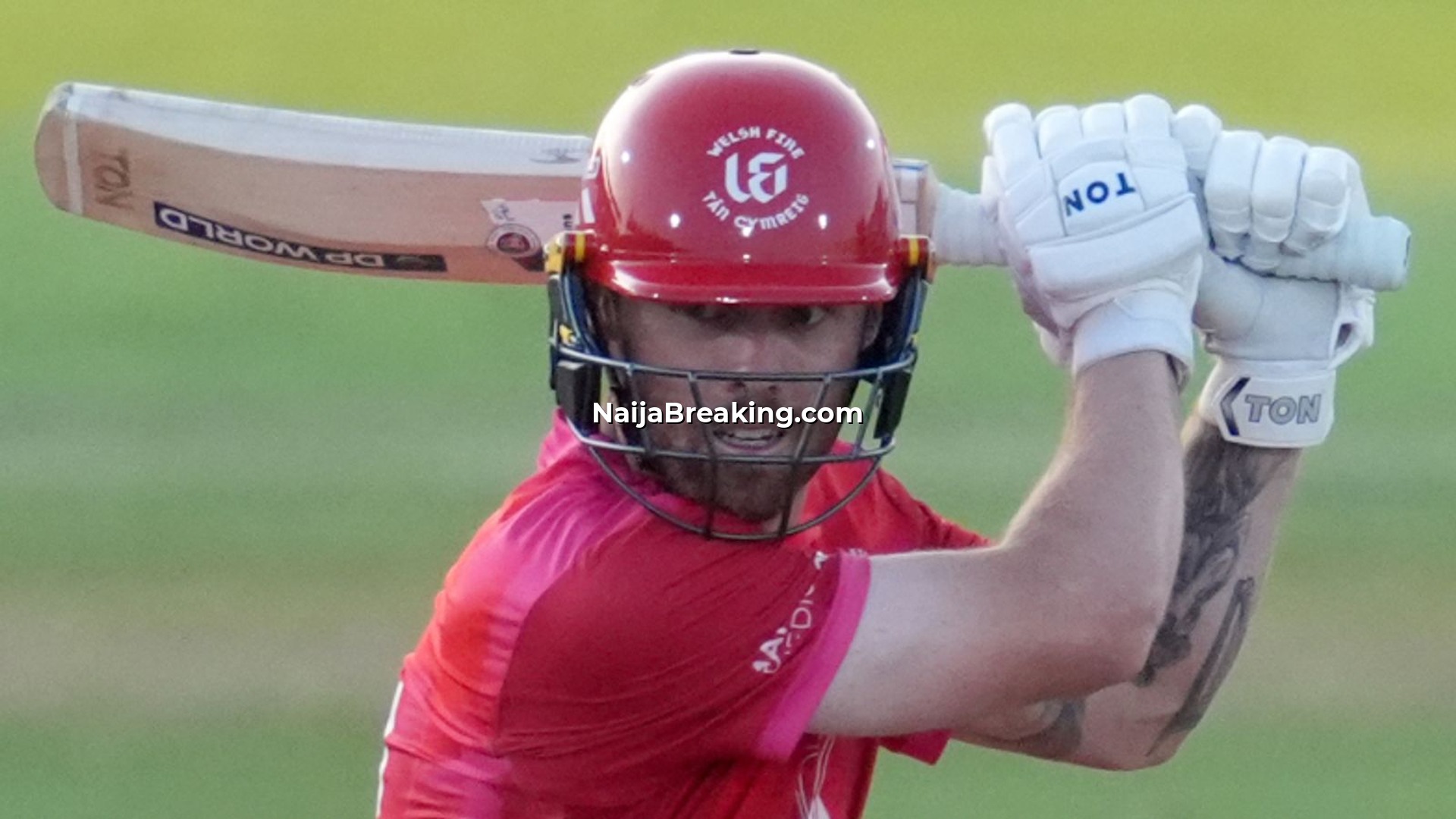
In a thrilling encounter that had cricket fans on the edge of their seats, the Welsh Fire vs Southern Brave The Hundred match showcased the pinnacle of domestic T20 cricket drama as Welsh Fire captain Phil Salt delivered a masterclass in composure and aggressive batting to guide his side to a six-wicket victory over Southern Brave in The Hundred, snapping an eight-match losing streak that had haunted the franchise since their last meeting. The victory represents far more than just a win in domestic T20 cricket—it symbolises a crucial turning point for a franchise that has struggled to find consistency in England’s premier domestic tournament throughout the season. Salt’s unbeaten 47 off 37 deliveries, punctuated by a decisive six off Chris Jordan in the final stages, proved emphatically that Welsh Fire can overcome adversity when it matters most in competitive cricket situations. According to Sky Sports coverage of this Welsh Fire Southern Brave The Hundred encounter, this victory came under genuinely challenging conditions, with Jofra Archer’s fast bowling creating significant difficulties for Fire’s batsmen throughout the chase sequence. For Nigerian cricket enthusiasts and sports followers who track international cricket developments and franchise T20 competitions, this Welsh Fire vs Southern Brave The Hundred match exemplifies the unpredictable nature of T20 cricket, where momentum, individual brilliance, tactical acumen, and psychological factors converge to determine outcomes in the most electrifying format of the modern game.
Understanding The Hundred Tournament Format and Its Significance
The Hundred, launched in 2021 by the England and Wales Cricket Board (ECB), represents a revolutionary approach to domestic cricket in England that has fundamentally changed how audiences engage with the sport at professional levels. The tournament employs a unique format—each team plays 100 balls per innings rather than traditional overs of six deliveries—designed strategically to attract newer audiences and make cricket more accessible and entertaining to casual spectators unfamiliar with traditional cricket terminology and the complexities of conventional cricket formats. This innovative structure creates a distinctly different strategic landscape compared to conventional T20 cricket, forcing captains and players to recalibrate their entire approach to batting strategies, bowling tactics, and field placement decisions throughout each innings and match situation.
The Hundred format has successfully attracted international stars to English domestic cricket, elevating the profile of franchises competing in this prestigious tournament. Teams like Welsh Fire and Southern Brave compete not only for domestic glory but also to showcase their talent to global audiences and prospective franchise T20 leagues worldwide, including the Indian Premier League and other lucrative competitions. The tournament’s structure—with matches condensed into concentrated periods across summer months—creates intense competition and high-pressure situations where individual performances often determine outcomes decisively. The format also emphasises aggressive cricket, with batsmen encouraged to play attacking shots and bowlers forced to innovate with variations to maintain control during compressed innings structures.
For the Welsh Fire Southern Brave The Hundred match specifically, understanding this format becomes crucial to appreciating the tactical decisions made by both teams throughout the encounter. The compressed nature of The Hundred means that momentum shifts rapidly, and team morale fluctuates based on individual deliveries and field placements. Welsh Fire’s eight-match losing streak prior to facing Southern Brave had created significant psychological pressure on the squad, making this particular Welsh Fire vs Southern Brave The Hundred fixture a critical opportunity for the franchise to rebuild confidence and establish positive momentum heading into the latter stages of the tournament campaign.
Welsh Fire’s Struggle Before the Southern Brave Encounter
Before the Welsh Fire Southern Brave The Hundred match that changed their fortunes, the Welsh Fire franchise had experienced a devastating run of eight consecutive defeats that threatened to derail their entire season and tournament objectives. This prolonged losing streak represented one of the most challenging periods in Welsh Fire’s history as a franchise in The Hundred competition. The accumulating losses had created a toxic atmosphere within the dressing room, with questions emerging regarding team composition, leadership decisions, and tactical approaches employed by the coaching staff throughout matches. Players were facing mounting criticism from supporters, media analysts, and cricket commentators who questioned whether the franchise possessed sufficient quality to compete effectively in The Hundred tournament alongside other domestic cricket franchises.
The losses had affected different aspects of Welsh Fire’s performance simultaneously—their batting lineups struggled to accumulate substantial run totals, their bowling attacks failed to restrict opposition batsmen adequately, and their fielding occasionally showed signs of diminished sharpness that typically accompanies losing streaks in professional sports. The combination of these factors created a vicious cycle where confidence eroded progressively with each subsequent defeat. Players who normally performed at high levels appeared tentative and uncertain in pressure situations. The coaching staff faced difficult decisions regarding team selection, balance between youth and experience, and whether to retain faith in underperforming senior players or introduce fresh faces to inject new energy into the struggling franchise.
This context makes the Welsh Fire vs Southern Brave The Hundred match especially significant, as it represented a psychological turning point rather than merely another fixture in the tournament calendar. A loss in this match would have extended the losing streak to nine games, potentially beyond recovery given the tournament’s structure and remaining fixtures available to the franchise. The pressure on Phil Salt and his teammates was genuinely immense, with job security concerns affecting senior players and questions about whether the franchise possessed the resilience to mount a comeback in the latter stages of The Hundred season.
Phil Salt’s Masterclass Performance
Phil Salt’s unbeaten 47-run innings during the Welsh Fire Southern Brave The Hundred match was not merely a statistical accomplishment—it represented a masterclass in batting under pressure, demonstrating the mental fortitude and technical excellence required to succeed in high-stakes T20 cricket encounters. The Welsh Fire captain’s innings was characterised by selective aggression, intelligent shot selection, and the ability to rotate strike effectively while maintaining the required run rate necessary for achieving the chase target. Salt’s partnership work with supporting batsmen proved crucial to Welsh Fire’s successful pursuit of Southern Brave’s total, as he managed to keep scoreboard pressure mounting while avoiding unnecessary risks that could have resulted in batting collapses.
The decisive moment in Salt’s innings came when he struck Chris Jordan for a crucial six in the final stages of the chase, a shot that exemplified his composure and confidence in pressure situations. This particular delivery demonstrated Jordan’s attempt to bowl yorker-length deliveries to restrict scoring, yet Salt’s positioning and execution proved superior. The six effectively sealed Welsh Fire’s victory in the Welsh Fire Southern Brave The Hundred encounter, providing visual confirmation that the franchise’s losing streak had finally ended. Salt’s performance highlighted why he was appointed as Welsh Fire captain—his ability to lead by example, deliver in critical moments, and maintain composure when team pressure is at maximum levels.
Beyond the statistics, Salt’s innings boosted team morale dramatically, providing psychological relief that permeated throughout the dressing room and squad. When captains perform exceptionally in crucial matches, it sends powerful messages to teammates about expectations, commitment, and the mindset required to overcome adversity. Salt’s unbeaten 47 off 37 deliveries represented an efficient scoring rate of approximately 127 runs per 100 balls, maintaining scoring acceleration throughout his innings while avoiding reckless batting that could have compromised Welsh Fire’s chase.
Southern Brave’s Bowling Attack and Match Dynamics
Southern Brave’s bowling attack, spearheaded by international fast bowler Jofra Archer, presented formidable challenges to Welsh Fire’s batting lineup throughout the chase sequence in this critical Welsh Fire Southern Brave The Hundred encounter. Archer’s reputation for rapid pace and skill variations made him a genuinely threatening proposition for any batting lineup in T20 cricket, including established franchises with quality depth. His ability to extract pace and movement from surfaces, combined with unpredictable variations, created significant difficulties for Fire’s batsmen attempting to construct a successful chase. The English fast bowler’s presence in Southern Brave’s attack elevated the franchise’s credentials as genuine tournament contenders despite their ultimate loss to Welsh Fire.
Beyond Archer, Southern Brave possessed other quality bowling options that contributed meaningfully to their efforts during the Welsh Fire vs Southern Brave The Hundred match. Chris Jordan, another international player, provided experience and skill, while the franchise’s supporting bowlers attempted to restrict Welsh Fire’s aggressive batting approach. Despite their individual quality, Southern Brave’s collective bowling effort proved insufficient on the day, with Welsh Fire’s batsmen responding constructively to challenging deliveries and gradually building momentum toward a successful chase completion.
The match dynamics revealed that while Southern Brave possessed quality individual performers capable of dominating matches, they struggled to maintain consistent pressure throughout the complete encounter. This inconsistency proved costly, ultimately determining the outcome of this crucial Welsh Fire Southern Brave The Hundred fixture in Welsh Fire’s favour. For Southern Brave, the loss represented a missed opportunity to accumulate crucial points in the tournament standings, though their performance demonstrated capability to compete against established franchises in The Hundred.
Strategic Implications for Welsh Fire’s Season
The victory against Southern Brave in the Welsh Fire vs Southern Brave The Hundred match possessed strategic implications extending beyond the immediate three points awarded for match success. First, the win halted a devastating eight-match losing streak that threatened to derail Welsh Fire’s entire tournament campaign and potentially jeopardise the franchise’s qualification prospects for later tournament stages. Second, the victory restored confidence throughout the squad, providing tangible evidence that the franchise possessed sufficient quality to compete effectively against established rivals. Third, Salt’s captaincy performance boosted his credentials as a leader capable of guiding the team through challenging periods, reinforcing the franchise’s belief in their current leadership structure.
Looking forward, the Welsh Fire Southern Brave The Hundred match success could catalyse a positive sequence of results for the franchise during the tournament’s remaining fixtures. Cricket performances frequently demonstrate momentum-dependent characteristics, where a single breakthrough victory can spark confidence-driven improvements across multiple matches. If Welsh Fire can build on this success, consecutive wins might become possible, allowing the franchise to recover lost ground in the tournament standings and potentially secure positions in later competition stages.
Comparative Analysis: Welsh Fire and Southern Brave Franchise Strengths
Comparing Welsh Fire and Southern Brave as franchise entities reveals interesting contrasts in squad composition, player calibre, and tournament strategies. The Welsh Fire Southern Brave The Hundred match highlighted differences in how these franchises approach T20 cricket and balance between international star power and emerging domestic talent development. Both franchises operate within The Hundred’s economic and structural constraints while attempting to create competitive squads capable of winning domestic tournament honours and advancing players toward international recognition.
Welsh Fire, representing Wales as a distinct cricket entity within English domestic structures, faces unique challenges in player recruitment and squad development. The franchise must compete for international talent while developing Welsh players capable of competing at the highest levels of cricket. Southern Brave, based in Southern England, enjoys geographic advantages in accessing established talent pools, yet must differentiate itself through innovative squad building and coaching approaches. The Welsh Fire vs Southern Brave The Hundred encounter demonstrated that geography and resource advantages do not automatically translate to match success in T20 cricket, where individual performances and tactical execution frequently supersede structural advantages.
Conclusion and Future Outlook
The Welsh Fire vs Southern Brave The Hundred match ultimately represented a watershed moment for Welsh Fire’s tournament campaign, transforming what could have been a season of continued despair into an opportunity for genuine recovery and advancement. Phil Salt’s unbeaten 47-run innings, delivered under immense pressure with team confidence at minimum levels, exemplified the individual brilliance that occasional emerges in cricket to alter franchise fortunes. For Nigerian cricket enthusiasts following The Hundred tournament and English domestic cricket developments, this Welsh Fire Southern Brave The Hundred fixture provided compelling evidence that T20 cricket remains unpredictable, with individual performances, psychological factors, and momentary tactical adjustments often determining outcomes between evenly matched professional teams.
As Welsh Fire progresses through remaining Welsh Fire Southern Brave The Hundred tournament fixtures and beyond, the franchise will seek to build sustained success on the foundation established by their victory against Southern Brave. The eight-match losing streak has been broken, confidence has been restored, and momentum is shifting toward positive territory. Whether this represents the beginning of a successful tournament campaign or merely a respite before further struggles remains uncertain, but for Welsh Fire supporters and franchise stakeholders, the victory provides genuine hope and renewed belief in the team’s capabilities to compete effectively in England’s premier domestic T20 tournament.