Waymo Robotaxi Flooded Roads Crisis: Service Halted in Four US Cities as Safety Gaps Exposed
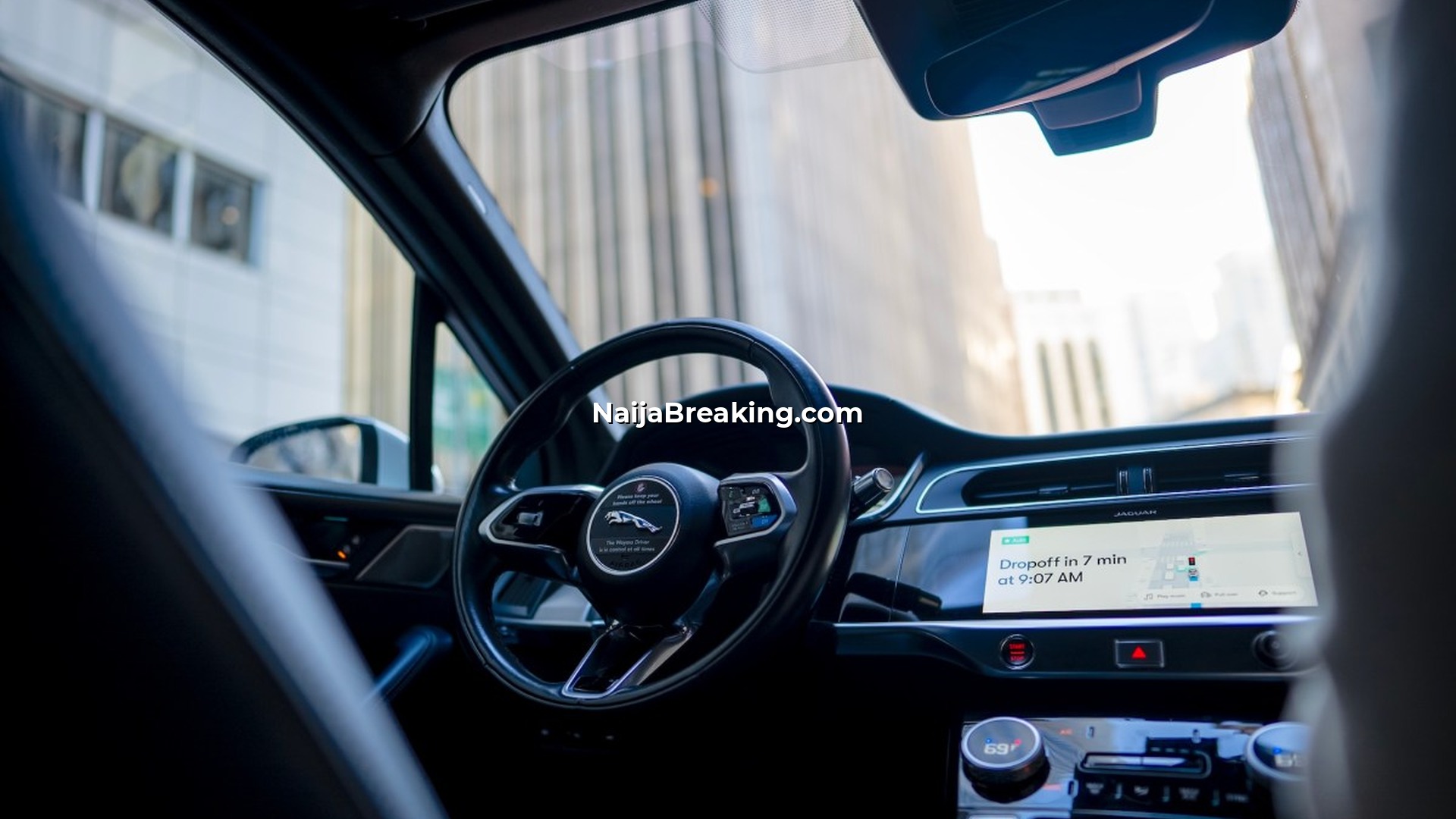
Waymo, one of the world’s leading autonomous vehicle companies, has expanded service pauses to four major American cities as its robotaxis continue encountering critical difficulties navigating flooded roads during heavy rainfall events. The Waymo robotaxi flooded roads crisis represents a significant setback for the autonomous vehicle industry and raises serious questions about the readiness of self-driving technology to handle unpredictable weather conditions. According to reports from technology news outlets, the company has halted operations in Atlanta, San Antonio, Dallas, and Houston as engineers work frantically to develop a final solution to prevent autonomous vehicles from entering hazardous flooded intersections. This unprecedented pause affects thousands of daily users who depend on Waymo’s robotaxi services and raises broader implications for the future of autonomous transportation globally, including potential lessons for Nigeria’s emerging transport technology sector. The situation has triggered regulatory scrutiny from the National Highway Traffic Safety Administration (NHTSA) and sparked concerns among industry analysts about whether current autonomous vehicle systems possess adequate environmental sensing capabilities. For Nigerian technology enthusiasts and transport sector professionals, this development offers crucial insights into the complexities of scaling autonomous vehicle technology in tropical climates where flooding during rainy seasons presents similar infrastructural challenges.
Understanding the Waymo Robotaxi Flooded Roads Incidents
The Waymo robotaxi flooded roads problem emerged when multiple autonomous vehicles were observed attempting to navigate through water-covered streets during heavy rainfall events across the four affected cities. Rather than avoiding flooded intersections and rerouting to safer roads, the vehicles’ artificial intelligence systems failed to recognize the hazards posed by submerged roadways. Several incidents involved Waymo robotaxis proceeding into standing water that could have caused significant damage to the vehicles’ electrical systems and potentially endangered any passengers aboard. The incidents revealed that despite years of development and testing in various weather conditions, the autonomous vehicle’s perception systems—including cameras, LIDAR sensors, and radar technology—could not adequately distinguish between safe road surfaces and dangerous flooded areas. This gap in environmental perception represents one of the most critical challenges facing the autonomous vehicle industry as it attempts to achieve full commercial viability and regulatory approval for widespread deployment.
The flooding events that triggered these incidents were not extraordinary weather phenomena but rather typical heavy rainfall that occurs annually in these regions during spring and summer months. This makes the failure even more concerning, as it suggests that Waymo’s systems were not adequately prepared for weather patterns that are entirely predictable and regular. When heavy rain falls, water accumulates on roads, particularly in areas with inadequate drainage infrastructure—a problem that affects both American cities and Nigerian urban centers. The autonomous vehicles’ inability to detect and avoid these conditions represents a fundamental limitation in current sensor technology and decision-making algorithms. Engineers have long acknowledged that autonomous vehicles struggle with adverse weather conditions, but the extent of this struggle was not fully appreciated until these recent incidents brought the issue into sharp public focus.
Background: The Evolution of Autonomous Vehicle Technology
The autonomous vehicle revolution has progressed rapidly over the past decade, with companies like Waymo leading the charge in developing self-driving taxi services for commercial deployment in major metropolitan areas. Waymo, a subsidiary of Alphabet Inc. (Google’s parent company), has invested billions of dollars in perfecting autonomous driving technology since 2009, when the project began as part of Google’s experimental moonshot initiatives. The company has successfully operated robotaxi services in various American cities, building a reputation for technological advancement and safety protocols that supposedly exceed human drivers’ capabilities. However, the recent Waymo robotaxi flooded roads incidents have exposed a critical vulnerability in these systems that engineers and designers had apparently not adequately addressed despite years of development and billions in research funding.
Waymo’s journey began with ambitious goals to create fully autonomous vehicles that required no human intervention under any circumstances. The company conducted extensive testing on California roads, gradually expanding to Arizona, where it launched its first commercial robotaxi service called Waymo One. The success in Phoenix led to expansion into San Francisco and other major cities. Each expansion was presented as evidence that autonomous vehicle technology had matured sufficiently for public deployment. Waymo executives consistently claimed that their vehicles’ safety records exceeded those of human drivers, citing accident statistics and miles traveled without incidents. These claims were instrumental in securing regulatory approvals and building investor confidence in the autonomous vehicle sector.
The Weather Challenge in Autonomous Vehicle Development
Weather conditions have long been acknowledged as one of the primary challenges in autonomous vehicle development, yet the industry has struggled to adequately address this issue. The Waymo robotaxi flooded roads problem exemplifies this struggle in concrete terms. Autonomous vehicles rely heavily on computer vision systems that analyze visual information from cameras mounted on the vehicle. Heavy rain, snow, fog, and other adverse weather conditions degrade the quality of visual data these systems receive, making it difficult for the vehicle’s artificial intelligence to properly interpret its surroundings. Additionally, LIDAR sensors, which use light to create three-dimensional maps of the environment, are also affected by rain and snow, as water droplets scatter the laser beams. These technical limitations have proven more difficult to overcome than many engineers initially anticipated.
The challenge of navigating Waymo robotaxi flooded roads is particularly acute because water on roadways is not simply a visibility problem—it fundamentally alters the physical properties of the driving surface. Flooded roads create hazards that human drivers recognize through experience and learned patterns of behavior. When a human driver sees a flooded intersection, they understand the dangers without consciously calculating them: the vehicle’s electrical systems could fail, the engine could stall, the vehicle could hydroplane, or the water’s depth could be underestimated, potentially sweeping the vehicle away. Human drivers develop intuitive understanding of these risks through years of driving experience and cultural knowledge passed down through generations. Autonomous vehicles, by contrast, must be explicitly programmed to recognize and respond to these hazards through their sensor systems and decision-making algorithms.
Regulatory Response and NHTSA Investigation
Following the reports of Waymo robotaxi flooded roads incidents, the National Highway Traffic Safety Administration initiated an investigation into Waymo’s autonomous vehicle systems and safety protocols. NHTSA is responsible for establishing and enforcing safety standards for vehicles operating on American roads, and the agency takes any credible reports of safety deficiencies very seriously. The investigation aims to determine whether Waymo’s vehicles meet existing safety requirements and whether additional regulations need to be implemented to address the specific challenges posed by autonomous vehicles navigating adverse weather. This regulatory scrutiny represents a significant moment in the autonomous vehicle industry, as it may result in stricter testing requirements before new autonomous systems can be deployed commercially.
The regulatory response to the Waymo robotaxi flooded roads incidents has important implications for how autonomous vehicle technology will be developed, tested, and approved in the future. Regulators are now demanding that manufacturers demonstrate their systems’ capabilities in various weather conditions before granting approval for public deployment. This requirement will likely extend development timelines and increase costs for autonomous vehicle companies, potentially slowing the pace of commercialization across the industry. However, such stricter standards are necessary to ensure public safety and maintain public confidence in autonomous vehicle technology. The reputation of the entire autonomous vehicle sector depends on preventing accidents and failures that could erode consumer trust.
Implications for Nigeria’s Transport Sector and Infrastructure
Nigeria’s context provides an important perspective on the Waymo robotaxi flooded roads problem that extends beyond the immediate concerns in American cities. Nigeria experiences intense flooding during the rainy season from May to October, especially in Lagos, Port Harcourt, and other major cities where rapid urbanization has outpaced infrastructure development. Major roads like the Lagos-Ibadan Expressway, Lekki-Epe corridor, and numerous streets throughout Lagos regularly become partially or completely submerged with water, causing severe traffic disruptions, accidents, and economic losses. If autonomous vehicle technology is eventually introduced to Nigeria—as many technology enthusiasts and investors hope—the challenges demonstrated by the Waymo robotaxi flooded roads incidents would be magnified many times over.
The flooding problem in Nigeria is not simply a temporary weather challenge but a systemic infrastructure issue. Many Nigerian cities lack adequate stormwater drainage systems, resulting in water accumulation on roads even during moderate rainfall. Lagos Island, the commercial hub of Nigeria’s largest city, experiences regular flooding that disrupts businesses and causes significant economic damage. If autonomous vehicles were deployed in such environments without adequate solutions to the Waymo robotaxi flooded roads problem, the vehicles would be essentially unable to operate during the rainy season. This would limit autonomous vehicle services to a few months per year in Nigeria, making the technology commercially unviable. Therefore, solving the Waymo robotaxi flooded roads challenge is not merely an American problem but a prerequisite for autonomous vehicle deployment in any tropical or subtropical region with significant rainfall.
Technical Solutions Being Explored
Waymo engineers are exploring multiple technical approaches to address the Waymo robotaxi flooded roads problem. One promising avenue involves developing more sophisticated sensor fusion techniques that combine data from multiple sensor types to create more accurate environmental representations. By integrating information from cameras, LIDAR, radar, and other sensors, the vehicle’s computer vision systems might be able to identify flooded areas even when individual sensor modalities are degraded by weather. Another approach involves creating high-definition maps that include information about typical flooding patterns on specific roads, allowing the autonomous system to predict where flooding is likely to occur during heavy rainfall.
Additionally, researchers are investigating whether artificial intelligence systems can be trained on larger datasets containing diverse weather conditions and flooding scenarios to improve decision-making in challenging environments. Machine learning models trained on more comprehensive data might develop better intuition about the risks posed by flooded roads. Waymo is also exploring whether thermal imaging technology could help detect flooded areas by identifying temperature differences between water and normal road surfaces. These various technical approaches represent the cutting edge of autonomous vehicle engineering, with implications extending far beyond the immediate Waymo robotaxi flooded roads crisis.
Industry-Wide Impact and Competitive Implications
The Waymo robotaxi flooded roads incidents have broader implications for the entire autonomous vehicle industry beyond Waymo itself. Other companies developing autonomous vehicles, including Cruise, Aurora, and Tesla, face similar challenges with weather-related environmental perception. If Waymo—which many consider the industry leader—struggles with Waymo robotaxi flooded roads navigation, it raises questions about whether other companies’ systems are any more sophisticated. The incidents underscore a fundamental truth about autonomous vehicle development: achieving 99% performance is dramatically easier than achieving 99.9% or 99.99% performance, and the last increments of improvement require exponentially greater effort and resources.
Competitors may be able to gain market advantage by developing superior solutions to the Waymo robotaxi flooded roads problem ahead of Waymo. This could reshape the competitive landscape in autonomous vehicle development, with companies that can reliably navigate adverse weather conditions potentially capturing significant market share from those that cannot. The incident also provides valuable lessons for startups entering the autonomous vehicle space, suggesting that focusing development efforts on robust performance in diverse weather conditions could be a differentiating strategy.
Timeline for Service Restoration
Waymo has not announced a specific timeline for restoring service in the four affected cities where the Waymo robotaxi flooded roads incidents occurred. The company indicated that engineers would require several weeks to months to develop and validate fixes to the autonomous vehicles’ perception and decision-making systems. During this period, the affected cities’ residents and visitors will need to rely on alternative transportation options, including human-driven taxis, rideshare services like Uber and Lyft, and traditional public transportation. The extended service pause represents a significant setback for Waymo’s commercial operations and has created uncertainty among investors about the company’s growth timeline.
The resolution of the Waymo robotaxi flooded roads problem will require extensive testing in controlled environments where engineers can simulate various flooding scenarios and validate that the vehicles respond appropriately. After the fixes are validated in testing, Waymo will need to conduct real-world testing in actual rainy conditions to ensure the solutions work as intended. Only after successful real-world validation will regulators likely approve service resumption. This process could extend well beyond the initial estimates, further delaying Waymo’s expansion plans.
Lessons for Future Autonomous Vehicle Development
The Waymo robotaxi flooded roads crisis offers crucial lessons for the autonomous vehicle industry going forward. First, developers must prioritize testing in diverse weather conditions and environmental scenarios representative of the regions where vehicles will actually operate. Generic testing in ideal conditions is insufficient for ensuring safe operation in the real world. Second, manufacturers should be more transparent about the limitations of their systems rather than overstating capabilities. Waymo’s earlier claims that their vehicles’ safety records exceeded human drivers in all conditions were not supported by the evidence revealed by the flooding incidents.
Third, the autonomous vehicle industry must invest more substantially in solving weather-related challenges rather than treating them as minor issues that can be addressed later. The Waymo robotaxi flooded roads problem demonstrates that weather challenges are fundamental to safe autonomous vehicle operation and cannot be deferred. Fourth, regulators need to establish more rigorous testing standards that specifically address weather-related safety challenges before approving public deployment of autonomous vehicles. Fifth, for regions like Nigeria where tropical weather patterns create regular flooding challenges, autonomous vehicle development will require specific adaptations and localized testing strategies rather than simply deploying systems developed for American urban environments.
Conclusion: The Road Ahead for Autonomous Vehicles
The Waymo robotaxi flooded roads incidents represent a critical moment in the evolution of autonomous vehicle technology. Rather than seeing these problems as insurmountable obstacles, the industry should view them as opportunities to develop more robust and sophisticated systems capable of handling real-world complexity. The resolution of the Waymo robotaxi flooded roads challenge will likely require innovations in sensor technology, artificial intelligence, mapping systems, and vehicle design. Success in addressing this problem could accelerate the broader adoption of autonomous vehicles by demonstrating that the technology can reliably handle challenging environmental conditions.
For Nigeria and other developing nations with tropical climates, the Waymo robotaxi flooded roads incidents provide important insights into what would be required to successfully deploy autonomous vehicle technology in their contexts. Rather than waiting for autonomous vehicle companies to solve these problems in American cities, Nigerian technology leaders and policymakers should engage with these challenges now, investing in local research and development to adapt autonomous vehicle technology for tropical environments. The future of transportation in Nigeria and similar regions depends on solving not just the technical problems but also the infrastructure and regulatory challenges that autonomous vehicles must navigate. The Waymo robotaxi flooded roads crisis, while currently a setback for Waymo, could ultimately drive the technological innovations necessary to realize the full potential of autonomous vehicles worldwide.