Tinubu’s Diplomatic Appointments in Nigeria: Strategic Pivot in Global Standing and International Relations
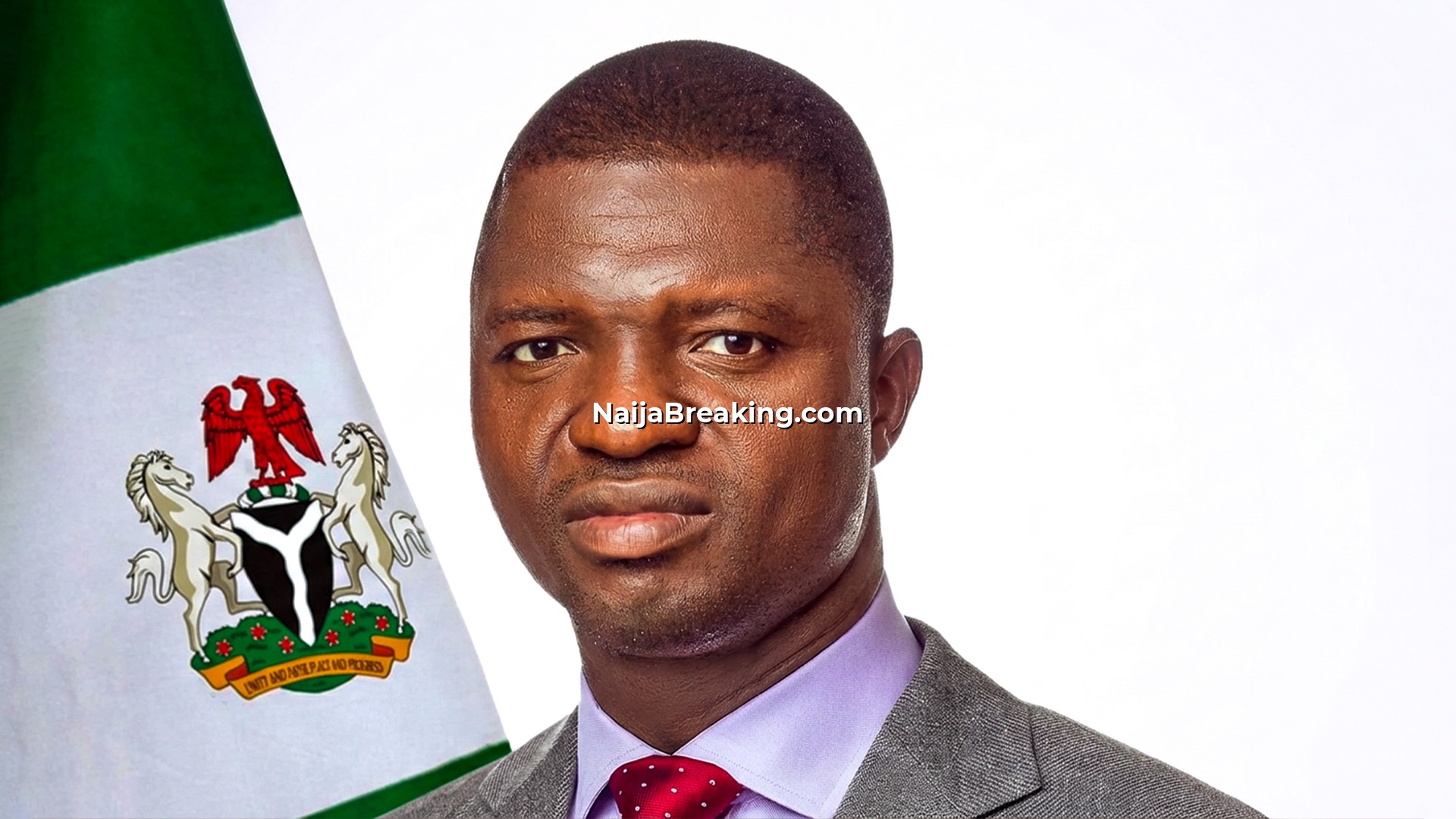
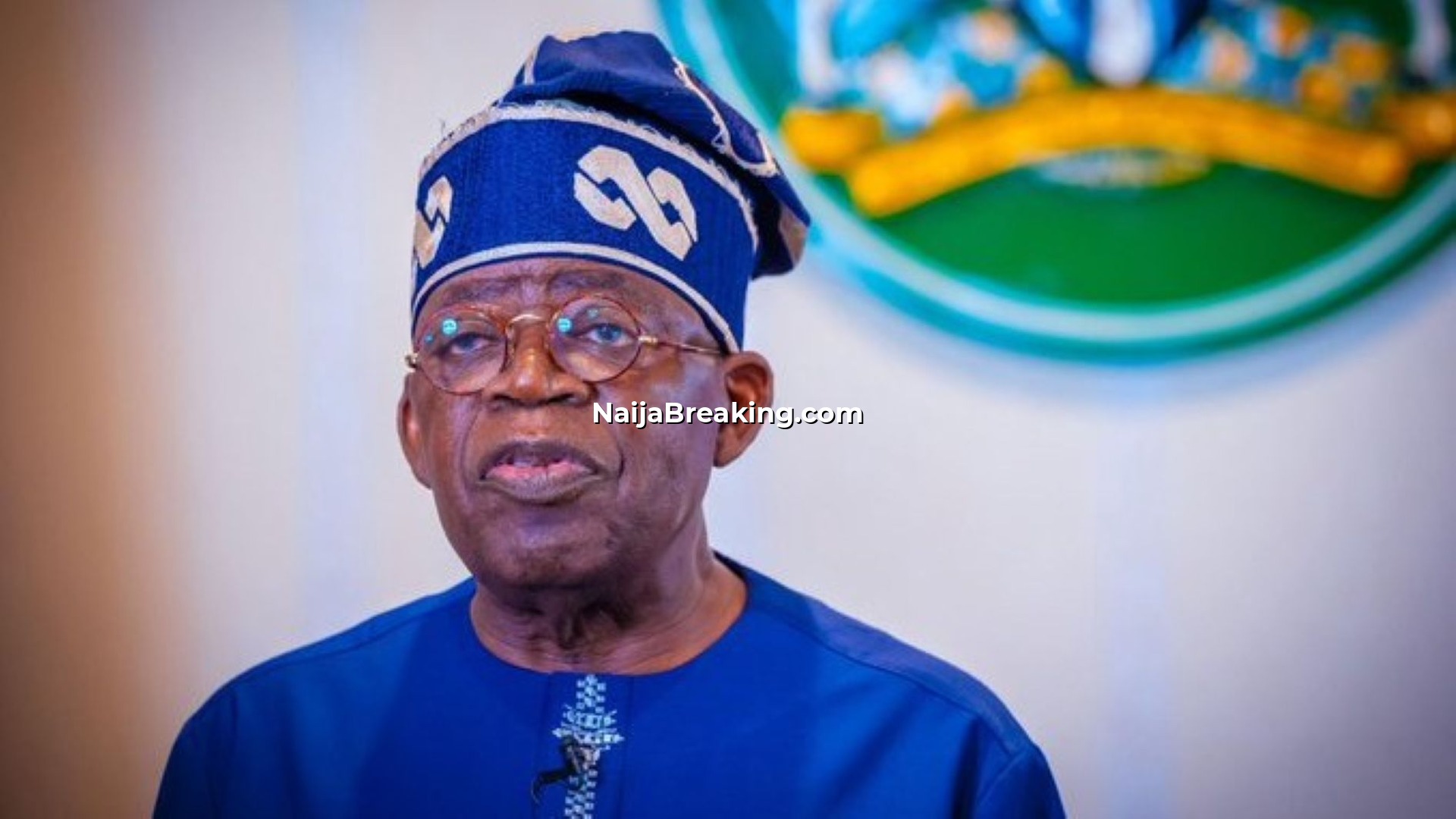
President Bola Tinubu’s recent decisions regarding diplomatic appointments in Nigeria represent a watershed moment for the country’s international engagement strategy and global positioning. The announcement of Ambassador Jimoh Ibrahim to fill Nigeria’s permanent representative position at the United Nations and Ambassador Kayode Are as envoy to the United States has generated considerable discussion about the nation’s diplomatic priorities, international relations framework, and global standing. These strategic diplomatic appointments in Nigeria come at a critical juncture when the country faces mounting economic pressures, currency volatility, security challenges in the northern regions, and the pressing need to recalibrate relationships with key international partners including developed nations, multilateral institutions, and regional African bodies. Civil society organisations, including the Civil Society Organisation on Community Advancement and Humanitarian Empowerment Initiative (CSCHEI), have praised these diplomatic appointments in Nigeria as a “demonstration of sound judgment,” suggesting that the administration is taking seriously the need to deploy experienced, respected diplomats to these mission-critical positions that will shape Nigeria’s trajectory for years to come.
The significance of these diplomatic appointments in Nigeria cannot be overstated, particularly given the timing and the calibre of individuals selected. These two positions—the permanent representation to the United Nations and the ambassadorship to the United States—represent the apex of Nigeria’s diplomatic infrastructure and represent the crown jewels of Nigeria’s foreign service apparatus. Both missions serve as critical platforms through which Nigeria advances its national interests, negotiates on matters affecting millions of citizens, attracts international investment and developmental partnerships, and positions itself strategically within the global economic and political order. The quality of individuals appointed to these roles directly impacts Nigeria’s ability to attract foreign direct investment, secure international loans on favourable terms, protect the interests of Nigerian citizens abroad, ensure that African and developing world perspectives are represented in crucial international forums, and maintain Nigeria’s positioning as a continental and regional superpower. Therefore, Tinubu’s diplomatic appointments in Nigeria signal not merely routine personnel changes but reflect deliberate and strategic choices about how the nation intends to navigate the complex, interconnected landscape of contemporary international relations.
The Multifaceted Significance of Strategic Diplomatic Appointments in Nigeria
Understanding why diplomatic appointments in Nigeria matter requires examining the multifaceted and increasingly complex roles these missions play in contemporary global affairs and Nigeria’s developmental aspirations. The United Nations mission serves as Nigeria’s primary voice in arguably the world’s most important multilateral forum, where decisions affecting global peace, security, and development are negotiated daily. Through this mission, Nigeria participates in Security Council debates on international peace and security, advocates for African interests in response to conflicts in the Middle East, Eastern Europe, and other regions, negotiates on sustainable development goals affecting billions of people across the African continent and the Global South, advocates for African and Nigerian interests in global economic policy-making, and helps shape international responses to humanitarian crises, climate change, and pandemic threats.
The United States mission holds equally strategic importance, as the US remains the world’s largest economy and a dominant political and military power. The ambassadorial position in Washington serves as the critical bridge between Nigeria and the US government, facilitating bilateral negotiations on trade agreements, security cooperation, counterterrorism operations, visa policies affecting millions of Nigerians, and technology transfer arrangements. Furthermore, the US mission provides crucial access to American capital markets, technology companies, and educational institutions that are integral to Nigeria’s development agenda. The envoy to the US also serves as a crucial advocate for Nigerian interests within American policy circles, engaging with the State Department, Congress, think tanks, and business communities that shape American foreign policy toward Africa and Nigeria specifically.
The absence of a permanent representative at the UN mission for two years before Ibrahim’s appointment represented a significant gap in Nigeria’s institutional presence at this critical forum. This hiatus meant that Nigeria’s voice was muted on crucial matters affecting global development, African interests, and international peace and security. During this period, critical resolutions were passed, international coalitions were formed, and diplomatic relationships were strengthened—all without Nigeria’s permanent presence and advocacy. The appointment of Ibrahim therefore represents not just a personnel decision but a recommitment to active engagement in global affairs and a signal that the Tinubu administration intends to elevate Nigeria’s profile in international negotiations and multilateral forums where crucial decisions affecting the nation’s future are made.
Ambassador Jimoh Ibrahim: Credentials and Strategic Importance
Ambassador Jimoh Ibrahim’s appointment to Nigeria’s permanent representative position at the United Nations brings substantial credentials and diplomatic experience to this mission-critical role. Ibrahim is a seasoned diplomat with extensive experience in international negotiations, multilateral diplomacy, and representing Nigerian interests on the global stage. His appointment signals that the Tinubu administration is serious about deploying a heavyweight diplomat who can navigate the complex corridors of the United Nations, build coalitions with other nations, and ensure Nigeria’s voice is heard on matters of critical importance. The UN mission requires not just diplomatic skills but also deep understanding of international law, security dynamics, economic negotiations, and the complex politics of the Security Council where permanent members wield disproportionate influence over global affairs.
Ibrahim’s background in international relations and diplomacy positions him well to tackle several pressing issues on Nigeria’s UN agenda. These include advocating for African representation on the Security Council, pushing for international support for Nigeria’s security challenges in the Sahel region and the fight against terrorism, negotiating for favourable terms on climate change agreements that account for developing nations’ capacities and responsibilities, and advocating for African and Nigerian interests in global economic governance structures. The diplomat will also need to manage Nigeria’s relationships with permanent Security Council members—the United States, United Kingdom, France, Russia, and China—all of whom have different strategic interests and geopolitical objectives that may align or conflict with Nigeria’s priorities on various issues.
Furthermore, Ibrahim’s appointment comes at a time when Nigeria faces significant security challenges in the northern regions, where insurgencies have displaced millions of people and created humanitarian crises requiring international attention and support. The UN mission will play a crucial role in mobilising international humanitarian assistance, securing support from other nations for counterterrorism efforts, and ensuring that Nigeria’s security challenges receive appropriate attention in international forums. Ambassador Ibrahim will also need to coordinate with UN agencies working in Nigeria on humanitarian relief, peacekeeping, and developmental programmes, ensuring that these organisations align with Nigeria’s priorities and strategies.
Ambassador Kayode Are: Strengthening Nigeria-US Relations Through Diplomatic Appointments
Ambassador Kayode Are’s appointment as Nigeria’s envoy to the United States represents another crucial component of the Tinubu administration’s diplomatic appointments in Nigeria strategy. The US-Nigeria relationship is multifaceted, encompassing security cooperation, trade and investment, educational exchanges, technology partnerships, and cultural ties. The ambassador to the United States serves as the chief architect of this bilateral relationship, responsible for negotiating trade agreements, securing military and security assistance, facilitating investment flows, managing visa policies, and addressing disputes or misunderstandings between the two governments. Are’s appointment therefore carries significant weight for Nigeria’s economic and security objectives.
The bilateral relationship between Nigeria and the United States has grown increasingly important as Nigeria faces security threats and economic development challenges. The US provides military training, intelligence cooperation, and equipment for Nigerian security forces engaged in counterterrorism operations. These security partnerships are critical for Nigeria’s ability to combat Boko Haram, Islamic State West Africa Province (ISWAP), and various armed groups operating in the country’s unstable regions. Beyond security, the US is a major source of foreign direct investment, with American companies active in Nigeria’s oil and gas sector, telecommunications, finance, and technology industries. The US also represents a crucial market for Nigerian exports and a source of technology and expertise that Nigeria needs for its economic diversification efforts.
Ambassador Are will also play a crucial role in advocacy efforts in Washington, where decisions affecting Nigeria are made daily. This includes engaging with the State Department on bilateral issues, building relationships with influential Congress members who shape US foreign policy toward Africa, engaging with American think tanks and research institutions that influence policy thinking, and networking with the American business community to encourage investment in Nigeria. The ambassador serves as the public face of Nigeria in the United States and must navigate complex political dynamics in Washington where various interest groups compete for policymakers’ attention and resources.
Strategic Context: Why These Diplomatic Appointments in Nigeria Matter Now
The timing of these diplomatic appointments in Nigeria is particularly significant given the current state of the Nigerian economy and international relations landscape. Nigeria’s economy has faced considerable headwinds in recent years, with currency devaluation, inflation pressures, unemployment challenges, and the need to attract foreign investment. These economic pressures make strong diplomatic representation in key capitals essential for attracting international funding, securing favourable trade terms, and positioning Nigeria advantageously in global economic negotiations. The World Bank, International Monetary Fund, and other multilateral institutions headquartered in Washington hold significant sway over Nigeria’s economic prospects, making strong representation in the US capital crucial.
Furthermore, Nigeria faces evolving security challenges that require international cooperation and support. The Sahel region faces increasing insurgency activity, with terrorist groups exploiting weak governance, poverty, and climate-induced migration patterns. International security cooperation, military assistance, intelligence sharing, and diplomatic support are essential for Nigeria’s security strategy. Diplomatic appointments in Nigeria that place experienced diplomats in key positions enhance the nation’s ability to mobilise international support for these security challenges. The UN mission provides a platform for Nigeria to highlight these challenges and appeal for international assistance, while the US mission facilitates bilateral security cooperation and military assistance programmes that are crucial for Nigerian security forces.
Climate change also presents mounting challenges for Nigeria, with rising sea levels threatening coastal infrastructure, desertification advancing in the north, and changing rainfall patterns affecting agriculture. These environmental challenges have significant economic and security implications, making Nigeria’s voice in international climate negotiations important. The UN mission provides a platform for Nigeria to advocate for international climate finance, technology transfer, and support for adaptation efforts that account for developing nations’ capacities and challenges. Climate change and environmental degradation are intertwined with migration, conflict, and economic development—all issues that require coordinated international responses and supportive diplomatic relationships.
Implications for Nigeria’s Global Standing and International Relations
The diplomatic appointments in Nigeria announced by the Tinubu administration carry significant implications for how the nation is perceived internationally and how effectively it can advance its interests in global forums. The appointment of experienced, respected diplomats signals to the international community that Nigeria takes its international engagement seriously and intends to play an active role in shaping global affairs rather than passively responding to decisions made elsewhere. This active engagement approach can enhance Nigeria’s soft power, attract investment and partnerships, and strengthen the nation’s voice in international negotiations.
Additionally, these diplomatic appointments in Nigeria reflect a recognition that Nigeria’s future prosperity and security depend significantly on international partnerships, trade relationships, and participation in global governance structures. By deploying strong diplomats to key missions, the Tinubu administration signals commitment to leveraging Nigeria’s position as Africa’s largest economy and regional superpower to shape international outcomes favourably. The appointments also suggest that the administration intends to repair and strengthen relationships with key international partners, particularly the US and the broader Western community, while simultaneously advancing Nigeria’s interests in African regional affairs and South-South cooperation with other developing nations.
These diplomatic appointments in Nigeria will also have domestic implications, as the effectiveness of Nigeria’s international engagement affects the nation’s economic prospects, security situation, and citizens’ quality of life. Foreign investment attracts jobs and economic growth; international security cooperation helps protect citizens from terrorism and regional instability; access to international markets supports Nigerian businesses and exports; and participation in global governance helps ensure that international policies account for Nigeria’s interests and capacities. Therefore, the quality of diplomatic appointments in Nigeria directly affects millions of ordinary Nigerians whose livelihoods depend on a stable, prosperous, and secure nation.
Conclusion: The Strategic Importance of Quality Diplomatic Appointments in Nigeria
President Tinubu’s diplomatic appointments in Nigeria representing the permanent UN mission and the ambassadorship to the United States reflect strategic thinking about Nigeria’s role in global affairs and the nation’s development trajectory. These appointments signal that the administration recognises the critical importance of strong diplomatic representation in key international forums and capitals. The individuals appointed to these positions carry significant responsibility for advancing Nigeria’s interests, protecting Nigerian citizens’ rights and interests abroad, attracting international investment and partnerships, and ensuring that Nigeria’s voice is heard in crucial international negotiations.
The diplomatic appointments in Nigeria announced by the Tinubu administration occur at a moment when the nation faces considerable challenges—economic pressures, security threats, climate change impacts, and the need to recalibrate international relationships. Strong diplomatic representation, supported by experienced professionals, is essential for navigating these challenges and positioning Nigeria advantageously in an increasingly competitive international environment. As these diplomats begin their work in their respective postings, Nigerians will be watching to see how effectively they advance the nation’s interests and contribute to Nigeria’s development and prosperity in the coming years.