
LAWMA’s Infrastructure Overhaul: Can Waste Management Lagos Finally Fix Its Persistent Crisis?
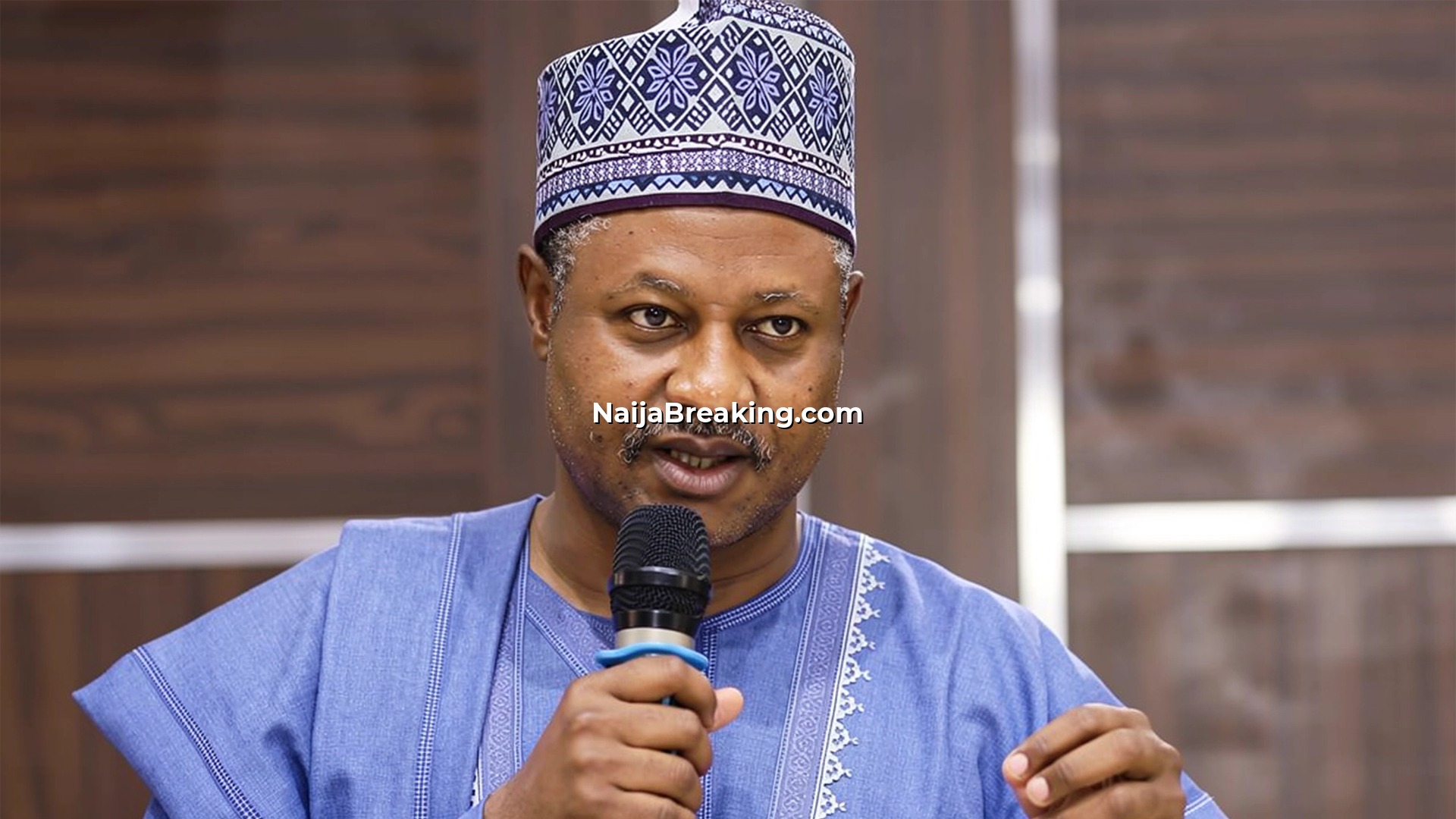
The Lagos Waste Management Authority (LAWMA) has announced a comprehensive operational overhaul aimed at tackling the persistent waste management crisis that has plagued Nigeria’s commercial capital for years. Waste management Lagos has become a critical issue as piles of refuse accumulate on streets from Ikoyi to Surulere, with residents increasingly frustrated by inadequate collection services across the megacity. The Authority’s fresh commitment to improved waste evacuation represents both a critical admission of systemic failure and a potential turning point for urban sanitation in the state. The Authority’s Managing Director, Dr. Muyiwa Gbadegesin, has outlined immediate, medium-term, and long-term interventions—including the deployment of 100 Compressed Natural Gas (CNG) compactor trucks, reopening of critical disposal infrastructure, and expanded use of transfer loading stations across Lagos. For Lagos residents already struggling with the daily indignity of overflowing waste on their streets, this initiative promises meaningful relief from years of sanitation challenges. But the critical question remains: can LAWMA actually deliver on these promises, or will this become another cycle of announcements followed by disappointing implementation? This story matters urgently because Lagos generates approximately 15,000 tonnes of waste daily, and the failure to manage it efficiently through proper waste management Lagos systems directly threatens public health, property values, environmental sustainability, and the city’s reputation as Africa’s leading business hub.
Understanding the Scale of Lagos’s Waste Management Challenge
Waste management Lagos represents one of the most complex urban challenges facing the African continent. Lagos’s waste management crisis did not emerge overnight—it is the culmination of decades of underfunding, institutional dysfunction, and the sheer scale of urban population growth that has overwhelmed existing infrastructure beyond capacity. The city’s population has exploded from approximately 1.4 million in 1970 to over 15 million today, making it Africa’s most populous metropolitan area. This explosive growth has created unprecedented demands on every municipal service, but waste management Lagos infrastructure has been particularly strained. Yet waste management infrastructure has failed to scale proportionally, leaving LAWMA chronically undersourced relative to the volume of refuse the city generates daily.
The National Bureau of Statistics (NBS) estimates that Lagos produces around 13,000 to 15,000 tonnes of waste daily, yet the capacity to evacuate and process this waste has consistently lagged behind demand by significant margins. To put this in perspective, this means that over 5.4 million tonnes of waste is generated annually in Lagos alone—equivalent to the weight of approximately 900,000 elephants. The composition of this waste is diverse: residential waste, commercial waste from shops and markets, industrial waste, and hazardous materials from healthcare facilities and manufacturing plants. Each category requires different handling procedures, yet waste management Lagos systems have traditionally treated most refuse as undifferentiated waste streams. This fundamental mismanagement of waste composition has led to environmental contamination, health hazards, and inefficient resource recovery.
When examining waste management Lagos statistics more carefully, we discover that only approximately 40-50% of generated waste is actually collected and disposed of properly. This means that roughly half of Lagos’s daily waste ends up in unauthorized dumps, waterways, vacant plots, and streets. During the 2020 COVID-19 pandemic, the situation became even more critical as medical waste generation increased dramatically while collection services struggled. The economic impact of poor waste management Lagos practices extends beyond environmental concerns—it costs businesses millions in productivity losses, property devaluation, and increased healthcare expenses from sanitation-related diseases.
Historical Context: How Waste Management Lagos Deteriorated
To understand the current crisis in waste management Lagos, we must examine how the system evolved and where interventions failed. The privatisation of waste collection through Private Sector Participants (PSPs) in the early 2000s was meant to alleviate pressure on government infrastructure and introduce market efficiency into waste management Lagos operations. The theory was sound: private companies would compete to provide better services, invest in modern equipment, and operate more cost-effectively than government agencies. However, the implementation of this waste management Lagos privatization model created a fragmented system where accountability became muddied between multiple stakeholders.
Many PSP operators lack sufficient vehicles and equipment to serve their assigned zones effectively, while LAWMA’s own fleet has aged considerably and requires massive capital investments for replacement. The Olusosun Dumpsite—Lagos’s primary waste disposal facility located in Ojota—has been a particular bottleneck in waste management Lagos efforts. Road access problems, equipment failures, and sheer congestion have made it increasingly difficult for waste evacuation trucks to offload refuse efficiently, creating a domino effect that clogs the entire waste management Lagos pipeline. During rainy seasons, these challenges intensify as flooding blocks access roads and rendering equipment immobile.
Additionally, waste management Lagos has suffered from chronic underbudgeting. LAWMA’s annual allocation has rarely been sufficient to maintain existing infrastructure, much less expand it. Between 2010 and 2019, the Authority’s budget allocation remained relatively stagnant in real terms while the city’s population and waste generation grew exponentially. This created a vicious cycle where aging equipment broke down faster than it could be repaired, leading to service gaps that private operators couldn’t fill. The private sector component of waste management Lagos, while important, cannot substitute for core government infrastructure investment and planning.
The Health and Environmental Crisis Created by Poor Waste Management Lagos
The consequences of inadequate waste management Lagos systems extend far beyond aesthetics and inconvenience. Public health professionals have documented alarming correlations between poor waste management Lagos conditions and disease transmission. When waste accumulates on streets, it attracts disease vectors including rats, cockroaches, and flies that transmit pathogens causing cholera, typhoid, dengue fever, and malaria. A 2022 study by the Lagos State Ministry of Health found that waste management Lagos deficiencies contributed to a 35% increase in waterborne disease cases during the wet season.
Informal waste dumping sites, which proliferate across Lagos due to inadequate waste management Lagos services, create additional health hazards. These uncontrolled sites often leach toxic materials into groundwater aquifers, contaminating drinking water sources for thousands of residents. Heavy metals including lead, cadmium, and mercury from electronic waste and industrial refuse accumulate in soil, entering the food chain through agricultural products grown in contaminated areas. Waste management Lagos failures thus create long-term public health impacts that extend across socioeconomic lines, though poor and informal settlement residents face disproportionate exposure.
The environmental impact of poor waste management Lagos practices is equally severe. The city’s coastal waters have become increasingly polluted with plastic waste and organic matter, killing marine ecosystems and affecting fisheries that provide livelihoods for thousands. Lagos Lagoon, once a vital ecosystem and transportation route, now contains massive floating islands of plastic refuse—a testament to systemic waste management Lagos failures. These lagoon conditions have devastating cascading effects: fishermen catch fewer fish, marine biodiversity collapses, and water quality deteriorates further. Climate change exacerbates these waste management Lagos challenges as rising water tables push contaminated groundwater toward surface sources.
LAWMA’s New Initiative: Infrastructure Deployment and Timeline
Recognizing the severity of the waste management Lagos crisis, LAWMA has unveiled an ambitious modernization plan with several key components. The deployment of 100 new CNG-powered compactor trucks represents a significant capital investment and demonstrates commitment to updating the vehicle fleet. CNG vehicles are particularly suitable for Lagos’s congested urban environment because they produce lower emissions than diesel equivalents, addressing both air quality and climate concerns related to waste management Lagos operations. These vehicles feature larger compaction capacities, meaning fewer trips are required to transport the same volume of waste.
Beyond vehicle procurement, waste management Lagos improvements include rehabilitation of transfer loading stations throughout the state. These facilities serve as intermediate collection points where waste from smaller vehicles is consolidated into larger trucks for transport to disposal sites. Properly functioning transfer loading stations significantly reduce waste management Lagos operational costs and improve efficiency. The Authority plans to establish or rehabilitate approximately 20 major transfer stations across different zones, creating multiple pathways for waste flow rather than routing everything through bottlenecked facilities.
The reopening of the Ibeshe dumpsite in Ibeju-Lekki is perhaps the most strategically significant component of the new waste management Lagos plan. With Olusosun operating below capacity due to congestion and Lekki dumpsite facing community opposition, Ibeshe provides crucial additional disposal capacity for the waste management Lagos system. This facility can handle approximately 2,000 tonnes of waste daily, significantly increasing the system’s overall throughput capacity. Additionally, the facility incorporates modern environmental safeguards including leachate management systems designed to prevent groundwater contamination—an improvement over older disposal methods that characterized previous waste management Lagos infrastructure.
Analyzing the Feasibility of LAWMA’s Waste Management Lagos Solutions
While LAWMA’s announced initiatives represent meaningful progress, several critical factors will determine whether they succeed in solving the waste management Lagos crisis. First, sustained funding is essential. The CNG truck deployment and facility rehabilitation require not just initial capital but ongoing operational funding for fuel, maintenance, spare parts, and staff salaries. Past experience with waste management Lagos projects shows that many initiatives stall when initial funding runs out or is redirected to other priorities. The Authority must secure multi-year budget commitments that survive political transitions and budgetary pressures.
Second, coordination between LAWMA and private sector participants remains crucial. Approximately 60% of waste collection in Lagos operates through PSP contracts, meaning waste management Lagos success depends on integration between public and private operations. PSP operators must be incentivized to route waste to LAWMA facilities efficiently, and performance contracts must include specific metrics and penalties for non-compliance. Previous waste management Lagos initiatives failed partly because coordination mechanisms were weak, leading to PSPs creating informal dumps rather than using official facilities.
Third, the waste management Lagos expansion must address the underlying issue of waste generation itself. Collection and disposal improvements are necessary but insufficient without complementary waste reduction, recycling, and composting programs. Currently, Lagos generates massive quantities of single-use plastics, food waste, and paper that could be diverted from disposal streams through proper waste management Lagos recycling programs. The Authority’s plans should ideally include ambitious targets for waste diversion—perhaps aiming to reduce the amount of waste entering disposal facilities by 30-40% within five years through recycling and composting initiatives.
Fourth, community engagement and behavior change are essential components of sustainable waste management Lagos improvements. No amount of infrastructure investment will solve the crisis if residents continue dumping waste illegally. This requires comprehensive public education campaigns explaining how waste management Lagos services operate, where waste should be deposited, and why proper disposal matters for public health. Many Lagos residents, particularly in informal settlements, lack information about official waste collection schedules or struggle to access collection points. Waste management Lagos solutions must address these accessibility issues through expanded service coverage and transparent communication.
Lessons from Other African Cities’ Waste Management Lagos Parallels
Examining how other major African cities have tackled comparable waste management challenges provides instructive lessons for Lagos. Accra, Ghana’s capital with a similar population and comparable waste generation rates, implemented a comprehensive waste management program including privatized collection, engineered landfills, and waste-to-energy facilities. While Accra hasn’t completely solved its waste management challenges, the integration of multiple treatment technologies has improved outcomes significantly. The city now recovers methane from landfills to generate electricity—a model that could be adapted for waste management Lagos if the political will exists.
Kigali, Rwanda’s capital, has become a continental leader in waste management through aggressive enforcement of anti-littering laws, mandatory community service for offenders, and substantial investment in waste infrastructure. While Rwanda’s governance context differs from Nigeria’s, the emphasis on enforcement combined with infrastructure investment offers lessons. Cape Town’s waste management systems, while facing their own pressures, demonstrate how integrated approaches combining landfill management, recycling programs, and hazardous waste handling create more resilient waste management Lagos-type systems. These international examples show that while the waste management Lagos challenge is severe, comparable cities have made meaningful progress through sustained commitment and integrated approaches.
Long-term Sustainability and the Future of Waste Management Lagos
For waste management Lagos to achieve lasting improvement, LAWMA’s infrastructure initiatives must be complemented by systemic reforms and innovative approaches. Waste-to-energy facilities, which convert non-recyclable waste into electricity, could provide both environmental benefits and revenue generation—a model gaining traction across Africa. Lagos’s coastal location also presents opportunities for marine waste collection and processing programs specifically addressing ocean plastic contamination. Composting facilities for organic waste, which comprises approximately 60% of Lagos’s waste stream, could reduce disposal volumes while producing valuable soil amendments for agriculture.
Digital technology can enhance waste management Lagos efficiency through GPS-tracked vehicles, optimized collection routes, and real-time monitoring of facility capacity. Mobile applications could enable residents to report uncollected waste, providing LAWMA with performance data and accountability mechanisms. Public-private partnerships structured properly could encourage private investment in innovative waste treatment technologies while maintaining public sector oversight and ensuring equitable service provision across all neighborhoods, including informal settlements that currently receive minimal waste management Lagos attention.
The informal waste recycling sector, which employs thousands of Lagos residents, must be integrated rather than marginalized in waste management Lagos improvements. These workers collect valuable materials for recycling, reducing disposal volumes and generating income. Providing collection points, safety equipment, and market linkages for informal recyclers would improve both environmental outcomes and livelihoods while reducing pressure on formal waste management Lagos facilities. Many recyclers currently operate without any relationship to LAWMA, representing unrealized potential for waste diversion.
Conclusion: Cautious Optimism for Waste Management Lagos Improvements
LAWMA’s announced infrastructure overhaul represents the most comprehensive waste management Lagos initiative in recent years, offering genuine potential for meaningful improvement. The deployment of 100 CNG trucks, reopening of critical disposal facilities, and expansion of transfer loading stations directly address documented capacity bottlenecks that have plagued waste management Lagos for years. However, success is not guaranteed, and past promises require that present actions be sustained through completion. The waste management Lagos crisis reflects not merely inadequate infrastructure but systemic challenges including chronic underfunding, coordination difficulties, population growth outpacing infrastructure expansion, and insufficient community participation in proper waste disposal.
For Lagos residents, the key question is not whether LAWMA’s plans sound impressive on paper—they do—but whether implementation will match announcements. This requires several conditions: sustained multi-year funding independent of political changes, effective coordination between public and private waste management Lagos operators, complementary waste reduction and recycling programs, community engagement campaigns, and enforcement mechanisms against illegal dumping. The environmental and public health stakes could not be higher. Lagos generates approximately 5.4 million tonnes of waste annually, and failure to manage this waste stream efficiently threatens the health of 15 million residents while undermining the city’s reputation as a continental economic powerhouse.
Waste management Lagos requires urgency, innovation, and sustained commitment. LAWMA’s current initiatives suggest that recognition of the problem has reached critical mass among decision-makers. Whether this translates into the transformative waste management Lagos improvements that residents desperately need remains to be seen. The next eighteen to twenty-four months will be crucial in determining whether 2024 represents the beginning of Lagos’s waste management renaissance or merely another cycle of unfulfilled promises. For the sake of millions of Lagos residents breathing contaminated air, living near illegal dumps, and struggling with health consequences of poor waste management Lagos systems, one can only hope that this time, the Authority’s commitment translates into concrete, sustained results.