TCN Restores Power Lagos After Grid Collapse: What This Reveals About Nigeria’s Power Crisis
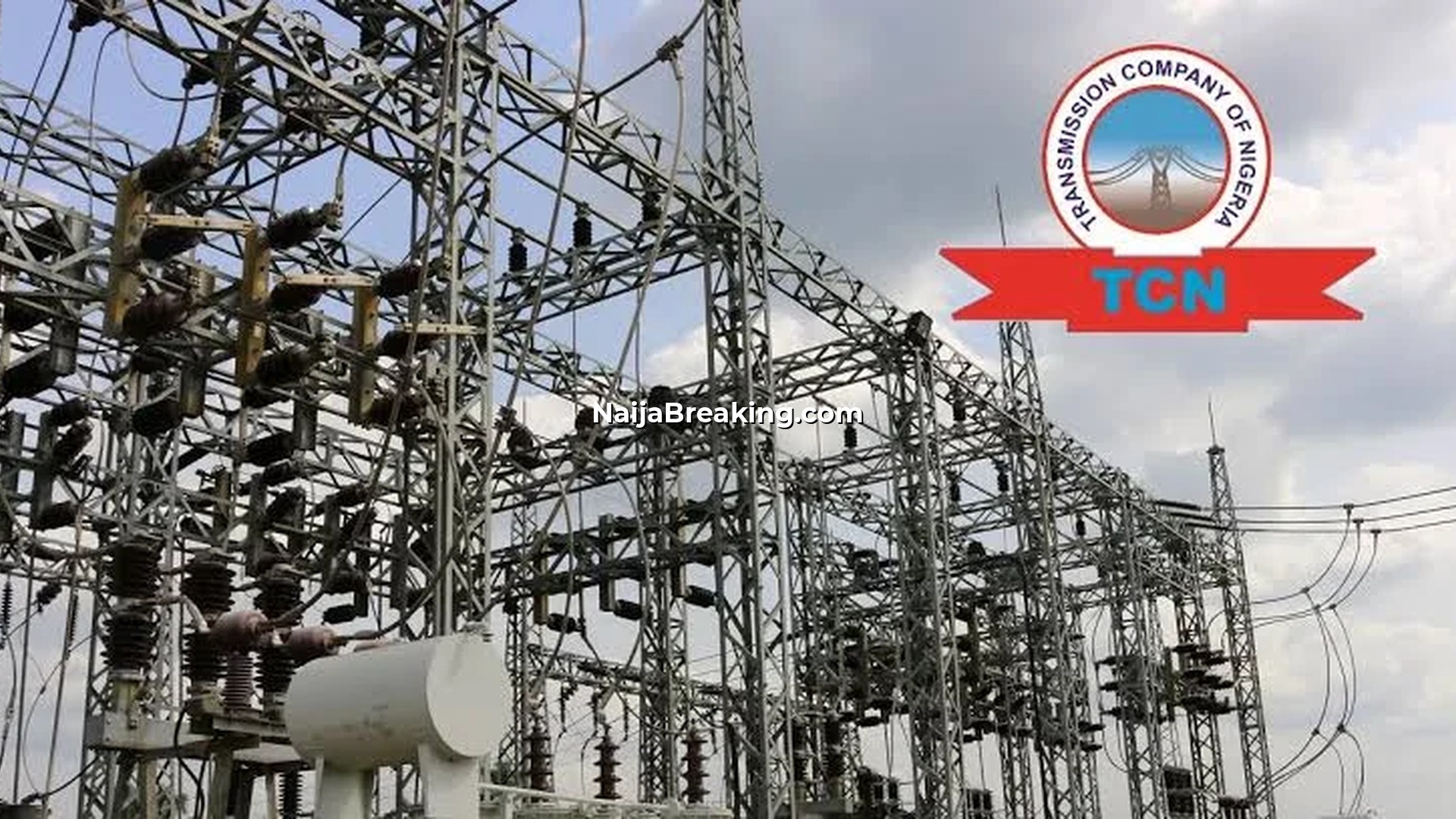
On Thursday morning, Nigeria’s national electricity grid experienced a critical failure that plunged Lagos—the nation’s economic nerve centre—into darkness, exposing the fragility of infrastructure that millions of workers, students, traders, and businesses depend on every second. The Transmission Company of Nigeria (TCN), the state-owned operator of the national grid, quickly moved to restore power to Lagos following the grid disturbance, but the incident raises urgent questions about the reliability of Nigeria’s power infrastructure at a time when the economy desperately needs stable electricity. When TCN restores power Lagos after such incidents, it provides temporary relief, yet the underlying systemic problems remain unresolved. According to reports, the outage occurred at approximately 8:19 a.m. when voltage instability spread rapidly across the Lagos corridor, causing the loss of generating stations and multiple transmission line outages. For hours, residential areas, commercial districts, hospitals, banks, and tech hubs in Africa’s fastest-growing megacity operated without stable power—a scenario that costs businesses millions of Naira daily and undermines public confidence in government’s ability to deliver basic services. This incident is not merely a technical glitch; it is a symptom of systemic weaknesses in Nigeria’s power sector that have persisted despite decades of reform promises and billions of Naira in investment.
Background: Nigeria’s Ongoing Power Crisis
Nigeria’s electricity sector has been in a state of perpetual crisis for over two decades. Despite deregulation beginning in 2013, which was supposed to attract private investment and improve service delivery, the national grid continues to experience cascading failures, voltage fluctuations, and outages that disrupt economic activity. The power sector has received considerable policy attention under successive administrations, yet structural problems persist: aging transmission infrastructure, insufficient generation capacity, poor maintenance culture, and inadequate coordination between the National Control Centre, the Nigerian Independent System Operator (NISO), and distribution companies continue to plague the system.
Lagos, as Nigeria’s commercial capital housing financial institutions, manufacturing plants, technology firms, and millions of residents, bears the brunt of these supply disruptions. The megacity’s electricity demand far exceeds what the grid can reliably deliver, and when incidents like Thursday’s voltage instability occur, the economic ripple effects are immediate and severe. Previous major grid collapses in 2020, 2021, and 2022 demonstrated that this is not a rare occurrence but a recurring pattern. Each outage erodes investor confidence, increases operational costs for businesses that must invest in backup generators, and undermines the quality of life for ordinary citizens who have grown accustomed to unreliable electricity supply. The fact that TCN restores power Lagos routinely after these incidents suggests a reactive rather than proactive approach to grid management and maintenance.
Understanding the Thursday Grid Disturbance
The grid disturbance that necessitated TCN to restore power Lagos occurred during peak morning demand hours, a critical period when residential customers were preparing for work, hospitals were running essential operations, and businesses were commencing daily activities. The voltage instability that triggered the cascade failure was preceded by subtle signs that the transmission network was operating under stress. Industrial consumers drawing heavy loads in Lagos, combined with inadequate reactive power support from generation units, created conditions for voltage collapse.
Grid disturbances of this magnitude typically originate from multiple factors working in concert. First, there is the issue of insufficient spinning reserves—the capacity of generation units running on standby to quickly compensate for sudden load changes or generation losses. Nigeria’s generation fleet operates at tight margins, meaning there is limited buffer capacity when unexpected events occur. Second, the transmission network itself exhibits vulnerabilities. Many transmission lines serving Lagos date back decades and operate beyond their design capacity. Inadequate maintenance schedules mean that components deteriorate gradually, increasing the likelihood of failure. Third, the coordination mechanisms between different operational units at TCN—specifically between the control centre operators and field personnel—sometimes fail to respond swiftly enough to prevent cascading failures. When voltage begins to decline rapidly, operators must implement load shedding (controlled blackouts) in a coordinated sequence to prevent the entire grid from collapsing. If this procedure is delayed or executed improperly, the whole system can go down, which is precisely what happened.
The 8:19 a.m. timing of the disturbance is significant because it occurred during a critical period when demand was rising sharply as the city woke up. Morning demand ramps are notoriously difficult to manage on weak grids because the rate of change of demand exceeds the capacity of generation units to respond. This is where the adequacy of generation and transmission planning becomes crucial. Nigeria’s power sector has systematically underinvested in both areas, and the consequences become visible during events like Thursday’s outage.
The Impact of Power Outages on Lagos Economy
When TCN restores power Lagos after an outage, the economic impact has already been felt across numerous sectors. Lagos generates approximately 30 percent of Nigeria’s GDP, and any disruption to its power supply has national economic ramifications. During the hours when power was unavailable, financial markets experienced disruptions as trading platforms at the Nigerian Exchange and banking operations struggled to function. Hospitals dependent on grid power for critical equipment—operating theatres, intensive care units, diagnostic facilities—had to rely on backup generators, incurring additional fuel costs and operational strain. Manufacturing plants throughout the state, already operating at higher costs due to unreliable electricity, suffered production losses and could not fulfill export commitments.
The technology sector, which has emerged as a bright spot in Nigeria’s economy, was particularly affected. Lagos hosts thousands of tech startups, software development companies, and digital service providers. These businesses require consistent, high-quality power for server operations, development work, and customer service delivery. Each outage forces them to activate backup power systems, increasing overhead costs that directly impact profitability and competitiveness. Many tech companies have expanded their backup power investments as a result of grid unreliability, effectively paying twice for electricity—once to the distribution company and once to maintain costly backup generators.
Transportation systems also suffered. Lagos’s fuel supply chain depends on functional electricity for pumping stations, processing facilities, and distribution networks. When TCN restores power Lagos, the resumption of normal operations in these critical sectors is essential for preventing secondary crises. Residents also faced significant hardship during the outage. Traffic signals malfunctioned, creating dangerous conditions on major roads. Water supply was disrupted because pumping stations lost power. Refrigerated food and medicines spoiled in homes and businesses. These consequences extend far beyond economic metrics—they affect public health, safety, and social stability.
TCN’s Response and Power Restoration Process
When TCN restores power Lagos after a grid collapse, the process is not instantaneous. The transmission operator must follow a structured procedure to bring the system back online safely. First, operators assess the extent of the damage—which generating units tripped offline, which transmission lines are damaged, and what the current status of the grid is. This assessment phase typically takes minutes but requires careful analysis to ensure that restored power does not immediately trigger another cascade failure. Next, operators coordinate with generating stations to gradually bring units back online. This process must be sequential and carefully paced because sudden application of large loads can destabilize the grid again if generation capacity is insufficient.
The restoration of transmission lines is another critical step. Some lines may have physical damage requiring field inspection before they can be energized. Other lines may have protective relays that must be manually reset. Distribution companies (DisCos) must also participate in the restoration process by carefully bringing their networks back online in stages to prevent overloads. The entire process of fully restoring power to a major city like Lagos typically takes several hours, during which partial supply may exist in some areas while others remain without power. This uneven restoration creates frustration among residents and businesses.
On Thursday, TCN’s technical teams worked to restore power Lagos following the 8:19 a.m. disturbance. Within hours, bulk power supply had been restored to major load centers, though full restoration to all customers took longer. The speed of restoration depends partly on the extent of damage and partly on the effectiveness of coordination between TCN’s control centre and the operational teams managing individual substations and transmission lines. Industry observers have noted that Nigeria’s restoration procedures, while generally sound in theory, sometimes suffer from implementation gaps due to staffing limitations, inadequate training, and communication breakdowns.
Systemic Issues in Nigeria’s Power Sector
While the technical competence of TCN’s personnel in managing the restoration was commendable, the broader question remains: why do these cascading failures continue to occur? The answer lies in deep structural problems that have been identified repeatedly in sector analyses but never adequately addressed. First, Nigeria’s generation capacity remains insufficient relative to demand. Current operational capacity hovers around 4,000-4,500 megawatts, while peak demand exceeds 6,500 megawatts. This chronic shortfall means the grid operates under stress, leaving minimal room for equipment failures or sudden demand spikes.
Second, the transmission infrastructure serving Lagos and other major demand centers is stretched beyond sustainable limits. Many lines operate at or near their thermal limits, meaning they cannot carry additional power without risk of overheating and tripping offline. Investments in transmission expansion have lagged behind demand growth, creating bottlenecks that constrain power flow and increase system stress. When TCN restores power Lagos after each outage, the underlying transmission constraints remain unresolved, making future outages inevitable.
Third, generation mix remains problematic. While Nigeria has invested in renewable energy in recent years, hydroelectric generation—which provides environmental benefits and regulatory stability—has been limited by water availability in recent seasons. Natural gas-fired generation, which should form the backbone of Nigeria’s thermal generation, suffers from inadequate gas supply, poorly maintained plants, and insufficient investment. The government’s stated commitment to achieving significant renewable energy capacity has progressed slowly due to financing challenges and project implementation delays.
Fourth, maintenance culture throughout the power sector remains deficient. Scheduled maintenance of generation units and transmission equipment is often deferred due to budget constraints or prioritization of immediate operational concerns. This deferred maintenance shortens equipment lifespan, increases failure rates, and amplifies the likelihood of cascading failures. A well-maintained power system can often tolerate single equipment failures without systemic collapse. Nigeria’s under-maintained system cannot.
The Need for Comprehensive Sector Reform
The recurring pattern of grid collapses and the subsequent need for TCN to restore power Lagos repeatedly demonstrates that incremental improvements are insufficient. Comprehensive sector reform is required. This must include significant investment in generation expansion, particularly focusing on sustainable sources. Renewable energy must be developed at scale, supported by grid modernization investments that include battery storage to address intermittency challenges. Transmission infrastructure requires substantial expansion and modernization, particularly in corridors serving major demand centers like Lagos.
Additionally, the institutional framework of Nigeria’s power sector needs strengthening. The Nigerian Electricity Regulatory Commission (NERC) requires enhanced enforcement authority to compel generation companies and distribution companies to meet performance standards. System planning must be improved through more robust demand forecasting and capacity planning. Training and development of personnel throughout the sector is critical—the technical expertise to operate a modern grid must be continuously developed and updated.
Financial sustainability is another crucial element. The power sector cannot depend indefinitely on government subsidies. Cost-reflective tariffs, while challenging politically, are necessary to generate revenues for investment and maintenance. Simultaneously, support for vulnerable populations must be structured through targeted subsidies rather than general price controls that constrain sector finances.
Conclusion: Beyond Temporary Fixes
The Thursday morning grid disturbance that necessitated TCN to restore power Lagos has temporarily faded from headlines, but the underlying crisis persists. Each time TCN restores power Lagos after outages, there is a brief window of renewed focus on the power sector’s challenges before attention shifts elsewhere. This cycle must be broken through sustained commitment to sector transformation. The economic cost of unreliable electricity is measured in billions of Naira in lost productivity, increased business expenses, and foregone investment. The social cost is measured in disrupted healthcare services, traffic accidents, and reduced quality of life. The political cost is measured in lost public confidence and delayed development. Nigeria cannot achieve its aspirations for economic growth and social development without a reliable, efficient, and sustainable power system. The challenge is substantial, but the imperative is clear: meaningful power sector reform must move from promise to implementation, and Lagos—as Nigeria’s economic engine—must have priority in this transformation.