NNPC Audit Probe N210 Trillion: Senate Overturns Arrest Warrant in Nigeria’s Oil Sector Crisis
In a dramatic reversal that exposes deep fractures within Nigeria’s legislative oversight mechanisms, the Senate has overturned an arrest warrant issued against former NNPC boss Mele Kyari in what many observers describe as a pivotal moment in the broader NNPC audit probe N210 trillion investigation. Just 48 hours after a Senate committee issued the arrest warrant, the full Senate intervened with a stunning reversal, marking a significant turning point in what has become one of the most contentious investigations into the oil sector in recent memory. The NNPC audit probe N210 trillion centres on disputed financial entries exceeding N210 trillion in the Nigerian National Petroleum Company Limited’s accounts from 2017 to 2023—a figure so staggering it represents roughly 40 per cent of Nigeria’s annual federal government budget. This clash between a Senate committee and the full Senate chamber reveals not just a disagreement over procedure, but fundamental questions about how Nigeria will hold its largest state-owned enterprise accountable, and whether political considerations will continue to trump fiscal transparency at the highest levels of government.
The intervention by Senate President, with support from influential lawmakers, demonstrates that even when committees act decisively on issues affecting public funds, the broader legislative body can still step in to protect individuals or restrict investigations on grounds of due process. For Nigerians already frustrated by the slow pace of accountability in major corruption cases and the apparent immunity of senior officials, this development signals a troubling pattern: robust investigations begin with dramatic gestures—arrests, invitations, threats—but often stall when they reach figures with political protection or institutional clout. The question now is not simply whether Kyari will face arrest, but whether the Senate committee’s investigation into the NNPC audit probe N210 trillion discrepancy will have any teeth at all. Understanding this crisis requires examining the history of NNPC financial management, the specific allegations, the legislative struggle, and what this means for Nigeria’s future accountability mechanisms.
The NNPC Audit Probe N210 Trillion: Understanding the Scale of the Crisis
The NNPC audit probe N210 trillion investigation represents one of the largest financial accountability questions in Nigerian corporate history. To comprehend the significance of N210 trillion in the NNPC audit probe, it is essential to place this figure in context. Nigeria’s federal government budget for 2023 was approximately N20.5 trillion, meaning the disputed entries in the NNPC audit probe N210 trillion investigation amount to more than ten times the annual national budget. This is not a rounding error or a minor accounting discrepancy—it represents a fundamental challenge to understanding where critical national resources have gone.
The Auditor-General of the Federation (AGF) has, for years, flagged unresolved audit observations in NNPC accounts, with entries that could not be properly justified or reconciled. These observations in the NNPC audit probe N210 trillion case are not merely accounting technicalities; they represent potential misappropriation of public funds on a scale that could reshape Nigeria’s economic trajectory if fully investigated and resolved. The entries span from 2017 to 2023, covering periods under different leadership but primarily during Mele Kyari’s tenure as Group Chief Executive Officer. For Nigerian taxpayers and citizens dependent on oil revenue for social services, education, and infrastructure, the NNPC audit probe N210 trillion question cuts to the heart of national development: are the proceeds from our most valuable resource being properly managed and accounted for?
The specific nature of the disputed entries in the NNPC audit probe N210 trillion investigation remains partially shrouded in technical accounting language, but emerging reports suggest these include unreconciled transactions, entries without proper supporting documentation, and transfers that lack clear justification or business rationale. When auditors cannot trace where money has gone or why specific entries were made, it raises legitimate concerns about potential fraud, mismanagement, or intentional obfuscation. The NNPC audit probe N210 trillion case has become a litmus test for whether Nigeria’s institutions can effectively investigate even the most powerful state-owned enterprises and their leadership.
Background: The NNPC and Nigeria’s Oil Sector Accountability
The NNPC, rebranded as NNPCL following the Petroleum Industry Act (PIA) of 2021, has been at the centre of Nigeria’s economic fortunes and, frequently, its financial controversies. The oil sector generates over 90 per cent of Nigeria’s foreign exchange and remains the backbone of government revenue, making transparency and accountability in NNPC operations a matter of national security and development. Mele Kyari led the organisation through a period of significant transformation, including the PIA restructuring and a transition toward commercialisation, yet his tenure was marked by persistent questions about financial management and auditor-general observations that foreshadowed the current NNPC audit probe N210 trillion crisis.
Under Kyari’s leadership, the NNPC underwent substantial operational changes. The PIA 2021 transformed the organisation from the traditional NNPC structure into NNPCL, a commercial entity meant to operate on market principles while remaining wholly owned by the federal government. This transition was positioned as a modernisation effort that would improve efficiency, attract investment, and enhance profitability. However, critics argued that the commercialisation process lacked adequate transparency and oversight mechanisms, creating space for financial irregularities. The NNPC audit probe N210 trillion investigation can be partially understood as a consequence of these structural changes and the questions they raised about accountability during the transition period.
Kyari’s tenure also coincided with significant volatility in global oil prices, the challenges of the COVID-19 pandemic, and internal restructuring that altered financial reporting mechanisms. While some of these factors provide context for understanding financial management challenges, they cannot excuse the level of financial discrepancies now being questioned in the NNPC audit probe N210 trillion case. The role of an auditor-general and oversight committees is precisely to identify and clarify such discrepancies, which is why the Senate committee’s initial action in pursuing the NNPC audit probe N210 trillion investigation represented an important exercise of legislative responsibility.
The Senate Committee Investigation: Initial Actions in the NNPC Audit Probe N210 Trillion
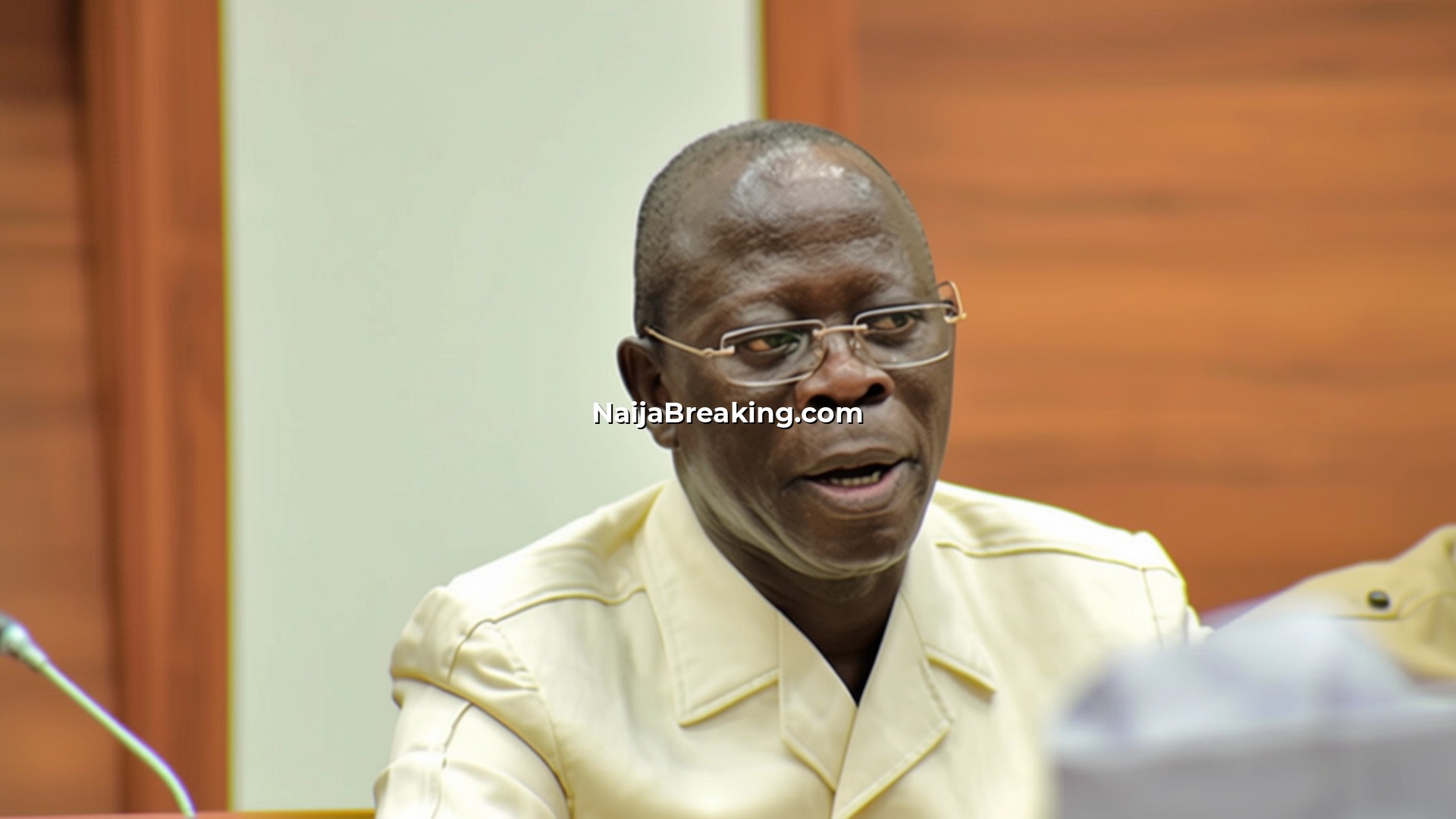
The Senate committee responsible for auditing NNPC affairs initiated a formal investigation into the NNPC audit probe N210 trillion matter after reviewing reports from the Auditor-General’s office. The committee, chaired by Senator Adams Oshiomhole, took what many regarded as an appropriately aggressive stance: summoning Kyari for questioning and, when deemed necessary, issuing an arrest warrant. This action signaled that the committee intended to treat the NNPC audit probe N210 trillion investigation with the seriousness it deserved, rather than allowing it to disappear into bureaucratic channels where such matters often languish indefinitely.
The arrest warrant issued against Kyari was not a casual or impulsive act; it represented a deliberate decision by the committee that the former NNPC boss needed to be compelled to appear and answer questions about the NNPC audit probe N210 trillion discrepancies. Kyari’s initial non-compliance with invitations to appear before the committee prompted the escalation. From the committee’s perspective, the NNPC audit probe N210 trillion investigation could not proceed effectively without direct testimony from someone in Kyari’s position, who would have possessed knowledge of transactions and decision-making processes during the period in question.
For supporters of accountability and transparency, the committee’s actions in pursuing the NNPC audit probe N210 trillion investigation represented exactly what should happen when massive financial discrepancies are discovered: serious investigation, compulsory testimony, and a demonstrated willingness to pursue even powerful figures. The warrant was scheduled to be executed, and the NNPC audit probe N210 trillion case appeared poised to move forward with genuine momentum. This moment lasted barely two days before the Senate intervened.
The Senate Reversal: Political Intervention in the NNPC Audit Probe N210 Trillion Case
The full Senate’s decision to overturn the arrest warrant in the NNPC audit probe N210 trillion investigation came swiftly and decisively, with the Senate President and his allies citing concerns about due process, harassment, and the proper procedures for legislative oversight. While these concerns warrant consideration, the timing and manner of the intervention raised questions about whether political considerations were driving the decision rather than legal principle. If due process concerns were paramount, why were these concerns not raised before the warrant was issued? Why the need for an emergency reversal that suggested panic or political pressure?
Several senior lawmakers who supported the reversal of the arrest warrant in the NNPC audit probe N210 trillion case argued that summoning someone to appear before a committee is one thing, but issuing arrest warrants is another—that such measures should be reserved for deliberate contempt or flight risk situations. They contended that the NNPC audit probe N210 trillion investigation could proceed through other mechanisms without resorting to arrest. Critics of the Senate’s reversal, however, pointed out that Kyari had already ignored committee invitations in the NNPC audit probe N210 trillion matter, demonstrating reluctance to cooperate voluntarily, which arguably justified the warrant.
The political dynamics at play in the NNPC audit probe N210 trillion case are complex. Mele Kyari is not merely a former functionary; he is connected to political networks and powerful interests within Nigeria’s ruling establishment. Some lawmakers who benefited from relationships during his tenure, or who feared what investigations into NNPC affairs might ultimately reveal about broader oil sector governance, had incentives to constrain the NNPC audit probe N210 trillion investigation. The Senate reversal can be read as an exercise in protecting institutional interests and political allies at the expense of transparency.
Financial Implications: What N210 Trillion Means for Nigeria
To fully appreciate the stakes in the NNPC audit probe N210 trillion case, Nigerians must understand what N210 trillion represents in practical terms. This is not an abstract accounting problem; it concerns real resources that could have been allocated to hospitals, schools, roads, and social welfare programs. If the NNPC audit probe N210 trillion in disputed entries were somehow recovered and properly accounted for, the impact on Nigeria’s development trajectory could be profound.
Consider what N210 trillion could accomplish: it could fund the complete overhaul of Nigeria’s healthcare system, establish world-class educational institutions in every state, rebuild the nation’s infrastructure, or provide substantial capital for industrial development and job creation. The fact that such resources are unaccounted for in the NNPC audit probe N210 trillion case represents not merely a problem for accountants and auditors, but a national tragedy affecting the quality of life for 200 million Nigerians. Every citizen should be invested in ensuring the NNPC audit probe N210 trillion investigation proceeds thoroughly and fairly, regardless of political considerations.
Implications for Accountability and Governance
The Senate’s intervention in the NNPC audit probe N210 trillion case sends a troubling message about accountability in Nigeria’s highest institutions. If even a Senate committee’s investigation into the NNPC audit probe N210 trillion discrepancies can be overturned by political pressure, what hope exists for investigating lower-level officials or less politically connected figures? The decision creates a hierarchy of accountability in which powerful individuals and institutions can more easily insulate themselves from investigation, while ordinary citizens and lower-ranking officials face stricter scrutiny.
For international observers and potential investors evaluating Nigeria’s governance standards, the handling of the NNPC audit probe N210 trillion case provides concerning signals. Multinational corporations and institutional investors increasingly factor governance quality and accountability into investment decisions. When a nation’s legislature appears unwilling to thoroughly investigate massive financial discrepancies in its largest state-owned enterprise, confidence in the broader institutional framework deteriorates.
The Path Forward for the NNPC Audit Probe N210 Trillion Investigation
Despite the Senate’s reversal of the arrest warrant, the NNPC audit probe N210 trillion investigation need not be abandoned. The Senate committee can continue its work through alternative mechanisms: formal written interrogatories, subpoenas for documents, invitations extended with clear consequences for non-compliance, and cooperation with other institutions such as the Economic and Financial Crimes Commission (EFCC) or the Independent Corrupt Practices and Other Related Offences Commission (ICPC). The NNPC audit probe N210 trillion case is too significant to allow political considerations to derail accountability entirely.
The Auditor-General’s office, which originally flagged the irregularities that sparked the NNPC audit probe N210 trillion investigation, can also continue its official audit work. The AGF possesses statutory authority to investigate NNPC accounts and can pursue the NNPC audit probe N210 trillion matter through proper auditing channels. Additionally, civil society organisations, journalists, and academic institutions can apply pressure to ensure that the NNPC audit probe N210 trillion investigation receives appropriate attention and resources.
Conclusion: The Unfinished NNPC Audit Probe N210 Trillion Reckoning
The Senate’s decision to overturn the arrest warrant against Mele Kyari represents a setback for those committed to rigorous investigation of the NNPC audit probe N210 trillion discrepancies, but not necessarily a fatal blow to accountability. Nigeria’s institutions remain imperfect, and political considerations will always influence legislative action to some degree. However, the NNPC audit probe N210 trillion case is too consequential to allow temporary political manoeuvres to obscure its ultimate resolution. The N210 trillion in disputed entries represents a claim on Nigeria’s future, and citizens deserve to know the truth about where these resources have gone and why they were not properly accounted for in the first place.
The NNPC audit probe N210 trillion investigation must continue through multiple channels and with sustained pressure from civil society. The Senate committee can modify its tactics while maintaining its commitment to the investigation. International partners and development institutions should express concern about the integrity of the NNPC audit probe N210 trillion process. And Nigerian citizens must remain engaged, demanding that their representatives prioritise accountability over political convenience. Only through sustained commitment to the NNPC audit probe N210 trillion investigation can Nigeria hope to recover the transparency and integrity its oil sector requires for genuine development and progress.