
Ogun Motorcycle Union Late-Night Operations Warning: AMORAN Chairman Issues Critical Safety Directive Amid Rising Insecurity
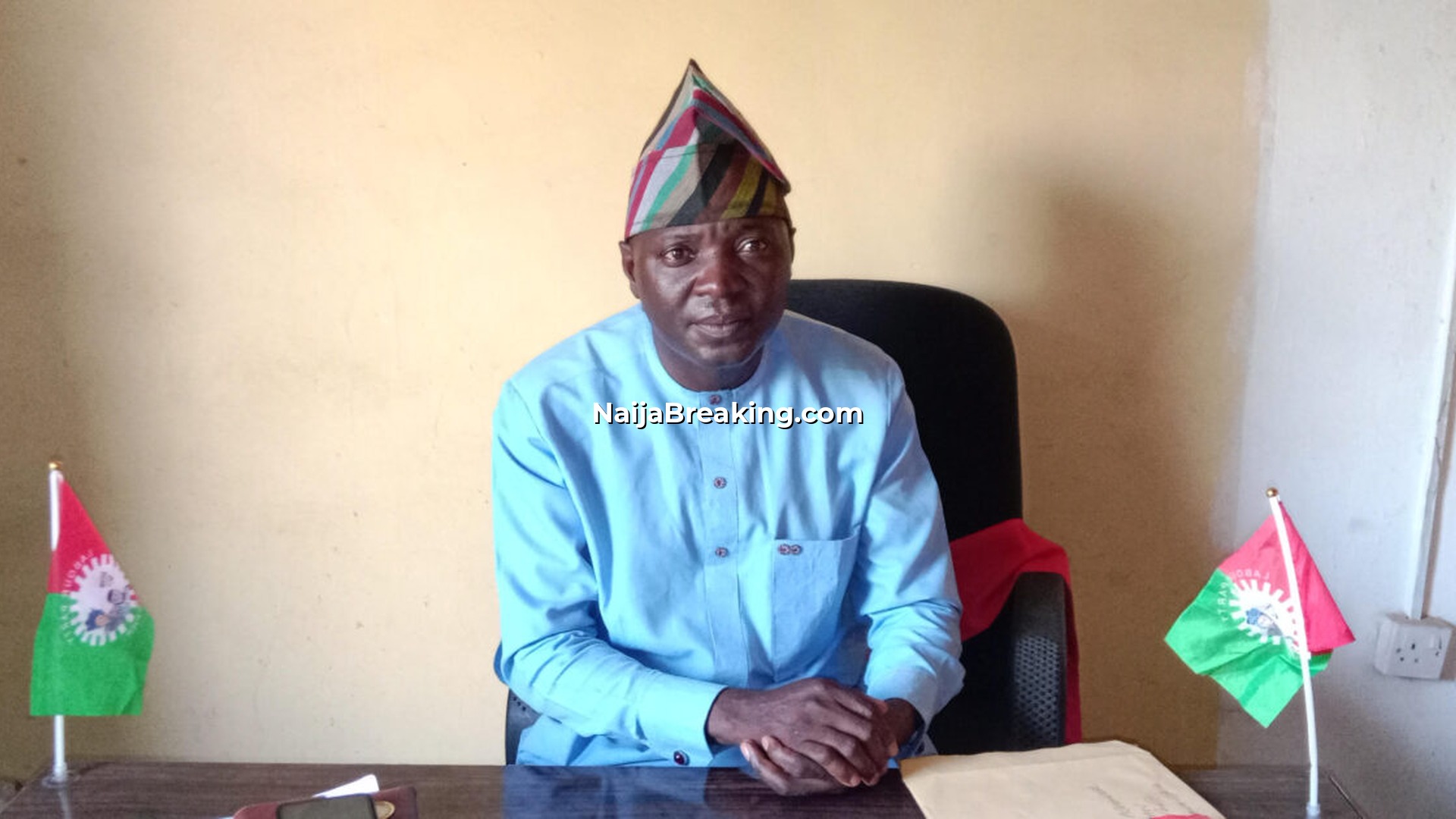
The Articulate Motorcycle Owners and Riders Association of Nigeria (AMORAN), Ogun State chapter, has issued a critical directive that has sent ripples through Nigeria’s informal transport sector. This motorcycle union late-night operations warning represents a pivotal moment in how private sector associations are responding to the nation’s security challenges. During his second-term inauguration on Saturday, AMORAN Chairman Taofeek Sokoya, popularly known as “Danku,” stressed that motorcycle riders must prioritise personal safety and adopt proactive security measures, including avoiding the transportation of suspicious passengers and closing motorcycle union late-night operations between 8pm and 9pm daily. This warning reflects a growing concern within Nigeria’s informal transport sector—which employs millions across the country and generates significant economic activity—about the intersection of commercial necessity and personal security in an environment where banditry, kidnapping, and armed robbery have become increasingly sophisticated. The directive on motorcycle union late-night operations signals that even essential service providers are becoming collateral victims of the broader security crisis that has plagued Nigeria since 2021.
The AMORAN motorcycle union late-night operations directive is particularly significant because it demonstrates how insecurity is forcing informal sector unions to implement self-regulation measures that ordinarily would fall within the purview of government security apparatus. For Ogun State, a critical economic hub neighbouring Lagos and a gateway to the southwest, the warning underscores how even essential service providers are becoming increasingly vulnerable to criminal activities. The motorcycle union late-night operations ban implemented by AMORAN reflects the union’s commitment to protecting its members from preventable risks that have escalated dramatically in recent years. The motorcycle transport ecosystem—comprising ride-hailing services, commercial motorcycle operators, and last-mile delivery networks—represents a crucial economic lifeline for millions of Nigerians, yet operators face unprecedented operational risks that threaten both their livelihoods and their personal safety. As we examine this critical story further, it becomes abundantly clear that the AMORAN warning about motorcycle union late-night operations is not merely a union directive; it is a signal of how deeply insecurity has penetrated Nigeria’s economic fabric and how private sector associations are being forced to assume quasi-security roles in the absence of effective government intervention.
Understanding the Motorcycle Union Late-Night Operations Crisis in Ogun State
Nigeria’s motorcycle transport sector has evolved dramatically over the past two decades, transforming from a largely unregulated informal service into a critical component of the nation’s urban mobility infrastructure. The rise of commercial motorcycle operations—popularly known as “okada” in Nigerian parlance—accelerated following the economic diversification pressures of the early 2000s, when unemployment drove millions into self-employment through transportation services. By 2020, the National Bureau of Statistics (NBS) estimated that the transportation sector, including motorcycle operations, employed over 3.5 million Nigerians, with informal transport accounting for approximately 70% of all movement in major urban centres. However, this expansion occurred largely without corresponding safety infrastructure, regulatory frameworks, or comprehensive security coordination mechanisms that could protect riders engaged in motorcycle union late-night operations.
Ogun State, specifically, has emerged as one of Nigeria’s critical transportation hubs due to its geographical proximity to Lagos, the commercial nerve centre of the nation, and its role as a gateway to other southwestern states. The state’s motorcycle transport network facilitates the movement of goods, services, and people across multiple local government areas, connecting rural communities to urban centres and enhancing economic accessibility. This critical role has made motorcycle riders—particularly those engaged in motorcycle union late-night operations—essential workers in the state’s economic ecosystem. However, the very factors that make Ogun State economically important have also made it increasingly susceptible to criminal activities. The state’s status as a transit hub means that criminal elements, including bandits fleeing enforcement in Lagos and other states, often operate along major routes, targeting vulnerable road users including motorcycle riders engaged in late-night transportation services.
The AMORAN leadership’s decision to address motorcycle union late-night operations reflects a sophisticated understanding of the security dynamics affecting the transport sector. Ogun State has recorded numerous incidents of motorcycle riders being robbed, attacked, or worse, during late-night operations. These incidents have not only resulted in loss of lives and property but have also created a climate of fear that threatens to undermine the viability of the entire informal transport ecosystem. The motorcycle union late-night operations warning issued by Chairman Sokoya represents a data-informed response to observable patterns of criminal activity that peak during late-night hours when police visibility is reduced and criminal elements have greater operational freedom.
The AMORAN Directive: Content and Implications of the Motorcycle Union Late-Night Operations Ban
Chairman Taofeek Sokoya’s directive on motorcycle union late-night operations encompasses several specific recommendations designed to reduce risks faced by riders. The primary component involves the cessation of motorcycle union late-night operations between 8pm and 9pm daily—a window that, according to AMORAN’s analysis, coincides with increased criminal activity. This recommendation is not arbitrary but is based on pattern analysis of criminal incidents reported within Ogun State and across southwestern Nigeria. The directive also emphasises heightened vigilance when accepting passengers, with specific instructions to avoid transporting individuals whose behaviour appears suspicious or whose destination requests seem unusual. These recommendations reflect a sophisticated approach to risk management that acknowledges the limitations of government security provision while empowering individual riders to implement personal security protocols.
The motorcycle union late-night operations restriction also addresses a critical gap in Nigeria’s formal security architecture. Government security agencies, already stretched across multiple fronts, have limited capacity to provide real-time protection for individual motorcycle riders operating across dispersed routes. By implementing self-regulation through the AMORAN motorcycle union late-night operations directive, the union is essentially creating a supplementary security system that leverages collective decision-making and shared intelligence. Riders who adhere to the motorcycle union late-night operations guidelines are part of a coordinated system where information about dangerous routes, criminal gang activities, and security incidents can be rapidly disseminated through union networks. This collective approach to security management represents an innovative adaptation to Nigeria’s security challenges and demonstrates how informal sector organisations can contribute to community safety.
The economic implications of the motorcycle union late-night operations restriction are significant. Many riders depend on late-night operations to maximise their daily earnings, as demand for transportation services often peaks during evening and night hours when people are commuting from work or engaging in leisure activities. By restricting motorcycle union late-night operations, AMORAN is asking members to sacrifice a portion of their potential income in exchange for improved personal safety. This represents a genuine cost-benefit calculation that acknowledges economic necessity while prioritising human security. However, the directive also reflects AMORAN’s judgment that the risk to life and property from criminal activities during motorcycle union late-night operations outweighs the potential financial gains that can be realised during these hours.
The Broader Security Context: Why Motorcycle Union Late-Night Operations Have Become Increasingly Dangerous
To understand the urgency behind AMORAN’s motorcycle union late-night operations directive, one must examine the broader security landscape in Ogun State and southwestern Nigeria. Since 2021, the region has experienced a dramatic escalation in criminal activities, including armed robbery, kidnapping, and banditry. These crimes have evolved from spontaneous, individual criminal acts into organised operations conducted by well-armed, coordinated criminal networks. Several factors have contributed to this deterioration in security, making motorcycle union late-night operations particularly vulnerable to criminal predation.
First, the proliferation of small arms and light weapons across Nigeria has provided criminal networks with unprecedented firepower. Motorcycle riders, who lack protective equipment or means of resistance, are particularly vulnerable to armed robbers. Unlike vehicles with secure compartments or locked doors, motorcycles offer no physical barriers between the rider and potential attackers. This inherent vulnerability is magnified during late-night operations when visibility is reduced and criminal elements can more easily launch surprise attacks. The motorcycle union late-night operations warning essentially acknowledges this vulnerability and seeks to minimise the frequency with which riders expose themselves to this risk.
Second, the economic desperation affecting large segments of Nigeria’s population has driven recruitment into criminal networks. Young men facing unemployment, limited educational opportunities, and diminished economic prospects are increasingly attracted to criminal organisations that offer immediate financial rewards. For these individuals, motorcycle riders—perceived as carrying cash from fares and, in some cases, delivering valuable goods—represent relatively easy targets. The motorcycle union late-night operations hours, when activity is reduced and police presence is minimal, create optimal conditions for criminal activities against riders.
Third, the migration of criminal organisations across state lines has affected regions like Ogun State that serve as transit corridors. Criminal gangs based in one state may operate across multiple jurisdictions, making coordinated law enforcement responses difficult. This interstate dimension of Nigeria’s security crisis means that motorcycle union late-night operations in Ogun State are affected not only by local criminal elements but also by transnational criminal networks that operate with sophisticated logistical support. The AMORAN directive on motorcycle union late-night operations represents a recognition of these complex security dynamics and an attempt to protect members from threats operating at multiple levels.
Chairman Sokoya’s Leadership and the Union’s Response Framework
Taofeek Sokoya’s emergence as AMORAN chairman in Ogun State reflects a shift toward more proactive, security-conscious leadership within Nigeria’s motorcycle transport unions. The directive on motorcycle union late-night operations, issued during his inauguration speech, was not an ad-hoc response but rather a central component of his platform for addressing rider safety. Sokoya’s approach demonstrates an understanding that effective union leadership in the current security environment requires going beyond traditional labour advocacy to include personal security measures and risk management protocols. The motorcycle union late-night operations restriction is part of a broader framework of safety initiatives that Sokoya has championed during his tenure.
The AMORAN framework extends beyond the motorcycle union late-night operations restriction to include several other protective measures. These include: establishing communication networks where riders can report suspicious activities or dangerous routes in real-time; creating mutual aid systems where union members assist colleagues facing emergencies; developing relationships with local community security organisations and law enforcement agencies; and maintaining a comprehensive database of incidents affecting union members to inform future policy decisions. The motorcycle union late-night operations directive, therefore, should be understood not as an isolated measure but as one component of a comprehensive security and safety strategy implemented by AMORAN leadership.
Sokoya’s leadership has also emphasised the importance of rider education and awareness. The motorcycle union late-night operations directive includes educational components designed to help riders understand the security risks they face, recognise warning signs of potential criminal activity, and implement effective evasive or protective strategies. This educational approach reflects a recognition that security is not merely a matter of restrictive rules but of building a culture of safety awareness and collective responsibility within the union membership.
Economic Implications of Restricting Motorcycle Union Late-Night Operations
The directive restricting motorcycle union late-night operations carries significant economic implications for individual riders, the transport sector, and the broader Ogun State economy. For individual riders, the restriction means reduced earning potential. Studies on informal transport operations in Nigeria suggest that late-night operations can account for 20-35% of daily earnings for motorcycle riders. The motorcycle union late-night operations ban therefore represents a substantial income reduction for compliant members, potentially affecting their ability to meet daily expenses, support dependents, and maintain their motorcycles. For riders living on the economic margins—which describes a significant portion of Nigeria’s motorcycle transport workforce—this income reduction can be the difference between financial stability and economic hardship.
However, AMORAN’s judgment is that the costs of motorcycle union late-night operations in terms of personal safety risks outweigh these economic benefits. This represents a value judgment that prioritises human security over short-term economic gain. The union’s position implicitly argues that a rider who is robbed, injured, or killed during late-night operations has suffered a loss far exceeding any potential income benefit from those operations. Furthermore, the directive suggests that compliant riders will achieve superior long-term economic outcomes by preserving their safety and capacity to work, rather than taking excessive risks during motorcycle union late-night operations that could result in catastrophic personal harm.
For the broader transport sector, the motorcycle union late-night operations restriction may have ripple effects. Consumers and businesses that depend on late-night motorcycle transportation services will face reduced availability and potentially higher prices as supply decreases. This could affect businesses that rely on evening or night-time delivery services, and may inconvenience consumers who prefer late-night transportation options. However, the union’s calculation is that these broader economic costs are justified by the security benefits achieved through the motorcycle union late-night operations restriction.
Government Response and the Need for Complementary Security Measures
While AMORAN’s directive on motorcycle union late-night operations demonstrates private sector initiative in addressing security challenges, effective crime prevention ultimately requires government action. The directive essentially represents a temporary measure that acknowledges the limitations of current government security provision while creating space for more comprehensive policy responses. The Ogun State government, recognising the vulnerability of motorcycle riders and the importance of the transport sector to economic activity, should implement complementary measures designed to support the AMORAN motorcycle union late-night operations directive with enhanced law enforcement activity.
Effective complementary measures would include increased police visibility on major motorcycle routes during evening and night hours; deployment of traffic management and community security personnel specifically trained to protect transport sector workers; implementation of rapid response systems for reporting and responding to crimes against riders; and establishment of secure rest points or stations where motorcycle riders can take breaks during long journeys and access emergency assistance if needed. These government measures would work synergistically with the AMORAN motorcycle union late-night operations directive to create a comprehensive security framework protecting riders and the broader transport sector.
Conclusion: The Motorcycle Union Late-Night Operations Directive as a Model for Sector Safety
The AMORAN motorcycle union late-night operations directive issued by Chairman Taofeek Sokoya represents a significant development in how Nigeria’s informal transport sector is adapting to contemporary security challenges. Rather than accepting vulnerability as inevitable, the motorcycle union late-night operations restriction demonstrates proactive, data-informed decision-making designed to protect union members from identifiable security risks. The directive acknowledges that government security provision, while essential, is currently insufficient to protect all citizens engaged in economic activities, and that private sector organisations must implement supplementary safety measures.
The motorcycle union late-night operations framework also suggests important lessons for other informal sector organisations facing similar security challenges. By combining restrictive measures (limiting motorcycle union late-night operations hours) with educational initiatives, information-sharing networks, and advocacy for government action, AMORAN has developed a comprehensive approach to sector safety that might serve as a model for other industries. The motorcycle union late-night operations directive demonstrates that effective safety measures need not be purely regulatory; they can incorporate elements of mutual aid, collective decision-making, and adaptive management.
As Ogun State and Nigeria more broadly continue to grapple with security challenges, the motorcycle union late-night operations directive issued by AMORAN will likely evolve. The success of this measure will depend on compliance rates among union members, effectiveness of the underlying security analysis that identified late-night hours as high-risk periods, and the degree to which government agencies implement complementary measures to enhance overall transport sector security. Ultimately, the motorcycle union late-night operations warning represents both an acknowledgment of present security challenges and an assertion that organised collective action, even within the constraints imposed by limited government capacity, can meaningfully improve safety outcomes for vulnerable workers in Nigeria’s informal economy.