
US Lawmakers Push Tighter Nigeria Aid Restrictions Amid Security Concerns
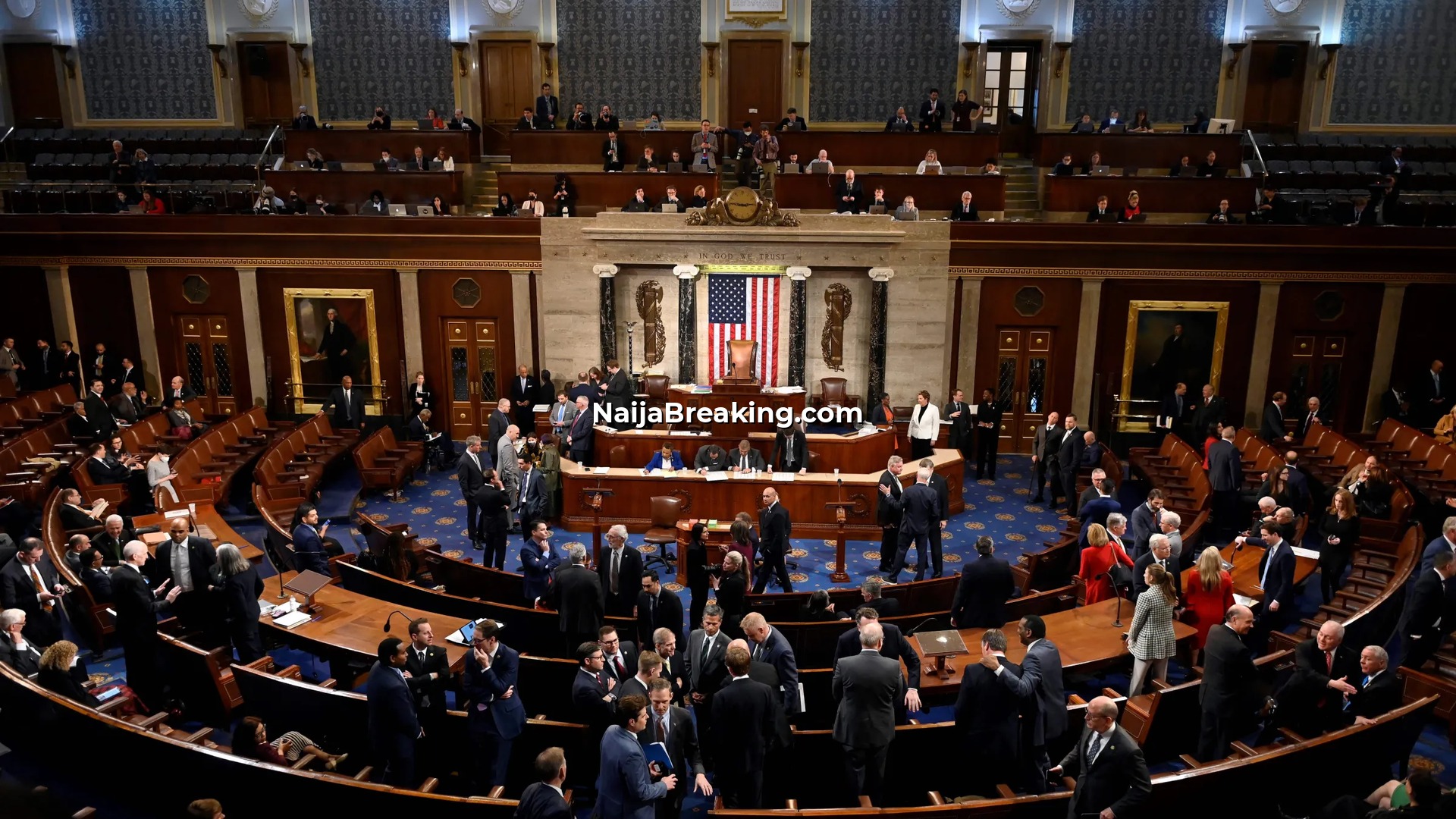
United States lawmakers have initiated a significant policy shift that threatens to impose stricter Nigeria aid restrictions, citing mounting security concerns, governance challenges, and alleged diplomatic lobbying efforts directed at Congress. This development represents a critical turning point in the bilateral relationship between Washington and Abuja, with far-reaching implications for Nigeria’s development agenda and security sector funding. According to reporting on the matter, the proposed restrictions would tie American financial assistance to concrete security and governance improvements, marking a departure from previous unconditional aid frameworks. The Nigeria aid restrictions proposal has sparked considerable debate among policymakers, development experts, and civil society organisations, who view the move as both a potential catalyst for institutional reform and a threat to critical humanitarian programmes operating across Nigeria’s most vulnerable regions. U.S. Congressman Riley Moore has become the public face of this legislative push, announcing provisions in a State Department funding bill that could fundamentally reshape how America supports Nigeria going forward. For Nigerian citizens already grappling with economic hardship and security challenges, this development introduces additional uncertainty about the resources available for addressing the country’s pressing humanitarian and developmental needs. The implications of these proposed Nigeria aid restrictions extend beyond mere budgetary concerns, touching on fundamental questions about national sovereignty, human rights accountability, and the effectiveness of conditionality-based development assistance in fragile states.
Background
Understanding the context of these proposed Nigeria aid restrictions requires examining the trajectory of US-Nigeria relations and the evolving security landscape that has prompted congressional concern. For decades, the United States has been one of Nigeria’s largest bilateral development partners, channelling billions of dollars into various sectors including defence, healthcare, education, and governance initiatives. However, the persistent and escalating security challenges across Nigeria—particularly in the Northeast with Boko Haram and Islamic State West Africa Province (ISWAP), the Northwest with banditry networks, and the Middle Belt with communal and sectarian conflicts—have increasingly drawn the scrutiny of Washington policymakers. These security crises have resulted in thousands of deaths annually, displaced millions of Nigerians, and created one of the world’s largest humanitarian emergencies, forcing questions about the effectiveness of existing aid frameworks and whether current assistance levels are producing tangible security improvements. The frequency of mass abductions, including the notorious Chibok girls incident in 2014 and subsequent kidnappings that continued through the 2020s, heightened American congressional interest in Nigeria’s security governance and the utilisation of US military support.
Additionally, the Nigerian government’s responses to security challenges have drawn criticism from human rights organisations and international observers regarding allegations of extra-judicial killings by security forces, arbitrary arrests, and inadequate protection of civilians in conflict zones. These concerns have resonated strongly in Congress, where multiple committees have called for greater accountability and transparency in how US military assistance is deployed and monitored. The political climate in Washington has also shifted, with increased scrutiny of foreign aid generally and a particular focus on ensuring that American taxpayer money produces measurable results in recipient countries. Nigeria’s persistent challenges in addressing corruption, improving governance transparency, and delivering security to its population have made the country a focal point for lawmakers advocating for stricter conditions on development assistance. The appointment of officials within the Trump administration who favour a more transactional approach to foreign policy has further accelerated the push for these restrictive measures, reflecting broader ideological shifts in how the United States calibrates its international engagement and aid allocations.
Key Details
The proposed restrictions on Nigeria aid, as outlined by U.S. Congressman Riley Moore in his statement shared via social media, contain specific and measurable conditions that the Nigerian government would need to satisfy to maintain full access to American funding. According to the source reporting, the bill would withhold up to 50 percent of certain United States funds allocated to Nigeria’s central government until the Secretary of State certifies that Abuja is implementing “effective steps” to curb violence, support victims of conflict, and ensure the safe and voluntary return of displaced communities to their homes. This conditionality framework represents a substantial shift from previous arrangements, effectively creating a gatekeeping mechanism that places significant authority in the hands of the American Executive branch to determine Nigeria’s aid eligibility. The proposed legislation also mandates tighter congressional oversight of US aid through more detailed spending plans and stricter monitoring mechanisms for both security and humanitarian disbursements, requiring quarterly reports on fund utilisation and impact metrics.
Moore also alleged that the Nigerian government has spent “millions of dollars” on lobbying efforts in Washington, a claim that touches on broader concerns about diplomatic pressure on American decision-making processes. The bill prioritises several key objectives including atrocity prevention, protection of religious freedom, accountability for security force actions, and enhanced humanitarian relief operations targeting Nigeria’s most affected communities. The framework specifically supports stronger international responses to armed groups operating in Nigeria’s conflict zones, including terrorist organisations, bandit networks, and militias engaged in sectarian violence. This approach reflects growing bipartisan concern within Congress regarding the scale of insecurity and displacement in Nigeria, particularly in the Middle Belt region where communal conflicts have claimed thousands of lives in recent years. The legislation calls for stricter oversight in future funding cycles and establishes benchmarks that Nigerian authorities must meet to demonstrate progress on security, human rights, and governance fronts. For context, the United States has historically provided Nigeria with significant military assistance, including training for armed forces, intelligence sharing arrangements, and equipment support, with annual bilateral aid ranging from several hundred million to over a billion dollars depending on appropriation decisions.
Impact and Analysis
The proposed Nigeria aid restrictions carry profound economic and strategic implications for a country already struggling with fiscal pressures and security-driven development challenges. Nigeria’s government depends heavily on international development assistance to fund healthcare programmes, educational initiatives, and security sector operations, particularly in regions affected by insurgency and communal violence. A 50 percent reduction in certain categories of American aid could result in the loss of hundreds of millions of dollars annually, money that could otherwise support humanitarian operations, internally displaced persons (IDPs) camps, and security force modernisation efforts. The Central Bank of Nigeria (CBN) and the Ministry of Finance would face additional strain in attempting to compensate for reduced external funding, potentially forcing difficult budgetary trade-offs that could compromise essential services or military capabilities needed to combat ongoing security threats. Economic analysts warn that stricter aid conditionality could also signal to other bilateral and multilateral donors that Nigeria faces credibility questions regarding governance and security management, potentially affecting access to financing from the World Bank, International Monetary Fund (IMF), and African Development Bank.
Furthermore, the conditionality framework outlined in Moore’s proposal raises important questions about the interconnection between security effectiveness, institutional reform, and the measurable timeframes within which the Nigerian government can reasonably demonstrate improvement. Security analysts note that defeating entrenched insurgencies and organised criminal networks typically requires years or even decades of sustained effort, particularly in contexts where groups operate across porous borders and maintain support networks within neighbouring countries. The 50 percent withholding threshold could therefore create perverse incentives, potentially discouraging Nigerian security forces from taking bold action against armed groups if officials fear that civilian casualties or alleged human rights violations could trigger aid cuts during critical operational phases. Additionally, restrictions on aid could inadvertently strengthen the narrative of Western interference in Nigeria’s internal affairs, a particularly sensitive issue given Nigeria’s history of colonial experience and ongoing debates about national sovereignty. Development organisations working in Nigeria have expressed concern that reduced American funding could undermine critical health, education, and humanitarian programmes serving millions of vulnerable Nigerians, particularly in conflict-affected zones where international NGOs depend substantially on US government grants for operational funding.
Expert Perspectives
Policy analysts and development experts familiar with US-Nigeria relations offer varied perspectives on the proposed Nigeria aid restrictions and their likely effectiveness. Some international relations specialists argue that conditionality-based aid frameworks can incentivise genuine governance reforms and increase accountability within recipient governments, pointing to historical examples where tied assistance produced measurable improvements in institutional performance. These analysts suggest that Nigeria’s persistent security challenges and governance concerns warrant a more demanding approach from major donors, and that American leverage through aid conditionality represents a legitimate policy tool for advancing strategic interests and values alignment. However, other experts caution that punitive measures could backfire by destabilising Nigeria further, potentially causing the government to seek alternative funding sources or adopt more authoritarian approaches to governance as it feels less constrained by international oversight.
Development economists emphasise that the effectiveness of aid conditionality depends critically on the specific benchmarks established and the reasonableness of timelines for demonstrating progress. Analysts working on African security issues note that the Middle Belt conflicts and Northeast insurgency represent deeply complex challenges rooted in historical grievances, resource competition, and ideological motivations that resist simple military solutions. They argue that sustainable security improvements require not only military capabilities but also genuine political commitment to addressing root causes of conflict, improving inter-communal relations, and implementing justice and reconciliation mechanisms. Some observers suggest that the focus on aid conditionality may inadvertently shift attention away from the fundamental policy reforms—including security sector reform, improved civil-military relations, and transparent defence spending—that development literature identifies as necessary preconditions for durable security improvements. Nigerian civil society organisations express concerns that American funding restrictions could undermine independent media, civil society watchdogs, and human rights monitoring organisations that depend on international funding to conduct their accountability work.
What This Means for Nigerians
For ordinary Nigerians navigating an already challenging economic environment, the proposed Nigeria aid restrictions carry immediate and tangible consequences across multiple dimensions of daily life. Healthcare systems, particularly in rural areas and conflict-affected regions, depend substantially on American government funding through institutions like the President’s Emergency Plan for AIDS Relief (PEPFAR), which supports HIV/AIDS treatment programmes serving millions of Nigerians. Primary healthcare centres, vaccination programmes, and maternal health services across the country rely on US development assistance, and reduced funding could compromise these critical services precisely at a time when insecurity has already disrupted health delivery in many northern regions. Educational institutions, especially at secondary and tertiary levels in rural areas, depend on American scholarship programmes, capacity-building grants, and curriculum development support that could be affected by broader aid restrictions. The proposed measures could also impact internally displaced persons (IDPs) scattered across Nigeria’s conflict zones, many of whom depend on humanitarian assistance funded partly through American channels for food, shelter, medical care, and livelihood support.
Additionally, the Nigeria aid restrictions could affect employment and economic opportunities for Nigerians working within international organisations, NGOs, and bilateral development programmes supported by American funding. Thousands of Nigerians employed in development, healthcare, education, and humanitarian sectors could face job insecurity if American funding declines significantly, creating ripple effects through families and communities dependent on these income sources. The restrictions may also indirectly impact private sector activity, as many Nigerian businesses benefit from improvements in infrastructure, governance, and security environment that development assistance helps facilitate. University students benefiting from American scholarship and academic exchange programmes could face reduced opportunities if funding becomes more restrictive. For youth in conflict-affected regions, reduced international funding for livelihood programmes and educational initiatives could limit pathways out of poverty and away from recruitment into armed groups—ironically potentially worsening the security challenges that prompted the aid restrictions in the first instance. Furthermore, civil society organisations, investigative journalists, and monitoring groups that depend on international funding to hold government accountable could face resource constraints that weaken their capacity to advocate for transparency and accountability on behalf of ordinary Nigerians.
Conclusion and Outlook
The push by United States lawmakers to impose tighter Nigeria aid restrictions marks a significant inflection point in bilateral relations, reflecting deeper American concerns about security governance, institutional accountability, and the effectiveness of development assistance in complex fragile states. While the proposal addresses legitimate concerns regarding insecurity, human rights protection, and transparent governance, the implementation of such restrictions carries substantial risks for Nigeria’s vulnerable populations and development trajectory. The road ahead will likely involve intense diplomatic engagement between Nigerian authorities and Congressional stakeholders, with the Abuja government facing pressure to demonstrate measurable security and governance improvements within defined timeframes. Policymakers in Nigeria would be well-advised to view this pressure not merely as a constraint but potentially as an opportunity to accelerate institutional reforms that many analysts argue are essential for long-term development and security.
Going forward, Nigeria’s government must balance the legitimate concerns of international donors regarding accountability and effectiveness with the reality that sustainable security improvements require long-term commitment, adequate resources, and strategic patience. The diplomatic response from Nigeria will be critical, as aggressive resistance to American conditions could further strain relations while strategic engagement could potentially preserve aid flows while demonstrating commitment to reform. Civil society organisations, media institutions, and international partners will play crucial roles in monitoring implementation and ensuring that any aid restrictions do not inadvertently harm the most vulnerable Nigerians while also holding government accountable for progress on security and governance metrics. The international development community will watch closely how this situation unfolds, as it could set precedents for how other major donors engage with Nigeria on aid conditionality going forward. Share your thoughts in the comments below on how you believe Nigeria should respond to these American proposals and what measures the government should prioritise to address the concerns raised by Congressional lawmakers.


