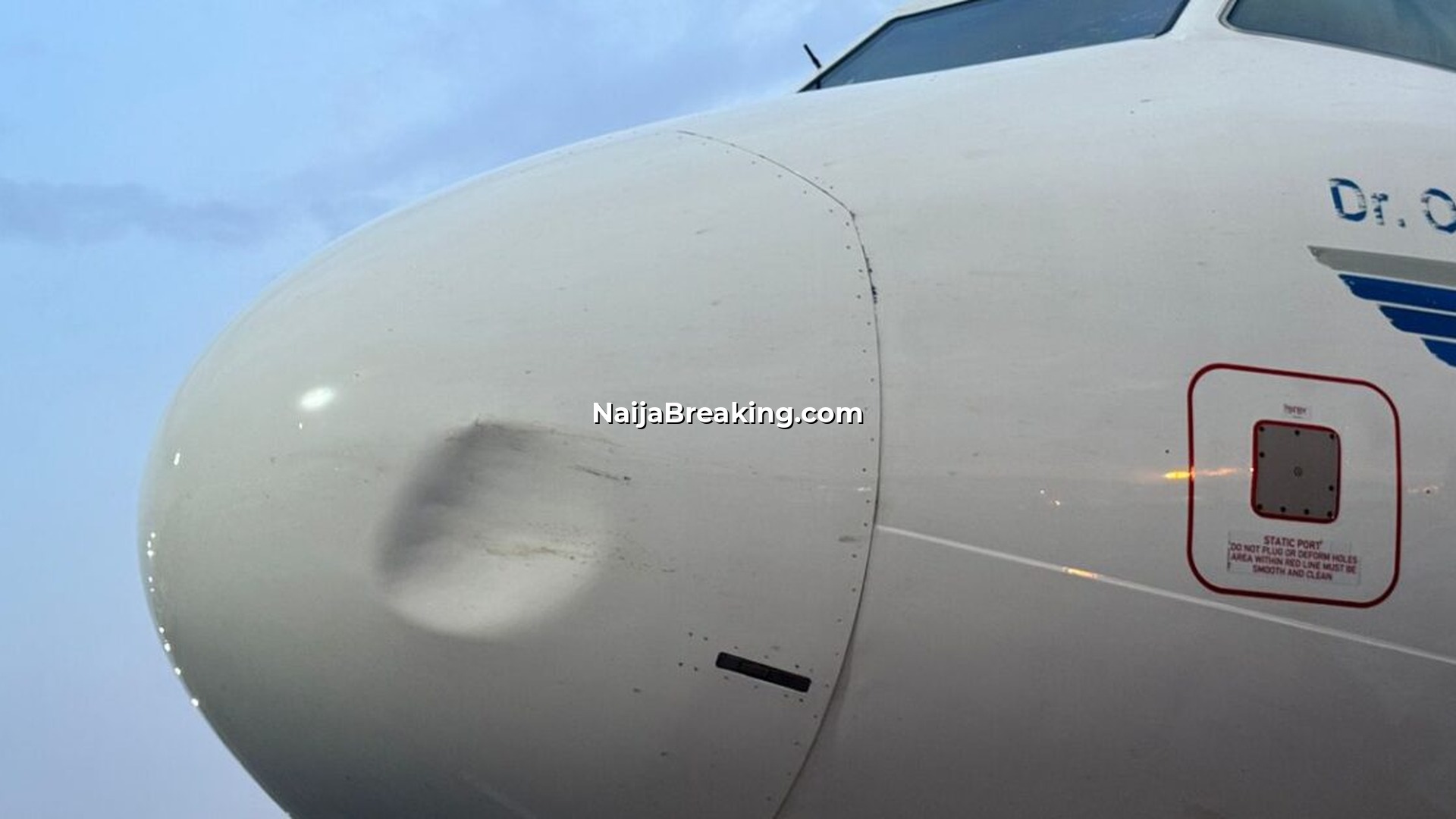
In a troubling development for Nigeria’s aviation sector, United Nigeria Airlines has once again reported a bird strike incident, marking the sixth occurrence since the beginning of 2026. The latest incident involving the airline has resulted in the grounding of another aircraft, prompting concerns about operational stability and safety protocols within the carrier’s fleet management system.
Understanding the Latest Bird Strike Incident
According to a statement released on Wednesday by United Nigeria Airlines’ spokesperson Chibuile Uloka, another aircraft belonging to the airline suffered a bird strike while attempting to land at the Nnamdi Azikiwe International Airport in Abuja. The aircraft in question, an Airbus A320-200, was operating Flight UN0515 and had departed from Port Harcourt International Airport with a scheduled arrival time of approximately 3:45 pm.
The bird strike affected the nose section of the aircraft, a critical component of any commercial airliner. Despite the potential severity of such incidents, United Nigeria Airlines emphasized that all safety protocols were strictly adhered to during the emergency landing procedures. The aircraft has been immediately withdrawn from service pending comprehensive technical inspections and necessary maintenance procedures.
This incident represents a recurring challenge that the airline has faced repeatedly throughout the early months of 2026. The frequency of these occurrences has prompted serious questions about the airline’s operational procedures and the broader challenges facing Nigerian aviation infrastructure. For more details on this incident, readers can refer to the original report from Punch Nigeria.
The Growing Concern: Six Incidents in Four Months
The most alarming aspect of this situation is the frequency with which United Nigeria Airlines is experiencing bird strike incidents. Between January and April 2026, the airline has recorded six separate bird strike events involving different aircraft in its fleet. This statistic is deeply concerning for aviation safety experts and industry observers who view such incidents as potential indicators of systemic issues within the airline’s operations or external environmental factors affecting flight safety.
United Nigeria Airlines’ management has publicly acknowledged the gravity of these recurring incidents. In their official statement, the airline explicitly stated: “This marks the sixth bird strike involving our aircraft so far in 2026. An occurrence we find deeply concerning and unacceptable due to its implications for aviation safety and operational stability.”
This admission from the airline demonstrates awareness of the problem, yet the continued recurrence of such incidents raises questions about the effectiveness of preventive measures being implemented. Bird strikes, while sometimes unavoidable in aviation, can cause significant damage to aircraft structures, engines, and critical systems. When they occur with such frequency, they warrant immediate investigation and comprehensive corrective action.
Impact on Flight Operations and Passenger Inconvenience
The grounding of aircraft following bird strike incidents has direct consequences for the airline’s operational capacity and schedule reliability. United Nigeria Airlines has already warned that “some flights across our network may experience disruptions or may not operate as scheduled” as a result of the latest incident and the subsequent technical inspections required.
For passengers who rely on United Nigeria Airlines for their travel needs, these disruptions create significant inconvenience. Flight cancellations and rescheduling require passengers to adjust their plans, potentially impacting business schedules, family commitments, and travel arrangements. The airline has expressed regret for these disruptions while emphasizing that safety remains their paramount concern.
Safety Standards and Technical Response
United Nigeria Airlines maintains that it operates under “strict and uncompromising safety standards.” Following each bird strike incident, the affected aircraft undergoes thorough technical inspections and comprehensive maintenance before being returned to service. This protocol ensures that no aircraft with potential structural or mechanical damage from a bird strike returns to operation without complete clearance from certified maintenance technicians.
The Airbus A320-200 involved in this particular incident will follow the same rigorous inspection procedure. These procedures typically involve detailed visual inspections of the affected area, non-destructive testing to identify any hidden damage, and replacement or repair of damaged components as necessary. Only after successful completion of these inspections and maintenance procedures will the aircraft be cleared for return to passenger service.
Broader Implications for Nigerian Aviation
The recurring bird strike incidents at United Nigeria Airlines raise questions about broader challenges within Nigeria’s aviation sector. These challenges may include wildlife management at major airports, airspace monitoring systems, and coordination between aviation authorities and environmental management agencies.
Nigeria’s major airports, including the Nnamdi Azikiwe International Airport in Abuja and Murtala Muhammed International Airport in Lagos, operate in proximity to various wildlife habitats. The increasing frequency of bird strikes across the Nigerian aviation industry suggests that more comprehensive wildlife management strategies may be necessary at these facilities.
The Nigerian Civil Aviation Authority (NCAA) and airport management authorities must work collaboratively with airlines to implement enhanced bird detection and deterrent systems. These may include radar systems specifically designed to track bird movements, acoustic deterrents, and modified airport infrastructure to discourage bird congregation near runways and flight paths.
Industry Standards and Comparative Analysis
While bird strikes are not unique to Nigerian carriers and occur globally, the frequency reported by United Nigeria Airlines appears notably high. International aviation statistics suggest that while bird strikes are encountered by airlines worldwide, experiencing six significant incidents within a four-month period indicates either exceptionally challenging local conditions or potential gaps in the airline’s operational procedures.
Leading international airlines operating in various environments have successfully maintained lower bird strike incident rates through comprehensive wildlife management programs, pilot training, and technological enhancements. These include:
- Advanced radar systems for real-time bird detection
- Regular habitat management around airport perimeters
- Enhanced pilot training for bird strike avoidance procedures
- Coordination with local environmental authorities
- Data analysis to identify high-risk flight corridors and times
United Nigeria Airlines and the broader Nigerian aviation industry could benefit from implementing or enhancing these measures.
Passenger Safety Assurances and Regulatory Oversight
Despite the concerning frequency of incidents, United Nigeria Airlines has consistently maintained that passenger safety has not been compromised. The airline emphasizes that all incidents have been handled according to established safety protocols, with aircraft grounded immediately following any bird strike for comprehensive inspection before returning to service.
The Nigerian Civil Aviation Authority maintains regulatory oversight of all airlines operating within Nigerian airspace. The NCAA monitors incident reporting, conducts safety audits, and enforces compliance with international aviation safety standards. The continued operation of United Nigeria Airlines despite these incidents indicates that regulatory authorities have determined the airline’s safety protocols remain acceptable, though ongoing monitoring is clearly warranted.
Looking Forward: Solutions and Prevention
Moving forward, United Nigeria Airlines must implement enhanced preventive measures to address this recurring bird strike problem. These measures should include collaboration with airport authorities on wildlife management, investment in advanced detection technologies, and comprehensive review of flight procedures to identify any operational factors that might increase bird strike risk.
Additionally, the airline should consider implementing enhanced reporting systems to track not just incidents but also near-misses and potential risk factors. This data-driven approach could help identify patterns and inform more targeted prevention strategies.
For passengers and stakeholders, transparency from the airline regarding root cause analysis and corrective action plans would help restore confidence in the carrier’s commitment to safety and operational excellence.
Conclusion
The recurring bird strike incidents affecting United Nigeria Airlines represent a significant challenge that demands comprehensive attention from both the airline and aviation regulatory authorities. While six incidents within four months is concerning, the airline’s commitment to maintaining strict safety standards provides some reassurance. However, the time has come for more aggressive preventive action to ensure such incidents become rare rather than routine occurrences in the airline’s operations.
Share your thoughts below – Have you experienced disruptions due to United Nigeria Airlines incidents? What solutions do you believe could address this recurring problem?