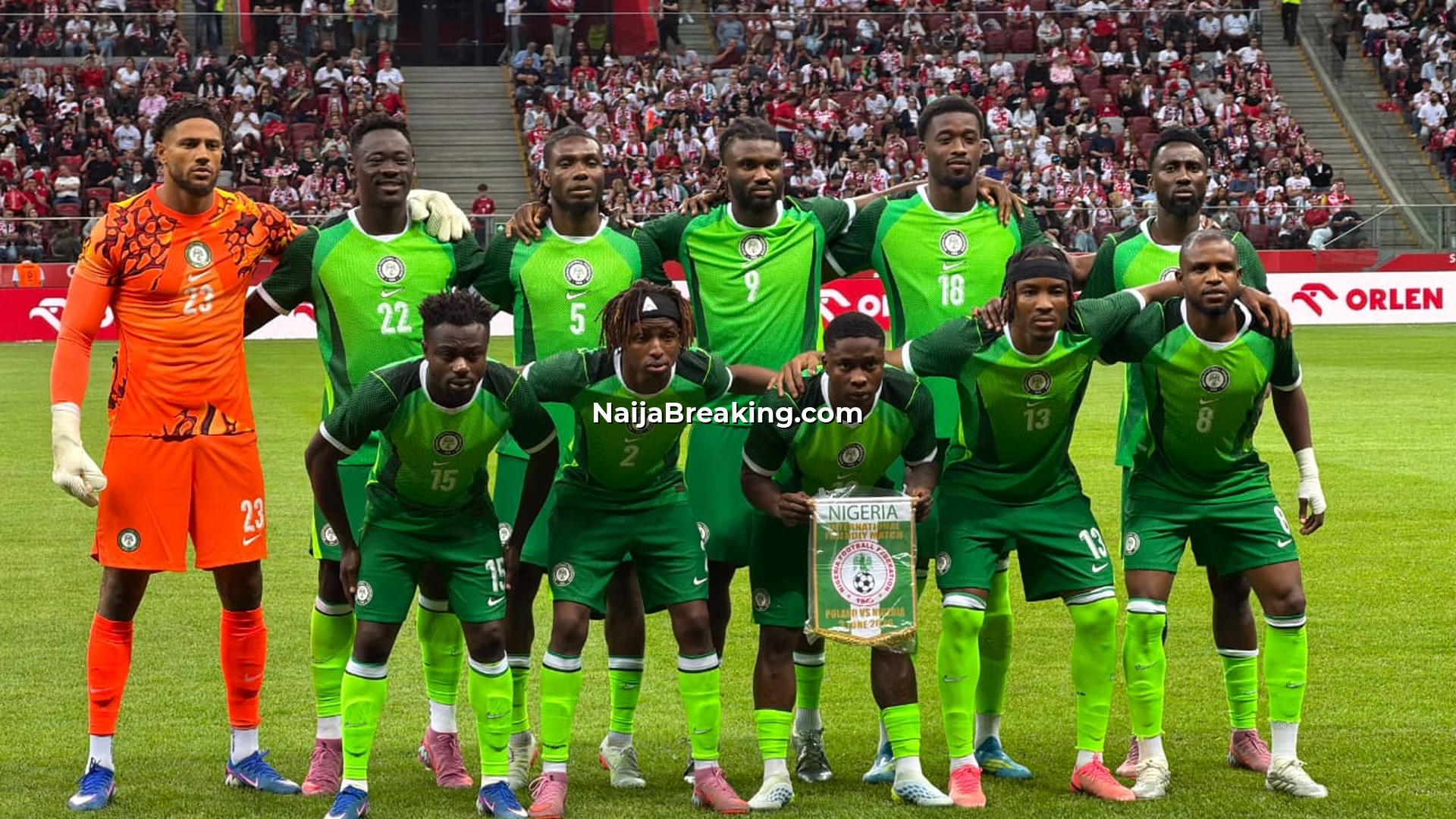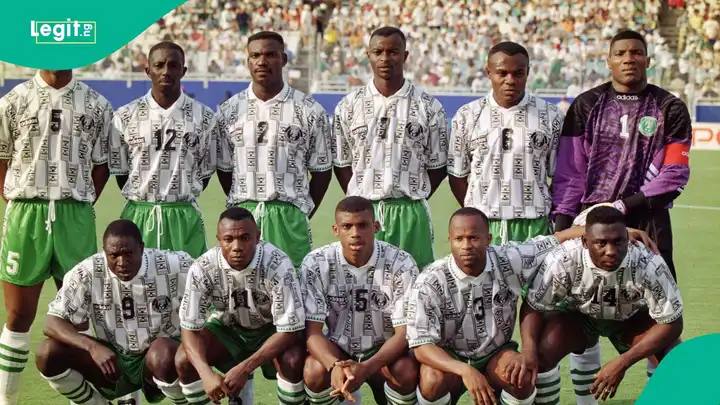
The dream of representing Nigeria at the FIFA World Cup remains one of the highest aspirations for any Super Eagles player. However, when these Super Eagles World Cup dreams are shattered, the psychological impact can be devastating. Former Flying Eagles goalkeeper Dele Abubakar (MON) has courageously opened up about his dark journey into substance abuse following his Super Eagles World Cup disappointments, shedding light on the mental health challenges that many Nigerian footballers face behind the scenes.
Abubakar’s story serves as a stark reminder of the pressures and expectations that come with being a professional footballer in Nigeria, where Super Eagles World Cup qualification is often seen as a matter of national pride. His candid revelation about how missing football’s biggest tournament pushed him toward hard drugs has sparked important conversations about player welfare and support systems in Nigerian football.
The former Gent goalkeeper’s experience highlights a broader issue affecting Nigerian football, as the country has struggled with Super Eagles World Cup qualification in recent years, missing out on the tournament three times since their memorable debut in 1994 in the United States. These Super Eagles World Cup qualification failures have had profound impacts on players’ mental health and career trajectories.

The Weight of Unfulfilled Super Eagles World Cup Dreams
Speaking exclusively to journalists, Dele Abubakar revealed the devastating impact that missing the FIFA World Cup had on his mental health and career trajectory. The former goalkeeper, who earned national recognition for his performances with the Flying Eagles and harbored serious Super Eagles World Cup ambitions, described the experience as “frustrating” and life-changing in the worst possible way.
“The experience of missing the World Cup as a star player is frustrating,” Abubakar explained, his words carrying the weight of years of regret and pain. For many Nigerian footballers, the Super Eagles World Cup represents the pinnacle of their careers, and missing out on this opportunity can feel like a failure that overshadows all other achievements.
The goalkeeper’s journey took a particularly bitter turn when he revealed how political promises added to his disappointment. According to Abubakar, a former presidential candidate had promised him a slot in the Super Eagles World Cup squad should they emerge victorious in the elections. This promise, which ultimately went unfulfilled, added another layer of disappointment to his already crushing World Cup dreams.
The psychological toll of these unfulfilled promises cannot be understated. When young Nigerian footballers are given false hope about their chances of making the Super Eagles World Cup squad, the eventual disappointment can trigger severe depression and anxiety. Abubakar’s case demonstrates how political interference in football selection can have devastating consequences on players’ mental health.
Nigeria’s Super Eagles World Cup Qualification Struggles
Nigeria’s relationship with the FIFA World Cup has been a rollercoaster of emotions for players and fans alike. Since making their debut at the 1994 World Cup in the United States, where they captured hearts worldwide with their exciting brand of football, the Super Eagles have experienced both triumph and heartbreak on the road to football’s biggest stage.
The country has failed to qualify for the Mundial on three occasions since 1994, each miss representing countless broken dreams for players like Abubakar who saw their international careers affected by these Super Eagles World Cup qualification failures. These disappointments have had far-reaching consequences beyond just football, affecting the mental health and life trajectories of numerous players who dedicated their lives to representing their country.
The pressure to qualify for the World Cup in Nigeria cannot be overstated. Football is more than just a sport in the country; it’s a source of national identity and pride. When the Super Eagles fail to qualify for the World Cup, the disappointment reverberates through every level of Nigerian society, but perhaps nowhere is it felt more acutely than among the players themselves who had harbored Super Eagles World Cup dreams since childhood.
Each Super Eagles World Cup qualification campaign brings renewed hope across the nation, with millions of Nigerians rallying behind their national team. The emotional investment is enormous, and when these campaigns end in failure, the collective disappointment affects not just fans but particularly the players who carry the weight of national expectations on their shoulders.
The Dark Path: From Football Glory to Substance Abuse
Abubakar’s descent into drug abuse following his Super Eagles World Cup disappointment represents a tragic but unfortunately common narrative in professional football. The former goalkeeper’s story illustrates how quickly a promising career can spiral downward when proper mental health support systems are not in place.
“Missing out on the World Cup broke something inside me,” Abubakar revealed in his emotional testimony. “I had worked so hard, sacrificed so much, and when those dreams of playing in the Super Eagles World Cup squad were crushed, I didn’t know how to cope. That’s when I turned to substances that I thought would numb the pain.”
The transition from professional athlete to substance abuser didn’t happen overnight. According to Abubakar, it began with alcohol as a way to cope with the disappointment of missing the Super Eagles World Cup opportunity. However, as the pain persisted and his career stagnated, he gradually moved to harder substances, believing they would provide the escape he desperately sought.
This progression is unfortunately common among athletes who struggle with depression and lack proper support systems. The culture of masculinity in football often prevents players from seeking help, as they fear being perceived as weak or unreliable. For someone like Abubakar, who had built his identity around his Super Eagles World Cup aspirations, admitting vulnerability felt impossible.
The Stigma of Mental Health in Nigerian Football
Abubakar’s struggle with substance abuse following his Super Eagles World Cup disappointment highlights a significant gap in Nigerian football’s approach to mental health. The stigma surrounding psychological issues in Nigerian society often prevents players from seeking the help they need when dealing with career setbacks or depression.
In many African cultures, including Nigeria, mental health issues are often misunderstood or dismissed as personal weakness. This cultural attitude becomes particularly problematic for professional footballers who face enormous pressure to succeed and represent their nation at tournaments like the Super Eagles World Cup competitions.
The lack of professional psychological support within Nigerian football structures means that players like Abubakar are left to deal with their disappointments and trauma alone. When dreams of representing Nigeria at the Super Eagles World Cup are shattered, there’s rarely adequate counseling or mental health resources available to help players process their emotions healthily.
Former players and football administrators have increasingly called for the Nigeria Football Federation to implement comprehensive mental health programs. These programs should be designed specifically to help players cope with the unique pressures of professional football, including the intense desire to participate in Super Eagles World Cup campaigns.
The Broader Impact on Nigerian Football
Abubakar’s story is not an isolated incident. Across Nigerian football, there are numerous untold stories of players who have struggled with depression, anxiety, and substance abuse following career disappointments, particularly related to Super Eagles World Cup qualification failures.
The competitive nature of football means that for every player who achieves their dream of representing Nigeria at the World Cup, there are dozens who fall short. These players, who may have dedicated decades of their lives to pursuing Super Eagles World Cup glory, often struggle to find meaning and direction when their dreams are shattered.
The financial implications are also significant. Many Nigerian footballers invest heavily in their careers, hoping that success with the Super Eagles and participation in World Cup tournaments will provide financial security. When these opportunities don’t materialize, players often face both psychological and economic distress.
Youth development programs across Nigeria need to address these realities more honestly. Young players should be prepared not just for success, but also for the possibility that their Super Eagles World Cup dreams may not be realized. Building resilience and alternative career planning should be integral parts of football development.
Learning from Abubakar’s Experience
Despite the darkness of his journey, Abubakar’s willingness to share his story publicly represents an important step forward for Nigerian football. By speaking openly about how his unfulfilled Super Eagles World Cup ambitions led to substance abuse, he’s helping to break down the stigma surrounding mental health issues in sports.
His testimony serves as a wake-up call for the Nigeria Football Federation, club owners, and other stakeholders in Nigerian football. The system must evolve to provide better support for players dealing with career disappointments, particularly those related to Super Eagles World Cup qualification failures.
Recovery from addiction is possible, and Abubakar’s story also offers hope. With proper support, treatment, and understanding, players who have struggled with similar issues can rebuild their lives and potentially contribute positively to Nigerian football in other capacities.
The Way Forward for Nigerian Football
The lessons from Abubakar’s experience with Super Eagles World Cup disappointment and subsequent substance abuse should catalyze meaningful changes in Nigerian football. The NFF and other stakeholders must prioritize player welfare beyond just physical fitness and performance.
Implementing comprehensive mental health programs should be a priority. These programs should include regular psychological evaluations, counseling services, and education about coping mechanisms for dealing with career setbacks, including Super Eagles World Cup qualification failures.
Former players who have successfully navigated similar challenges should be involved in mentoring current players. Their experiences and insights could prove invaluable in helping younger footballers develop realistic expectations and healthy coping strategies for dealing with disappointments in their Super Eagles World Cup pursuits.
Additionally, there needs to be greater transparency and fairness in Super Eagles selection processes. When players understand that squad selection is based purely on merit and performance rather than political considerations, it can help reduce the kind of false hope that contributed to Abubakar’s disappointment.
The media also has a role to play in how they cover Super Eagles World Cup campaigns and player selections. Responsible reporting that doesn’t create unrealistic expectations while still maintaining enthusiasm for the national team could help reduce the pressure on individual players.
Conclusion: Hope Beyond the Darkness
Dele Abubakar’s courageous decision to share his story about how Super Eagles World Cup disappointment led him into drug abuse represents a pivotal moment for Nigerian football. His experience illuminates the hidden struggles of many players and the urgent need for systemic changes in how the football community supports its athletes.
While his journey into substance abuse following his shattered Super Eagles World Cup dreams is tragic, his willingness to speak publicly about these issues offers hope for future generations of Nigerian footballers. By breaking the silence around mental health and addiction in Nigerian sports, Abubakar is potentially saving others from similar dark paths.
The dream of Super Eagles World Cup glory will continue to inspire young Nigerians to pursue football careers. However, the system must evolve to ensure that when some dreams don’t materialize, there are proper support structures in place to help players cope healthily and find alternative paths to fulfillment and success.
Nigerian football has the opportunity to learn from Abubakar’s experience and implement changes that prioritize player welfare alongside performance. Only by addressing these mental health challenges can the country hope to build a more sustainable and supportive football ecosystem that nurtures not just better players, but healthier human beings who can contribute positively to society regardless of whether their Super Eagles World Cup dreams are realized.