Cold Court’s Glitchy Hyperpop Genre Mashup: How Hyperpop is Reshaping the Global Music Tech Landscape
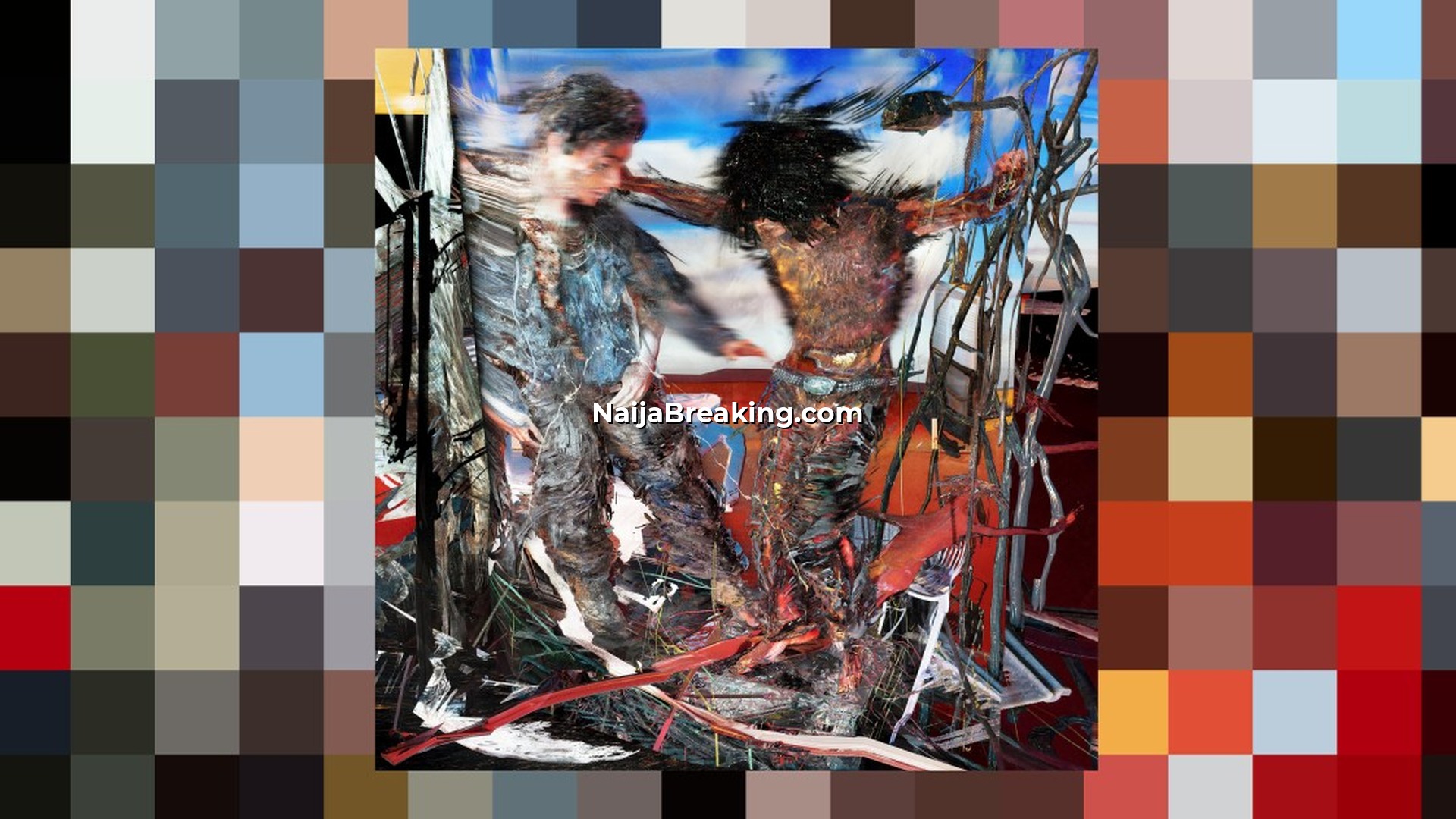
The emergence of hyperpop as a dominant force in contemporary music production represents far more than a fleeting trend—it signals a fundamental shift in how artists worldwide, including those in Nigeria, approach songwriting, production, and genre classification. Cold Court’s debut EP \ (^_^) / (known as Hands Up) exemplifies this transformation, demonstrating how a brother-sister duo from Philadelphia can seamlessly merge progressive rock’s complexity, dance punk’s energy, and hyperpop’s digital chaos into a coherent listening experience. For tech-savvy musicians and producers in Lagos, Abuja, and across Nigeria, understanding this hyperpop genre mashup is increasingly critical, as streaming platforms, production software, and listener expectations are all being reshaped by artists who refuse to stay within traditional genre boundaries. The rise of hyperpop as a legitimate commercial force—evidenced by acts like 100 Gecs breaking into mainstream playlists—has democratised music production to an unprecedented degree, allowing bedroom producers with affordable digital audio workstations (DAWs) to compete with studio-backed professionals. This cultural moment matters to Nigeria’s emerging music tech sector because it demonstrates that geographical location no longer determines musical relevance; what matters is understanding how to leverage production technology, distribute through digital platforms, and build engaged audiences. As more Nigerian producers explore hyperpop and genre fusion, Cold Court’s approach offers crucial lessons about balancing accessibility with artistic ambition, and how the hyperpop genre mashup continues to reshape creative possibilities across the globe.
Understanding the Hyperpop Genre Mashup: A Digital Revolution
To understand the significance of Cold Court’s debut and the broader hyperpop movement, we must contextualise how music production technology has democratised creative expression over the past decade. The rise of affordable DAWs like FL Studio, Ableton Live, and GarageBand—combined with the proliferation of free online tutorials and production communities—has enabled artists worldwide to create professional-quality music from bedrooms and small studios. In Nigeria specifically, this technological shift has already begun reshaping the music landscape, with producers like P-Prime, Kel-P, and others leveraging digital production tools to create Afrobeats variants that compete globally. The hyperpop genre itself emerged in the mid-2010s as a reaction against the polished, algorithm-optimised production that dominated mainstream pop music. Early hyperpop artists like SOPHIE, PC Music pioneers, and later 100 Gecs embraced digital glitchiness, unconventional song structures, and genre fluidity as artistic statements, deliberately using production artifacts that previous generations would have considered technical flaws.
The philosophical underpinning of hyperpop reflects a broader cultural moment where authenticity is increasingly measured not by technical perfection, but by emotional honesty and creative boldness. This hyperpop genre mashup represents a deliberate rejection of the sterile production standards that characterised the 2000s and early 2010s, when major labels invested millions into achieving perfectly polished, glitch-free production. Hyperpop artists flipped this paradigm entirely—they embraced the glitch, celebrated the artifact, and used digital imperfection as an aesthetic tool. This philosophical shift has profound implications for music technology adoption across the African continent, particularly in Nigeria where production costs have historically been barriers to entry for emerging artists. When hyperpop artists demonstrated that expensive equipment wasn’t necessary to create commercially viable, artistically respected music, they fundamentally altered expectations within the global music industry. Nigerian producers recognised that they didn’t need to relocate to London, Los Angeles, or New York to participate in cutting-edge music production; the hyperpop genre mashup had already proven that innovation could happen anywhere with internet connectivity and the right software.
The hyperpop genre mashup also represents a shift in how audiences consume and categorise music in the streaming era. Spotify, Apple Music, and YouTube’s algorithmic systems have become increasingly sophisticated at identifying micro-genres and algorithmic playlists, yet hyperpop artists deliberately complicate this categorisation by refusing to stay within single genres. Cold Court exemplifies this approach perfectly—their tracks simultaneously appeal to progressive rock listeners, dance music enthusiasts, and experimental electronic fans. This multi-genre appeal creates powerful algorithmic opportunities; when a single track can be positioned across multiple playlists and recommendation systems, its potential reach expands exponentially. For Nigerian artists looking to achieve international breakthrough, this hyperpop genre mashup strategy offers a proven pathway—instead of competing within the crowded Afrobeats space, artists can leverage genre fusion to reach diverse global audiences while maintaining connections to their cultural roots.
Cold Court’s Artistic Vision: Pioneering the Hyperpop Genre Mashup
Cold Court’s approach to the hyperpop genre mashup reflects a sophisticated understanding of both traditional music theory and contemporary digital production techniques. The brother-sister duo of Milo and Cam brings complementary skill sets to their collaboration—one trained in progressive rock traditions, the other steeped in dance music production. This combination creates the tension and balance that makes their hyperpop genre mashup so compelling. Their debut EP doesn’t simply layer rock guitars over electronic beats; instead, it fundamentally reimagines how these elements can coexist within unified compositions. Tracks that begin with intricate guitar arpeggios seamlessly transition into hyperpop-style vocal processing and glitchy electronic textures, creating an internal journey that challenges conventional song structure expectations.
The production quality underlying Cold Court’s hyperpop genre mashup reveals the technical sophistication now required of contemporary artists. Rather than working with vintage synthesisers or analogue recording equipment, Cold Court utilises cutting-edge digital production tools that allow precise control over every element of their sonic palette. Their hyperpop genre mashup employs techniques like time-stretching, granular synthesis, and algorithmic beat generation—production methods that would have been impossible without modern DAWs. Yet what elevates their work beyond technical demonstration is their restraint; they don’t employ every available production tool simultaneously, but rather select specific techniques to serve each composition’s emotional arc. This thoughtful approach to hyperpop production distinguishes Cold Court from artists who rely purely on technological novelty, instead using production as a narrative device within their hyperpop genre mashup framework.
One particularly fascinating aspect of Cold Court’s hyperpop genre mashup involves their treatment of vocal performances. Rather than pursuing the polished vocal production that characterises mainstream pop, they embrace vocal processing that ranges from heavily synthesised and pitch-shifted to raw and distorted. This vocal approach directly challenges commercial music conventions, yet it proves commercially viable because it connects emotionally with listeners who’ve grown weary of hyperpolished pop production. The hyperpop genre mashup’s vocal aesthetic represents a broader rejection of the “more is better” philosophy that dominated previous production eras; instead, hyperpop artists recognise that intentional imperfection and vulnerability often resonate more deeply than technical perfection.
The Global Impact of the Hyperpop Genre Mashup on Music Technology
The hyperpop genre mashup has catalysed significant changes in music technology development, distribution, and consumption patterns across the globe. Hardware manufacturers have increasingly tailored products toward bedroom producers and independent artists, recognising that the traditional recording studio model no longer dominates music creation. Companies like Behringer, Native Instruments, and Elektron have designed affordable, portable tools specifically engineered for the hyperpop aesthetic—synthesisers with lo-fi capabilities, controllers with limited control surfaces that encourage creative constraint, and software that celebrates rather than eliminates digital artifacts.
From a distribution perspective, the hyperpop genre mashup has demonstrated that independent artists can achieve significant commercial success without traditional record label infrastructure. Streaming platforms have become increasingly democratised, allowing artists to release directly to Spotify, Apple Music, and other services without intermediaries. Cold Court’s rise exemplifies this pattern; their audience grew organically through social media, TikTok placements, and algorithmic discovery rather than through traditional radio or label promotion. This shift has profound implications for Nigerian artists, who can now bypass the geographic limitations that previously restricted their market access. An artist in Lagos can upload a hyperpop genre mashup track to Spotify and potentially reach listeners across Europe, North America, and Asia within hours, creating genuine international opportunities from day one.
The hyperpop genre mashup has also influenced how music education institutions approach production training. Universities and production schools have begun incorporating hyperpop aesthetics and production techniques into their curricula, recognising that students need practical experience with the artistic movements shaping contemporary music. This institutional integration legitimises the hyperpop genre mashup within academic contexts, elevating it from underground phenomenon to established art form worthy of serious study and critical analysis. As Nigerian music schools and production programmes develop, incorporating hyperpop and the hyperpop genre mashup into their teaching frameworks will become increasingly essential for preparing students to work professionally within contemporary music industries.
Hyperpop Genre Mashup Strategies for Nigerian Producers
Nigerian producers seeking to leverage the hyperpop genre mashup can adopt several proven strategies employed by successful international artists. First, embrace the affordability advantage that digital production tools offer. While Cold Court and other hyperpop artists have access to professional studios and equipment, their core compositions often originated from DAWs running on standard computers. Nigerian producers should invest in quality headphones, a basic microphone, and a professional DAW—the starter tools for contemporary music production. FL Studio, which costs less than ₦50,000 one-time, provides all the functionality necessary to create commercially viable hyperpop genre mashup tracks.
Second, Nigerian artists should actively study the hyperpop genre mashup’s production techniques by deconstructing commercially successful tracks. Online music production communities, YouTube tutorials, and producer forums contain countless resources explaining how artists achieve specific hyperpop textures and effects. By reverse-engineering Cold Court’s production choices—identifying which synthesisers create certain timbres, understanding how vocal effects are layered, recognizing the drum programming techniques employed—Nigerian producers can rapidly develop technical skills without expensive formal education.
Third, leverage Nigeria’s rich musical heritage within the hyperpop genre mashup framework. Rather than imitating international artists, the most compelling hyperpop work often emerges when artists integrate their cultural backgrounds into the production. Imagine a hyperpop genre mashup that incorporates traditional Yoruba percussion patterns, or synthesiser arrangements that echo Highlife melodies, or vocal processing applied to Pidgin English lyrics. This approach simultaneously honours cultural traditions and creates genuinely original work that stands out within the competitive global music landscape. The hyperpop genre mashup thrives on creative contradiction and unexpected juxtaposition; traditional African musical elements paired with digital glitchiness could create compelling sonic territories that international audiences have never encountered.
Fourth, Nigerian artists should develop strong social media presence and engage with global music communities. The hyperpop genre mashup’s rise occurred largely through digital platforms and social networks rather than traditional music industry gatekeepers. Artists like 100 Gecs built their initial audience on TikTok and Twitter before achieving streaming success; similarly, Nigerian producers should prioritise platforms where their hyperpop genre mashup tracks can gain organic visibility. Creating content that explains their production process, sharing snippets of works-in-progress, and engaging with international producer communities helps build the audience foundation necessary for commercial success.
The Commercial Viability of the Hyperpop Genre Mashup
One legitimate question surrounding the hyperpop genre mashup concerns its commercial sustainability. Critics have suggested that hyperpop’s aesthetic—deliberately glitchy, unconventional, and technically challenging—might appeal only to niche audiences. However, evidence increasingly contradicts this assumption. 100 Gecs’ track “Ringtone” became a genuine mainstream hit, accumulating billions of streams despite its unconventional production and abrasive vocal processing. Hyperpop artists have signed to major labels, achieved licensing placements in television and film, and built sustainable touring careers. The hyperpop genre mashup has proven it can sustain commercial success alongside artistic integrity, a balance many earlier experimental movements struggled to achieve.
For Nigerian producers considering the hyperpop genre mashup as a professional direction, the commercial pathway exists. Streaming revenue, while famously modest per-stream, becomes substantial when tracks accumulate millions of plays across platforms. Additionally, the hyperpop genre mashup’s visual component creates opportunities beyond audio—music videos, live performances, and visual art collaborations can generate revenue and cultural impact. Furthermore, the algorithmic nature of streaming platforms means that tracks categorised across multiple genres receive more playlist placements, directly translating to higher streaming counts and greater revenue potential.
The hyperpop genre mashup also creates opportunities for sync licensing—placing music in advertisements, television shows, films, and interactive media. Because hyperpop tracks often possess distinctive sonic signatures and emotional intensity, they frequently appeal to creative directors seeking distinctive soundtracks. A Nigerian artist’s hyperpop genre mashup track could potentially license to international advertising campaigns or streaming series, generating significant revenue from a single placement. These opportunities increasingly favour artists who create work standing out through originality and cultural specificity, making the hyperpop genre mashup pathway particularly viable for Nigerian creators.
Technical Production Elements of the Hyperpop Genre Mashup
Understanding the specific production techniques that define the hyperpop genre mashup helps producers incorporate these elements into their own work. The hyperpop genre mashup typically employs several characteristic production strategies. First, aggressive compression and saturation applied to virtually every track—creating a densely packed, highly processed sound that commands listener attention despite its unusual timbre. Second, rapid automation of effects and parameters, ensuring that no element remains static for more than a few seconds; this constant movement maintains engagement and creates the “glitchy” aesthetic hyperpop celebrates. Third, unconventional drum programming that deliberately avoids standard four-on-the-floor patterns or traditional hip-hop beats, instead embracing rhythmic complexity and polyrhythmic layering.
The hyperpop genre mashup also employs specific synthesis techniques including wavetable synthesis with heavy modulation, granular processing of vocal and instrumental samples, and algorithmic melodic generation. Synthesisers like Serum, Massive, and Sylenth—often run in “extreme” settings rather than their default parameters—provide the characteristic hyperpop timbre. Vocal processing typically includes pitch-shifting algorithms, granular time-stretching, and stacked harmonies that create otherworldly vocal textures. Rather than seeking clarity and naturalism in vocal production, the hyperpop genre mashup embraces digital artifacts and processing artifacts as expressive tools.
The hyperpop genre mashup’s mixing philosophy also differs fundamentally from previous production eras. Rather than attempting to create spacious, well-separated mix with clear frequency separation between elements, hyperpop producers often deliberately create “wall of sound” densities with heavy layering and limited dynamic range. This approach utilises modern streaming technology’s limitations—compressed MP3s and lower-resolution audio formats—as design constraints. The hyperpop genre mashup sounds virtually identical on consumer earbuds and high-end studio monitors because it compensates for lower-fi playback through extreme compression and saturation, ensuring the production impact translates regardless of listening environment.
Conclusion: The Hyperpop Genre Mashup’s Ongoing Evolution
Cold Court’s hyperpop genre mashup represents more than isolated artistic innovation—it exemplifies a fundamental restructuring of contemporary music production, distribution, and consumption. The democratisation of music technology, combined with hyperpop’s philosophical embrace of digital imperfection and genre fluidity, has created unprecedented opportunities for artists worldwide. For Nigerian producers and musicians, this moment offers genuine possibilities for international recognition and commercial success by leveraging affordable production tools, global distribution platforms, and the proven commercial viability of the hyperpop genre mashup.
The hyperpop genre mashup continues evolving as artists absorb and recontextualise its core aesthetic principles. Rather than remaining stagnant, hyperpop and the hyperpop genre mashup have proven flexible enough to incorporate diverse musical traditions, production approaches, and cultural perspectives. Nigerian artists who engage thoughtfully with the hyperpop genre mashup—rather than slavishly imitating international precedents—can contribute meaningfully to its continued development while building substantial audiences and viable careers. The future of the hyperpop genre mashup likely involves increasing globalisation, with artists from previously marginalised music scenes contributing equally to shaping its aesthetic direction. For Nigeria’s emerging music technology sector, this represents extraordinary opportunity; the hyperpop genre mashup has already proven that innovation and commercial success can originate anywhere with creativity, technical skill, and internet connectivity. Cold Court’s example demonstrates that the hyperpop genre mashup belongs not to any geographic region but to any artist brave enough to embrace its principles of creative contradiction, technical ambition, and emotional honesty.