Bose Studios and the Tech Giant’s Media Delusion: Why This Matters to Nigerians
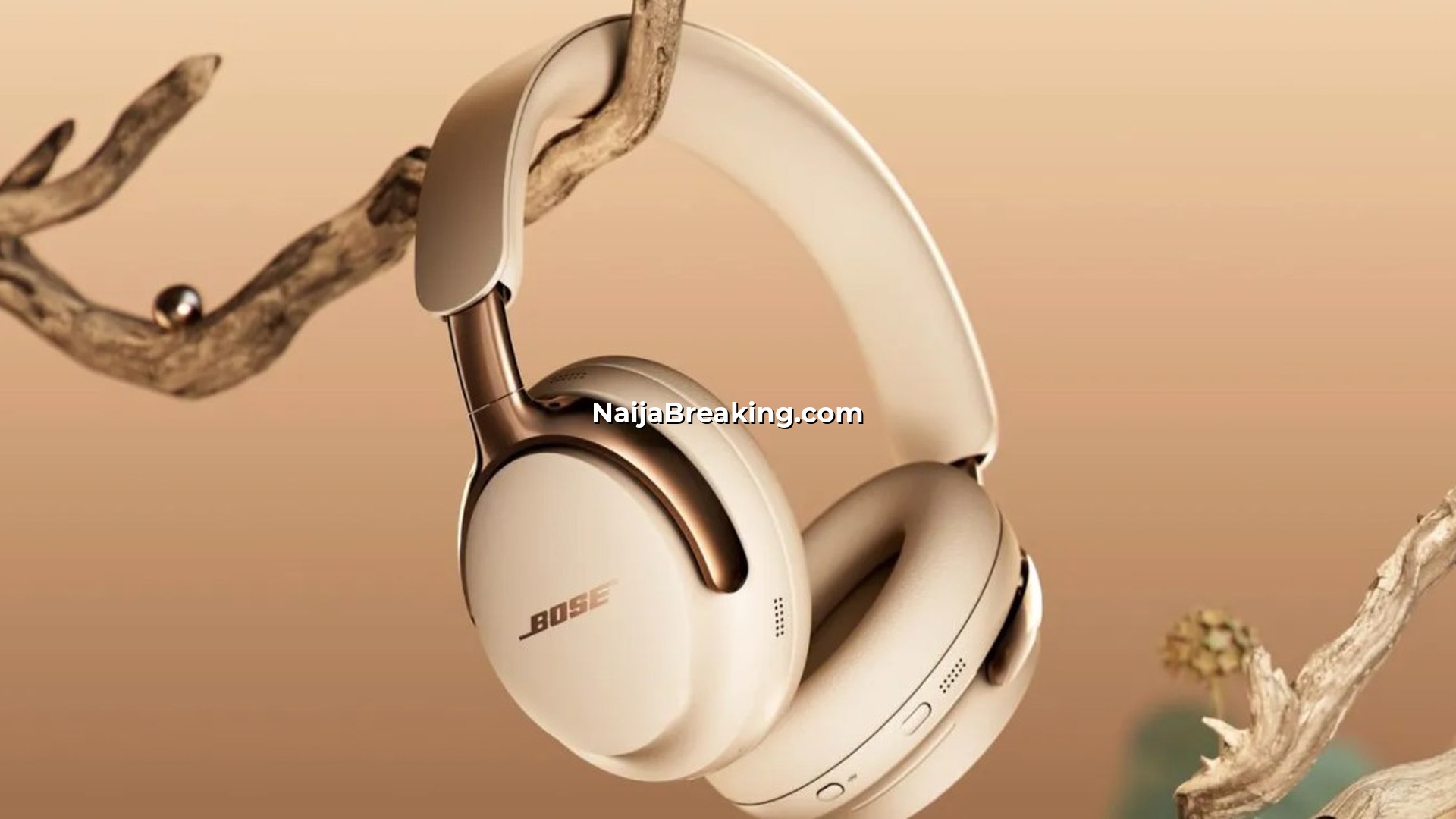
Bose Studios is attempting to become a media company — a record label, podcast network, and film production studio all wrapped into one corporate venture. The ambitious announcement reveals a fundamental misunderstanding about how media actually works, and why Bose Studios media company ambitions are likely doomed to fail. For Nigerian tech professionals, entrepreneurs, and consumers watching how global tech corporations manage resources and make strategic bets, this story offers crucial lessons about corporate overreach and the dangers of mistaking brand equity in one sector for competence in another. According to reporting from The Verge, Bose’s new venture is officially a “move away from traditional campaign-driven marketing,” but the reality is far more revealing: the company wants to build a music library for its commercials without paying licensing fees.
The implications extend beyond Bose’s balance sheet. In Nigeria, where the creative economy is exploding — with Afrobeats artists generating billions in streaming revenue and music producers competing globally — understanding how multinational companies enter and exit creative sectors matters enormously. When companies like Bose misallocate resources, exploit artist-friendly policies without genuine commitment, and eventually abandon media ventures, they leave behind broken relationships, abandoned artists, and damaged trust in corporate partnerships. This is not abstract business news. For Lagos-based music producers, Nairobi-influenced Nigerian artists, and tech entrepreneurs considering partnerships with major brands, watching how Bose Studios unfolds is essential intelligence about corporate reliability and genuine opportunity versus marketing theatre.
Background: The Graveyard of Corporate Media Ventures
The history of major corporations attempting to become media companies is littered with expensive failures. Google invested billions in original content through YouTube and Google Play, only to see inconsistent returns. Microsoft spent heavily on Mixer streaming and eventually shut it down. Apple’s music-streaming ambitions required acquiring Beats Electronics just to gain credibility. Each of these ventures demonstrated a common pattern: massive brand recognition in hardware or software does not automatically translate into success in creative industries that require different skills, relationships, and cultural understanding.
In the music industry specifically, the failures are even more instructive. Major electronics and consumer goods companies have tried repeatedly to build record labels, starting with RCA’s television division’s music ventures in the 1950s through to modern examples. The fundamental problem remains unchanged: companies built on manufacturing, distribution logistics, and consumer electronics operate with entirely different incentive structures than media companies. Where media companies build long-term artist relationships, these corporations typically maximize short-term quarterly returns. Where creative industries value artistic autonomy, corporate structures demand standardization and brand alignment.
For Nigerian context, consider how local Nigerian companies have struggled with diversification into media. MTN Nigeria, for instance, while successful in telecommunications, has had mixed results with its media and entertainment investments. The structural challenges — different talent pools, different customer relationships, different competitive dynamics — persist regardless of the company’s overall size or brand strength. When Bose enters this space, it brings substantial financial resources but none of the institutional knowledge or cultural credibility that successful record labels, even independent ones, develop over years. The company has excellence in audio engineering, but that represents perhaps 5% of what actually makes a record label succeed.
Key Details: The Bose Studios Architecture and Artist Deal
According to The Verge’s reporting, Bose has formally launched Bose Studios as an umbrella organization containing multiple divisions: Bose Records (a record label), Bose Films (production studio), and a podcast network. The company’s Chief Marketing Officer, Jim Mollica, explained the strategy to Business Insider as a departure from traditional “campaign-driven marketing.” Specifically, Mollica stated that Bose Records would “help break underappreciated or new artists” — a statement that sounds progressive until you understand the actual mechanics.
The deal structure reveals the company’s true priorities. According to the announcement, Bose would not take ownership of artists’ master recordings, would not claim a percentage of streaming or sales revenue, and would allow artists to simultaneously sign with other labels. On the surface, this appears extraordinarily artist-friendly. In reality, it masks the actual economic arrangement: Bose receives unlimited rights to use the music in its commercial marketing and advertising, essentially getting free content licensing that would normally cost six or seven figures per track. For a company spending $500 million-plus annually on global advertising, capturing a library of music without licensing fees becomes a substantial hidden subsidy to Bose Studios’ media ambitions.
The competitive landscape Mollica references is also revealing. He positioned Bose Records as competing against independent labels and bedroom producers, not Sony, UMG, or Warner Music Group. This represents both strategic honesty and strategic delusion simultaneously. It’s honest because competing against the major three would be suicidal for a newcomer. It’s delusional because independent labels and emerging artists are precisely where genuine relationships and cultural credibility are built — yet Bose’s corporate structure and licensing-subsidy model fundamentally prevent that kind of authentic partnership. No emerging artist develops genuine loyalty to a corporate brand when the arrangement is explicitly transactional and explicitly designed to benefit the corporation’s advertising needs first.
Impact and Analysis: Why This Corporate Strategy Represents Systemic Misunderstanding
The deeper issue with Bose Studios is what it reveals about how technology and consumer goods corporations assess their own strategic capabilities. These companies excel at managing supply chains, optimizing manufacturing processes, and building brand recognition among consumers. They have sophisticated understanding of market positioning, price elasticity, and distribution channels. But media and entertainment operate on entirely different principles. Success requires identifying talent before the market recognizes it — something that demands cultural immersion, personal relationships, and risk tolerance that publicly-traded companies rarely possess. Success requires allowing creative failure, backing artists whose work might not commercial initially, building communities around artists rather than brands. These practices are antithetical to corporate optimization.
What Bose Studios will almost certainly deliver is a series of short-term wins followed by long-term abandonment. The company will sign several artists, generate positive press about its “artist-friendly” licensing model, place music strategically in high-profile commercials, and deliver quarterly metrics showing engagement growth. For 18-24 months, executives will celebrate the initiative. Then, as the reality sets in that media companies require sustained investment, cultural credibility, artist advocacy even when it conflicts with corporate interests, and acceptance of genuine creative risk, the commitment will erode. Budget redirects will occur. The podcast network will be “consolidated.” Bose Films will be spun down. Bose Records will transition to a licensing acquisition unit, scouting for existing music rather than developing new artists. By 2027, this venture will likely be a cautionary tale in Harvard Business School case studies about corporate overreach.
For artists and producers considering this deal, the warning is specific: a corporate partner that sees your work as advertising content subsidy is not a genuine partner. The deal’s generosity — no master ownership claims, no revenue cuts — exists precisely because the company values only one specific asset: the right to use your music in commercials without licensing costs. Once that asset is extracted, the company’s economic interest in your long-term success becomes negligible. This is not malice; it’s structural economics.
Expert Perspectives: What Nigerian Tech and Media Analysts Predict
Tunde Oladayo, a senior technology strategist at Lagos-based consultancy Red Oak Ventures, offers a critical assessment: “What Bose is attempting demonstrates a persistent delusion among hardware companies about adjacent markets. They believe brand strength in one category automatically translates to operational competence in others. In Nigeria, we’ve watched this play out with telecom companies trying to become financial services providers, or energy companies trying to become tech platforms. Sometimes it works — mainly when companies hire expert leadership from the target sector. But Bose Studios appears to be a marketing initiative dressed as a media strategy, which is fundamentally different. The structural problem is that Jim Mollica and the marketing department see this as an evolution of marketing tactics, not as building a genuinely separate business. That’s why it will likely fail.”
Conversely, Dr. Chioma Nkiru, a media economics researcher at the University of Lagos, suggests a more nuanced outcome: “We shouldn’t dismiss this entirely. Bose has a legitimate competitive advantage in audio quality and production infrastructure that independent labels actually lack. If they genuinely allow artists autonomy and build reputation for honest dealing, they could occupy a specific niche — high-quality audio production for artists who value sonic excellence. The question isn’t whether they’ll become the next Universal Music; it’s whether they’ll carve sustainable space as a boutique label with audio expertise. But that requires subordinating corporate interests to artist interests, which remains unlikely given how boards evaluate success.”
What This Means for Nigerians: The Real-World Implications
For Nigerian music producers and Afrobeats artists negotiating the increasingly complex world of music industry partnerships, Bose Studios represents a case study in recognizing what a deal actually provides versus what it promises. Nigeria’s music industry generates over $60 million annually in streaming revenue according to recent industry data, with growth accelerating. As international companies increasingly target this market, understanding the difference between genuine partnership and transactional licensing becomes economically critical.
Consider a talented Lagos-based producer considering a Bose Records deal. The offer sounds attractive: maintain ownership of masters, receive no pressure to surrender revenue percentage, retain freedom to sign elsewhere. But analyze the actual value exchange. If Bose places the producer’s track in a global commercial reaching 500 million viewers, the producer receives exposure but Bose saves perhaps $200,000-400,000 in licensing fees. The exposure has real value, but asymmetrical bargaining power still favors Bose. The producer has sacrificed one crucial asset — control over when and how their music appears in commercial contexts — for an uncertain and unguaranteed exposure benefit.
For Nigerian tech entrepreneurs and young professionals in Lagos’s growing creative tech sector, watching Bose Studios unfold teaches a broader lesson about corporate strategy and execution. Companies frequently overestimate how much their core competence transfers to new domains. If you’re negotiating with a major corporation about partnership or acquisition, this distinction matters enormously. Is the company acquiring you to genuinely build capability in your sector, or are they extracting a specific asset and integrating it into their existing machinery? The answer determines whether the partnership accelerates your growth or constrains it. Bose Studios appears to be the latter model, applied to music.
Editor’s Take: Corporate Branding Theatre Versus Genuine Business
At NaijaBreaking, we believe Bose Studios exposes something increasingly apparent about how large corporations approach “innovation” and diversification. The venture isn’t really a bet on media business success; it’s a marketing expenditure disguised as corporate entrepreneurship. When Mollica candidly discussed building a music library to eliminate future licensing fees, he accidentally revealed the entire logic. This isn’t about developing artists or contributing meaningfully to music culture. It’s about optimizing a corporate line item — licensing costs — through a creative mechanism that generates positive PR.
What frustrates us is the dishonesty embedded in this structure. If Bose said plainly, “We’re licensing music from emerging artists and we’ll pay competitive rates to own limited commercial rights,” that would be a legitimate business proposal. Instead, the company wraps the arrangement in language about artist empowerment, creative freedom, and opportunity. This rhetorical packaging is specifically designed to attract artists who might otherwise recognize they’re trading genuine leverage for uncertain benefit. For readers in Nigeria building businesses or negotiating partnerships with larger companies, recognize this pattern. Corporate social responsibility language combined with financial arrangements that primarily benefit the corporation is a warning sign that you should analyze actual terms rather than stated values.
What to Watch Next: Specific Developments to Track
Over the next six months, monitor these specific developments. First, which artists does Bose actually sign? Are they established emerging artists with existing fanbases, or completely new producers? The answer reveals whether the company is actually developing talent or simply acquiring existing assets cheaply. Second, track how prominently Bose Records music appears in actual Bose commercials. If it becomes significant, you’ll know the primary purpose is being achieved. Third, watch for how long the company maintains active artist development versus shifting to licensing acquisition mode.
By late 2025, begin tracking financial statements and corporate earnings calls for any references to Bose Studios. If the venture survives 18-24 months receiving sustained investment and organizational support, reconsider the criticism. If you notice budget reductions, leadership departures, or organizational consolidation, the failure pattern has begun. The key question now is whether Nigerian artists and producers will recognize this arrangement for what it actually is, or whether the appeal of corporate partnership and exposure will override structural economic analysis.
Conclusion: What Bose Studios Reveals About Corporate Strategy in 2024
Bose Studios represents the latest iteration of corporate overreach — a company with genuine expertise in one domain attempting to leverage brand equity into adjacent markets without the institutional knowledge or structural incentives required for success. The media business, particularly music, requires different skills, different relationships, and different values than audio hardware manufacturing. Bose’s financial resources and brand recognition cannot substitute for what it lacks: credibility earned through years of genuine artist advocacy, cultural understanding, and acceptance of creative risk.
For Nigeria and the broader Global South, this story matters because it illustrates how international companies structure “partnerships” that disproportionately benefit the corporation while offering uncertain benefit to local creators. As Nigeria’s creative economy expands and international companies increasingly target African talent and markets, understanding these dynamics becomes essential. The question isn’t whether Bose Studios will succeed — it likely won’t. The question is whether artists, producers, and entrepreneurs will learn to recognize similar arrangements with other corporations and demand genuinely reciprocal partnerships rather than accepting corporate theatre disguised as opportunity.
Share your thoughts in the comments below — what do you think this means for how Nigerian artists should approach partnership opportunities with multinational corporations?