NBA Draft Combine 2026 Winners and Losers: AJ Dybantsa Dominates Chicago
The 2026 NBA Draft Combine represented a pivotal moment for college basketball’s brightest prospects as they gathered in Chicago, Illinois to showcase their exceptional talents before NBA scouts and executives. The NBA Draft Combine has long served as a critical platform where potential future stars demonstrate their athleticism, skill, and marketability in controlled environments, and the 2026 edition proved no exception to this tradition. For Nigerian basketball enthusiasts and followers of the sport globally, understanding the 2026 NBA Draft Combine results provides valuable insights into the calibre of talent that will reshape professional basketball for the next decade. The five-day event, running from May 10th through May 17th, featured intensive drills, measurements, athletic tests, and scrimmage games that ultimately separated elite prospects from those destined for lower draft positions. Some players utilised the combine platform to cement their status as lottery lock selections, whilst others saw their draft projections plummet based on disappointing performances. The outcomes at the 2026 NBA Draft Combine will significantly influence team decision-making when the draft officially takes place, potentially shifting millions of dollars in career earnings and life trajectories for these young athletes.
Background
The NBA Draft Combine has existed as an integral component of the professional basketball selection process for decades, evolving from informal scouting sessions to highly sophisticated evaluation systems that utilise advanced metrics and technology. Established primarily to provide NBA franchises with standardised measurements, athletic testing data, and competitive observations, the combine generates objective information that complements subjective scouting reports collected throughout the college basketball season. The event gained particular prominence following the success of players who thrived in controlled testing environments, with scouts recognising that combine performance often correlated with professional success. Organisations like the NBA Player Association and individual franchises continuously refine combine protocols to ensure fairness and accuracy whilst protecting player welfare throughout the demanding five-day schedule.
Historical context reveals that the combine’s significance has intensified as draft lottery positions translate into guaranteed contracts worth tens of millions of pounds or dollars. Players entering the 2026 combine carried greater pressure than ever before, knowing that exceptional performances could elevate them from mid-first round projections into lottery territory, fundamentally altering their financial futures and career trajectories. The 2026 edition specifically attracted an exceptionally talented pool of prospects, with multiple generational talents competing simultaneously—a rarity that amplified the combine’s importance. Previous combines had witnessed similar narratives where undervalued prospects elevated their stocks dramatically, such as John Wall’s legendary 3.14-second three-quarter court sprint during the 2010 combine that preceded his selection as the first overall pick by the Washington Wizards.
Chicago’s hosting of the 2026 NBA Draft Combine continued a tradition of using the same venue for predictability and established relationships with local facilities. The city’s infrastructure, combined with its proximity to multiple NBA franchises and scouting departments, made it an ideal location for the week-long evaluation process. Weather conditions in May provided optimal circumstances for measuring athletic performance without the extremes of summer heat or winter cold that might compromise results. This consistent approach allows for year-to-year comparisons and establishes reliable baseline data that scouts and analytics departments reference when projecting career trajectories for incoming professionals.
Key Details
According to comprehensive reporting from LiveScore’s detailed combine analysis, the 2026 NBA Draft Combine produced numerous compelling storylines that will shape draft discussions for months. AJ Dybantsa from Brigham Young University emerged as perhaps the most impressive performer, measuring 6’8.5″ without shoes whilst posting a phenomenal 42-inch vertical leap—a combination unseen from top prospects over the previous 26 draft classes spanning approximately twenty-six years. His explosive three-quarter court sprint time of 3.14 seconds matched the legendary mark set by John Wall during the 2010 combine, with the additional advantage that Dybantsa’s superior height renders him even more versatile than Wall proved during his Hall of Fame trajectory. Dybantsa seemingly secured his position as the consensus favourite for the number-one overall pick, with only Darryn Peterson remaining as serious competition—though Peterson’s five-inch vertical leap disadvantage suggests Dybantsa’s superior athleticism differentiates the two prospects.
Cameron Carr demonstrated exceptional improvement at the combine despite measuring in at 6’4.5″ without shoes, compensating through an extraordinary seven-foot wingspan that provides significant defensive and rebounding advantages. His shooting drill results proved particularly impressive, connecting on 65.5% of all attempted baskets whilst demonstrating consistent range and shot mechanics. During actual scrimmage competition, Carr dominated both games played throughout the combine schedule, finishing with 30 points and seven rebounds whilst connecting on six three-pointers—performances that definitively established him as a lottery lock selection regardless of previous draft projections. The sophomore guard’s combination of shooting efficiency, wingspan, and competitive dominance positioned him amongst the clearest winners from the entire five-day evaluation period.
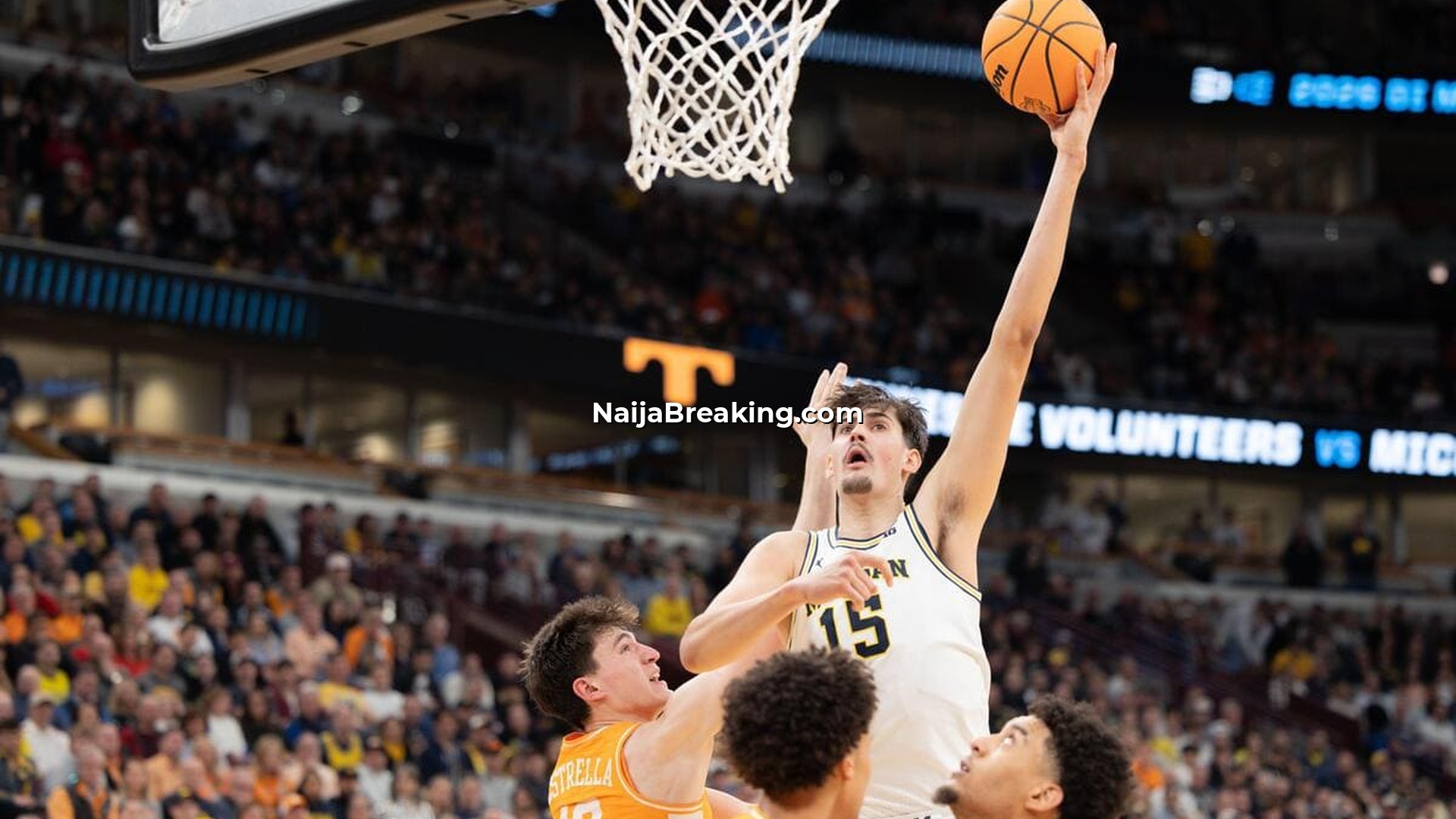
Aday Mara from the University of Michigan represented another standout performer, already regarded as the draft’s most talented pure centre before the combine commenced. His combine performance reinforced assessments that he would likely enter lottery territory, with scouts recognising that his combination of size, skill, and athleticism remains exceptionally rare amongst big men. Meanwhile, prospects such as Koa Peat from the University of Arizona and Kingston Flemings from the University of Houston experienced significant disappointment throughout their combine experience. Peat’s lackluster athletic performance and inconsistent showing during competitive drills raised legitimate questions about his professional readiness, potentially dropping him from first-round consideration entirely. Flemings similarly struggled to demonstrate the elite athleticism and competitive intensity that college scouts had attributed to him throughout the season, resulting in substantial downward draft stock adjustments.
Impact and Analysis
The 2026 NBA Draft Combine results will substantially influence draft positioning, with the outcomes potentially shifting dozens of players’ professional trajectories across multiple draft rounds. Teams employing analytical approaches recognised that combine data provides quantifiable metrics unavailable through traditional game film analysis, enabling more precise comparative evaluations across prospects from different competitive levels. Statistical analysis reveals that players who perform exceptionally at the combine—particularly in athletic testing components—experience average draft position improvements of 2-3 round levels compared to pre-combine projections. Conversely, players who underperform at the combine typically slide 2-4 positions downward, demonstrating that the event’s objective measurements meaningfully influence franchise decision-making despite subjective scouting reports.
The financial implications prove staggering, with potential differences between first-round and second-round selections exceeding ten million dollars across four-year rookie contract scales. A prospect improving from sixth overall to third overall projection would increase his guaranteed contract value by approximately five to eight million dollars—life-changing wealth that reflects the combine’s tremendous significance. Organisations with sophisticated analytics departments recognised that the 2026 combine’s data collection methodologies had advanced considerably, incorporating high-speed motion capture technology, real-time biometric monitoring, and advanced statistical modelling that previous combines lacked. These technological enhancements enabled scouts to identify specific athletic and skill weaknesses with unprecedented precision, potentially penalising players whose combine performances failed to match regular season expectations.
The competitive intensity at the 2026 combine reflected the exceptionally talented draft class, with each prospect recognising that five days of evaluation could determine whether they selected in the lottery versus the first-round remainder. This pressure-filled environment actually benefited prospects like Dybantsa and Carr, whose exceptional performances under scrutiny demonstrated mental toughness and composure valuable at professional levels. Conversely, players like Peat and Flemings appeared to struggle under the combine’s demanding schedule and intense competitive atmosphere, raising concerns about their psychological readiness for professional basketball’s sustained pressure and accountability.
Expert Perspectives
Prominent NBA scouts and analytics experts offered compelling analysis regarding the 2026 combine’s implications for the upcoming draft. Multiple scouts acknowledged that Dybantsa’s combination of size, athleticism, length, and competitive excellence established him as the clearest first overall pick candidate in recent memory, with comparisons drawn to generational talents like Dwight Howard and LeBron James rather than to more recent first-overall selections. The consensus assessment suggested that Dybantsa’s blend of 6’8.5″ height with 42-inch vertical leaping ability translated to defensive versatility and shot-blocking potential that remains extraordinarily valuable in modern basketball’s three-point oriented offensive systems.
Regarding Cameron Carr’s exceptional performance, expert evaluators recognised that his seven-foot wingspan combined with elite shooting mechanics creates a rare perimeter defensive asset capable of guarding positions one through four effectively. Advanced analytics directors from franchises with top-ten draft selections apparently discussed Carr extensively, recognising that his combine performance positively altered their draft board rankings substantially. Conversely, multiple experts expressed concern regarding Koa Peat’s combine struggles, noting that his athletic testing results fell below acceptable thresholds for rim-protection and switching responsibilities required of modern centre positions. The expert consensus suggested that unless Peat dramatically improved performance during private team workouts, he would likely fall outside first-round consideration for the first time in realistic draft projections.
What This Means for Nigerians
For Nigerian basketball enthusiasts and aspiring young athletes, the 2026 NBA Draft Combine results offer profound lessons regarding excellence, preparation, and the significance of performing optimally when opportunities present themselves. Nigeria’s thriving basketball community, which has produced NBA talents like Jahlil Okafor and continues developing prospects through organisations like the West African Basketball Association, can derive valuable insights from observing how combine performance influences career trajectories. Young Nigerian basketball players training in academies throughout Lagos, Abuja, Calabar, and other basketball hotbeds benefit from understanding that combine situations—whether university tryouts, international competitions, or professional evaluations—demand peak performance under pressure.
The substantial financial implications of combine performance resonate particularly powerfully within Nigerian society, where professional sports contracts represent transformative wealth opportunities for entire families and communities. Nigerian basketball families following prospects like those who competed at the 2026 combine recognise that disciplined training, exceptional athleticism development, and mental toughness under pressure create pathways to international professional opportunities. The careers of successful Nigerian basketball professionals have demonstrated this principle repeatedly, with athletes who excelled during evaluation periods at international competitions subsequently securing lucrative NBA contracts or European professional agreements.
Furthermore, Nigerian basketball coaching academies and development programmes increasingly emphasise combine-style training regimens, recognising that NBA-standard athletic testing requirements demand specific conditioning, agility work, and explosiveness development. Organisations working with emerging Nigerian basketball talent now incorporate vertical leap training, sprint mechanics coaching, shooting drill repetition, and competitive scrimmage experiences designed to prepare prospects for international evaluation standards. The 2026 combine results validate this holistic development approach, demonstrating that players combining technical skill refinement with athletic excellence development achieve superior professional outcomes.
Conclusion and Outlook
The 2026 NBA Draft Combine conclusively demonstrated that elite prospects who combine exceptional athleticism with refined technical skills and competitive excellence—exemplified by AJ Dybantsa and Cameron Carr—establish themselves as lottery locks commanding substantial financial compensation and immediate NBA opportunity. Conversely, prospects whose combine performances disappointed relative to pre-event expectations, such as Koa Peat and Kingston Flemings, discovered that single events can substantially reshape professional trajectories and financial futures. The combine’s significance within professional basketball’s talent evaluation ecosystem reflects the sport’s evolution toward quantifiable, measurable assessment methodologies supplementing traditional scouting approaches.
Looking forward toward the actual 2026 NBA Draft, team executives and analytics directors will reference combine data extensively whilst integrating private workout performances, university film analysis, and projected NBA role fit assessments. The combine established clear differentiation between elite, lottery-calibre prospects and those destined for deeper draft rounds, information that will influence negotiations throughout the draft process. For Nigerian basketball followers and emerging athletes, the 2026 combine reinforces that exceptional performance during critical evaluation moments creates life-changing opportunities, whilst substandard performances under pressure produce lasting professional consequences. The lessons embedded within the 2026 NBA Draft Combine extend beyond basketball, highlighting universal principles regarding preparation, execution excellence, and the profound impact of high-stakes performance opportunities.
Share your thoughts in the comments below regarding which 2026 NBA Draft Combine performances most impressed you and whether you agree with expert assessments of the standout winners and struggling prospects.