Nigerian Football Crisis: Adebajo’s Call To Reflect On Systemic Corruption And Decline
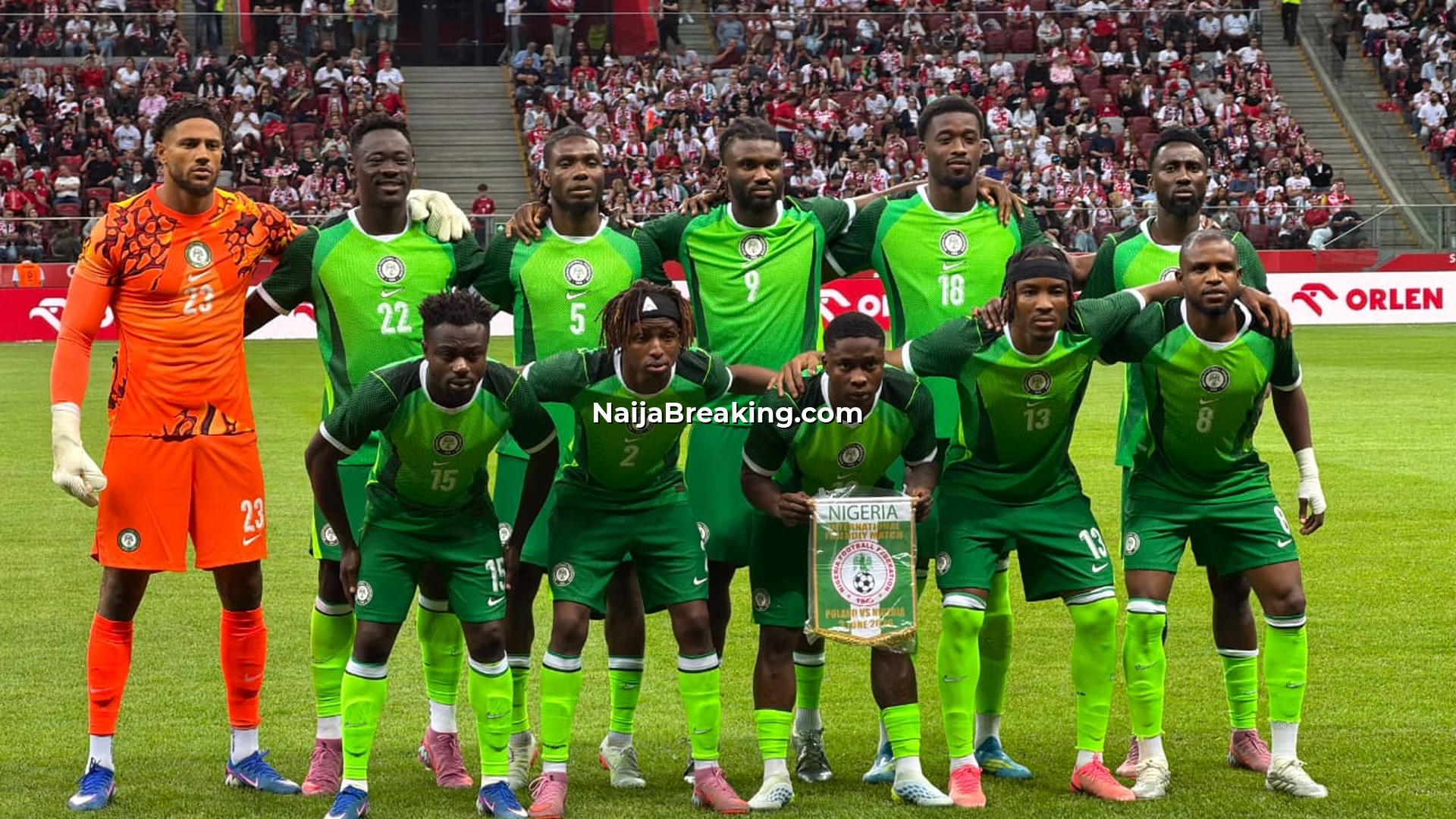
The state of Nigerian football represents one of the most significant institutional failures in post-independence Nigeria, according to recent reflections by respected football administrator Adetilewa Adebajo, Chairman of Stationery Stores Football Club. Nigerian football corruption has systematically dismantled what was once Africa’s most dynamic and successful football ecosystem, transforming a nation that won Olympic gold and reached multiple FIFA World Cups into a struggling football backwater. As the 2024-2025 football season winds down, Adebajo’s candid assessment—published on Complete Sports—resonates deeply with stakeholders across the Nigerian football landscape who have watched the sport’s decline with growing alarm. His article, which marks a rare intervention by a major club chairman, tackles the uncomfortable truth that Nigerian football’s collapse stems not from lack of talent or infrastructure alone, but from endemic corruption, governance failure, and deliberate mismanagement by administrators at the highest levels. For millions of Nigerian football enthusiasts who remember the glory days of the Green Eagles’ international dominance, Adebajo’s reflections serve as a painful reminder of how institutional decay and conflicted leadership have systematically dismantled decades of carefully built sporting excellence and national pride.
Background
Nigerian football’s historical trajectory tells a compelling story of institutional brilliance followed by systematic decline and corruption. The sport’s formal introduction to Nigeria came through British colonial administration, but it was the visionary leadership of Sir Justice Adetokunbo Ademola and Israel Adebajo during the immediate post-independence era that transformed football into a genuine national institution. These pioneers understood that football could serve as both a unifying national symbol and a vehicle for projecting Nigeria’s emerging identity on the global stage during a period when the nation was establishing itself as an independent African power. The establishment of Nigeria’s FIFA affiliation in 1959, which was ratified at the 1960 FIFA Congress, represented a watershed moment for the nation’s sporting ambitions. What followed was a carefully orchestrated development strategy that bore remarkable fruit: Nigeria’s participation in the 1968 Mexico Olympics, where the Green Eagles held the legendary Brazilian team to a 3-3 draw despite being largely unknown on the international stage, demonstrated that Nigerian football possessed both technical quality and competitive spirit capable of challenging the world’s best teams.
The subsequent decades witnessed Nigeria’s ascension to become one of Africa’s dominant football powers, culminating in the nation’s historic 1996 Olympic gold medal victory in Atlanta and participation in six FIFA World Cup tournaments beginning with USA 1994. These achievements represented not mere sporting success but genuine national accomplishment, generating employment, inspiring youth development programmes, and creating pathways for Nigerian excellence to be recognised globally. The financial returns from successful international campaigns also contributed meaningfully to the national exchequer, whilst club football provided entertainment, employment, and community engagement across Nigeria’s diverse regions. However, beneath these surface achievements, structural weaknesses were already embedded within Nigerian football’s administrative architecture. The shift from patriotic pioneers to career administrators and political appointees created a fundamental break in institutional continuity and values, setting the stage for the corruption and mismanagement that would characterise the sport’s modern era.
Key Details
Adetilewa Adebajo’s recent article provides a scathing diagnosis of what went wrong with Nigerian football, focusing on the period following the country’s 1996 Olympic success and subsequent World Cup campaigns. According to his analysis published on Complete Sports, the primary culprits behind Nigerian football’s decline have been government interference, widespread corruption within the Nigeria Football Federation (NFF), personal greed among administrators, and persistent conflicts of interest that have poisoned decision-making processes at all levels. Adebajo traces this degradation to a specific historical moment: the removal of Sir Justice Adetokunbo Ademola and Israel Adebajo from leadership positions following government interference in the 1960s, which established a dangerous precedent wherein football administration became subject to political manipulation rather than meritocratic governance. The article emphasises that whilst Nigeria’s football club—developed by Israel Adebajo—produced ten starting players for Nigeria’s 1968 Olympic team, such developmental excellence became impossible as administrative focus shifted from long-term institutional building to short-term personal enrichment.
The contemporary state of Nigerian football reflects this systematic degradation across multiple dimensions. Club infrastructure has deteriorated markedly, with many historic Nigerian clubs operating from inadequate facilities and struggling with chronic financial instability. The Stationery Stores FC, which Adebajo currently chairs, exemplifies the broader challenge facing Nigerian football clubs: these institutions must generate their own revenue streams whilst competing against better-resourced foreign clubs for talented players, who increasingly prefer overseas opportunities offering superior financial terms and professional development. Youth development programmes that once channelled young Nigerian talent through structured pathways have largely collapsed, creating a talent pipeline crisis wherein promising young players lack proper coaching, nutrition, and competitive structures necessary for optimal development. The financial situation has deteriorated so severely that many clubs cannot guarantee timely salary payments to players and staff, leading to disrupted seasons and reduced competitive quality. Statistics indicate that Nigerian clubs now struggle to attract sponsorship, with corporate investment in local football having declined by an estimated sixty percent over the past two decades as businesses question the return on investment in a poorly-managed ecosystem.
Adebajo’s analysis emphasises that this decline represents not inevitable decay but rather the direct consequence of specific administrative failures and corrupt decision-making. The NFF, which should serve as Nigerian football’s governing anchor, has instead become a source of instability and mismanagement, with federation leadership frequently engaged in disputes with clubs, international bodies, and player representatives. These conflicts reflect fundamental questions about authority, financial accountability, and strategic vision that should have been resolved through clear governance structures and transparent processes. Instead, Nigerian football administration has been characterised by opacity, with decisions often made behind closed doors and communicated inconsistently to stakeholders, creating widespread frustration and erosion of confidence in institutional leadership. The absence of long-term strategic planning means that Nigerian football lurches from crisis to crisis without coherent developmental direction, contrasting sharply with the careful, patient institution-building that characterised the Ademola-Adebajo era of the 1960s.
Impact and Analysis
The systematic collapse of Nigerian football governance has generated cascading negative impacts across the entire football ecosystem and beyond. At the most immediate level, Nigeria’s international competitive performance has declined dramatically: the Green Eagles, who were once consistent participants in World Cup tournaments and African Cup of Nations finals, now struggle to qualify for major competitions and when they do participate, frequently underperform relative to their historical standards and apparent talent pool. This competitive decline represents not merely a sporting embarrassment but a genuine loss of national prestige and soft power at a time when Nigeria seeks to consolidate its position as Africa’s leading nation. The economic implications are equally significant: international football success generates substantial foreign exchange earnings through tournament prize money, television rights, and commercial sponsorships, resources that the Nigerian government desperately needs given current fiscal pressures. Data from the Confederation of African Football (CAF) indicates that successful African national teams can generate between five and fifteen million United States dollars annually through tournament participation and commercial partnerships, resources that Nigeria has increasingly forfeited through competitive underperformance.
The corruption within football administration has also had corrosive effects on Nigeria’s broader sporting reputation and governance credibility. When international football bodies observe mismanagement within Nigerian football, they become reluctant to award prestigious tournaments to Nigeria or invest resources in the nation’s development programmes, creating a reputational penalty that extends beyond football into other sporting disciplines. The financial drain caused by inefficient administration and corrupt practices means that resources nominally dedicated to player development, facility construction, and coaching education are instead diverted to administrative overhead and personal enrichment. This represents a tragic waste of limited national resources that could otherwise contribute to youth development and poverty alleviation through sports participation. Furthermore, the degradation of football club infrastructure has eliminated a significant pathway through which young Nigerians—particularly from disadvantaged backgrounds—could access education, skill development, and upward social mobility. Historically, Nigerian football clubs served as developmental institutions that provided structured environments for young talent whilst creating employment and contributing to community cohesion across Nigeria’s diverse regions.
Expert Perspectives
Beyond Adebajo’s informed analysis, numerous football administrators, coaches, and sports analysts have echoed concerns about systematic problems within Nigerian football governance. Former national team coaches have frequently highlighted the challenge of preparing competitive teams when player development infrastructure remains inadequate and when administrative instability creates uncertainty regarding tournament participation and payment schedules. These experts emphasise that competitive success in modern international football requires sustained investment in youth development, coaching education, facility infrastructure, and medical support systems—precisely the areas where Nigerian football has experienced systematic underinvestment due to administrative corruption and misallocation of resources. Sports management scholars studying African football governance have identified Nigerian football as a cautionary case study wherein poor institutional architecture and inadequate conflict resolution mechanisms created conditions allowing individual administrators to prioritise personal interests over collective institutional success.
International football observers have noted that whilst individual Nigerian players continue to demonstrate exceptional technical quality when they secure opportunities in well-managed clubs and leagues abroad, the national team context frequently fails to optimally utilise available talent due to administrative dysfunction. The contrast between the quality Nigerian players demonstrate in well-structured foreign club environments and their inconsistent performance within the national team framework points clearly to systemic governance problems rather than talent deficiency. CAF officials have privately expressed frustration with the NFF’s inconsistent communication, financial defaulting on tournament obligations, and reluctance to implement recommended governance reforms, creating diplomatic tensions that further isolate Nigerian football from the collaborative relationships essential for continental development initiatives.
What This Means for Nigerians
For millions of ordinary Nigerians, the decline of Nigerian football represents both a personal loss and a missed opportunity for national development. Young footballers who might have established professional careers through well-managed domestic club development pathways must now either migrate to foreign countries seeking opportunity or abandon football aspirations altogether, representing a brain drain of sporting talent and lost potential for youth development through structured sports participation. The entertainment and psychological benefits that successful national football teams provide to citizens—particularly during periods of economic hardship or political uncertainty—have been substantially diminished as Nigerians increasingly watch their national team experience competitive disappointment rather than national triumph. This psychological dimension should not be underestimated: successful national teams generate collective pride and social cohesion that transcend football’s narrow sporting domain, contributing to broader national morale and sense of collective identity.
The financial implications for Nigerian citizens are equally significant. Corruption within football administration means that funds that could theoretically be available for youth development programmes, facility construction in underserved communities, and coaching education are instead diverted elsewhere. This represents a genuine opportunity cost given that sports development programmes have been demonstrated to reduce youth crime, improve educational outcomes, and build community resilience in Nigerian neighbourhoods. For football businesses—agents, equipment suppliers, hospitality providers, and media organisations—the decline of Nigerian football represents diminished commercial opportunities and reduced returns on sporting investments. Nigerian communities that historically organised themselves around their local football clubs have experienced erosion of these community institutions, reducing social engagement and community cohesion. For Nigerian families, the uncertainty surrounding football club operations and the absence of credible career pathways in domestic football have made it increasingly difficult to recommend football as a serious career option for talented young athletes, forcing many to pursue alternative paths that may not optimally utilise their natural abilities and interests.
Conclusion and Outlook
Adetilewa Adebajo’s reflective analysis serves as a crucial call to action for Nigerian football stakeholders to fundamentally reconsider administrative structures, governance mechanisms, and institutional priorities. His article, published on Complete Sports, reminds Nigerians that the decline of Nigerian football is neither inevitable nor irreversible, but rather the direct consequence of choices made by specific administrators and stakeholders prioritising personal interests over institutional excellence. The path forward requires recognition that successful football administration demands precisely the qualities that characterised the Ademola-Adebajo era: strategic vision, institutional integrity, transparent governance, and unwavering commitment to long-term development over short-term exploitation. Without substantial reforms addressing corruption, improving administrative transparency, and rebuilding institutional trust, Nigerian football will continue its downward trajectory, further diminishing the national prestige and opportunities that this great sport can provide. The challenge facing Nigerian football is fundamentally a leadership challenge: the sport possesses abundant talent, significant cultural resonance, and genuine potential for international success if administered by individuals genuinely committed to institutional development rather than personal enrichment.
The urgency of reform cannot be overstated, as every year of continued mismanagement represents lost opportunities for young Nigerian athletes, diminished national competitive performance, and continued erosion of football’s institutional fabric. Nigerian football’s future depends on whether current stakeholders will embrace the values and approaches that built institutional excellence in the 1960s, or whether the sport will continue its decline into irrelevance. Share your thoughts in the comments below.