
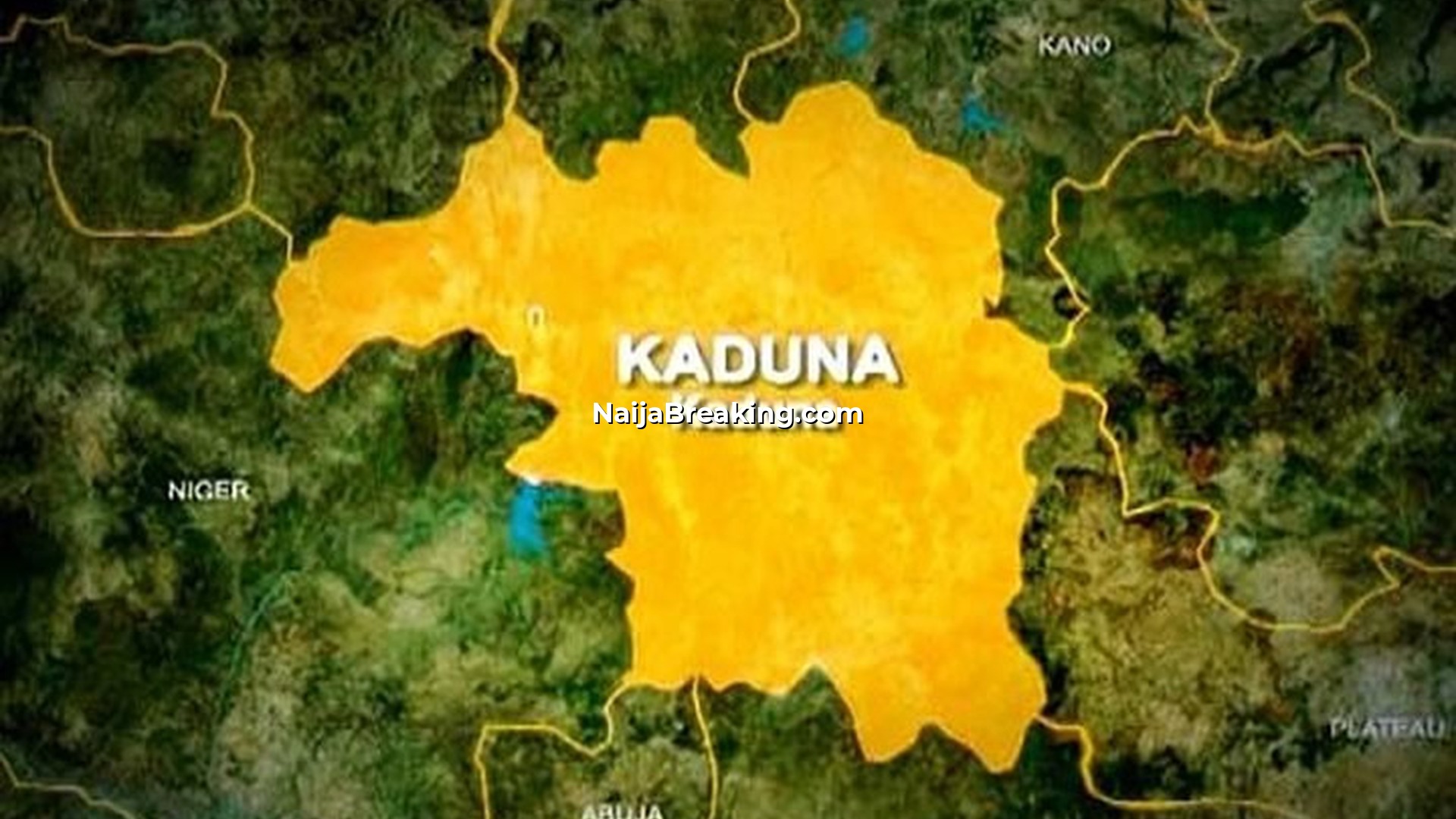
Kaduna State Government Issues Flood Alert as 2026 Rains Approach
The Kaduna State Government has intensified its flood alert and emergency preparedness measures following critical weather forecasts from the Nigerian Meteorological Agency (NiMet). The Kaduna flood alert comes as authorities brace residents for what meteorologists predict will be an above-normal rainfall season in 2026, potentially triggering widespread flooding across multiple local government areas in the state. This proactive response represents a significant shift in how Nigerian state governments are approaching disaster management, with officials emphasising early warning systems and community participation as essential tools for minimising casualties and economic losses. According to the Commissioner for Information and Culture, Ahmed Maiyaki, the state has mobilised its Ministry of Information and Culture alongside the Kaduna State Emergency Management Agency (SEMA) to launch comprehensive sensitisation campaigns across urban and rural communities. The flood alert underscores growing concerns about climate variability and extreme weather patterns affecting Nigeria’s northern states, where flooding has become an increasingly frequent occurrence over the past decade. For residents of Kaduna State, this announcement carries immediate implications for property planning, agricultural activities, and infrastructure investments as the rainy season approaches. The government’s decision to issue the flood alert well in advance provides a critical window for citizens to implement preventive measures, secure vulnerable properties, and participate in community-wide drainage and sanitation efforts.
Background
Understanding the context of the Kaduna flood alert requires examining the historical pattern of flooding in Nigeria’s northwestern states and the meteorological factors driving current predictions. Nigeria has experienced increasingly severe flooding events over the past two decades, with the 2022 floods causing an estimated ₦3.2 trillion in damages across the country according to the National Emergency Management Agency (NEMA). Kaduna State, situated in Nigeria’s north-central region, has been particularly vulnerable to flooding due to its geography, with multiple river systems including the Kaduna River, Gurara River, and various tributaries creating natural drainage pathways that frequently overflow during intense rainfall periods.
The 2012 floods, which devastated several Nigerian states, claimed approximately 363 lives and displaced over 2 million people, with Kaduna among the heavily affected areas. More recently, the 2020 flooding season resulted in significant economic losses across the state, destroying farmlands, displacing families, and damaging critical infrastructure in communities along major waterways. These precedents have prompted state governments to adopt more sophisticated early warning systems and climate-informed governance strategies. The Nigerian Meteorological Agency, established as the nation’s primary weather forecasting institution, has significantly improved its predictive capabilities, allowing state governments like Kaduna to receive detailed seasonal climate predictions several months in advance, enabling timely interventions and public awareness campaigns.
The broader context of climate change and environmental degradation has amplified flooding risks across Nigeria. Deforestation, poor waste management, and inadequate drainage infrastructure in urban centres have exacerbated the impact of seasonal rainfall. Kaduna State, with its rapidly growing urban population in Kaduna metropolis and increasing construction activities, faces compounded risks as concrete surfaces reduce water permeability and overwhelm traditional drainage systems. The state government’s decision to issue a flood alert reflects lessons learned from previous disasters and acknowledgement that proactive communication, combined with emergency preparedness measures, represents the most effective strategy for protecting residents and minimising socioeconomic disruptions.
Key Details
The Kaduna flood alert is grounded in specific meteorological data released through NiMet’s 2026 Seasonal Climate Prediction report, which identifies Kaduna State among regions likely to experience above-normal rainfall throughout the year. According to official statements from the Commissioner for Information and Culture, rainfall in Kaduna State is forecasted to commence between May 19 and June 10, 2026, with the rainy season expected to persist until between October 5 and October 21, 2026. This extended rainfall period spans approximately five months, creating numerous opportunities for flooding if rainfall exceeds predicted normal levels.
A particularly concerning aspect of the flood alert involves NiMet’s prediction of a severe 21-day dry spell projected between June and August 2026. This meteorological phenomenon, whilst appearing counterintuitive during what should be the rainy season, actually intensifies flooding risks by creating conditions where concentrated rainfall events are more likely to exceed soil absorption capacity and overwhelm drainage infrastructure. When drought conditions abruptly transition to heavy precipitation, the ground becomes hardened and less absorbent, causing water to accumulate rapidly and flow towards lower elevations where communities typically settle.
According to source, the Kaduna State Government has already commenced coordinated sensitisation and disaster response initiatives designed to minimise flooding impact. Commissioner Ahmed Maiyaki stated that “The Kaduna State Government is taking this forecast seriously. Early preparedness and public cooperation remain critical to reducing the impact of flooding on our communities.” The government has issued specific advisory measures including urging residents to clear drainage systems around homes and business premises, desist from indiscriminate refuse dumping into waterways, and implement preventive measures such as sandbag placement in flood-prone areas. The Ministry of Information and Culture, collaborating with Kaduna State Emergency Management Agency, has launched a statewide sensitisation campaign targeting both urban and rural communities, engaging traditional rulers, religious leaders, media organisations, and civil society groups in disseminating safety information.
Impact and Analysis
The Kaduna flood alert carries substantial implications for economic activity, agricultural productivity, and social welfare across the state. Kaduna State’s agricultural sector, which employs significant portions of the rural population and contributes approximately 28% of the state’s Gross Domestic Product, faces considerable risk from flooding that could destroy crops, damage irrigation infrastructure, and displace farming families during critical cultivation periods. Flooding during the 2026 rainy season, particularly if rainfall exceeds normal forecasts, could result in reduced agricultural yields, increased food insecurity, and income losses for farming households already operating with minimal profit margins.
Urban areas within Kaduna State, particularly the Kaduna metropolis which has experienced rapid, sometimes unplanned urbanisation, remain vulnerable to flash flooding due to inadequate stormwater management infrastructure. The proliferation of informal settlements in low-lying areas without proper drainage systems creates particular vulnerability. A comprehensive analysis of flood impacts demonstrates that each major flooding event costs affected states between ₦500 million and ₦2 billion in emergency response, reconstruction, and lost economic productivity. Beyond immediate economic losses, flooding disrupts educational services, healthcare delivery, and business operations, with ripple effects extending across entire regional economies.
The flood alert also carries political dimensions, as effective disaster management directly influences public confidence in government competence and responsiveness. State governments that demonstrate proactive planning, transparent communication, and equitable resource distribution in disaster response build institutional credibility and strengthen citizen trust. Conversely, inadequate preparedness or perceived misallocation of disaster relief resources can generate significant political criticism and undermine governance legitimacy. Kaduna State’s decision to issue advance warnings and launch comprehensive awareness campaigns represents a strategic approach to managing both humanitarian and political risks associated with the predicted flooding season.
Expert Perspectives
Climate and disaster management experts have increasingly emphasised the critical importance of early warning systems and community participation in reducing flooding vulnerability. Dr. Adeola Adeleke, a climate scientist at the University of Lagos, has documented how seasonal climate predictions, when effectively communicated to communities, enable residents to implement preventive measures that significantly reduce casualties and economic losses. Research from Nigeria’s Meteorological Institute demonstrates that communities receiving advance flood warnings experience 40-60% reductions in casualties compared to those without warning systems, a substantial differential highlighting the value of predictive meteorology.
Emergency management specialists note that the Kaduna State Government’s approach of engaging traditional rulers and religious leaders reflects evidence-based strategies for reaching dispersed rural populations with critical safety information. These community influencers possess established networks, cultural authority, and communication channels that government agencies alone cannot effectively utilise. Environmental sanitation advocates emphasise that clearing drainage systems and preventing refuse dumping represent the most cost-effective preventive measures available to communities, as clogged drains and debris-obstructed waterways directly cause urban flooding even during moderate rainfall. Official statements from NEMA and state emergency management agencies consistently underscore that community cooperation in environmental maintenance proves more effective and sustainable than government-led infrastructure solutions alone, particularly in resource-constrained contexts typical of developing economies.
What This Means for Nigerians
For residents of Kaduna State, the flood alert carries immediate practical implications requiring individual and household-level preparations. Homeowners in flood-prone areas should assess property vulnerability, implement drainage improvements, stockpile sandbags and other barrier materials, and develop evacuation plans identifying safe assembly points and emergency contact procedures. Tenants and residents in informal settlements should establish community-based early warning networks and identify higher ground locations where populations can relocate if flooding becomes imminent. The flood alert encourages property owners to review insurance coverage, as flood damage frequently exceeds standard homeowner policies, leaving residents with substantial uncompensated losses.
Agricultural practitioners and farming communities must adjust planting calendars, select flood-resistant crop varieties, and implement water conservation practices anticipating the predicted dry spell between June and August. Farmers should prioritise crops with shorter maturation periods, reducing exposure to potential flooding during mid-season rainfall peaks. Small-scale businesses, particularly those operating in low-lying areas, should relocate inventory and essential equipment to elevated storage spaces, install flood-resistant barriers, and secure alternative business locations to maintain operations if primary premises become inaccessible. Market traders and roadside vendors must plan migration routes in advance, identifying temporary trading locations where commercial activity can continue during flooding periods.
The flood alert also encourages broader civic engagement, with residents expected to participate in community drainage cleaning initiatives, report blocked waterways to local government authorities, and support neighbour assistance networks for vulnerable populations including elderly residents, persons with disabilities, and families with young children. Schools should incorporate flood safety education into curricula, teaching children recognition of flooding risks and appropriate response protocols. Healthcare facilities should strengthen emergency preparedness plans, ensuring adequate supplies of portable medical equipment and establishing protocols for treating flood-related injuries and waterborne disease outbreaks. For investors and business owners considering projects in Kaduna State, the flood alert necessitates incorporating flood risk assessments into site selection and infrastructure planning processes.
Conclusion and Outlook
The Kaduna State Government’s issuance of a flood alert for the 2026 rainy season represents a commendable commitment to proactive disaster risk management and evidence-based governance. By translating meteorological predictions into concrete advisory messages and mobilising state institutions alongside community partners, Kaduna authorities demonstrate understanding that effective flood management requires coordinated action across government, civil society, and individual households. The decision to issue advance warnings aligns with international best practices in disaster risk reduction and reflects Nigeria’s growing sophistication in climate adaptation strategies.
Looking forward, the effectiveness of the flood alert will depend substantially on sustained public engagement, resource allocation for drainage infrastructure improvements, and equitable distribution of emergency response assistance. State and local government authorities must translate awareness campaigns into concrete actions including culvert repairs, riverbank reinforcement, and drainage system upgrades in vulnerable communities. The 2026 rainy season will test whether advance warning systems genuinely translate into reduced flooding impacts or whether systemic challenges in infrastructure and coordination limit their effectiveness. Residents of Kaduna State are urged to take the flood alert seriously, implement recommended preventive measures, and actively participate in community resilience-building efforts. The flooding season ahead presents both challenges and opportunities for demonstrating how informed, engaged citizenry working alongside responsive government institutions can effectively manage environmental hazards and protect lives and livelihoods. Share your thoughts in the comments below regarding how your community can better prepare for the upcoming rainy season.