Google TV Gets Major Gemini Features with AI Photo and Video Tools
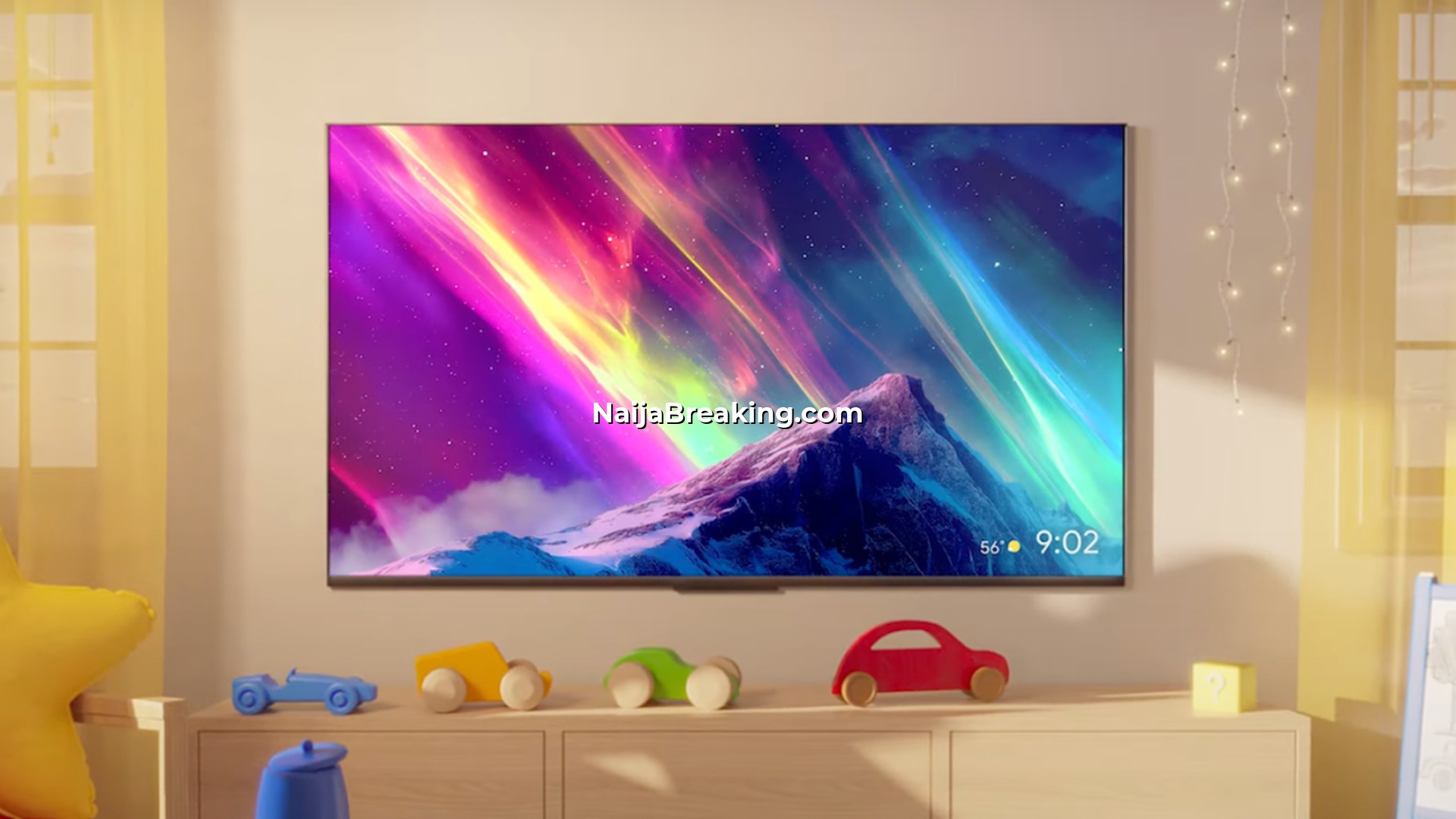
Google has announced a significant expansion of Gemini features coming to Google TV, introducing powerful artificial intelligence capabilities that will transform how users interact with their entertainment and media content. The Gemini features Google TV update brings generative AI tools directly to the home screen, enabling users to create, edit, and transform photos and videos using simple voice commands and prompts. According to a report from TechCrunch on April 29, 2026, this rollout marks a major shift in how streaming devices function, moving beyond passive content consumption to active creation. The new capabilities are initially launching on Gemini-enabled TCL televisions in the United States, with broader device support expected to follow shortly after. For Nigerian technology enthusiasts and early adopters, this development signals the growing democratisation of artificial intelligence tools that were previously available only through complex software or expensive creative applications. The integration of Gemini features into Google TV represents Google’s commitment to making generative AI accessible in everyday devices that millions of households already own. This advancement comes at a time when the global tech industry is racing to embed artificial intelligence into consumer products, and Nigeria’s tech-savvy population is increasingly eager to access cutting-edge features that enhance productivity and entertainment simultaneously.
Background
Google’s journey toward integrating Gemini capabilities into consumer devices has been methodical and strategic. Gemini, Google’s advanced artificial intelligence model, was introduced as the company’s most capable AI system, designed to understand and generate content across text, images, audio, and video formats. Over the past several months, Google has been gradually rolling out Gemini features across its product ecosystem, starting with Android devices, Google Workspace applications, and cloud services. The company recognised that artificial intelligence needed to move beyond standalone applications and become woven into the fabric of devices that people use daily, particularly in their homes where family entertainment takes place.
Google TV, which powers millions of smart televisions worldwide, has been identified as an ideal platform for deploying these AI capabilities. The platform already had significant reach in developing markets and established markets alike, with penetration in countries across Africa including Nigeria, where smart TV adoption has been steadily increasing over the past five years. According to industry research, the global smart TV market reached approximately 220 million units in 2024, with growth expected to continue at a compound annual growth rate of around 9 percent through 2030. Google recognised this opportunity and began planning how to leverage Gemini’s capabilities within the television interface, where family members gather and where social, entertainment-driven experiences are most valued.
The development of these new Gemini features reflects broader industry trends toward conversational AI and generative creativity tools. Major technology companies including Apple, Amazon, and Microsoft have all announced plans to integrate artificial intelligence more deeply into their consumer products. Google’s approach with Google TV emphasises the living-room experience as fundamentally social and creative, positioning artificial intelligence not as a productivity tool for work but as an entertainment and memory-sharing enabler. This positioning is particularly relevant for Nigerian households, where family gatherings and shared media experiences remain central to social life and cultural practices.
Key Details
The new Gemini features coming to Google TV include several distinct capabilities that transform how users can interact with their visual content. At the heart of this update is a new “Create” button within the Gemini tab on Google TV’s interface, which gives users access to two powerful generative AI tools: Nano Banana and Veo. According to the announcement from TechCrunch, these tools are rolling out first on Gemini-enabled TCL televisions in the United States, with the company indicating that broader device support will follow as the feature stabilises and gains user adoption.
Nano Banana is Google’s advanced image generation and editing model that allows users to transform photographs using natural language prompts spoken directly to their television. The tool enables users to perform sophisticated edits such as swapping outfits on people in photos, changing backgrounds entirely, or generating completely new scenes based on descriptions. Google has deliberately positioned Nano Banana as a family-friendly, entertainment-focused tool, encouraging users to have fun with the technology by creating humorous transformations. For example, the company highlighted prompts like “make my dad wear a ridiculous outfit” as the type of playful interaction that could generate laughter and entertainment during family gatherings. This social dimension is crucial to understanding how Google approaches AI for the living room, emphasising shared experiences rather than individual productivity.
Veo represents Google’s video generation and animation technology, allowing users to create video clips from scratch or animate static images by providing descriptive scenarios. Users can input creative prompts such as “make my grandfather moonwalk in space” and the AI will generate corresponding video content. Additionally, Google Photos is receiving significant upgrades powered by Gemini, including enhanced search capabilities that use artificial intelligence to surface specific memories without users having to manually browse through entire photo libraries. The new “Remix” feature allows artistic transformation of photos, applying styles such as watercolor or oil painting to create gallery-quality images. Dynamic Slideshows introduce animated layouts, frames, and colour treatments that transform photo collections into television-ready presentations.
Beyond artificial intelligence tools, Google is also emphasising short-form video content integration. A new “Short videos for you” row will appear on the Google TV home screen, bringing YouTube Shorts directly into the television viewing experience. This expansion recognises the significant shift in how audiences, particularly younger demographics, consume video content, with short-form platforms becoming increasingly dominant in global media consumption patterns.
Impact and Analysis
The introduction of these Gemini features to Google TV represents a fundamental shift in how streaming devices function and how families interact with their entertainment systems. By transforming Google TV from a passive consumption platform into an active creation tool, Google is expanding the addressable market for generative artificial intelligence beyond professional and productivity-focused users. The global generative AI market is projected to reach approximately 236 billion U.S. dollars by 2030, according to market research data, with consumer devices representing an increasingly important segment of this expansion. The integration of these capabilities directly into television systems positions Google to capture a significant portion of this market growth.
From an economic perspective, this strategy creates multiple benefits for Google’s business model. First, it enhances user engagement and time spent on Google TV, which translates to increased advertising revenue and stronger positioning against competitors like Amazon Fire TV and Roku. Second, it creates opportunities for premium feature tiers, where advanced Gemini capabilities could eventually become part of paid subscription offerings. Third, it strengthens Google’s competitive position in the artificial intelligence space by demonstrating practical, consumer-friendly applications of Gemini technology. The move also signals confidence in the stability and commercial viability of these AI tools, which is significant given earlier concerns from developers and tech industry analysts about the quality and reliability of generative AI systems in mainstream applications.
The emphasis on family-friendly, entertainment-driven features rather than work-focused productivity tools represents an important strategic choice. This approach acknowledges that artificial intelligence adoption in consumer markets depends heavily on perceived entertainment value and social utility rather than efficiency gains. By positioning Gemini features as tools for creating shared experiences and preserving memories, Google is addressing deeper human needs around connection, creativity, and documentation of important life moments.
Expert Perspectives
Technology analysts and industry experts have largely responded positively to Google’s announcement of expanded Gemini features for Google TV. Many observers note that the television has remained largely unchanged functionally since the introduction of smart TVs, with most innovation occurring at the content and streaming service level rather than in how users interact with the device itself. Introducing generative artificial intelligence capabilities directly into the television interface represents a genuine innovation in device functionality. Consumer technology experts suggest that this move could stimulate broader adoption of Google TV as a platform, particularly among households seeking modern features and cutting-edge technology experiences.
Industry analysts also highlight the strategic importance of positioning artificial intelligence as entertainment-focused rather than productivity-focused for consumer adoption. According to various technology research firms, generative AI features that emphasise fun, creativity, and social sharing show significantly higher adoption rates among mainstream consumers compared to features emphasising workplace efficiency. The decision to launch first on TCL televisions, which dominate smart TV market share in many regions including developing markets, also reflects strategic thinking about reaching the broadest possible audience. TCL’s market position and competitive pricing make it an ideal launch partner for features intended for mainstream consumers rather than premium segments.
What This Means for Nigerians
For Nigerian technology users and households, the rollout of these Gemini features to Google TV carries significant implications for how families can interact with entertainment systems and preserve memories. Nigeria has experienced tremendous growth in internet penetration and smart device adoption over the past decade, with organisations like the Nigerian Communications Commission reporting steady increases in broadband connectivity and smart device ownership. Currently, approximately 28 percent of Nigerian households have access to smart televisions or devices capable of streaming content, with this percentage growing particularly rapidly in urban centres like Lagos, Abuja, and Port Harcourt.
The availability of advanced artificial intelligence tools integrated directly into television systems could accelerate smart TV adoption among Nigerian consumers who have previously viewed these devices as expensive luxury items. By offering creative and entertainment-focused features that appeal to the social and cultural values of Nigerian families, Google makes the value proposition for smart TV investment more compelling. Nigerian families, where extended family gatherings and shared media experiences remain culturally central, are particularly well-positioned to appreciate the entertainment and memory-preservation aspects of these Gemini features. The ability to transform family photos with playful AI effects or create animated videos celebrating family members addresses entertainment needs that resonate strongly within Nigerian culture.
However, Nigerian users will likely need to wait some time before these features become widely available, as the initial rollout focuses on TCL TVs in the United States market. The progression to broader device support and international markets typically takes several months to years for Google product launches. Additionally, Nigerian users should be aware that optimal use of these Gemini features requires stable, relatively high-speed internet connectivity, which remains inconsistent in some regions of Nigeria despite overall improvements in broadband infrastructure. Mobile data costs and bandwidth limitations may also present challenges for users attempting to process video creation tasks, which are computationally intensive and data-heavy operations.
Conclusion and Outlook
Google’s announcement of expanded Gemini features for Google TV marks a significant milestone in making advanced artificial intelligence accessible to mainstream consumers through devices already present in millions of homes worldwide. The introduction of tools like Nano Banana and Veo, combined with enhanced Google Photos capabilities and YouTube Shorts integration, transforms the television from a passive entertainment device into an interactive creation platform. For Nigerian technology enthusiasts and households seeking to access cutting-edge features, this development signals exciting possibilities for enhanced entertainment and memory preservation experiences once these features reach local markets. The focus on family-friendly, entertainment-driven artificial intelligence applications suggests that Google has learned important lessons about consumer adoption and the importance of perceived value beyond productivity metrics.
Looking forward, the success of these Gemini features on Google TV could influence how other technology companies approach artificial intelligence integration in consumer devices. If adoption rates prove strong and user engagement metrics demonstrate sustained interest, we can expect other manufacturers and platforms to accelerate their own artificial intelligence feature development. Nigerian consumers should monitor the gradual rollout of these features and consider how they might enhance their household entertainment experiences. The globalisation of these technologies will eventually bring them to Nigerian markets, and early awareness of their capabilities will help consumers make informed decisions about smart TV purchases and upgrades. Share your thoughts in the comments below about how you envision using these AI features in your household entertainment setup.