Glasgow 2026 Nigeria Medals: Commonwealth Games Success Shows Potential Beyond Athletics
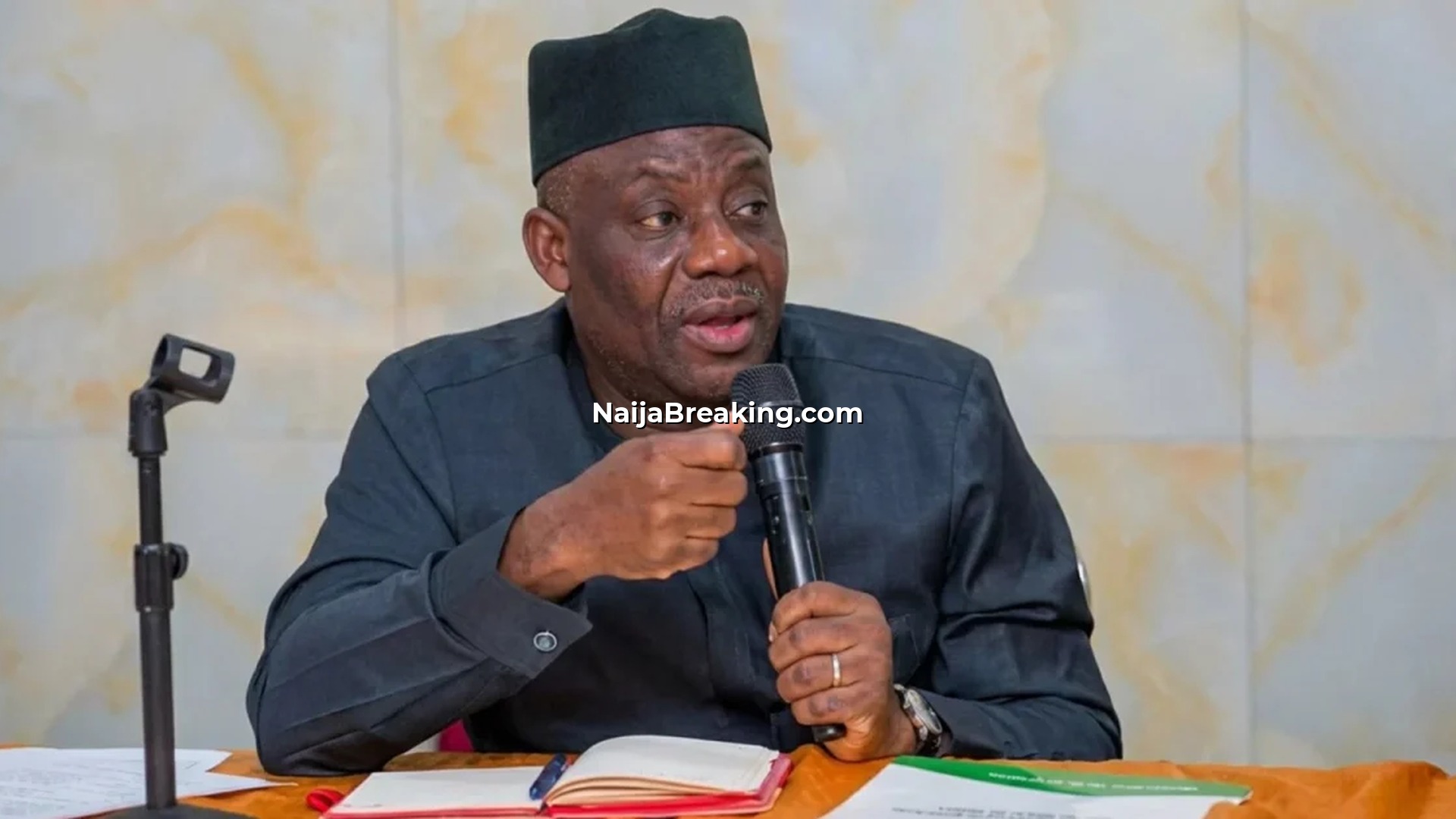
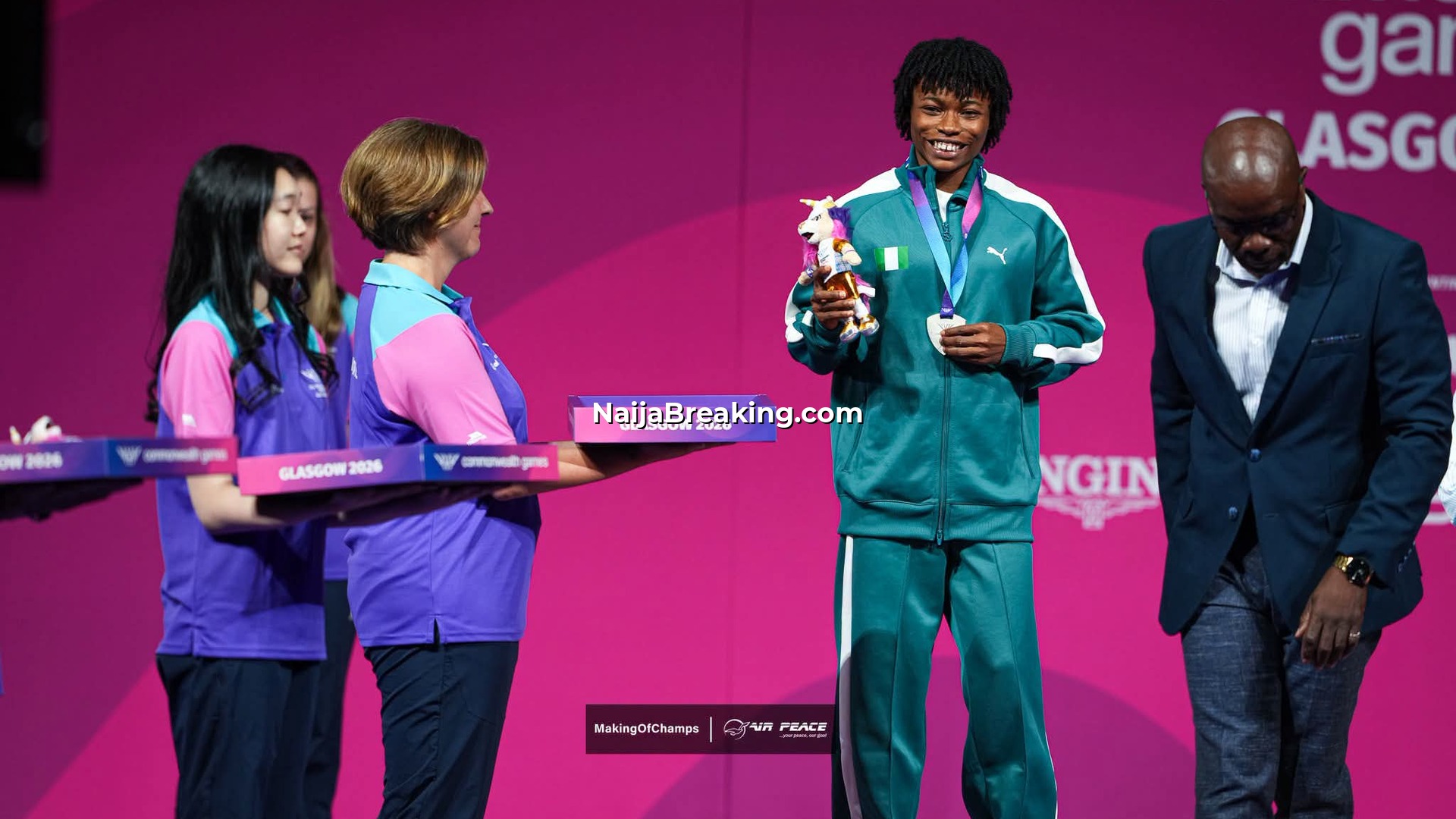
Nigeria’s performance at the Glasgow 2026 Commonwealth Games represents far more than a collection of medals—it signals a potential turning point in how the nation approaches elite sports development and government backing for its athletes. The Glasgow 2026 Nigeria medals haul, which already includes weightlifter Ruth Asuquo Nyong’s impressive silver medal in the women’s 48kg category, marks Nigeria’s seventh medal at the Games, exceeding early projections and prompting National Sports Commission (NSC) Director General Bukola Olopade to declare confidently that Team Nigeria remains “on track” for an even more successful campaign. The significance of these early Glasgow 2026 Nigeria medals cannot be overstated, coming at a time when Nigerian sports infrastructure has faced chronic underfunding, administrative chaos, and a brain drain of talented athletes seeking opportunities abroad. What makes this moment particularly noteworthy is not just the medals themselves, but what they reveal about renewed coordination within Nigeria’s sporting establishment and the psychological shift occurring within our athlete community. For a nation of over 220 million people with extraordinary athletic talent, sustained underperformance at major international competitions has become a national embarrassment. This Glasgow 2026 campaign suggests that with proper organisation, funding, and morale-building, Nigeria can compete credibly on the Commonwealth stage and beyond. The story of Nigeria’s medals journey at Glasgow 2026 deserves closer examination not as mere sports reporting, but as a window into Nigeria’s capacity for institutional reform and coordinated excellence.
Understanding Nigeria’s Commonwealth Games History and the Path to Glasgow 2026 Nigeria Medals
Nigeria’s relationship with Commonwealth Games competition has been historically inconsistent, marked by periods of brilliance interrupted by stretches of mediocrity and administrative failure. The nation’s best-remembered performances came during the 1990s and early 2000s, when Nigerian athletes dominated in athletics, particularly the sprints, thanks to a combination of natural talent and relatively better government support. However, the past two decades witnessed a steady decline in Nigeria’s medal hauls at successive Commonwealth Games, a deterioration reflecting broader challenges within the sports management ecosystem including the National Sports Commission’s structural instability, corruption scandals, delayed athlete payments, and inadequate training facilities. The contrast between Nigeria’s historical Commonwealth dominance and recent underperformance highlights a structural problem rather than a talent deficiency—the issue lies in institutional capacity, not in the quality of Nigerian athletes.
Looking back at previous Commonwealth Games, Nigeria’s medal counts tell a troubling story of decline. At Melbourne 2006, Nigeria secured 16 medals overall, with 3 gold medals demonstrating competitive capability. By Delhi 2010, this had declined to 12 medals with 1 gold. The 2014 Glasgow Games (the previous iteration) saw Nigeria win just 9 medals with a meagre 2 gold medals, signalling an alarming downward trajectory. This consistent decline was attributed to multiple factors: inadequate preparation time for athletes, insufficient funding for training camps and equipment, travel complications, and the departure of many talented athletes to compete for other nations. The psychological toll on Nigerian sports administrators and athletes alike was profound, creating a sense of hopelessness that seemed to perpetuate underperformance.
The appointment of Bukola Olopade as NSC Director General marked a shift in rhetoric and, more importantly, in visible operational changes. Olopade’s tenure, now into its second year, has coincided with what insiders describe as a “cultural reset” within Team Nigeria’s administrative apparatus. Rather than the fractious, blame-laden environment that characterised previous campaigns, officials and athletes began reporting improved communication, clearer medal targets, and more transparent resource allocation. This cultural shift did not happen overnight, but represented a deliberate strategy to rebuild trust between the NSC and the athletic community. The significance of achieving Glasgow 2026 Nigeria medals early in the Games suggests that this cultural reset is bearing tangible fruit.
Ruth Asuquo Nyong and Weightlifting’s Role in the Glasgow 2026 Nigeria Medals Success
Ruth Asuquo Nyong’s silver medal in the women’s 48kg weightlifting category represents a watershed moment for Nigerian Olympic sports beyond the traditional strongholds of athletics and swimming. For decades, weightlifting has been a neglected discipline in Nigerian sports development, receiving minimal funding despite the nation’s documented strength potential and body composition advantages. Nyong’s achievement at Glasgow 2026 is particularly significant because it demonstrates that when Nigerian athletes receive proper coaching, scientific support, and training infrastructure, they can compete credibly against the world’s best. Her silver medal at the Glasgow 2026 Games contributes substantially to the growing narrative that Nigeria’s medals potential extends far beyond track and field.
Nyong’s journey to a Glasgow 2026 Nigeria medals finish reflects the personal determination and resilience that characterizes many Nigerian athletes. Operating with limited resources compared to athletes from traditionally wealthy Commonwealth nations, she trained primarily in sub-optimal conditions, yet still managed to reach international competition standards. Her coaching team worked with creative solutions to access modern training methodologies, and her nutritional support came from personal sacrifice and community backing. The fact that despite these limitations she still earned a medal at Glasgow 2026 showcases the extraordinary potential locked within Nigeria’s sports system when even modest improvements in support are implemented.
The weightlifting discipline represents an underexplored avenue for Nigerian excellence. The nation’s demographic profile—young, strong, and athletically gifted—suggests tremendous potential for medal success in strength sports. Yet historically, weightlifting has received only token investment from Nigerian sports authorities, and most talent development has been neglected. Nyong’s silver at Glasgow 2026 should serve as a catalyst for reconsidering resource allocation within Nigerian sports development. If the NSC can redirect even a fraction of additional funding toward weightlifting infrastructure, coaching education, and talent identification programs, the returns in terms of international medals could be substantial. The Glasgow 2026 Nigeria medals in weightlifting might represent the beginning of a new era where Nigeria competes across multiple Olympic disciplines, not just in athletics.
Analysing the Seventh Medal: What Glasgow 2026 Nigeria Medals Reveal About Systemic Change
Achieving seven medals by this point in the Glasgow 2026 Games, particularly with medals spanning multiple sports disciplines, indicates meaningful systemic improvement within Nigerian sports governance. The distribution of these medals across different sports—not concentrated exclusively in athletics—suggests a more comprehensive approach to athlete development and international competition. This diversification is crucial because it demonstrates that the NSC’s institutional reforms are producing results across the entire athletic spectrum, not just in traditional strongholds.
The pace at which Nigeria has accumulated medals at Glasgow 2026 outpaced official pre-Games projections, which had conservatively estimated a final haul of 5-7 medals for the entire competition. The fact that Nigeria had already reached seven medals well before the Games’ conclusion indicates either improved athlete preparation, better competition strategy, or both. Director General Olopade’s declaration that Team Nigeria remains “on track” for greater success carries credibility because it is grounded in actual performance data from the ongoing Games, not merely optimistic speculation. This transparency and evidence-based confidence represent a stark contrast to previous NSC leadership that often made unfounded promises disconnected from athlete preparation realities.
The Glasgow 2026 Nigeria medals achievement also reflects improved logistical coordination in pre-Games preparation. Athletes reported receiving their competition schedules in advance, training camps were better organized with qualified coaching staff, and the bureaucratic obstacles that previously plagued Team Nigeria’s international participation seem to have been substantially reduced. These operational improvements, while appearing mundane compared to dramatic medal victories, actually represent the foundations upon which sustainable international success is built. A nation can only punch above its weight for so long through exceptional individual talent; sustainable success requires institutional capacity, proper resource management, and coordinated planning.
The Broader Context: Why Glasgow 2026 Nigeria Medals Matter Beyond Sports Statistics
Understanding the significance of Nigeria’s medals at Glasgow 2026 requires context about what these achievements represent for the nation’s broader development trajectory. Sports success, particularly at prestigious international events, carries psychological and cultural importance far exceeding the immediate value of medals themselves. For a nation wrestling with security challenges, economic difficulties, and internal divisions, international sports success serves as a powerful symbol of national capability and unity. When Nigerian athletes succeed on the world stage, it reinforces a national narrative of competence and excellence that extends beyond athletics into broader public consciousness.
The Glasgow 2026 Nigeria medals, though numerically modest compared to medal-rich nations like Australia or Canada, represent extraordinary achievements given the resource constraints under which Nigerian athletes operate. An Australian athlete typically trains in world-class facilities with scientific support teams costing hundreds of thousands of dollars annually. A Nigerian athlete earning a comparable medal at Glasgow 2026 often does so with a fraction of those resources, relying on personal determination, community support, and whatever minimal institutional backing can be mobilized. In this context, each medal becomes exponentially more impressive—a testament to individual excellence operating within severely constrained circumstances.
The NSC’s newfound confidence regarding additional Glasgow 2026 Nigeria medals achievements also carries implications for future competition cycles. The institutional learning that has produced better preparation for Glasgow 2026 can be systematized and improved for subsequent Commonwealth Games and Olympic competitions. If the current NSC leadership can establish sustainable funding mechanisms, professional coaching development programs, and proper athlete support infrastructure, Nigeria’s international competitive position could improve markedly. The medals won at Glasgow 2026 would then be viewed as the beginning of a sustained period of improvement, rather than an isolated positive anomaly.
Challenges Remaining and the Path Forward for Nigeria’s Medals Ambitions
Despite the encouraging performance at Glasgow 2026, significant challenges remain for sustainable improvement in Nigeria’s international sports competitiveness. Chronic underfunding continues to plague Nigerian sports development, with the annual NSC budget representing a tiny fraction of what comparative nations invest in athletic development. Brain drain remains a persistent problem, with talented Nigerian athletes either emigrating to pursue opportunities or choosing to compete for other nations. The domestic sports infrastructure—training facilities, coaching education, sports medicine services—remains inadequate compared to competitors from developed Commonwealth nations.
The medals achieved at Glasgow 2026 must be viewed as a foundation upon which to build, not as evidence that all systemic problems have been solved. The NSC leadership must leverage this Glasgow 2026 Nigeria medals success to justify increased government funding and private sector investment in sports development. The window of opportunity to solidify these gains and create sustainable excellence may be brief, depending on political priorities and budgetary pressures. Previous bursts of sports success in Nigeria have not been sustained because they were not backed by institutional commitment and long-term funding strategies.
Looking specifically at the Glasgow 2026 Nigeria medals earned and projecting forward, the NSC should develop a comprehensive strategy for successive international competitions. This strategy should include: enhanced talent identification and development programs in underexploited disciplines; professional coaching development initiatives; improved sports science and medical support; secured funding for athlete allowances and competition participation; and partnership development with international federations for technical support. The medals won at Glasgow 2026 should catalyze rather than conclude Nigeria’s ambitious sports development agenda.
Conclusion: Glasgow 2026 Nigeria Medals as a Turning Point
Nigeria’s accumulation of medals at the Glasgow 2026 Commonwealth Games, highlighted by Ruth Asuquo Nyong’s weightlifting achievement and expanded success across multiple disciplines, represents a genuine turning point for Nigerian sports. The Glasgow 2026 Nigeria medals performance demonstrates that institutional reform, coordinated planning, and renewed government commitment can produce rapid and measurable improvements in international athletic competitiveness. While the absolute number of medals remains modest by global standards, the context—resource constraints, historical underperformance, and recent institutional challenges—makes the Glasgow 2026 Nigeria medals achievements genuinely impressive and symbolically significant.
The trajectory established at Glasgow 2026 offers hope that Nigeria can rebuild its position as a credible Commonwealth competitor and international athletic force. The confidence expressed by NSC Director General Olopade regarding additional medals at Glasgow 2026 appears justified by actual performance data. More importantly, the systems and approaches that produced these Glasgow 2026 Nigeria medals provide templates for sustained improvement across future Olympic cycles.
For Nigerian sports fans, athletes, and administrators, the Glasgow 2026 Games represent something more precious than mere statistics—they represent evidence that positive change is possible when commitment, resources, and institutional capacity align. The challenge now is ensuring that this momentum continues, that the lessons learned in building the Glasgow 2026 Nigeria medals success are institutionalized, and that Nigerian athletes receive the sustained support necessary to maintain and expand upon these early achievements. The medals won at Glasgow 2026 should be celebrated not as endpoints, but as starting points for a new era of Nigerian athletic excellence.