Osun Flyover Sabotage Row: Adeleke Blames Politicians, Orders Infrastructure Security Clampdown
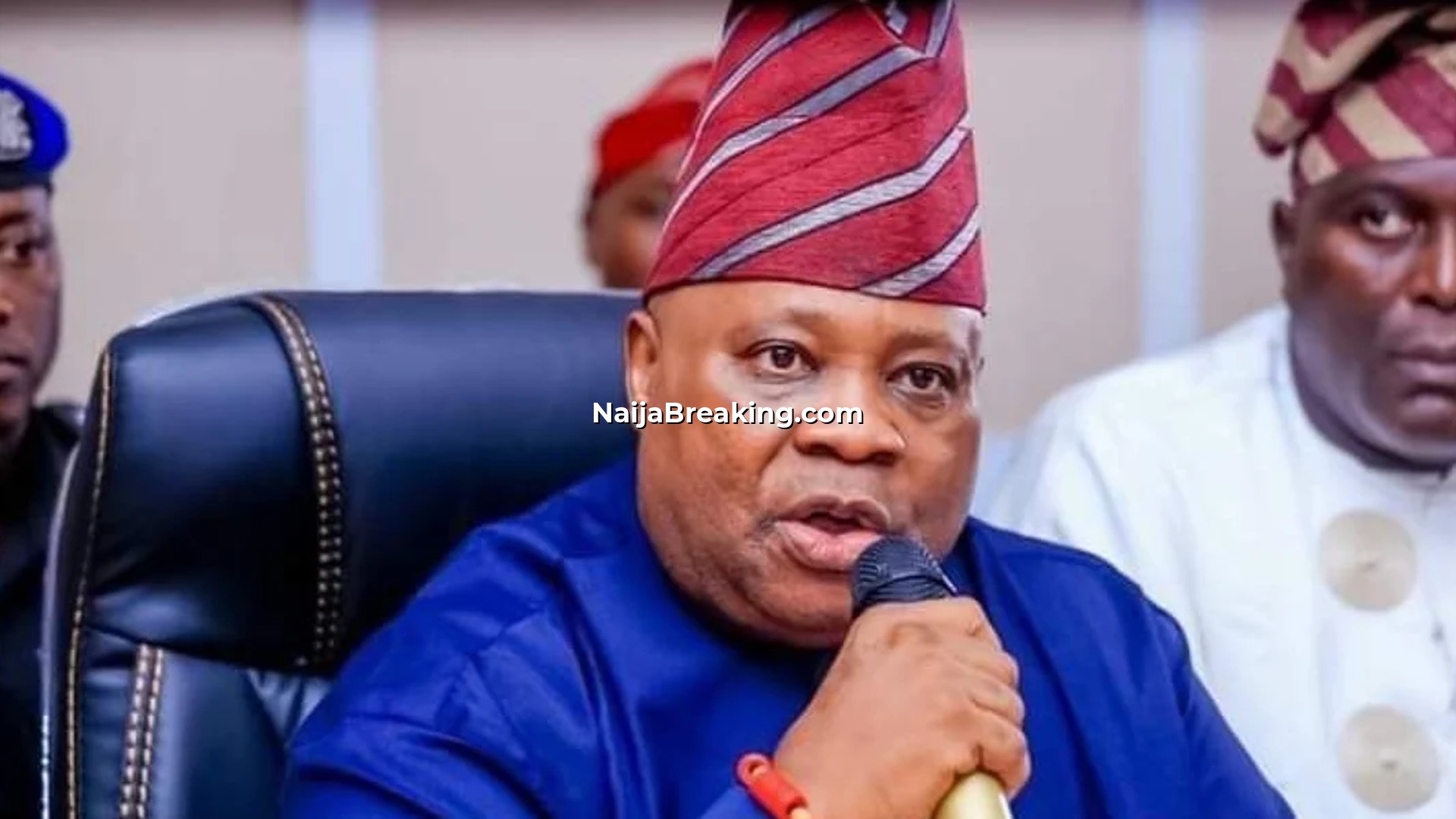
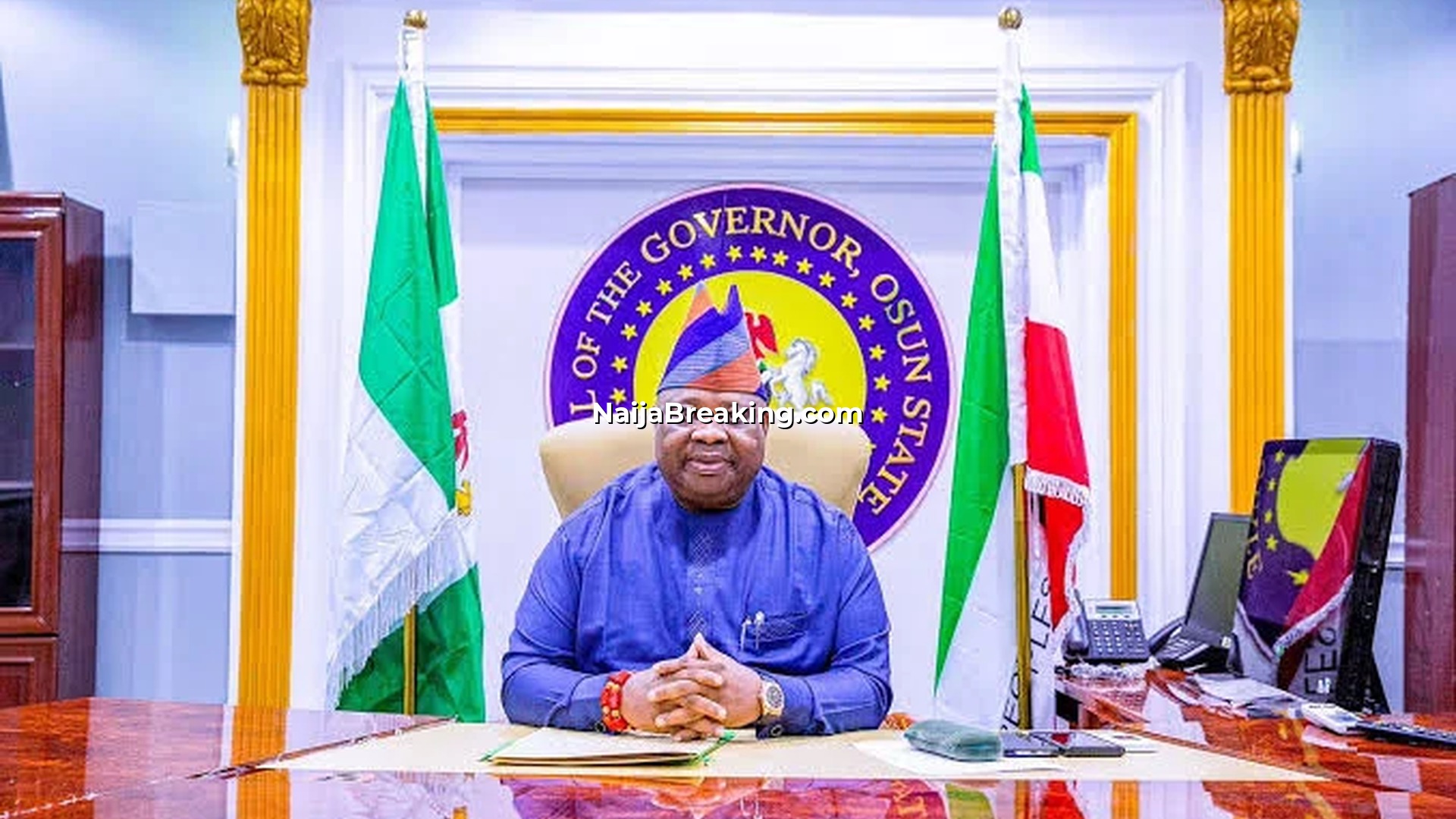
Governor Segun Adeleke of Osun State has made explosive allegations of deliberate infrastructure sabotage, accusing unnamed political opponents of vandalising the newly commissioned Lameco Bridge in Osogbo. The incident represents a troubling new chapter in Nigeria’s infrastructure protection crisis, where public assets become collateral damage in political rivalries. This Osun flyover sabotage incident, first reported by Punch Nigeria, exposes a growing pattern of deliberate destruction of state-funded projects that costs Nigerian taxpayers millions annually. The allegations come as the state prepares for critical elections, with infrastructure becoming weaponised in political campaigns rather than celebrated as public goods. For ordinary Osun residents who depend on these roads for commerce, healthcare access, and daily movement, such sabotage poses genuine safety risks and wastes scarce public resources that could address basic service delivery gaps.
Background
Nigeria’s infrastructure sector has long been vulnerable to political interference and sabotage, particularly during election cycles when opposition parties sometimes view destruction of government projects as tactical political advantage. This pattern emerged prominently during the 2015 general elections when several federal road projects were damaged or abandoned, with officials attributing the destruction to political actors seeking to discredit the sitting government. The Osun State context is particularly significant given the state’s history of intense electoral competition between the People’s Democratic Party (PDP) and the All Progressives Congress (APC), with multiple electoral cycles producing contested results and political acrimony.
Governor Adeleke, who assumed office in November 2022 after a controversial election petition tribunal decision that overturned the initial APC victory, has prioritised infrastructure projects as a cornerstone of his administration’s narrative of change and development. The Lameco Flyover and similar projects represent visible symbols of his commitment to urban renewal in Osogbo, the state capital, where road congestion and poor infrastructure had plagued residents for years. However, the emergence of structural defects in these newly completed projects—just weeks after commissioning—has raised questions about construction quality, project supervision, and now, deliberate sabotage.
The broader Nigerian context reveals that infrastructure protection remains a significant governance challenge. According to the National Bureau of Statistics (NBS), Nigeria loses an estimated ₦200 billion annually to infrastructure vandalism, particularly of pipelines and roads, though systematic data on deliberate political sabotage is limited. The World Bank has flagged Nigeria’s infrastructure maintenance gap as a critical development constraint, noting that poor asset protection compounds the challenge of delivering quality public infrastructure to citizens. In this environment, allegations of political sabotage of completed projects represent a new and more cynical dimension of infrastructure destruction.
Key Details
Governor Adeleke discovered the alleged sabotage of the Lameco Bridge during an inspection visit on Friday, where engineers from the Ministry of Works and Infrastructure briefed him on the structural defects discovered in the bridge. According to his spokesperson, Olawale Rasheed, the defects included what officials characterised as suspicious damage inconsistent with normal wear and tear, suggesting deliberate intervention. The governor specifically accused the Osun State APC of orchestrating the vandalism, stating unequivocally: “It is so immoral that Osun APC is not even ashamed of its masterminding such sabotage.”
The Lameco Flyover was temporarily closed to traffic following the discovery of structural defects less than a month after its public commissioning, representing both a safety concern and a public embarrassment for the state administration. A similar incident was reportedly discovered at the Lagere Flyover, suggesting a coordinated pattern rather than isolated cases of infrastructure failure. The governor responded by ordering immediate surveillance and monitoring of key infrastructures across Osun State, directing enhanced security protocols to prevent further alleged vandalism.
Adeleke’s statement defending government infrastructure reflected his frustration with what he described as “anti-development” politics. He argued that “Election is about the people voting for the leaders of their choice. Our job as politicians is to market our plans and records. Why would any genuine politician arrange to destroy a beautiful edifice like the Lameco Bridge because of an election?” The governor characterised such acts as “hate crimes against the people of Osun State” and called for politicians to “play the politics of development” rather than destruction. No official investigation findings or technical reports have been released documenting the precise nature of the alleged sabotage, though the Ministry of Works engineers reportedly confirmed defects during the inspection.
Impact and Analysis
Beyond the immediate political theatre, the Osun flyover sabotage allegations reveal a deeper crisis in Nigeria’s approach to infrastructure stewardship. If the accusations are substantiated, they demonstrate that infrastructure projects—meant to serve public welfare—have become targets in electoral warfare, creating a perverse incentive structure where completing projects becomes politically risky rather than rewarding. This dynamic fundamentally undermines the case for public investment in infrastructure, as elected officials become reluctant to champion visible projects that could be weaponised by opponents. Consequently, future administrations may shy away from ambitious infrastructure agendas, opting instead for less visible projects that carry lower political risk.
The incident also exposes gaps in project security and quality assurance protocols. The fact that structural defects emerged within weeks of commissioning raises questions about the adequacy of inspection regimes and contractor accountability. Nigerian public procurement processes, already burdened by capacity constraints and occasional corruption, may need strengthened protocols ensuring that completed projects are physically protected from deliberate interference. The cost of remediation, security enhancement, and potential project delays compounds the original investment, representing wastage of scarce state resources when Osun State faces significant funding challenges for education, healthcare, and other critical sectors.
From a psychological and institutional perspective, the allegations damage public confidence in government’s ability to deliver and protect public goods. Citizens may become cynical about infrastructure projects if they perceive these as becoming bargaining chips in political conflicts. This erosion of civic trust in public institutions extends beyond Osun State, potentially influencing how Nigerians across other states view their governments’ infrastructure commitments and the stability of public assets.
Expert Perspectives
Dr. Chuka Okafor, a governance specialist at the Lagos Institute for Policy Research, argues that the allegations demand urgency: “What we’re witnessing in Osun is not merely political accusation—it’s a systemic failure in infrastructure governance. When completed public works become targets for destruction, we’ve reached a point where political competition has overridden civic responsibility. The question isn’t just who sabotaged the bridge, but why Nigeria’s institutional safeguards allowed it to happen.” Dr. Okafor emphasises that infrastructure protection must become a non-partisan issue requiring inter-agency coordination and transparent investigation mechanisms.
Conversely, Adeyemi Okunloye, a senior political analyst with the Centre for Democratic Accountability in Abuja, urges caution about the allegations. “While infrastructure vandalism is real and documented in Nigeria, attributing specific incidents to political opponents without conclusive evidence risks normalising unfounded accusations. Governor Adeleke should allow technical investigations to precede political claims. What we need is not just security surveillance, but forensic analysis and transparent reporting of findings. The public deserves evidence-based accountability, not political theatre dressed in accusations.” Okunloye’s perspective highlights the risk that unsubstantiated allegations could poison political discourse and undermine legitimate infrastructure governance discussions.
What This Means for Nigerians
For ordinary residents of Osogbo and surrounding communities, the Lameco Bridge closure represents immediate practical disruption. Commuters navigating the city daily now face longer travel times, increased fuel costs, and potential delays reaching workplaces, schools, and healthcare facilities. Small business owners relying on efficient transportation networks—from traders transporting goods to delivery service providers—experience reduced operational capacity and lower earnings. The closure’s duration directly impacts household incomes and productivity, with cascading effects on consumer spending and local economic activity.
Beyond Osogbo, the incident sends troubling signals to residents across Nigeria about infrastructure reliability and protection. If political conflicts genuinely drive deliberate sabotage, then public infrastructure cannot be trusted as a stable public good. This uncertainty makes citizens reluctant to support bond issuance for infrastructure projects or tax increases earmarked for public works, weakening the fiscal case for infrastructure investment. Business investors considering locations for factories, offices, or retail operations may factor infrastructure vulnerability into site selection decisions, potentially driving investment away from states perceived as having weak governance.
The security clampdown ordered by Governor Adeleke, while necessary, carries its own costs and precedent concerns. Increased surveillance and security presence around public infrastructure may inconvenience ordinary citizens and expand state security apparatus in ways requiring careful oversight. For a working-class Osun resident, the net effect is paying twice—first through taxes that financed the bridge, and again through opportunity costs of closure, security expenses, and potential delays.
Editor’s Take
At NaijaBreaking, we believe this story exposes a critical governance failure that transcends Osun State’s immediate political drama. The fact that public infrastructure can be vandalized, deliberately or otherwise, within weeks of completion indicates that Nigeria’s institutional checks—from project inspection to contractor accountability to security protocols—are fundamentally inadequate. Whether the Lameco Bridge damage was political sabotage or construction defect, the outcome is identical: wasted public resources and citizen suffering. What this story reveals is that Nigerian politics has evolved to treat infrastructure not as shared public goods but as extensions of electoral competition, where destruction becomes tactical advantage. Adeleke’s allegations deserve investigation, but more urgently, Nigerians need systemic reforms ensuring infrastructure projects are insulated from political weaponisation through independent oversight, transparent technical reporting, and enforcement mechanisms that hold all actors—politicians and contractors alike—accountable. The real scandal isn’t the bridge; it’s that we tolerate a system where bridges become targets.
What to Watch Next
First, monitor whether Governor Adeleke’s administration releases detailed forensic reports documenting the alleged sabotage and identifying specific evidence of deliberate interference. Technical transparency will determine whether these allegations carry credibility or remain political assertions. Second, track the opposition APC’s response and whether they demand independent investigation or deny involvement—their stance will reveal the political stakes. Third, observe whether security measures prevent further alleged incidents and whether the enhanced surveillance creates accountability or merely conceals problems. Fourth, watch for the timeline and cost of bridge repairs, comparing these against initial project budgets to assess financial impact. Finally, the key question now is: will Nigerian states establish independent infrastructure protection protocols, or will they continue treating public works as political battlegrounds? The answer determines whether Nigeria’s development trajectory can survive its electoral cycles.
Conclusion
The Osun flyover sabotage allegations represent a watershed moment in Nigerian infrastructure governance, signalling that public assets have become entangled in electoral politics in ways that undermine development progress. Whether deliberate vandalism or construction failure, the outcome—closure of critical infrastructure and public inconvenience—demands systemic reform beyond accusations and security deployments. This story reveals that Nigeria faces not merely a leadership problem but an institutional design challenge: our governance structures have not adequately separated infrastructure stewardship from electoral competition. Adeleke’s investigation should proceed transparently, but more fundamentally, all stakeholders must recognise that destroying or allowing destruction of public infrastructure is ultimately self-harm—harming the very communities these politicians claim to serve. Share your thoughts in the comments below—what do you think this means for Nigeria’s future? Can Nigeria build sustainable infrastructure while political competition remains this fierce? How should states protect public assets from all forms of vandalism?