NURTW Leadership Osun: Governor Adeleke Denies Dissolution as Park Crisis Deepens
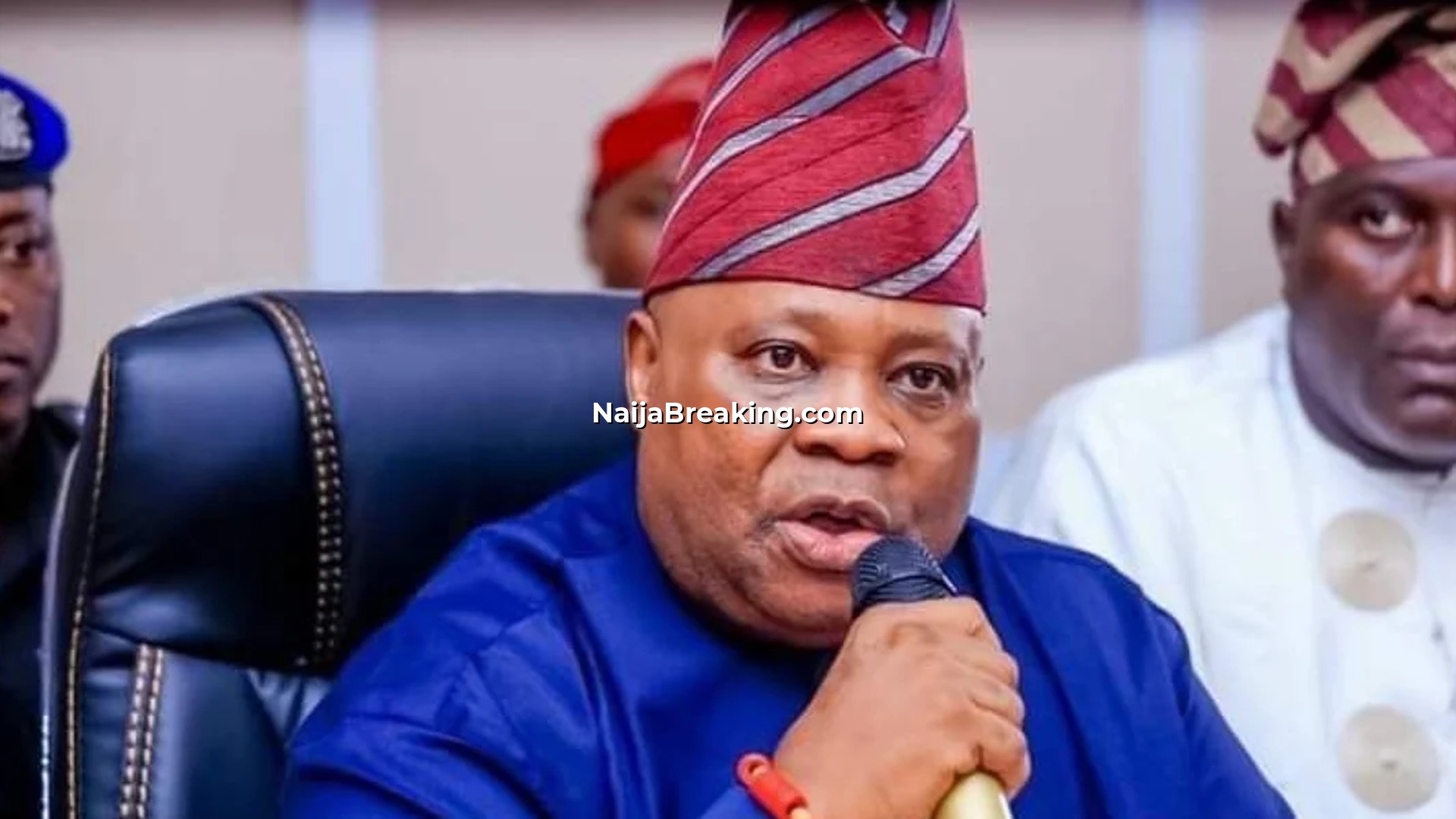
The Osun State Government has moved swiftly to clarify a brewing controversy surrounding the NURTW leadership Osun, with officials denying that Governor Ademola Adeleke dissolved the union’s executive structure. The NURTW leadership Osun question has become increasingly contentious as different factions vie for control of Nigeria’s most powerful transport union, with the state government now forced to issue an official clarification to prevent further chaos at motor parks across the region. Commissioner for Information and Public Enlightenment Oluomo Alimi released a comprehensive statement on Friday insisting that Comrade Wakeel Alowonle’s executive remains “the only recognised leadership” of the union in Osun State, despite widespread misinterpretation of the Security Council’s recent directive. This clarification matters deeply to Nigerians because the NURTW controls movement across the country—from inter-state transport to intra-city commuting—making any leadership crisis a potential flashpoint for disruption affecting millions of daily commuters, traders, and business operators. The union’s internal power struggles have increasingly spilled into state governance, forcing elected officials to intervene in what was traditionally a union matter, raising broader questions about institutional autonomy and the state’s capacity to manage civic organisations effectively.
Understanding the NURTW Leadership Osun Crisis
The current controversy surrounding NURTW leadership Osun has its roots in the complex factional disputes that have plagued the National Union of Road Transport Workers for the past several years. The union, which represents thousands of transport operators, drivers, conductors, and ancillary workers, has become a theatre of intense political competition where money, power, and influence collide in ways that often undermine democratic principles and institutional stability. Within Osun State specifically, the NURTW leadership Osun situation reflects broader national tensions within the union, where different power blocs have sought to establish dominance through various means—some legitimate, others decidedly questionable. The union’s traditional hierarchical structure, which should have provided clear lines of authority and succession, has instead become a source of confusion and contestation as competing claimants assert their legitimacy based on different interpretations of NURTW constitution, electoral procedures, and informal power arrangements.
For ordinary citizens and business operators, the uncertainty surrounding NURTW leadership Osun creates real problems. When leadership is disputed, there is no clear authority to enforce discipline, collect levies, settle disputes among members, or coordinate operations at motor parks. This institutional vacuum often leads to chaos—with competing groups attempting to assert control, sometimes through intimidation or violence, creating unsafe conditions at parks and contributing to fare hikes as different factions attempt to extract revenue. The transport sector in Osun State, which includes major hubs like Osogbo Central Park, Iwo Road transport station, and numerous inter-state parks, represents a significant portion of the state’s commercial activity. Disruptions to NURTW leadership Osun therefore have ripple effects throughout the local economy, affecting traders who depend on reliable transport to move goods, students who need affordable commuting options, and patients seeking access to healthcare facilities in other towns and cities.
Background on NURTW Leadership Osun and National Tensions
The National Union of Road Transport Workers has long been one of Nigeria’s most influential and volatile labour organisations, wielding significant control over the movement of goods and people across the nation’s road networks. For decades, NURTW leadership at both national and state levels has been highly competitive and contentious, with different regional factions and chieftains battling for supremacy and the substantial financial resources that come with controlling transport operations. The union’s structure—supposedly democratic and federal—has frequently been undermined by powerful strongmen who leverage their financial muscle, political connections, and street-level organisation to dominate proceedings and override democratic processes. In Osun State specifically, the transport sector is economically vital, connecting the state to major commercial hubs in Lagos, Ibadan, and Abuja, meaning control of NURTW leadership Osun translates to control over a significant revenue stream and considerable political influence at the grassroots level where everyday Nigerians live and work.
According to the National Bureau of Statistics, the transport and logistics sector contributes approximately 8-10% of Osun’s internally generated revenue, making it a critical pillar of the state’s economy and a major employer of labour. This economic significance explains why political actors take such keen interest in NURTW leadership Osun matters—whoever controls the union can influence everything from transportation patterns to informal taxation systems that affect business profitability. The revenue potential has made NURTW leadership Osun a coveted position, with various aspirants investing significant resources into building support networks, providing welfare assistance to union members, and cultivating relationships with politicians and security agencies. In recent years, this competition has intensified, with reports of irregularities in elections, allegations of rigging, claims of constitutional violations, and accusations that particular leaders lack legitimacy because they did not emerge through proper democratic channels as NURTW leadership Osun.
Recent years have seen intensified factional conflicts within NURTW nationally, with the emergence of competing leadership claims and allegations of rigging, marginalisation, and democratic manipulation at both national and state levels. These internal crises have occasionally forced state governments to intervene, either through dialogue, mediation, or—in some cases—security measures aimed at preventing violence and maintaining order at motor parks. The situation became particularly acute during national elections for NURTW positions, when different candidates claimed victory and their supporters engaged in confrontations that sometimes resulted in injuries, property damage, and disruption of transport services. In Lagos, for instance, the competition for leadership of NURTW has repeatedly created situations where parallel executives claimed legitimacy, each one issuing directives and attempting to collect revenue, leading to confusion among members about who actually held authority. Similar patterns have been observed in other major states, though the specific circumstances and personalities involved vary considerably.
The Osun State Government’s Clarification on NURTW Leadership Osun
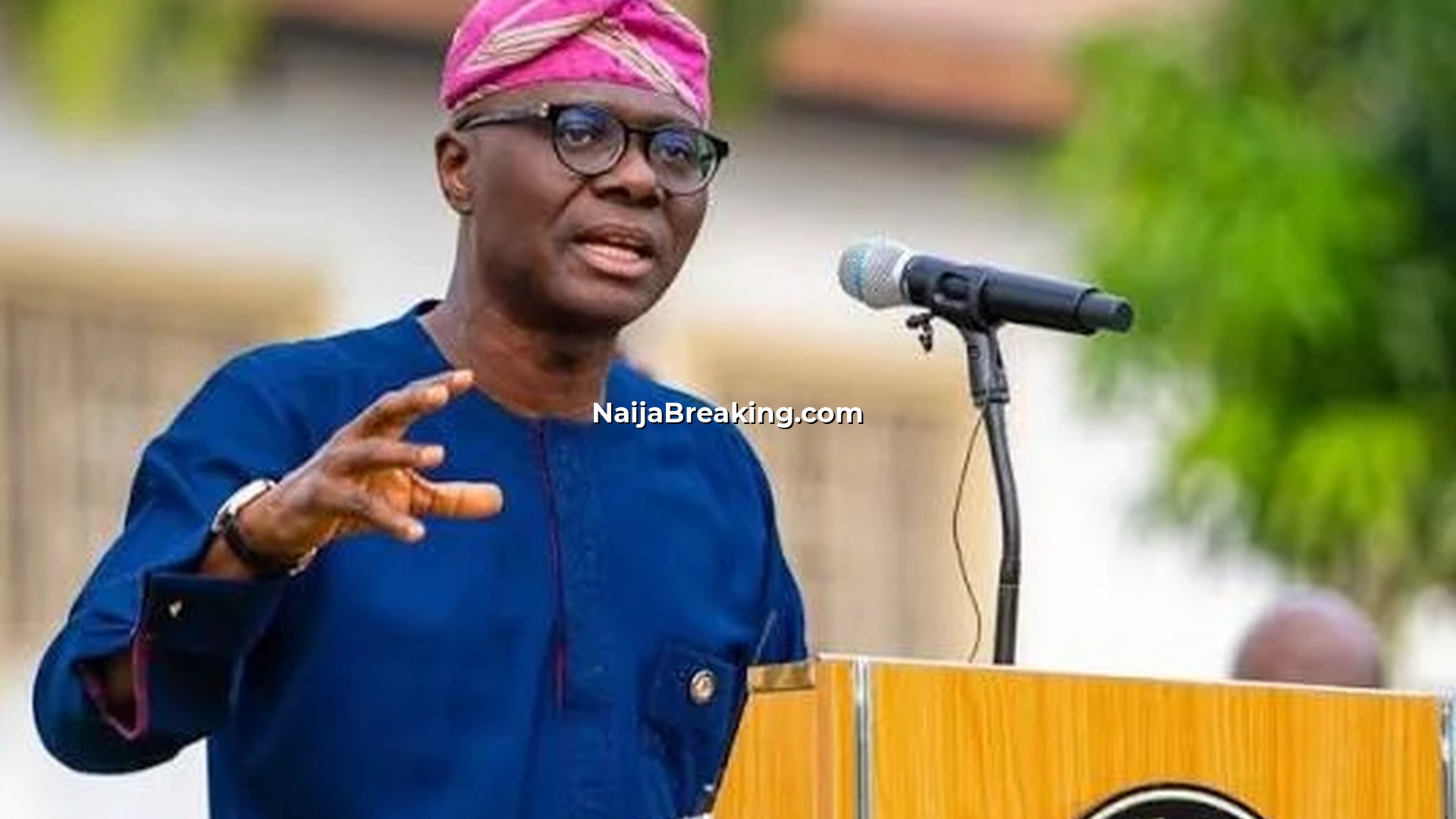
Governor Ademola Adeleke’s administration has taken a clear position on the NURTW leadership Osun matter through the Office of the Commissioner for Information and Public Enlightenment. The government statement emphasised that there had been no official dissolution of NURTW leadership Osun and that Comrade Wakeel Alowonle continues to be recognised as the legitimate chairman of the union in the state. This clarification was deemed necessary because rumours and misinformation had apparently circulated suggesting that the Osun State Security Council had either endorsed a rival claimant or taken the extraordinary step of dissolving the existing NURTW leadership Osun structure entirely. Such misunderstandings are dangerous because they embolden rival factions to claim legitimacy that they do not actually possess, potentially leading to confrontations at motor parks and disruption of transport operations that affect thousands of commuters daily.
The Commissioner’s statement indicated that any recent Security Council directive had been misinterpreted by some parties, who may have intentionally misconstrued it to advance their factional interests within the union. This is a common pattern in labour disputes—one faction claims that a government directive supports its position, while the other faction interprets the same directive differently. The government’s clarification was meant to settle the matter definitively by explicitly recognising NURTW leadership Osun under Wakeel Alowonle’s leadership and calling on all parties to accept this position. The state government’s approach reflects a pragmatic recognition that it cannot remain entirely neutral in a situation where institutional chaos at motor parks threatens public order and economic activity. By explicitly recognising one leadership structure for NURTW leadership Osun, the government provides clarity to citizens and businesses about which NURTW officials they should interact with regarding transport-related matters.
This government intervention in NURTW leadership Osun matters raises important questions about the relationship between the state and civil society organisations. On one hand, the government has a legitimate interest in maintaining order and ensuring that transport systems function properly—functions that directly affect public welfare and economic productivity. On the other hand, excessive state involvement in union leadership selection could undermine the autonomy and democratic functioning of labour organisations. If the state regularly intervenes to pick winners and losers in union leadership contests, it risks creating a system where NURTW leaders are accountable primarily to politicians rather than to their union members. This dynamic could hollow out the union’s independence and transform it into a vehicle for state control rather than genuine worker representation. However, in the current situation, the government’s recognition of NURTW leadership Osun appears motivated by a desire to prevent chaos rather than to control the union for partisan purposes.
The Motor Park Crisis and Security Implications
The deepening crisis at motor parks across Osun State reflects the broader instability within NURTW leadership Osun and the union generally. When legitimate authority is unclear, disorder tends to flourish. Reports have emerged of confrontations between different factions of transport operators, with each group claiming authority to collect levies, assign parking spaces, and enforce regulations at various motor parks throughout the state. These confrontations have occasionally turned physical, with individuals sustaining injuries and property being damaged in clashes between rival groups. Security agencies have had to deploy personnel to several locations to prevent situations from escalating into serious violence, though this reactive approach is clearly insufficient for addressing the underlying organisational problems.
The security implications of NURTW leadership Osun uncertainty extend beyond simple inter-factional conflicts. Motor parks are important commercial hubs that attract large numbers of people daily—passengers, vendors, drivers, conductors, and various service providers. When order breaks down at these locations, criminals and unscrupulous individuals may exploit the confusion to engage in theft, robbery, or other crimes. Passengers may avoid using certain routes or parks if they perceive them as unsafe, which drives business to alternative routes and can create bottlenecks elsewhere. Additionally, if NURTW leadership Osun remains unclear, there is potential for criminal elements to masquerade as union officials and exploit both passengers and legitimate transport operators. The resolution of NURTW leadership Osun matters is therefore not merely an internal union concern—it has direct implications for public safety and the security environment throughout the state.
Economic Impact of NURTW Leadership Osun Disputes
The economic consequences of NURTW leadership Osun instability extend far beyond the transport sector itself. When transport costs rise due to multiple factions extracting levies, or when services become unreliable due to disputes about who should collect fees, downstream industries and commerce suffer significantly. Traders who depend on regular transport of goods to markets may reduce orders if transportation becomes unreliable. Manufacturers lose efficiency when their supply chains are disrupted by transport uncertainty. Workers spend more time and money commuting if regular routes become problematic. Small businesses that depend on transport of goods to customers find their profit margins squeezed. The cumulative effect of NURTW leadership Osun instability is therefore a drag on the entire Osun economy, affecting employment, investment, and living standards throughout the state.
Investors considering establishing businesses in Osun State look at various factors when making decisions, including the reliability of transport infrastructure and services. Persistent disruptions caused by NURTW leadership Osun uncertainty can make the state appear less attractive as an investment destination compared to states where transport labour relations are more stable. This has long-term consequences for job creation and economic growth. The state government’s recognition of clear NURTW leadership Osun under Wakeel Alowonle’s stewardship is therefore an important step toward restoring the economic stability that businesses and citizens need to plan and invest with confidence.
Conclusion
The Osun State Government’s clarification regarding NURTW leadership Osun represents a necessary intervention to prevent further escalation of disputes that threatened public order and economic stability. By explicitly recognising Comrade Wakeel Alowonle’s leadership and denying that dissolution occurred, the government has provided the clarity needed for motor parks to function normally and for transport operations to proceed without the confusion caused by competing authority claims. While questions persist about the long-term sustainability of NURTW leadership Osun under current circumstances and whether more comprehensive reforms are needed within the union, the immediate effect of the government’s position is to reduce uncertainty and provide a clear point of reference for all stakeholders. As NURTW leadership Osun moves forward under this clarified arrangement, success will depend on whether leaders can unite fractious union membership behind a common agenda and restore institutional credibility that has been damaged by years of internal conflict. The state government must also ensure that its recognition of particular NURTW leadership Osun does not become a vehicle for state control of the union, but rather a temporary stabilising intervention that allows the union to recover its independence and democratic functioning.