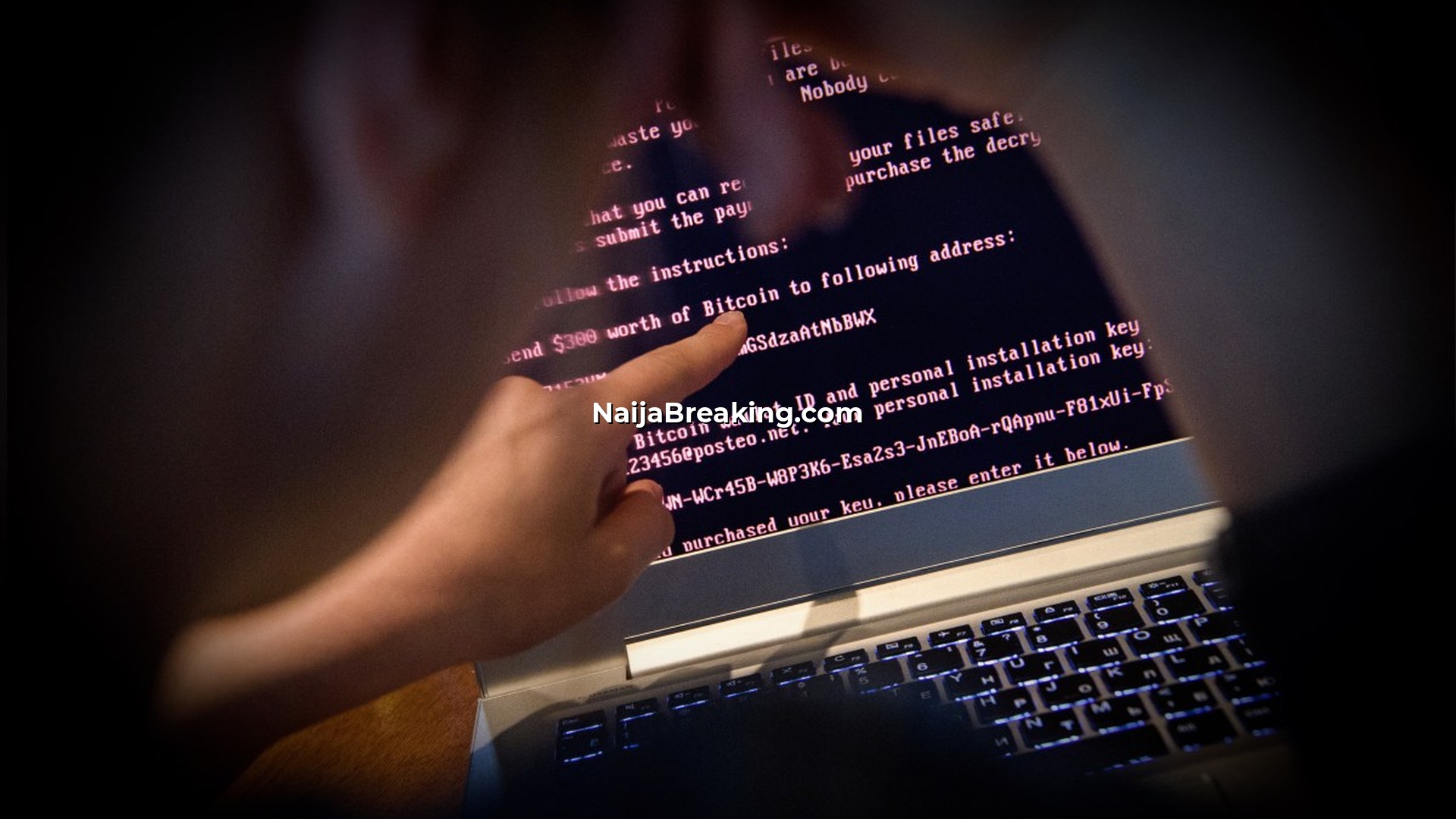
How Smartphones Are Becoming Silent Witnesses in Corruption Investigations: Digital Forensics Revolutionizing Probes
Smartphones have quietly become the most damaging witnesses in modern smartphones corruption investigations, revealing criminal networks that would otherwise remain hidden behind layers of political protection and bureaucratic opacity. In South Africa’s ongoing Madlanga Commission inquiry, investigators are projecting WhatsApp conversations, call logs, and contact lists extracted from seized mobile phones onto courtroom screens, reconstructing alleged networks linking senior police officers, politicians, and underworld figures. The evidence these devices contain—timestamped messages, metadata, location data, and digital fingerprints—is proving far more difficult to deny or manipulate than traditional testimony. As Nigeria grapples with endemic corruption that the World Bank estimates costs the nation approximately $40 billion annually, the question becomes urgent: are our own anti-corruption agencies like the Economic and Financial Crimes Commission (EFCC) and the Independent Corrupt Practices Commission (ICPC) leveraging digital forensics with the same rigour as South Africa’s investigators? The transformation of smartphones corruption investigations represents a paradigm shift in how nations combat high-level corruption, and Nigeria must urgently adapt its institutional framework to match these emerging methodologies.
Understanding the Digital Evidence Revolution in Corruption Investigations
The shift toward digital evidence in smartphones corruption investigations reflects a global recognition that modern crime—and modern corruption—leaves digital footprints that are harder to destroy than paper documents or oral testimony. For decades, Nigerian corruption cases have relied heavily on financial records, bank statements, and witness testimony, methods that skilled defence lawyers and forensic accountants could challenge or obscure. The Madlanga Commission’s approach represents a new frontier in accountability: treating smartphones not merely as communication devices but as comprehensive archives of criminal intent, captured in real-time language and authenticated through digital forensics.
The evolution of smartphones corruption investigations is rooted in fundamental changes in how corrupt officials communicate. Unlike the era when corruption required face-to-face meetings or coded telephone conversations, contemporary corrupt networks operate through encrypted messaging applications, digital transfers, and cloud-based document sharing. WhatsApp, Telegram, and similar applications create a permanent record of conversations that perpetrators often believe are ephemeral. This false sense of security has proven catastrophic for sophisticated corruption networks. When investigators obtain smartphone access through legal warrant procedures, they can reconstruct conversations spanning years, including deleted messages that sophisticated forensic tools can often recover from device memory.
Nigeria has experienced high-profile corruption cases that might have been resolved more decisively with rigorous digital forensics and systematic smartphones corruption investigations. The $2.1 billion arms deal scandal during the Goodluck Jonathan administration, the Dasuki case involving N$2.1 billion in missing weapons funds, and the ongoing Pandora Papers revelations have all suffered from evidentiary gaps that could have been filled by smartphones seized contemporaneously with investigations. The EFCC and ICPC, though established in 2003 and 2000 respectively, have historically relied on traditional investigative methods. While the EFCC has achieved notable convictions—including former Governors Sani Abacha, Akande Abubakar, and others—their conviction rate remains relatively modest compared to the scale of suspected corruption. This gap between suspected corruption and successful prosecutions suggests that institutional capacity limitations, particularly regarding digital evidence handling, contribute significantly to impunity.
The Madlanga Commission Model: A Case Study in Digital-First Investigations
South Africa’s Madlanga Commission, formally the Independent Commission of Inquiry into State Capture, has emerged as a global exemplar of how smartphones corruption investigations can systematically dismantle corruption networks. Established to investigate allegations of state capture and corruption in government procurement, the Commission has made extensive use of digital forensics to establish timelines, reconstruct communications networks, and demonstrate intent. The methodology deployed in smartphones corruption investigations by the Madlanga Commission team provides critical lessons for Nigerian institutions seeking to modernize their investigative capabilities.
The Commission’s approach begins with sophisticated device acquisition protocols. When smartphones are seized in corruption investigations, they are immediately placed in Faraday cages—enclosures that prevent wireless signals from accessing the device—ensuring that cloud backups cannot be triggered and remote wiping cannot occur. Forensic analysts then conduct bit-by-bit copies of the entire device, creating bit-perfect images that can be analyzed without modifying the original data. This chain-of-custody procedure is critical for ensuring that evidence obtained through smartphones corruption investigations withstands courtroom scrutiny and cannot be challenged as fabricated or manipulated.
Within these forensic images, investigators locate not only active applications but also deleted data, application caches, and metadata that users are unaware exists. Modern smartphones maintain sophisticated location tracking through GPS data, cellular triangulation records, and WiFi connection logs. A single smartphone can reveal where its owner was at any given moment, potentially contradicting alibis offered in corruption investigations. Communication timestamps demonstrate when conversations occurred, and message content reveals not just what was said but the relationships, hierarchies, and networks within which discussions took place. The granularity of evidence available through smartphones corruption investigations far exceeds what any single witness could provide.
South African prosecutors have used smartphones corruption investigations data to establish payment networks, identify intermediaries, and demonstrate how corrupt officials coordinated with private sector accomplices. In proceedings before the Madlanga Commission, messages extracted from seized devices have shown senior officials instructing subordinates to facilitate irregular procurements, acknowledging receipt of briefcases containing cash, and discussing how to conceal these activities from oversight bodies. The authentication of this digital evidence relies on forensic analysis showing that messages were genuinely created on specific devices by specific users at specific times, making them exceptionally difficult to challenge as hearsay or fabrication.
Nigeria’s Current Digital Forensics Capacity: Significant Gaps Requiring Urgent Attention
Nigeria’s anti-corruption agencies possess significantly less developed capacity for smartphones corruption investigations compared to their South African counterparts. The EFCC, while established over two decades ago, developed primarily around traditional financial crime investigation methodologies. The organization’s core competencies lie in tracing financial flows, analyzing bank records, and identifying asset ownership patterns—skills that remain essential but increasingly insufficient for prosecuting corruption in a digital age. The ICPC, Nigeria’s nominally independent anti-corruption body, similarly lacks the specialized units and equipment necessary for forensic smartphones corruption investigations at scale.
This capacity gap has practical consequences. Nigerian corruption cases often proceed without digital evidence that could definitively establish culpability. Accused officials and their legal teams can plausibly deny knowledge of decisions made by subordinates, claim misunderstandings regarding financial arrangements, or suggest that documentary evidence has been falsified. Without smartphones corruption investigations providing direct evidence of intent and communication, prosecutors must rely on circumstantial evidence and witness testimony—approaches that are inherently more vulnerable to reasonable doubt arguments. Defense counsel, aware of these methodological limitations, can introduce uncertainty regarding causality and knowledge that juries find persuasive.
Several institutional factors limit Nigeria’s capacity for sophisticated smartphones corruption investigations. First, there is insufficient investment in forensic equipment and software. Device acquisition tools, forensic analysis platforms, and database management systems capable of processing millions of data points from smartphones corruption investigations are expensive, often costing hundreds of thousands of dollars. Nigerian agencies typically operate under budget constraints that preclude acquiring state-of-the-art equipment. Second, there is inadequate human capital. Forensic analysts trained in smartphones corruption investigations require specialized education that is neither widely available in Nigerian institutions nor frequently provided through international partnerships. Third, there are legal and procedural gaps. Nigerian laws regarding digital evidence admission, search warrant procedures for digital devices, and data protection during smartphones corruption investigations remain underdeveloped compared to jurisdictions that have invested heavily in modernizing their criminal procedure frameworks.
Technical Dimensions of Modern Smartphones Corruption Investigations
Understanding the technical capabilities that underpin effective smartphones corruption investigations is essential for appreciating why South Africa’s approach has proven more successful than Nigeria’s traditional methods. Modern smartphones are essentially sophisticated computers, containing operating systems, applications, and data storage systems that create multiple layers of information relevant to corruption investigations.
Application data represents one critical dimension of smartphones corruption investigations. Messaging applications like WhatsApp, Telegram, and Signal maintain databases of conversations, typically stored in encrypted formats on the device. Forensic access to these databases reveals the complete conversation history, including messages users believe they have deleted. The metadata associated with each message—the precise timestamp, sender, recipient, and delivery status—provides a verifiable timeline of communications. In smartphones corruption investigations, this allows prosecutors to establish when decisions were made, who was consulted, and how rapidly directives were transmitted through corrupt networks.
Location data embedded in smartphones corruption investigations represents another powerful evidentiary category. Modern phones continuously track location through multiple mechanisms: GPS satellites, cellular network triangulation, and WiFi connection data. This information is typically stored by both the device manufacturer and service providers. In smartphones corruption investigations, location data can establish that officials were present at locations where corrupt transactions occurred, contradicting claims of absence or plausible deniability. When combined with communication data showing messages sent from those locations at those times, location evidence creates a compelling narrative of direct involvement.
Financial application data within smartphones corruption investigations reveals payment transfers, cryptocurrency transactions, and banking interactions that constitute evidence of corrupt transactions. Modern corruption often involves cryptocurrency transfers and digital payment systems that leave traces within banking applications, cryptocurrency wallets, and payment service applications installed on smartphones. Forensic analysis of these applications can trace illicit fund flows that traditional financial investigations might miss, particularly where transactions deliberately cross multiple jurisdictions to obscure origin.
Challenges and Obstacles in Conducting Smartphones Corruption Investigations
Despite the power of evidence obtainable through smartphones corruption investigations, significant challenges constrain their deployment in Nigeria and globally. Encryption represents the foremost obstacle. Modern smartphones employ encryption at multiple levels: device-level encryption securing all data on the phone, application-level encryption within specific applications like Signal or WhatsApp, and transport-layer encryption protecting data in transit. For smartphones corruption investigations to succeed, forensic analysts must penetrate these encryption layers. Some approaches involve obtaining decryption keys from suspects, extracting data from cloud backups where encryption may not apply, or using sophisticated forensic techniques that exploit specific device vulnerabilities. However, these approaches often fail against sufficiently sophisticated users.
Legal challenges similarly complicate smartphones corruption investigations in Nigeria. Constitutional protections against unlawful search and seizure require that device acquisition in corruption investigations proceed through formal judicial warrant procedures. Defense counsel in corruption cases frequently challenge the legality of device seizure, proper execution of warrants, and chain-of-custody procedures for forensic evidence. Where these challenges succeed, evidence obtained through smartphones corruption investigations may be excluded entirely, eliminating the strongest case elements. Nigerian judges, operating under legal frameworks not yet fully adapted to digital evidence, sometimes apply evidentiary standards developed for traditional evidence, creating uncertainty regarding admissibility of sophisticated forensic findings.
International jurisdiction issues further complicate smartphones corruption investigations involving transnational corruption networks. Modern corruption frequently involves international actors, offshore accounts, and transactions across multiple countries. Smartphones corruption investigations that uncover evidence of international money laundering or foreign bribery require coordination between Nigerian law enforcement and foreign jurisdictions. Where foreign governments decline cooperation, or where international legal frameworks inadequately address digital evidence sharing, investigations stall despite having obtained critical evidence on seized devices.
Institutional Reforms Required for Nigeria to Advance Smartphones Corruption Investigations
Nigeria must implement comprehensive institutional reforms to establish capacity for sophisticated smartphones corruption investigations comparable to global best practices. These reforms span technological investment, human capital development, legal framework modernization, and inter-agency coordination.
First, dedicated digital forensics units within both the EFCC and ICPC are essential. Rather than treating digital evidence as an ancillary component of traditional investigations, these units should employ forensic specialists whose primary responsibility involves smartphones corruption investigations and digital evidence analysis. These units should maintain state-of-the-art equipment, including device acquisition tools, forensic analysis platforms, and secure storage systems for managing evidence obtained through smartphones corruption investigations.
Second, specialized training programs in smartphones corruption investigations must be developed through partnerships with international law enforcement agencies and technical vendors. Personnel selected for digital forensics training should complete comprehensive coursework covering forensic methodology, legal admissibility standards, court testimony procedures, and technical proficiency in platforms used for smartphones corruption investigations. Ongoing professional development should keep forensic analysts informed of evolving techniques and emerging challenges in digital evidence analysis.
Third, Nigerian criminal procedure laws must be modernized to address smartphones corruption investigations specifically. Legislation should establish clear procedures for obtaining search warrants for digital devices, requirements for chain-of-custody documentation in smartphones corruption investigations, standards for forensic analysis, and admissibility criteria for evidence obtained through digital forensics. These legal frameworks should balance law enforcement needs with privacy protections, establishing clear guardrails that prevent abuse of smartphones corruption investigations capabilities while enabling legitimate investigative activity.
Fourth, international cooperation mechanisms must be strengthened. Nigeria should pursue bilateral agreements with countries that have advanced digital forensics capacity, enabling joint smartphones corruption investigations involving transnational networks. INTERPOL, UNODC, and regional law enforcement bodies should be engaged to facilitate evidence sharing and coordinated investigation of corruption involving multiple jurisdictions.
Conclusion: The Imperative for Digital-First Corruption Investigations in Nigeria
Smartphones corruption investigations represent the future of effective anti-corruption work globally, and Nigeria cannot afford to lag in adopting these methodologies. As South Africa’s Madlanga Commission has demonstrated, digital forensics applied systematically to smartphones corruption investigations can dismantle sophisticated corruption networks that traditional investigative approaches struggle to penetrate. The evidence obtainable through smartphones corruption investigations—timestamped communications, location data, financial transactions, and metadata revealing relationships and intent—creates an evidentiary foundation that is difficult for defense counsel to challenge and compelling for judges and juries to accept.
Nigeria’s endemic corruption costs billions annually, distorts development priorities, and undermines public confidence in institutions. Advancing smartphones corruption investigations capacity represents a strategic investment in institutional effectiveness and accountability. The EFCC, ICPC, and related agencies possess the legal authority to conduct smartphones corruption investigations but currently lack the technical capability to do so at the sophistication level demonstrated globally. This gap reflects neither insurmountable technical challenges nor prohibitive costs, but rather institutional prioritization and resource allocation decisions. By investing in forensic capacity, training specialists in smartphones corruption investigations, modernizing legal frameworks, and strengthening international cooperation, Nigeria can transform its anti-corruption effectiveness and begin holding perpetrators of high-level corruption accountable with the rigor that serious crimes demand.