Football’s Final Curtain: Ronaldo, Neymar, and Other Stars Playing Their Last World Cup
The 2026 FIFA World Cup is witnessing the twilight of an era. Cristiano Ronaldo, Neymar, Manuel Neuer, Riyad Mahrez, and Guillermo Ochoa are among the world’s greatest footballers playing what are almost certainly their last World Cup tournaments. For Nigerian football enthusiasts and analysts, this moment carries profound significance beyond mere nostalgia—it marks a generational shift in global football that has direct implications for how African nations, particularly Nigeria, must reshape their own competitive strategies. The retirement of these titans from the world’s biggest stage raises critical questions about succession planning, youth development, and whether Nigeria’s Super Eagles can capitalise on a vacuum being left by departing superstars. Understanding why these legends are exiting now, and what their departure means for the global football landscape, provides essential context for Nigeria’s own pathway forward in international competition.
Background
The World Cup has long served as the defining stage for measuring a footballer’s greatness. Since the tournament’s inception in 1930, players who have graced multiple editions of the competition—across decades, carrying different nations’ hopes—have become immortalised in football history. Pelé, Diego Maradona, and Lionel Messi all used the World Cup as their ultimate proving ground. For Nigeria specifically, the memory of the Super Eagles’ emergence in 1994—winning the African Cup of Nations and establishing themselves as a continental powerhouse—was fuelled by players who had participated in or aimed for World Cup glory. The nation’s best performers, from Jay-Jay Okocha to Nwankwo Kanu to Ahmed Musa, all measured their legacies partly through World Cup performances.
The cyclical nature of international football means that roughly every four years, a new generation of players reaches its peak competitive window. However, modern medicine, improved fitness regimens, and higher financial incentives have extended the careers of elite players well into their mid-to-late thirties. Ronaldo, now 39, and Neymar, at 32, represent a generation that has reshaped expectations around longevity in professional football. Both players have dominated their respective positions for nearly two decades. Yet even enhanced training methods and sports science cannot indefinitely delay the physical decline that accompanies age. For Nigeria, which has struggled with player retention and development consistency, observing how established football nations manage generational transitions offers valuable lessons.
The 2026 World Cup represents a natural inflection point. Many players who debuted in the 2006-2010 era—Ronaldo among them—are now acknowledging that this tournament will likely be their last. This creates a rare opening in international football where new stars can emerge without facing the shadow of unprecedented greatness. For Nigerian players aspiring to international prominence, the departure of Ronaldo and Neymar removes two of the most dominant forces they might have encountered. Understanding this backdrop helps contextualise why these exits matter not just for Portugal, Brazil, and other football powers, but for emerging football nations seeking to expand their influence on the global stage.
Key Details
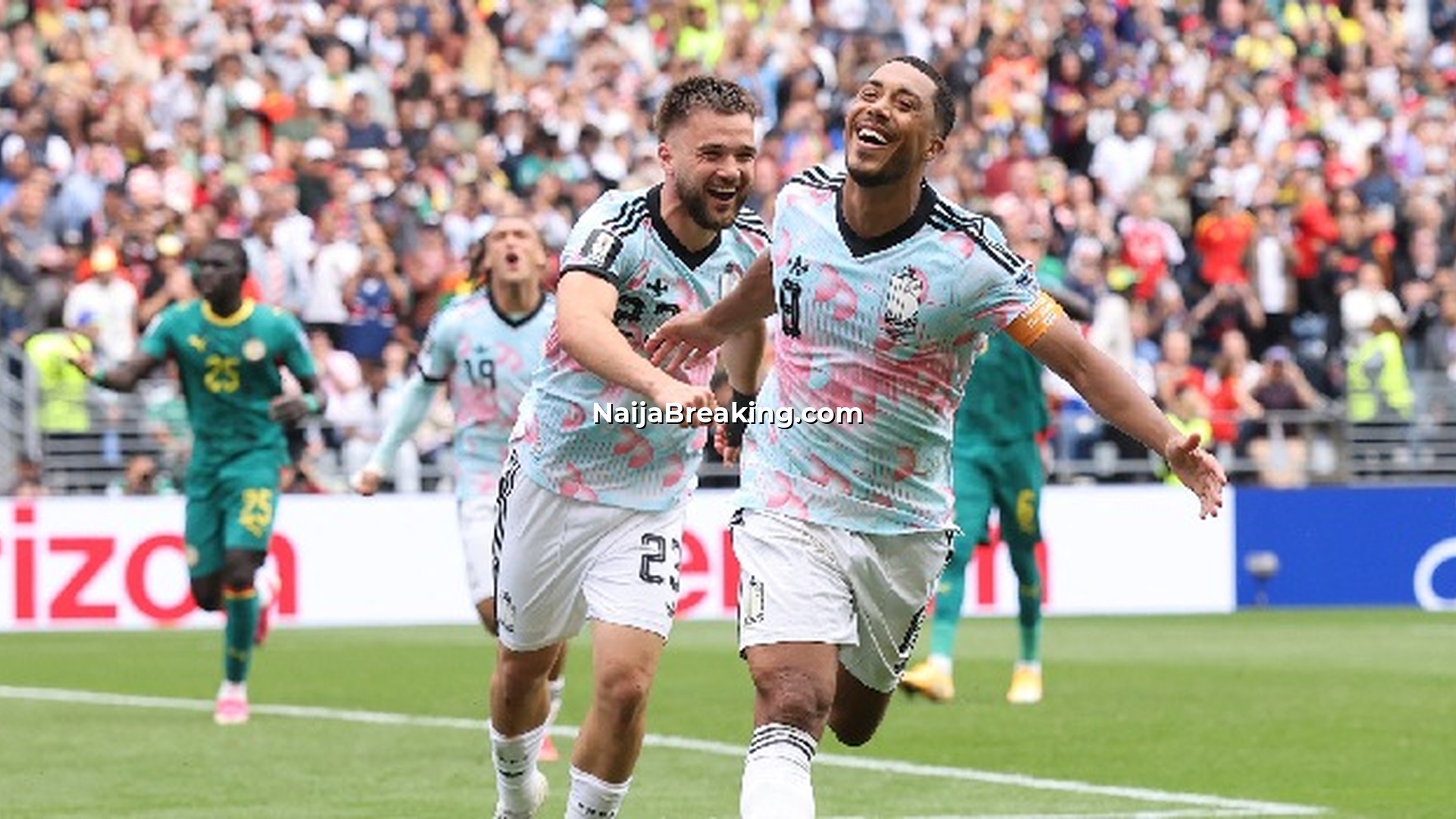
Cristiano Ronaldo’s exit came definitively on December 10, 2024, when Portugal fell to Spain 1-0 in the round of 16 at Arlington, Texas. Mikel Merino scored the winning goal in the 91st minute, ending Portugal’s tournament hopes and, effectively, Ronaldo’s World Cup career. Before the match, Ronaldo had already publicly stated this would be his final World Cup appearance. His departure closes an extraordinary chapter: across six World Cup tournaments (2006, 2010, 2014, 2018, 2022, and 2026), Ronaldo made 27 appearances—the second-highest total in tournament history behind Lionel Messi’s 30 appearances. He scored 11 World Cup goals, tying him for ninth on the all-time scoring list, and became the first player ever to score in six different editions of the tournament after his strike against Uzbekistan in the group stage, according to source.
After the Spain match, Ronaldo expressed contentment with his legacy, stating: “I’ve given my all. I’ve won three titles with Portugal,” and notably equating Portugal’s 2016 European Championship victory with World Cup status in his personal hierarchy of achievement. Portugal’s head coach Roberto Martinez provided additional perspective, revealing that when he arrived at the Portuguese federation, questions surrounded Ronaldo’s continued role as captain. However, Martinez noted that Ronaldo had since become a role model through his commitment and conduct, effectively silencing doubters who suggested his age was a liability rather than an asset.
Neymar’s World Cup journey took a more abrupt turn. Brazil faced elimination at the hands of Norway in a shocking 2-1 defeat, with Neymar scoring his team’s only goal from a penalty kick. Speaking immediately after to TV Globo, he declared his international career finished. Poignantly, the match occurred at the same New York/New Jersey stadium where Neymar had made his international debut 16 years earlier in 2010. Alongside Ronaldo and Neymar, German goalkeeper Manuel Neuer, Algerian midfielder Riyad Mahrez, and Mexican goalkeeper Guillermo Ochoa are also widely expected to retire from international football following the 2026 tournament. These simultaneous departures represent an unprecedented generational shift in elite international football.
Impact and Analysis
The synchronised retirement of multiple world-class players creates a rare competitive vacuum in international football. When Ronaldo exits, Portugal loses not merely a goalscorer but a global ambassador and psychological leader whose mere presence elevated teammate performance. His departure forces Portuguese football to accelerate youth integration—something Nigeria has struggled with systematically. The Super Eagles have experienced erratic performance largely because the federation has never managed clear generational transitions, often keeping ageing stars while simultaneously failing to develop capable replacements. Ronaldo’s exit demonstrates how even elite football nations must confront the mathematics of age: no player, regardless of fitness investment, can sustain world-class performance indefinitely.
Neymar’s departure is equally significant for Brazilian football’s trajectory. Brazil, historically football’s most consistent superpower, has relied on Neymar as its primary creative force for over a decade. His exit creates pressure on younger Brazilian talents—Vinícius Júnior, Rodrygo, and others—to step into leadership roles prematurely. For Nigeria, observing Brazil’s management of this transition offers cautionary lessons. The Super Eagles have repeatedly promoted promising youth into senior responsibilities without adequate scaffolding or mentorship structures. Nigeria’s football administration must learn that generational transition requires deliberate institutional planning, not merely reactive replacement of departing stars. The quality gap between Neymar and his potential successors is substantial; Nigeria faces similar challenges when Ahmed Musa and other senior figures eventually retire.
Beyond individual nations, these retirements reshape global competitive dynamics. With Ronaldo and Neymar gone, the pathway to World Cup glory becomes less dominated by two individuals whose genius level was historically exceptional. This creates openings for previously secondary talents to assume prominence and for emerging football nations to compete without confronting unprecedented individual excellence. For Nigeria and other African nations, this represents both opportunity and urgency—the next four-year cycle offers a rare moment to establish regional dominance before new superstars inevitably emerge elsewhere.
Expert Perspectives
Dr. Segun Akinwale, a sports management professor at the University of Lagos and veteran football analyst, offers critical perspective: “What we’re witnessing is not merely individual retirements but the conclusion of an era defined by exceptional longevity. For African football, particularly Nigeria, this moment demands strategic thinking. The Super Eagles have never successfully leveraged such competitive windows. When Ronaldo and Neymar are gone, players like our own emerging talents should theoretically face less dominant opposition. Yet historically, Nigeria fails to capitalise on such advantages. The question is whether our football administration can finally implement the youth development and succession planning frameworks that elite European and South American nations execute routinely.”
Folake Olufunso, a sports economist and policy researcher at the Centre for Strategic and International Studies Lagos, adds a complementary observation: “These retirements reflect modern football’s economic reality. Ronaldo and Neymar extended their careers through unprecedented commercial value—sponsorships, image rights, and personal brand development that transcend pure footballing ability. Most Nigerian players lack this economic cushion. When Ahmed Musa or other Super Eagles age, they often retire not from physical decline alone but from reduced earning potential. This economic dimension means Nigeria’s talent pipeline is systematically depleted earlier than in wealthier football nations. We’re losing potentially productive years from our best players simply because the financial incentive structures don’t support extended careers.”
What This Means for Nigerians
For the average Nigerian football fan, these retirements carry immediate and practical implications. The 2026 World Cup will be the first tournament in two decades where Ronaldo and Neymar are absent from global football’s grandest stage. For millions of Nigerians who have watched these players dominate international football since the 2000s, their departure represents a generational marker—a moment when childhood heroes transition definitively into retirement. But beyond nostalgia, this shift affects Nigeria’s sporting consciousness and competitive aspirations directly.
Nigerian football talent scouts and academy directors now face altered recruitment and development timelines. Previously, young Nigerian players entering international competition measured their progress against established superstars—encountering Ronaldo, Neymar, or Messi represented a developmental benchmark. With these figures departing, the competitive landscape shifts. A 22-year-old Nigerian midfielder competing in 2026 will do so without confronting Neymar’s creative genius; a young striker faces opponents where Ronaldo’s unparalleled athleticism no longer exists. This should theoretically accelerate Nigerian competitiveness, yet it requires institutional investment that has historically been inconsistent.
For Nigerian businesses and media platforms, these retirements reshape commercial opportunities. Ronaldo and Neymar have generated billions in broadcast and sponsorship revenue globally; their absence diminishes viewership of certain matches. Nigerian broadcasters and advertisers who profited from Ronaldo and Neymar’s magnetism must develop new content strategies. Meanwhile, emerging Nigerian players now have unobstructed pathways to international prominence. A young Super Eagle can realistically aspire to dominance in a post-Ronaldo/Neymar landscape in ways that were psychologically daunting previously. For Nigerian parents and youth considering football careers, the generational shift opens doors that seemed permanently occupied by global superstars.
Editor’s Take
At NaijaBreaking, we believe this moment reveals a fundamental truth about Nigerian football that our football administrators consistently ignore: generational planning is not optional but essential. Ronaldo and Neymar’s departures demonstrate how elite football nations—Portugal, Brazil, Germany—manage institutional continuity across decades. They develop succession frameworks, identify replacements years in advance, and create mentorship structures that preserve institutional knowledge. Nigeria, by contrast, treats each generation as isolated from the previous one. We cycled from Okocha to Kanu to Michu without ever establishing systematic development pathways. Now, with a rare competitive window opening before us, will we seize it or squander it through our characteristic institutional apathy? The tragedy is not that Ronaldo and Neymar are retiring—that is inevitable and natural. The tragedy is that Nigeria’s football leadership will likely watch this generational transition occur without implementing the structural changes that would allow our nation to capitalise on it.
What to Watch Next
Monitor how Nigeria’s Super Eagles and youth development structure respond to this generational shift over the next 12-18 months. The Nigeria Football Federation should release explicit succession plans identifying which younger players will anchor the 2026 World Cup squad and beyond. Watch whether the federation invests in mentorship programmes pairing ageing Super Eagles with emerging talents—something that occurred naturally in other football nations but requires deliberate effort in Nigeria’s fragmented system. Track whether Nigeria’s academies and club development structures experience funding increases or continued under-investment. Finally, observe which emerging Nigerian players begin establishing international prominence in 2025-2026 without the shadow of Ronaldo and Neymar competition. The key question now is: will Nigeria’s football administration finally implement the institutional frameworks that would transform our competitive position, or will we witness another generational cycle slip away through organisational letharness?
Conclusion
The 2026 World Cup marks the definitive twilight of Cristiano Ronaldo, Neymar, and their generational peers. These departures close an unprecedented era of sustained excellence that has defined global football for nearly two decades. For Nigeria, this moment represents simultaneously a loss—the absence of playing against football’s greatest talents—and an opportunity. A competitive window has opened where African nations, particularly Nigeria, can establish greater prominence without confronting historically exceptional individual genius. Yet opportunity demands execution. Nigeria’s football administration must finally embrace the institutional planning and generational succession strategies that distinguish elite football nations from perpetually underperforming ones. Without such frameworks, we will witness this generational transition occur around us rather than capitalise upon it. Share your thoughts in the comments below—what do you think this means for Nigeria’s future in international football, and should our federation be taking different approaches right now?