
484 Displaced in Zamfara Bandit Attack: Zamfara Bandit Attack Displacement Crisis Affects 271 Children
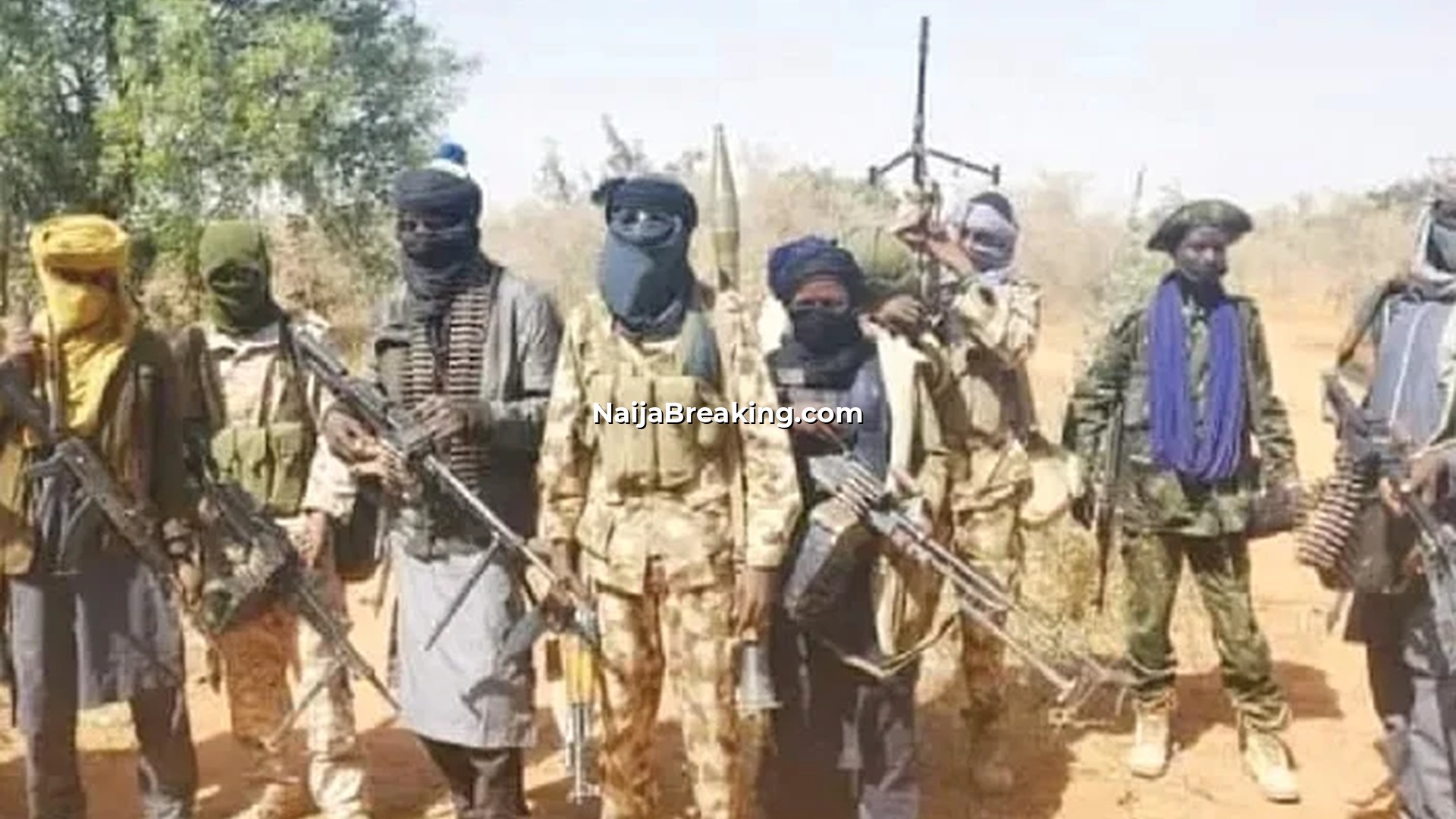
A devastating bandit attack in Zamfara State’s Gummi Local Government Area has resulted in a major humanitarian catastrophe, with 484 people displaced by the violence, according to data released by the International Organisation for Migration. The Zamfara bandit attack displacement incident that occurred on June 15, 2026, represents yet another devastating chapter in the increasingly catastrophic humanitarian crisis ravaging Nigeria’s North-West region. Among the 484 displaced persons, 271 are children under 18 years of age, meaning that more than half of all victims affected by this particular Zamfara bandit attack displacement event are minors without agency over their circumstances or any meaningful prospects for recovery and rehabilitation. This story carries urgent significance for all Nigerians because it crystallises a fundamental failure of state capacity and security architecture at a critical moment when the federal government has repeatedly promised an end to banditry and kidnapping in the region. The displacement figures underscore a grinding reality that national headlines often miss: thousands of Nigerian children are losing their homes, educational opportunities, and childhood innocence to violence orchestrated by armed groups that seem to operate with virtual impunity across multiple states in the North-West corridor.
The Zamfara bandit attack displacement crisis represents more than just statistics—it reflects the human cost of a security emergency that has spiralled beyond the capacity of conventional responses. Each of the 271 children affected by this Zamfara bandit attack displacement event faces an uncertain future marked by trauma, disrupted education, malnutrition risks, and vulnerability to further exploitation. Parents and guardians who managed to flee with their children are now struggling in displacement camps with minimal resources, limited access to clean water, inadequate healthcare facilities, and virtually no employment opportunities. The psychological impact on children who witnessed violence, lost family members, or were separated from loved ones during the chaos of this Zamfara bandit attack displacement cannot be overstated. Mental health support is scarce in Zamfara State, and trauma-informed care is virtually non-existent in most displacement settings across the North-West region.
Understanding the Zamfara Bandit Attack Displacement Crisis: Historical Context and Root Causes
The North-West region of Nigeria has been gripped by escalating insecurity since 2011, but the scale, brutality, and sophistication of banditry has intensified dramatically and systematically since 2019. What began as localised cattle rustling and pastoral disputes between farming and herding communities over access to grazing lands and water sources has metastasised into a full-scale insurgency characterised by mass abductions, coordinated village raids, territorial control by organised armed groups, extortion rackets, and the systematic displacement of entire communities. This transformation reflects a worrying evolution in how criminal and militant networks operate, moving from simple theft to complex security threats. Zamfara State, once a relatively stable zone in Nigeria’s North-West, has become ground zero for this security crisis and a focal point for humanitarian concerns. The state experienced particularly severe attacks in 2020-2021, when armed bandit groups kidnapped hundreds of schoolchildren in coordinated operations, prompting national outcry and international media attention as comparisons were drawn to the Boko Haram crisis in the North-East. Yet despite this notoriety, subsequent federal government interventions, military operations, and security taskforce deployments, the violence has not abated but rather evolved and adapted to counter-insurgency strategies, with bandit groups establishing semi-permanent bases deep in forests, engaging in sophisticated extortion rackets targeting communities, and systematically displacing entire populations to consolidate territorial control.
The root causes of this Zamfara bandit attack displacement crisis and broader North-West insecurity are complex, multifaceted, and deeply interconnected. Decades of unresolved land-use disputes between nomadic herders and settled farmers, disputes that predate modern Nigeria, were exacerbated dramatically by climate change and progressive desertification driving pastoral groups southward in search of water and grazing land. These structural environmental and resource tensions created fertile ground that armed entrepreneurs and criminal networks ruthlessly exploited. Weak state presence in remote areas, endemic corruption within security agencies at multiple levels, inadequate intelligence gathering, and porous international borders with Niger—where many bandit groups maintain safe havens and rear bases—have allowed these networks to flourish unchecked and expand operations. Additionally, the proliferation of small arms, military weapons, and ammunition following conflicts in Libya, Mali, and Burkina Faso has supplied bandit groups with weapons that far exceed the capabilities of conventional police forces and often match those of hastily-deployed military units. The availability of cheap small arms has transformed what might have remained localised conflicts into large-scale security emergencies with regional implications.
Economic desperation and youth unemployment compound these security challenges across the North-West. Many young men in Zamfara and neighbouring states, facing bleak economic prospects, limited educational opportunities, and no legitimate employment pathways, have been recruited into bandit groups through a combination of coercion, ideological persuasion, and economic incentives. Bandit leaders offer recruits quick money from kidnapping ransoms, cattle rustling proceeds, and extortion payments—immediate financial returns that dwarf any legitimate income opportunities available to rural youth. This economic dimension to banditry makes the Zamfara bandit attack displacement crisis not merely a security problem but fundamentally an development and governance failure. The federal government’s inability to provide security, basic services, and economic opportunities has created conditions where armed groups fill the vacuum left by state absence.
The Scale and Scope of Zamfara Bandit Attack Displacement
The June 15, 2026 bandit attack in Gummi LGA that displaced 484 people, with 271 children among those affected, represents one incident within a much larger pattern of Zamfara bandit attack displacement that has displaced tens of thousands of people across the state over recent years. According to International Organisation for Migration data and humanitarian assessment reports, the cumulative effect of Zamfara bandit attack displacement has created a humanitarian emergency of staggering proportions that international media coverage fails to adequately capture. Multiple communities across Gummi LGA alone have experienced similar or even larger displacement events, with some villages emptied entirely as residents fled to urban centres or camps for internally displaced persons. The pace of Zamfara bandit attack displacement has accelerated particularly in 2025 and 2026, suggesting that military operations and security interventions have failed to deter bandit groups from conducting large-scale attacks and displacement operations.
The composition of those affected by Zamfara bandit attack displacement reveals particularly troubling patterns. The fact that 271 of the 484 displaced persons are children indicates that entire family units, including vulnerable dependents, are being uprooted from their communities. This demographic breakdown suggests that bandit groups are not selectively targeting adult males for kidnapping or extortion but rather conducting broad-based community attacks that force everyone to flee. The high proportion of children in Zamfara bandit attack displacement events has profound implications for education, child welfare, and long-term development outcomes. When more than half of displaced persons are children, the crisis transcends immediate security concerns and enters the realm of generational trauma and development reversal for entire cohorts of young Nigerians.
Beyond the immediate Gummi LGA incident, data on broader Zamfara bandit attack displacement trends reveals an expanding crisis. Communities in Tsafe, Kaura Namoda, Maru, and other LGAs have reported similar attacks and displacement events. Some villages have experienced repeated cycles of displacement as residents attempted to return home, only to face renewed attacks. This cyclical pattern of displacement, attempted return, and re-displacement creates profound psychological trauma and prevents any possibility of community recovery or reconstruction. The Zamfara bandit attack displacement crisis is not a one-time humanitarian emergency but an ongoing, evolving catastrophe that reshapes population distribution, community cohesion, and social structures across entire regions.
Humanitarian Impact and Child Welfare Concerns
The humanitarian impact of Zamfara bandit attack displacement extends far beyond the immediate trauma of fleeing violence. Displaced persons in Gummi and other LGAs face acute shortages of food, clean water, shelter, and medical care. Displacement camps, where many affected by Zamfara bandit attack displacement have sought refuge, are severely underfunded and under-resourced. Sanitation conditions in many camps are alarming, with limited latrines and water points serving populations several times larger than originally designed capacity. These conditions create ideal circumstances for disease outbreaks, particularly in an era when cholera and other waterborne diseases remain endemic threats in northern Nigeria. Malnutrition rates among children in displacement camps have been documented at concerning levels by humanitarian organisations, with some facilities reporting that 30-40% of children show signs of acute malnutrition requiring urgent intervention.
The 271 children affected by this particular Zamfara bandit attack displacement event face specific and acute vulnerabilities. Separated children—those who lost contact with parents or guardians during the attack and subsequent flight—number in the dozens and face heightened risks of trafficking, exploitation, and abuse. Child protection organisations working in displacement sites have documented cases of children engaged in exploitative labour, forced begging, and sexual exploitation. Girls face particular risks of early marriage, a coping mechanism some impoverished families employ when displaced and facing economic desperation. The psychological trauma experienced by children who witnessed violence, lost family members, or endured the chaos of displacement manifests in behavioural problems, sleep disturbances, learning difficulties, and increased vulnerability to illness.
Access to education for children affected by Zamfara bandit attack displacement has essentially ceased in many cases. Schools in Gummi and surrounding areas have either been destroyed in attacks, closed due to security concerns, or are inaccessible to displaced children now living in camps or host communities far from their home villages. This educational disruption has cascading consequences for the 271 children—and hundreds of thousands of others across the North-West—who are losing years of schooling during critical developmental periods. An entire generation of North-West Nigerian children faces the prospect of incomplete primary education at best, fundamentally compromising their future employment prospects and lifetime earnings potential.
Government Response and International Humanitarian Intervention
The Zamfara State Government has acknowledged the Zamfara bandit attack displacement crisis but has struggled to mount an adequate response given budget constraints and competing demands. State authorities have called for federal government support and international humanitarian assistance to address the Zamfara bandit attack displacement emergency. However, the response from both federal and international levels remains inadequate relative to the scale of need. Federal security agencies have conducted military operations aimed at degrading bandit groups’ operational capacity, but these operations have had limited sustained impact on reducing attacks or preventing further Zamfara bandit attack displacement incidents.
International humanitarian organisations including the International Organisation for Migration, UNICEF, the International Committee of the Red Cross, and various NGOs have deployed personnel and resources to address aspects of the Zamfara bandit attack displacement crisis. IOM has been instrumental in conducting needs assessments, documenting displacement, and providing some humanitarian assistance to affected populations. However, these organisations operate with severely limited funding and face security constraints that limit their ability to access all affected communities. The humanitarian response to Zamfara bandit attack displacement remains chronically underfunded, with appeals for emergency assistance repeatedly falling short of funding targets.
Long-Term Implications and the Path Forward
The Zamfara bandit attack displacement crisis carries profound long-term implications for Nigeria’s security, development, and social stability. If current trends continue unchecked, further large-scale displacement events will occur, adding to the estimated millions already displaced by insecurity across Nigeria’s North-West and North-East regions. The accumulated social trauma, economic collapse, and governance failure represented by Zamfara bandit attack displacement threatens to create failed state characteristics in affected areas, with lasting consequences for national stability.
Addressing the Zamfara bandit attack displacement crisis requires comprehensive strategies addressing root causes while simultaneously responding to immediate humanitarian needs. Security sector reform, economic development initiatives for youth, improved border security cooperation with Niger, and genuine investment in state capacity in remote areas are essential long-term responses. Simultaneously, immediate humanitarian assistance must be scaled up dramatically to prevent further deterioration of conditions in displacement camps and host communities absorbing displaced populations. The children affected by Zamfara bandit attack displacement represent Nigeria’s future, and their welfare should be a paramount national priority.
The 484 displaced persons, including 271 children, affected by the June 2026 Zamfara bandit attack displacement incident serve as a stark reminder that Nigeria’s security and humanitarian crisis remains unresolved and continues to worsen. Without decisive action addressing root causes while scaling up humanitarian response, Zamfara bandit attack displacement will continue displacing tens of thousands more, with devastating consequences for an entire generation of Nigerian children and the nation’s long-term development prospects.