Tuchel’s World Cup Prep: England Manager Discusses Kane Fitness, Transfers, and Stadium Concerns Ahead of New Zealand Friendly
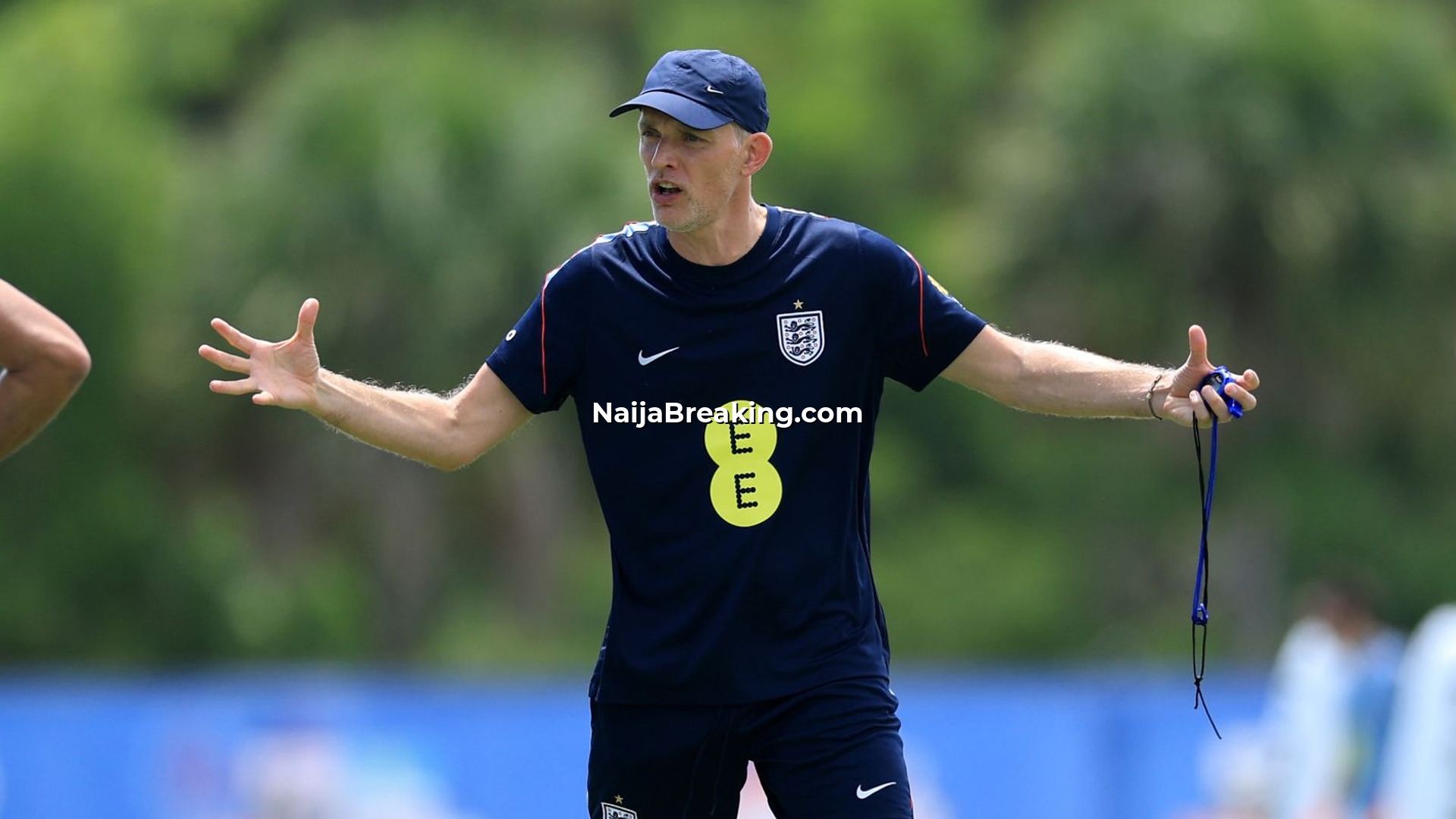
England manager Thomas Tuchel has addressed critical pre-World Cup questions following the Three Lions’ arrival in the United States, with the Thomas Tuchel England manager World Cup briefing revealing important insights into squad preparation and tournament logistics. Just days after landing in the USA, Tuchel held his first press conference on American soil, tackling pressing concerns about Harry Kane’s fitness status, the controversial question of whether players can transfer during the tournament, and worrying complaints about the playing surface in Tampa Bay ahead of Saturday’s warm-up match against New Zealand. The early press conference signals how seriously Tuchel is taking the pre-tournament preparation period, with England having less than two weeks to finalise their plans before their World Cup opener against Croatia on June 17. For Nigerian football fans and analysts who have long followed English football’s development—especially given Nigeria’s historical rivalry with the Three Lions in African football—this pre-tournament phase offers valuable insight into how top international managers navigate the complexities of modern football, where player welfare, contractual obligations, and ground conditions intersect with tournament preparation. Tuchel’s measured but firm responses on these topics reveal the sophisticated approach required to manage a squad of elite footballers operating under intense scrutiny and commercial pressure.
Background
Thomas Tuchel’s appointment as England manager represented a significant shift in the Three Lions’ tactical direction, arriving after Gareth Southgate’s tenure ended following Euro 2024. Tuchel, a German manager with extensive experience at top European clubs including Chelsea, Paris Saint-Germain, and Bayern Munich, brought a reputation for meticulous planning and innovative tactical systems. The appointment itself was historic—Tuchel becoming only the third foreign-born manager to take the England job in modern times, following Sven-Göran Eriksson and Fabio Capello. His arrival coincided with a period of reassessment for English football, particularly regarding player rotation, squad depth, and the management of established stars like Harry Kane, who at 31 years old would be playing his potentially final World Cup campaign. The World Cup qualification campaign under previous management saw England consolidate their status as one of Europe’s elite teams, though questions about depth in certain positions and the integration of younger players remained persistent concerns.
For context, Nigeria has historically watched England’s World Cup campaigns with particular interest, given the two nations’ shared Commonwealth heritage and the regular meetings between their national teams in competitive and friendly fixtures. The pre-tournament phase—the weeks immediately before a World Cup begins—has always been crucial for determining final squad conditions, tactical shape, and psychological readiness. Tuchel’s tenure so far has emphasised continuity with proven performers while gradually introducing younger options, a balancing act that requires careful communication and strategic decision-making. The appointment of a foreign manager signals England’s pragmatic approach to achieving results, moving beyond the debate about whether an English-born manager should lead the national team. Tuchel’s first major tournament in charge arrives at a critical juncture where squad harmony, individual player form, and logistical perfection must converge simultaneously.
Key Details
During his first USA-based press conference, Tuchel addressed multiple pressing concerns that have shadowed England’s World Cup preparations. According to Sky Sports coverage, the England manager confirmed he would not obstruct any player seeking a move during the World Cup tournament, provided all contractual and regulatory requirements were satisfied. This stance immediately clarified an important uncertainty—players like Morgan Rogers, Elliot Anderson, and Marcus Rashford, all subject to transfer speculation, would not face management resistance should clubs make formal approaches. Additionally, John Stones’ current status as a player without a club was explicitly acknowledged, raising questions about his competitive readiness and integration into team preparations despite his technical quality and experience.
Regarding Harry Kane’s fitness, Tuchel provided reassuring but cautious commentary, indicating the captain was progressing well through his rehabilitation and recovery protocols but would not be rushed into matchday readiness ahead of schedule. The manager’s deliberate language suggested Kane would feature in at least some of the warm-up matches, allowing him to build match sharpness before the Croatia fixture. Tuchel also raised legitimate concerns about the playing surface at Tampa Bay’s stadium, where the New Zealand friendly would be contested. His complaints focused on pitch condition relative to IFAB (International Football Association Board) regulations, suggesting the surface might not meet official standards for a competitive international match—a technical but practically important issue that could affect player safety and performance. Tuchel’s public airing of these concerns signalled to FIFA officials that England would expect remedial action before the match or clarification about acceptable playing standards for warm-up fixtures.
The manager’s approach to transfer discussions revealed sophisticated understanding of modern footballer psychology and contractual reality. Rather than imposing blanket restrictions, Tuchel indicated that players would be treated as professionals capable of managing personal and professional interests simultaneously. This pragmatic stance contrasts with more paternalistic approaches some managers adopt, reflecting contemporary management philosophy that respects players’ agency while maintaining squad focus. The specific mention of multiple players seeking moves indicates England’s squad contains several high-value assets operating in the transfer market simultaneously—a testament to the depth and quality available but also a potential distraction factor requiring careful navigation through the tournament.
Impact and Analysis
Tuchel’s transparent approach to squad management during the World Cup preparation period carries significant implications for English football’s tournament prospects and the broader question of how modern managers balance competing pressures. By publicly confirming he won’t block transfers, Tuchel has managed expectations while simultaneously reducing the possibility of discontented players becoming squad liabilities. Contrast this with the traditional management philosophy that views tournament focus as requiring complete isolation from market considerations—Tuchel’s approach assumes elite professionals can compartmentalise these concerns. This represents a meaningful philosophical departure from the “bunker mentality” once associated with international football management, reflecting the reality that modern players exist within complex financial and contractual ecosystems that cannot simply be suspended for a month.
The Harry Kane fitness question carries particular strategic weight. Kane’s availability and match-sharpness directly affects England’s attacking potency and their viability as World Cup contenders. A fully recovered, confident Kane operating at peak performance represents an enormous competitive advantage; conversely, rushing his return from injury could expose weaknesses in attacking personnel or force tactical compromises. Tuchel’s measured approach suggests confidence in Kane’s underlying fitness while recognising the need for careful progression. The Tampa Bay pitch concerns, meanwhile, reveal attention to technical detail that many observers might overlook. Playing surface condition affects injury risk, ball movement, and the execution of technical systems—Tuchel’s willingness to raise these issues publicly demonstrates he will not accept substandard conditions that might jeopardise player welfare or tournament preparation. This proactive stance protects his players while subtly pressuring FIFA to ensure appropriate facilities.
Expert Perspectives
Dr. Chisom Adekoya, a London-based sports management specialist who has conducted extensive research on international football tournament preparation, believes Tuchel’s stance on transfers reflects evolving best practices in elite sports management. “The old model where managers attempted to create total isolation from market forces belonged to an era when international football existed in relative economic detachment,” Adekoya explained. “Modern players—particularly those at Premier League clubs—exist within ecosystems where contractual movements worth tens of millions of pounds are normal. A manager who attempts to suppress this reality invites resentment and creates psychological distance exactly when squad cohesion matters most. Tuchel’s acknowledgment that transfers can continue provided regulatory requirements are met shows he understands contemporary footballer mentality and chooses trust over authoritarian control.”
Conversely, Professor Okonkwo Ejiro, a sport psychology expert at the University of Lagos who has studied international tournament performance extensively, raises important concerns about the potential distraction factor. “Whilst Tuchel’s pragmatic approach has intellectual merit, research suggests that squad heterogeneity regarding tournament experience and psychological readiness can create subtle friction points,” Okonkwo noted. “Players actively pursuing transfers exist in a different mental space than those settled and committed. The cumulative effect of multiple squad members navigating parallel processes—World Cup preparation and transfer negotiations—may subtly diminish collective focus. This isn’t necessarily disastrous, but it requires careful monitoring of group dynamics and individual psychological states throughout the tournament.” Both experts acknowledge the complexity of modern international football management, where inflexible approaches risk generating counterproductive outcomes despite superficial appeal.
What This Means for Nigerians
For Nigerian football enthusiasts and sports analysts, Tuchel’s management approach offers valuable case studies in how elite football organisations navigate contemporary challenges. Nigeria’s Super Eagles have historically faced similar issues—managing players spread across multiple European leagues, handling transfer speculation mid-tournament, and addressing infrastructure concerns—albeit typically with fewer resources and less favourable media platforms. Tuchel’s transparent communication style and willingness to publicly address concerns like pitch conditions represent a management model that Nigerian football administrators and coaches might study and adapt to local contexts. The detailed attention to player welfare, contractual clarity, and environmental conditions demonstrates the operational rigour expected at tournament level.
Additionally, for Nigerian broadcasters and sports media covering international football, Tuchel’s World Cup campaign provides rich material for comparative analysis. How England navigates the tournament under a foreign manager will influence perceptions of what effective international football management requires. Nigeria’s football development pathway increasingly intersects with English football through Premier League exposure and player circulation—understanding how Tuchel manages elite players operating across these international networks offers insights relevant to developing Nigerian football administration. For Nigerian football fans specifically, Tuchel’s pre-tournament statements reveal the psychological and technical sophistication that separates top international sides from those struggling to compete consistently. The attention to detail about pitch conditions, player fitness progression, and squad psychology demonstrates why England remains a consistent threat despite never delivering World Cup success under recent management.
Editor’s Take
At NaijaBreaking, we believe Tuchel’s pragmatic approach to World Cup management reveals something important about contemporary elite sport: the fantasy of total control has become operationally counterproductive. His willingness to acknowledge that players can pursue transfers while simultaneously maintaining squad focus suggests confidence in his system and his understanding of modern footballer mentality. Rather than viewing transfer activity as a distraction to be suppressed, Tuchel treats it as a manageable reality requiring transparency and professional boundaries. This philosophical maturity—treating elite players as autonomous professionals rather than property to be locked away—actually enhances squad cohesion by respecting agency. What this story reveals is that successful international management in 2024 requires embracing complexity rather than imposing artificial simplicity. The questions Tuchel openly addressed—Kane’s fitness, transfer movements, stadium conditions—are precisely the logistical and psychological factors that determine tournament success, yet they’re often discussed only behind closed doors. His public engagement with these issues demonstrates leadership that acknowledges reality rather than pretending it doesn’t exist.
What to Watch Next
The immediate developments to monitor include: (1) Harry Kane’s performance and fitness progression through the New Zealand friendly and any subsequent warm-up matches—how many minutes he plays and his physical condition will signal actual readiness for the Croatia opener; (2) whether any of the mentioned transfer-seeking players actually move before the World Cup begins, and how completed transfers might affect squad psychology and team sheet selection; (3) the resolution of Tampa Bay pitch concerns and whether FIFA implements remedial work or whether England must adapt to substandard conditions; (4) the team dynamics emerging from Tuchel’s first competitive match in charge, particularly whether his tactical system generates expected performance against New Zealand. The key question now is: will Tuchel’s pragmatic management approach to transfers and off-field distractions actually enhance squad focus, or will the reality of multiple players navigating parallel transactions subtly undermine the psychological unity required for tournament success? The answer will emerge across the next two weeks of preparation and warm-up matches.
Conclusion
Thomas Tuchel’s first World Cup press conference from the United States established a management framework emphasising transparency, player agency, and meticulous attention to logistical detail. By publicly confirming he won’t block transfers, addressing Kane’s fitness with measured optimism, and raising legitimate concerns about playing surfaces, Tuchel demonstrated sophisticated understanding of contemporary international football management. England enters the World Cup under a foreign manager committed to respecting player professionalism whilst maintaining tournament focus. Share your thoughts in the comments below—what do you think this means for Nigeria’s future in international football, and what lessons might our football administrators learn from Tuchel’s pragmatic approach to squad management?