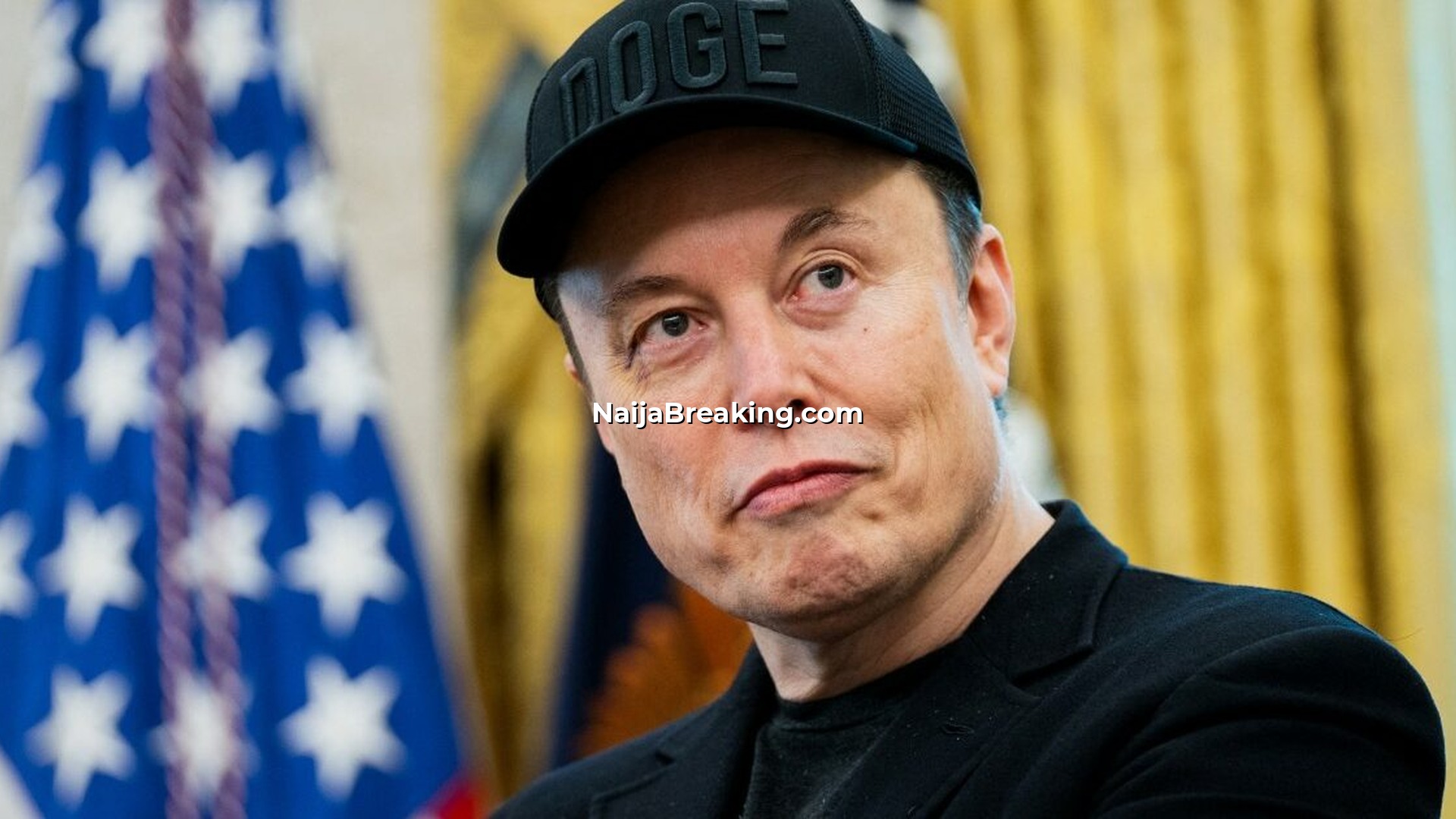
Elon Musk Takes OpenAI to Court Over AI Non-Profit Mission Betrayal
In a landmark legal confrontation that has captured global attention, billionaire entrepreneur Elon Musk is entering a high-stakes courtroom showdown with artificial intelligence startup OpenAI, in what promises to be one of the most significant technology disputes of this decade. The Elon Musk OpenAI lawsuit represents far more than a simple contractual disagreement between two technology titans—it signals a fundamental debate about the future direction of artificial intelligence development and whether transformative technologies should serve humanity broadly or concentrate wealth among privileged corporations and investors. Jury selection commenced on Monday in a San Francisco Bay Area courthouse, marking the beginning of what legal experts predict will be an extended trial examining whether OpenAI violated its foundational promises to its original backers, including Musk himself, by transforming from a non-profit mission-driven organisation into a commercial juggernaut now valued at $852 billion.
For Nigerian technology enthusiasts, investors, and policy makers watching the global AI landscape, this legal battle carries significant implications for how artificial intelligence governance might evolve in developing nations. Nigeria, Africa’s largest economy with over 220 million people and a growing technology sector, has been actively positioning itself as a hub for AI innovation and digital transformation. The outcomes of this lawsuit could influence how Nigerian regulators, technology entrepreneurs, and foreign technology partners approach AI development, corporate governance, and the balance between commercial interests and public benefit. Understanding the details of this courtroom confrontation is essential for anyone in Nigeria’s tech ecosystem seeking to navigate the increasingly complex world of artificial intelligence regulation and corporate accountability.
Background
The origin story of OpenAI begins in 2015, when Elon Musk, alongside technology entrepreneur Sam Altman and several other co-founders, established the organisation as a non-profit artificial intelligence research laboratory with an explicitly altruistic mission. According to court filings referenced in source, Altman convinced Musk to back the venture by emphasising that the technology developed would belong to the world and serve humanity’s collective interests rather than enriching private shareholders. Musk demonstrated his commitment by investing approximately $38 million into OpenAI during its early years, establishing himself as a significant financial backer and contributing his credibility to attract additional talent and resources to the fledgling organisation. The non-profit structure was deliberately chosen to align with noble aspirations about democratising artificial intelligence and preventing any single entity from monopolising what many recognised as potentially the most transformative technology of the twenty-first century.
However, the trajectory of OpenAI shifted dramatically over the subsequent years as the technical challenges and financial requirements for developing large language models and advanced AI systems became increasingly apparent. By 2017, merely two years after its founding, OpenAI announced the establishment of a commercial subsidiary structure, justified by the enormous capital requirements needed to build the data centres and computing infrastructure necessary for cutting-edge AI development. This strategic pivot marked the beginning of what Musk now characterises as a fundamental betrayal of the original non-profit mission and the implicit promises made to early investors like himself. The transformation accelerated when technology giant Microsoft began investing billions of dollars into OpenAI, creating a complex corporate structure where OpenAI became increasingly reliant on commercial revenues and private investment rather than charitable funding or academic partnerships. By 2024, Microsoft’s stake in OpenAI was valued at approximately $135 billion, transforming what was once presented as an open-source public benefit organisation into a highly profitable private enterprise controlled largely by commercial interests.
Key Details
The lawsuit filed by Musk against OpenAI, its chief executive officer Sam Altman, and other defendants centres on allegations that the company deliberately misrepresented its mission and structure to secure early funding and support. Court documents reveal that in 2017, when Musk apparently threatened to withdraw his financial support if OpenAI abandoned its non-profit commitment, Altman responded with an email explicitly stating his continued enthusiasm for maintaining the non-profit structure of their artificial intelligence venture. Yet within mere months of that assurance, OpenAI proceeded with establishing its commercial subsidiary, contradicting the representations made to Musk and raising questions about whether Altman intentionally deceived the billionaire entrepreneur about the organisation’s strategic direction. According to the source, Musk argues in his legal complaint that he was misled regarding OpenAI’s fundamental mission and that the organisation’s subsequent transformation into a profit-seeking enterprise constitutes breach of contract and potential fraud.
The trial, overseen by a judge determined to reach jury verdicts by late May of this year, will involve testimony from major figures in the technology industry, including Microsoft chief executive officer Satya Nadella, who is slated to appear as a witness. The lawsuit documents OpenAI’s evolution from a modestly-funded research laboratory to a company worth $852 billion, with operations now spanning the globe and products like ChatGPT competing directly against Musk’s own artificial intelligence venture, the Grok chatbot developed by his company xAI. The competitive dimension adds particular interest to this litigation, as Musk’s xAI is explicitly positioned as an alternative to what he characterises as OpenAI’s corporate-controlled approach to AI development. Evidence presented at trial will likely detail internal communications, board meeting minutes, financial records, and strategic planning documents that demonstrate when and how OpenAI leadership made decisions to prioritise commercial profitability over non-profit mission alignment. The jury will be tasked with determining whether these decisions constitute legitimate business evolution or represent actionable breaches of obligations to founding investors and stakeholders who provided critical early support based on different representations.
Data regarding the financial transformation tells a striking story: from humble beginnings with Musk’s $38 million investment and uncertain revenue prospects, OpenAI has grown into an organisation capable of attracting Microsoft’s partnership valued at tens of billions of dollars. The company’s valuation has increased exponentially, driven largely by the phenomenal success of ChatGPT, which reached 100 million users faster than any consumer application in history. However, this commercial success came at what Musk argues was the cost of abandoning the foundational promises that attracted initial support and talent to the organisation.
Impact and Analysis
The broader implications of the Elon Musk OpenAI lawsuit extend far beyond the financial interests of the two parties directly involved, touching fundamental questions about how transformative technologies should be governed and by whom. This case represents a pivotal moment in technology law and corporate governance, establishing precedents for how courts evaluate promises made about mission-driven ventures and whether corporate executives can unilaterally pivot from stated altruistic missions toward commercial profit maximisation without legal consequences. The outcome will likely influence how venture capitalists, angel investors, and major corporations structure funding arrangements for artificial intelligence companies and other potentially world-changing technological ventures. If Musk succeeds in proving that OpenAI breached fiduciary duties or violated contractual commitments regarding its non-profit mission, it could establish that technology companies cannot simply rebrand themselves from public benefit organisations to profit-driven enterprises without accountability to early stakeholders.
The economic dimensions are substantial: should Musk’s claims prevail, damages could be calculated based on OpenAI’s current $852 billion valuation, potentially resulting in one of the largest technology law settlements in history. This financial magnitude has attracted intense scrutiny from investors worldwide who worry about the precedent such a judgment might establish for their own technology investments. The case has also ignited broader societal debates about whether artificial intelligence development should be guided primarily by corporate profit motives or whether democratised access and public benefit should take precedence. Industry analysts predict that the trial outcome will influence how artificial intelligence companies structure themselves going forward, potentially encouraging greater transparency about commercial intentions and more explicit communication of mission priorities to investors and stakeholders. The litigation underscores a critical tension in modern technology development: the enormous capital requirements of artificial intelligence research seemingly necessitate commercial models, yet many founding stakeholders believed these technologies were too important to be controlled entirely by profit-maximising corporations.
Expert Perspectives
Technology law experts have offered varied perspectives on the merits of Musk’s case against OpenAI, with legal scholars pointing to the documentary evidence provided in court filings as potentially significant. Professor of corporate law at leading technology-focused universities have noted that Altman’s 2017 email explicitly reaffirming commitment to the non-profit structure could be characterised as a material misrepresentation if OpenAI was already planning the commercial transition that occurred mere months later. However, other legal analysts have cautioned that distinguishing between legitimate business evolution and actionable breach may prove challenging, particularly given that the original founding agreements may have contained provisions allowing for structural changes or adaptations as the organisation’s needs evolved. Some technology industry observers have suggested that Musk’s lawsuit also reflects competitive motivations, given that OpenAI’s ChatGPT has become vastly more successful than his own Grok alternative, raising questions about whether this litigation represents genuine principled concerns or strategic business tactics disguised as legal claims.
Innovation policy experts have emphasised that the case highlights genuine tensions in artificial intelligence governance that nations like Nigeria must grapple with as they develop their own AI policies and regulatory frameworks. Artificial intelligence researchers and ethicists have largely expressed concerns about corporate consolidation of AI capabilities, noting that the concentration of powerful AI systems within a few profit-driven companies could undermine broader societal benefits from this transformative technology. The testimony of Microsoft’s Satya Nadella is anticipated to provide crucial insights into how commercial partnerships with OpenAI were negotiated and what understandings existed regarding the organisation’s mission during the period when Microsoft was making its massive investments. Legal commentators expect that Nadella’s testimony could significantly influence the jury’s assessment of whether OpenAI’s transformation was an inevitable business necessity driven by market forces or a deliberate strategic choice to prioritise profits over public benefit principles.
What This Means for Nigerians
For Nigeria and other African nations developing artificial intelligence capabilities and policies, the Elon Musk OpenAI lawsuit offers critical lessons about technology governance, corporate accountability, and the importance of clear contractual frameworks protecting public interests. Nigeria’s Ministry of Communications and Digital Economy has been actively promoting artificial intelligence development as central to the nation’s digital transformation agenda, and Nigerian technology entrepreneurs are increasingly creating AI-based solutions for finance, agriculture, healthcare, and other critical sectors. The courtroom battle between Musk and OpenAI demonstrates why African nations must develop sophisticated regulatory frameworks that can evaluate whether international technology companies are fulfilling stated commitments to public benefit and equitable technology distribution, rather than simply extracting profits while concentrating capabilities among wealthy corporations. The case also highlights risks that Nigerian investors and entrepreneurs should carefully consider when partnering with international technology companies or adopting models based on promises of public benefit and inclusive development.
Nigerian tech entrepreneurs and policymakers should note that the OpenAI case raises important questions about technology transfer, local capability development, and whether international AI partnerships genuinely serve Nigerian interests or primarily benefit foreign investors and corporations. The Federal Government of Nigeria has invested substantially in digital infrastructure and technology education through initiatives like the National Digital Economy and Data Protection Regulation framework, yet concerns persist about whether Nigerians will have meaningful access to advanced artificial intelligence capabilities or whether these transformative technologies will remain controlled by foreign corporations beyond Nigeria’s regulatory reach. The lawsuit emphasises that detailed contractual provisions, explicit mission statements, and rigorous monitoring mechanisms are essential when technology partnerships are established, particularly when they involve potentially world-changing technologies like artificial intelligence. Nigerian regulators should consider how this litigation might inform approaches to evaluating international technology partnerships and ensuring that promises of public benefit and equitable development are genuinely honoured rather than abandoned when commercial opportunities arise.
Additionally, the case demonstrates the importance of building Nigeria’s independent artificial intelligence research and development capacity rather than remaining entirely dependent on foreign technology providers whose interests may diverge from Nigerian national interests. The success of Musk’s xAI as an alternative to OpenAI suggests that competitive options in artificial intelligence development are desirable and achievable, encouraging Nigerian technologists and entrepreneurs to pursue homegrown AI solutions tailored specifically to Nigerian needs and circumstances. Educational institutions in Nigeria, including the University of Lagos, University of Ibadan, and newer technology-focused institutions, should increase emphasis on artificial intelligence research and training to ensure that Nigeria develops indigenous expertise and reduces dependence on foreign corporations for access to transformative technologies.
Conclusion and Outlook
The Elon Musk OpenAI courtroom showdown represents far more than a personal feud between two prominent technology figures; it signals a fundamental reckoning with how artificial intelligence—humanity’s potentially most transformative technology—should be developed, governed, and distributed. The case addresses critical questions about corporate accountability, mission integrity, and whether technology leaders can unilaterally abandon stated public benefit commitments in pursuit of private profit without legal consequences. As jury selection commenced and testimony preparation began, technology leaders, policymakers, investors, and citizens worldwide recognised the significance of this litigation for establishing precedents about artificial intelligence governance and corporate responsibility. For Nigeria specifically, the trial offers valuable lessons about negotiating technology partnerships, structuring regulatory frameworks, and ensuring that transformative technologies serve Nigerian interests and populations rather than simply extracting value for foreign corporations.
Looking forward, the outcome of this trial is expected by late May and will likely establish important legal precedents for how courts evaluate mission-driven technology ventures and the obligations of corporate leaders to honour commitments made to early stakeholders and investors. Regardless of the jury’s final verdict, the case has already succeeded in illuminating critical debates about artificial intelligence governance, corporate responsibility, and the balance between profit motives and public benefit in technology development. For Nigeria’s emerging technology sector, the lessons are clear: invest in indigenous AI capabilities, negotiate carefully constructed partnership agreements with international technology companies, and maintain vigilant oversight of whether foreign technology partners are genuinely serving Nigerian interests or simply pursuing profit maximisation. The trajectory of this landmark litigation will shape how technology companies structure themselves and how nations protect their interests in an increasingly AI-driven world.
Share your thoughts in the comments below. What do you think about the Elon Musk OpenAI lawsuit, and what lessons should Nigeria’s technology sector learn from this high-profile case? How can African nations ensure that artificial intelligence development serves broader public interests rather than concentrating power among wealthy corporations?