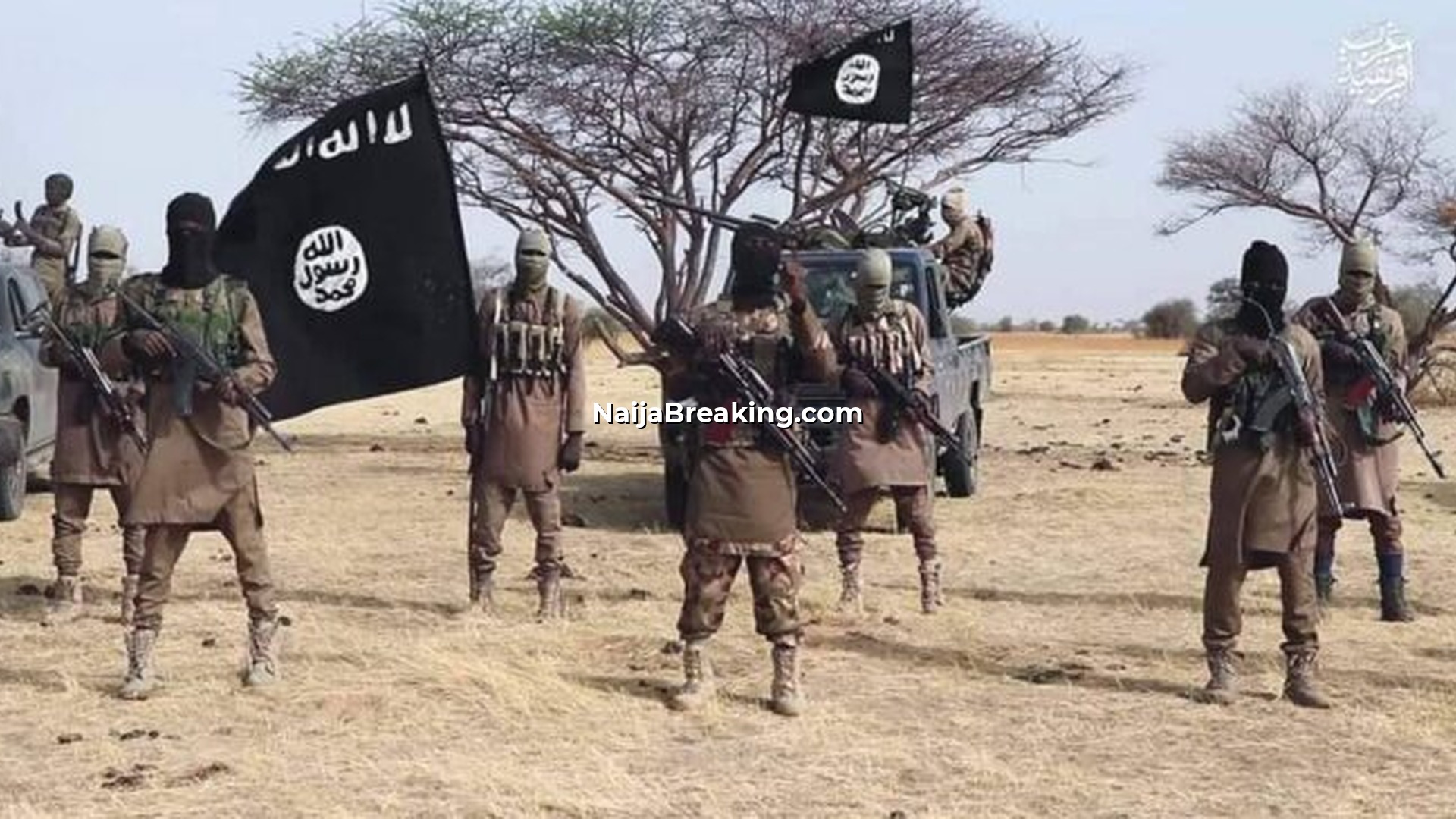
The Islamic State West Africa Province (ISWAP) has released a new video claiming responsibility for a series of coordinated and deadly attacks on Nigerian and Nigerien security forces, according to reports from major news outlets covering the security situation in West Africa. The terrorist organization’s ISWAP claims attacks have reportedly resulted in significant casualties among military personnel, police officers, and local militia forces across multiple locations in northern Nigeria and the neighbouring Niger Republic.
The propaganda material, which was disseminated on Thursday and subsequently circulated on X (formerly Twitter), was originally written in Arabic before being translated into English for wider distribution. A copy of the document was reviewed by correspondents monitoring terrorist activities in the Sahel region, providing detailed accounts of the alleged military operations conducted by the extremist group.
ISWAP Claims Coordinated Military Operations
According to the released material, the Islamic State West Africa Province coordinated a series of sophisticated military attacks involving multiple tactical approaches. The group claimed to have executed roadside bombings, targeted checkpoint assaults, and coordinated vehicle destruction operations across several locations in northern Nigeria and Niger.
One of the most significant incidents detailed in the ISWAP claims attacks announcement involved an alleged attack on a military patrol in northern Nigeria. The terrorist organization stated that an improvised explosive device (IED) detonated directly on a patrol vehicle, resulting in what they claimed were substantial casualties among Nigerian military personnel.
“What actually happened was that the roadside bomb exploded directly on the patrol, causing the death of seven soldiers, including an officer with the rank of Major, wounding others, and destroying a four-wheel-drive vehicle,” the publication detailed in the released statement. The specific mention of a Major-ranked officer suggests the ISWAP claims attacks targeted command-level personnel, potentially indicating intelligence gathering capabilities within the terrorist network.
The group further alleged that separate units executed a calculated ambush near a town’s outskirts, specifically designed to lure military troops into a predetermined killing zone. This tactic demonstrates the increasing sophistication of insurgent operations in the region and raises serious concerns about the security apparatus’s vulnerability to coordinated attacks.
Allegations Against Nigerian Military Forces
Beyond claiming responsibility for attacks, ISWAP also levelled serious accusations against Nigerian military forces regarding their response to insurgent activities. According to the terrorist group’s released statement, soldiers conducted retaliatory operations on civilian homes situated near Monguno, allegedly burning residential structures and displacing families.
The ISWAP claims attacks document specifically accused military personnel of committing these acts against civilians who allegedly failed to report the movements and whereabouts of insurgent fighters. Such allegations, if verified, would constitute potential violations of international humanitarian law and the rules of engagement that should govern military operations in civilian areas.
In their statement, ISWAP described the alleged military response as “desperate and uncivilised steps by the army to cover up its repeated failures and heavy losses.” This rhetoric is typical of terrorist propaganda, designed to undermine public confidence in state security institutions and portray the military as ineffective and brutal.
These accusations must be understood within the broader context of the ongoing conflict in the Lake Chad Basin, where distinguishing between legitimate military operations and potential civilian abuse remains a critical humanitarian concern. International human rights organizations have long documented allegations of extrajudicial actions by various armed groups involved in the conflict.
Attacks on Police and Local Militia Forces
The ISWAP claims attacks extended beyond military targets to include law enforcement personnel and civilian defense organizations. According to the released material, the terrorist group conducted separate operations against police officers and locally-organized militia groups who have been mobilized to support government security efforts in vulnerable communities.
The document reviewed by security analysts claimed that dozens of police officers and militia members were killed across multiple operations conducted simultaneously in both Nigeria and the neighbouring Niger Republic. This pattern of coordinated attacks suggests a level of operational planning and resource allocation that indicates ISWAP maintains significant organizational capacity despite ongoing military pressure from regional forces.
The simultaneous nature of these alleged operations underscores the challenge faced by security authorities in the Sahel region. With limited resources spread across vast geographic areas, security forces struggle to simultaneously defend multiple locations against determined insurgent groups capable of organizing coordinated attacks.
Cross-Border Operations in Niger Republic
The ISWAP claims attacks document also detailed alleged operations conducted in the neighbouring Niger Republic, demonstrating the transnational nature of the security threat in West Africa. One specific incident mentioned in the propaganda material involved an attack on a checkpoint located at the entrance to Rifa city.
According to ISWAP’s account, their fighters attacked the checkpoint using machine gun fire, resulting in what they claimed were five casualties—both killed and wounded. The group further alleged that they destroyed a four-wheel-drive vehicle and seized eight machine guns during the operation before safely withdrawing.
“Five were killed and wounded, while a four-wheel-drive vehicle was burned and eight machine guns were seized before the fighters returned safely,” the report claimed. Such specific tactical details in propaganda statements serve multiple purposes: they provide evidence to supporters of operational success, demoralize potential opponents, and demonstrate capability to potential recruits.
The involvement of Nigerien forces in the conflict underscores the regional dimensions of the security crisis. Border areas between Nigeria and Niger have long served as transit routes for insurgent groups, weapons trafficking networks, and displaced persons fleeing the violence. The security situation in these areas remains volatile and highly contested.
Implications for Regional Security
The release of this ISWAP claims attacks video raises significant questions about the security situation in the Sahel region and the effectiveness of current counter-insurgency strategies. The ability of the terrorist organization to conduct coordinated operations across multiple locations and international borders demonstrates sustained operational capacity despite military interventions.
Security experts emphasize that such propaganda materials should be approached with appropriate skepticism, as terrorist groups frequently exaggerate casualty figures and operational successes to enhance their prestige and attract recruits. However, the consistency of such claims with verified incidents documented by credible sources suggests that the underlying security threats represented are substantial and require serious attention from policymakers and military planners.
The pattern of attacks described—roadside bombings, checkpoint assaults, and coordinated ambushes—represents tactics that have become increasingly prevalent throughout the Lake Chad Basin. These methods require minimal training and resources while producing maximum psychological impact on both civilian populations and security force morale.
International Response and Monitoring
International security analysts and organizations continue monitoring ISWAP activities closely, recognizing the group’s significance as one of the most dangerous terrorist organizations operating in West Africa. The Islamic State West Africa Province represents a splinter faction that broke away from Boko Haram and has established itself as a formidable threat to regional stability.
The release of propaganda materials through social media and messaging platforms remains a critical concern for counterterrorism specialists. These videos and documents serve multiple strategic purposes for terrorist organizations, including recruitment, radicalization, coordination with affiliates, and psychological operations against civilian populations and security forces.
Source: Punch Nigeria
Moving Forward: What Nigerians Should Know
As citizens and stakeholders in Nigeria’s security situation, it remains crucial to stay informed about developments in the ongoing conflict affecting the northern regions. Understanding terrorist group tactics, motivations, and propaganda strategies helps the general public maintain realistic perspectives on security threats without succumbing to fear or misinformation.
The claims made by ISWAP regarding attacks on security forces should be considered within the broader context of independent verification, credible reporting from news organizations, and assessments from security analysts. While terrorist propaganda often contains exaggerations, it also frequently reflects underlying security realities that demand serious government attention and resources.
Continued vigilance, support for credible security institutions, and community participation in intelligence gathering remain essential components of any comprehensive counter-insurgency strategy aimed at defeating terrorist organizations and restoring peace to affected regions in Nigeria and the broader Sahel.
Share your thoughts below on this important security development affecting our nation.