Federal High Court Defamation Trial Threatens to Foreclose Sowore’s Defence Over Delays: A Watershed Moment for Nigerian Justice and Press Freedom
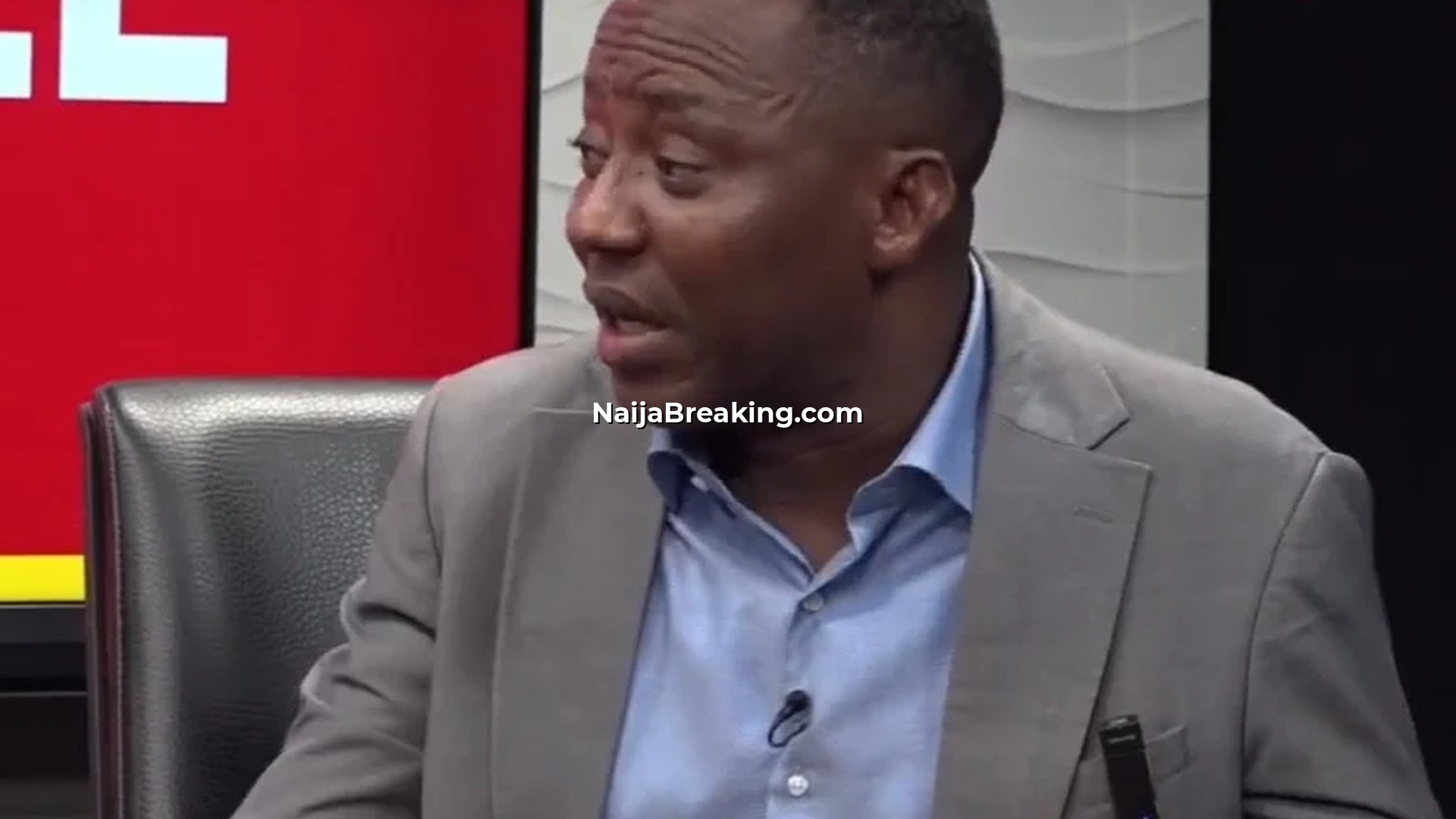
A Federal High Court in Abuja has issued a final warning in the ongoing defamation trial involving Omoyele Sowore, the African Action Congress presidential candidate in the 2023 election, signalling that judicial patience with repeated adjournments has reached a critical breaking point. The defamation trial, Sowore case at the Federal High Court represents one of Nigeria’s most significant legal battles in recent years, with far-reaching implications for press freedom, political discourse, and the judiciary’s role in protecting constitutional rights. Justice Mohammed Umar, presiding over the defamation trial, Sowore proceedings at the Federal High Court, issued an emphatic warning that if Sowore or his legal team fails to present the defence on the next adjourned date of July 22, the court would foreclose the entire defence, effectively closing off the defendant’s opportunity to present his case in this highly publicised defamation trial. This development marks a critical juncture in a trial that has become emblematic of Nigeria’s struggle to balance press freedom with defamation law, while simultaneously raising serious questions about judicial efficiency and the right to adequate legal representation in the Nigerian court system.
The warning comes after multiple adjournments requested by Sowore’s lead counsel, Olumide Fusika, who was absent from Thursday’s hearing due to what the defence described as a family matter outside Nigeria. The defamation trial involving Sowore has already attracted significant attention from international media watchdogs, civil rights organisations, and press freedom advocates who view the Federal High Court proceedings as a potential watershed moment for journalism and political discourse in Nigeria. International bodies including Amnesty International, the Committee to Protect Journalists, and the International Press Institute have expressed concerns about the case, viewing it as symptomatic of broader challenges to free expression in Africa’s most populous nation. The defamation trial raises fundamental questions about the balance between protecting individual reputation and safeguarding the essential role of media and political commentary in democratic societies.
Understanding the Defamation Trial: Background and Historical Context
The defamation trial against Omoyele Sowore represents a broader pattern in Nigerian politics where political figures use the courts to address perceived insults or criticisms made by opponents or media personalities. Sowore, a media entrepreneur, activist, publisher, and former presidential candidate, has long been a polarising figure in Nigeria’s political landscape—celebrated by some as a fearless voice for accountability and criticised by others as a confrontational agitator. His career trajectory reveals the complex relationship between activism, journalism, and politics in contemporary Nigeria, where the lines between these domains often blur in the pursuit of societal change and accountability.
The defamation trial, Sowore case at the Federal High Court stems from accusations that Sowore referred to President Bola Tinubu as a “criminal” in social media posts on Facebook and X (formerly Twitter) in 2024. This follows a history of legal confrontations between Sowore and state agencies, including his widely publicised arrest and detention by the DSS in 2019 over his #RevolutionNow movement, which eventually resulted in court orders for his release after significant public outcry and international pressure. The #RevolutionNow movement represented Sowore’s most ambitious attempt at mobilising citizens toward systemic change, and his detention by the Department of State Services became a defining moment in his activism, bringing international scrutiny to Nigeria’s approach to civil liberties.
The case itself sits within Nigeria’s complex defamation legal framework, where criminal defamation—distinct from civil defamation—remains a prosecutable offence under the Penal Code and Criminal Code. While many democratic nations have abolished criminal defamation as incompatible with free expression, Nigeria retains these provisions, creating a legal landscape where political speech and criticism can result in criminal prosecution. The defamation trial, Sowore Federal High Court proceedings thus occur within a legal context that many international human rights organisations contend is overly restrictive and inhibits legitimate political discourse. This legal framework has been utilised multiple times against journalists, activists, and opposition figures in recent years, raising systemic concerns about the government’s commitment to press freedom and democratic pluralism.
The Charges and Allegations in the Defamation Trial
The defamation trial allegations centre on specific statements Sowore made in 2024 regarding President Tinubu. The prosecution contends that characterising the president as a “criminal” constitutes defamation under Nigerian law, damaging his reputation and standing in the eyes of the public. The Federal High Court defamation trial has heard arguments from the prosecution presenting evidence of the social media posts in question, while the defence has primarily focused on the procedural challenges and the difficulty of mounting a robust defence amid repeated adjournments.
What makes this defamation trial particularly significant is the broader context of political commentary in Nigeria. Opposition politicians, activists, and journalists regularly engage in sharp, sometimes inflammatory criticism of government officials and political leaders. The question at the heart of the defamation trial, Sowore Federal High Court case is whether such criticism—particularly characterisations of public figures as corrupt or criminal—constitutes actionable defamation or protected political speech under Nigeria’s constitutional framework.
The prosecution in the defamation trial has sought to establish that Sowore made false statements with malicious intent, damaging President Tinubu’s reputation. However, the defence has not yet had adequate opportunity to present counter-arguments, expert testimony on the nature of political discourse, or evidence regarding the substantial truth of the allegations. This procedural challenge forms the crux of the controversy surrounding the Federal High Court defamation trial, with many legal observers arguing that the repeated adjournments, while frustrating, pale in comparison to the potential injustice of foreclosing the defence entirely.
Justice Umar’s Warning and Its Judicial Implications
Justice Mohammed Umar’s threat to foreclose the defence in the defamation trial represents an extraordinary judicial intervention. In the Federal High Court defamation trial, the judge’s warning reflects his frustration with the procedural delays, yet it also raises fundamental questions about judicial discretion and proportionality. When a court forecloses a defendant’s entire defence, it effectively prevents that defendant from presenting evidence, calling witnesses, or making legal arguments on their own behalf—a practice that sits uneasily with principles of natural justice and the right to a fair trial, which are enshrined in Nigeria’s 1999 Constitution.
The threat to foreclose defence in the defamation trial, Sowore case comes after what the defence characterises as unavoidable circumstances preventing full participation. Sowore’s lead counsel, Olumide Fusika, is a renowned constitutional lawyer whose expertise is particularly relevant to a case involving fundamental rights to free expression. His absence from the Federal High Court defamation trial hearing due to a family matter outside Nigeria prompted Justice Umar’s stern warning, but it also raises questions about whether the court adequately considered the implications of proceeding without the defendant’s lead counsel in such a complex and high-profile case.
The Federal High Court defamation trial judge’s approach reflects a tension between two legitimate judicial concerns: the need to expedite proceedings and prevent abuse of the adjournment system, and the imperative to ensure that defendants have adequate opportunity and resources to mount effective defences. In many jurisdictions, foreclosing a defence entirely is considered a sanction of last resort, to be employed only after clear and repeated breaches of court orders, and typically only after warnings and lesser sanctions have proven insufficient.
Press Freedom and the Broader Implications of the Defamation Trial
Beyond the immediate facts of the defamation trial, the Sowore Federal High Court case raises critical questions about the health of press freedom and political discourse in Nigeria. Free expression advocates argue that the defamation trial represents precisely the kind of case that should concern democracies: the use of criminal law to punish political criticism, thereby chilling legitimate speech. When public figures can successfully prosecute activists and critics for characterising them as corrupt or criminal—especially when substantial evidence may support such characterisations—the result is a climate of fear that discourages scrutiny and accountability.
The defamation trial, Sowore proceedings at the Federal High Court occur against the backdrop of deteriorating press freedom metrics for Nigeria. According to Reporters Without Borders, Nigeria’s World Press Freedom Index ranking has declined in recent years, with concerns mounting about harassment of journalists, restrictions on media operations, and legal mechanisms that inhibit critical reporting. The Federal High Court defamation trial becomes emblematic of these broader trends, illustrating how legal tools ostensibly designed to protect individual reputation can be weaponised against inconvenient critics.
International media organisations have expressed particular concern about the defamation trial, arguing that the outcome will signal to journalists and activists throughout Nigeria whether they can safely engage in criticism of government officials without facing criminal prosecution. The Federal High Court defamation trial thus transcends the personal circumstances of Sowore and carries significance for the entire ecosystem of free expression in Nigeria. Media houses, online platforms, and citizen journalists all observe how this case develops, calibrating their own risk tolerance for political commentary accordingly.
The Role of Adjournments and Procedural Justice in the Defamation Trial
The repeated adjournments that prompted Justice Umar’s warning in the Federal High Court defamation trial deserve careful examination. While courts have legitimate interests in preventing dilatory tactics and ensuring efficient case management, adjournments themselves often reflect the complexities of litigation in the Nigerian legal system. Lawyers must balance competing cases, travel constraints, and unexpected developments. The defamation trial, Sowore case involves complex constitutional issues requiring specialist legal expertise, research, and preparation that cannot be rushed without compromising the quality of legal representation.
Olumide Fusika’s absence from the Federal High Court defamation trial hearing due to a family matter illustrates the personal dimensions of legal practice. Lawyers are human beings with families, health concerns, and personal obligations. The question for the court in the defamation trial is whether such circumstances warrant the extreme sanction of foreclosing the entire defence. Many legal systems distinguish between adjournments caused by parties themselves (which courts may penalise) and adjournments necessitated by genuine emergencies or circumstances beyond the parties’ control (which courts typically accommodate).
The defamation trial highlights the tension between finality and fairness in judicial proceedings. While courts must eventually conclude cases and prevent indefinite delays, the Federal High Court defamation trial judge must also recognise that some delays are inevitable and that foreclosing a defence entirely may create greater injustice than accommodating one additional adjournment. The threat to foreclose defence in the defamation trial represents a judicial ultimatum that has generated significant controversy within Nigeria’s legal community.
Constitutional Protections and Free Expression Arguments
Nigeria’s 1999 Constitution, as amended, provides robust protections for free expression under Section 39. The Constitution guarantees the right of every person to freedom of expression, which includes the freedom to hold opinions and to receive and impart ideas and information without interference. This constitutional guarantee forms the foundation of defences in the defamation trial, Sowore Federal High Court case, with Sowore’s supporters arguing that his statements about the president, however unflattering, constitute protected political speech rather than actionable defamation.
The relationship between constitutional free expression rights and defamation law represents a complex legal balancing act that courts must perform in cases like the Federal High Court defamation trial. While individuals undoubtedly have rights to reputation protection, these rights must be balanced against the public’s interest in robust political discourse and the ability of citizens to scrutinise public officials. In the defamation trial, this balance becomes particularly acute because the subject matter—allegations that a public figure is corrupt or criminal—is precisely the kind of commentary that democracies most strongly protect.
Many legal scholars argue that courts should apply heightened scrutiny to defamation cases involving public figures, requiring plaintiffs to demonstrate not merely that statements were false and damaging, but that they were made with actual malice or reckless disregard for truth. This standard, borrowed from American jurisprudence but increasingly recognised in comparative constitutional law, seeks to protect vigorous political discourse while still providing recourse for truly harmful falsehoods. The Federal High Court defamation trial has not yet extensively explored these constitutional dimensions, largely because the procedural issues have dominated the proceedings.
International Perspectives and Comparative Jurisprudence
The defamation trial, Sowore Federal High Court case has drawn international attention because it illustrates how different legal systems balance competing rights. Many democracies have substantially reformed their defamation laws, recognising that criminal defamation provisions are incompatible with free expression guarantees. The European Court of Human Rights, for instance, has repeatedly held that criminal defamation laws restrict Article 10 rights and should be abolished or severely limited. The Federal High Court defamation trial occurs in a context where international human rights bodies increasingly view criminal defamation prosecutions with suspicion.
In the Commonwealth, countries including Kenya, South Africa, and several Caribbean nations have abolished or severely restricted criminal defamation, recognising that civil remedies provide adequate protection for reputation while preserving free expression. The defamation trial in Nigeria’s Federal High Court thus represents a developing jurisprudence where Nigeria must decide whether to align with international best practices or maintain traditional criminal defamation provisions.
Implications for Democratic Governance and Rule of Law
The defamation trial, Sowore Federal High Court proceedings have implications extending far beyond the individual defendant. How Nigeria’s judiciary handles this case signals the nation’s commitment to democratic principles, rule of law, and respect for constitutional rights. If the Federal High Court defamation trial results in conviction and imprisonment based on political commentary, international observers will view it as evidence that Nigeria’s legal system can be weaponised against dissent. Conversely, if the court protects the defendant’s right to express criticism, it demonstrates judicial independence and commitment to democratic values.
The threat to foreclose defence in the defamation trial raises particular concerns because it suggests that procedural efficiency may be prioritised over substantive justice. For the rule of law to function, courts must not only make correct decisions but do so through fair procedures that respect parties’ fundamental rights. The Federal High Court defamation trial judge’s ultimatum, while understandable from an administrative perspective, may undermine public confidence in judicial fairness if it results in a defendant being unable to present evidence and arguments.
The Path Forward and Potential Outcomes
As the Federal High Court defamation trial approaches its critical July 22 date, multiple outcomes appear possible. Sowore’s legal team may successfully present the defence despite the earlier challenges. The defamation trial, Sowore case might be resolved through settlement or withdrawal of charges. Justice Umar might, despite the threat, exercise discretion to permit the defence to proceed if circumstances warrant. Or the Federal High Court defamation trial judge might follow through on the threat to foreclose, an action that would likely trigger immediate appeals and generate significant international controversy.
The defamation trial represents a moment of significant consequence for Nigerian jurisprudence. The outcome will influence how future cases involving political speech, criticism of public officials, and the balance between reputation protection and free expression are handled throughout Nigeria’s court system. The Federal High Court defamation trial thus transcends its immediate parties and becomes a case of national constitutional importance.
Conclusion: The Watershed Moment of the Federal High Court Defamation Trial
The Federal High Court defamation trial involving Sowore presents Nigeria with a critical choice about the kind of democracy it wishes to be. Will the nation’s courts protect the right to criticise public officials, even harshly, or will they become instruments for suppressing political discourse? The defamation trial, Sowore Federal High Court proceedings will provide important answers to these questions. The threat to foreclose defence in the defamation trial, while reflecting legitimate judicial frustration with delays, also risks creating greater injustice than the delays themselves.
As Nigeria continues its democratic journey, cases like the Federal High Court defamation trial become crucial testing grounds for constitutional values and institutional integrity. The outcome will resonate far beyond the immediate parties, influencing press freedom, political discourse, and public confidence in the judiciary itself. The defamation trial demands careful, measured judicial consideration that balances efficiency with fairness, reputation protection with free expression, and institutional interests with individual rights. The Federal High Court defamation trial, Sowore case will ultimately reflect whether Nigeria’s courts can navigate these tensions in ways that strengthen rather than undermine democratic governance and the rule of law.