Nottingham Forest’s Oliver Glasner Era Begins: Can New Manager Fix Club’s Premier League Struggles?
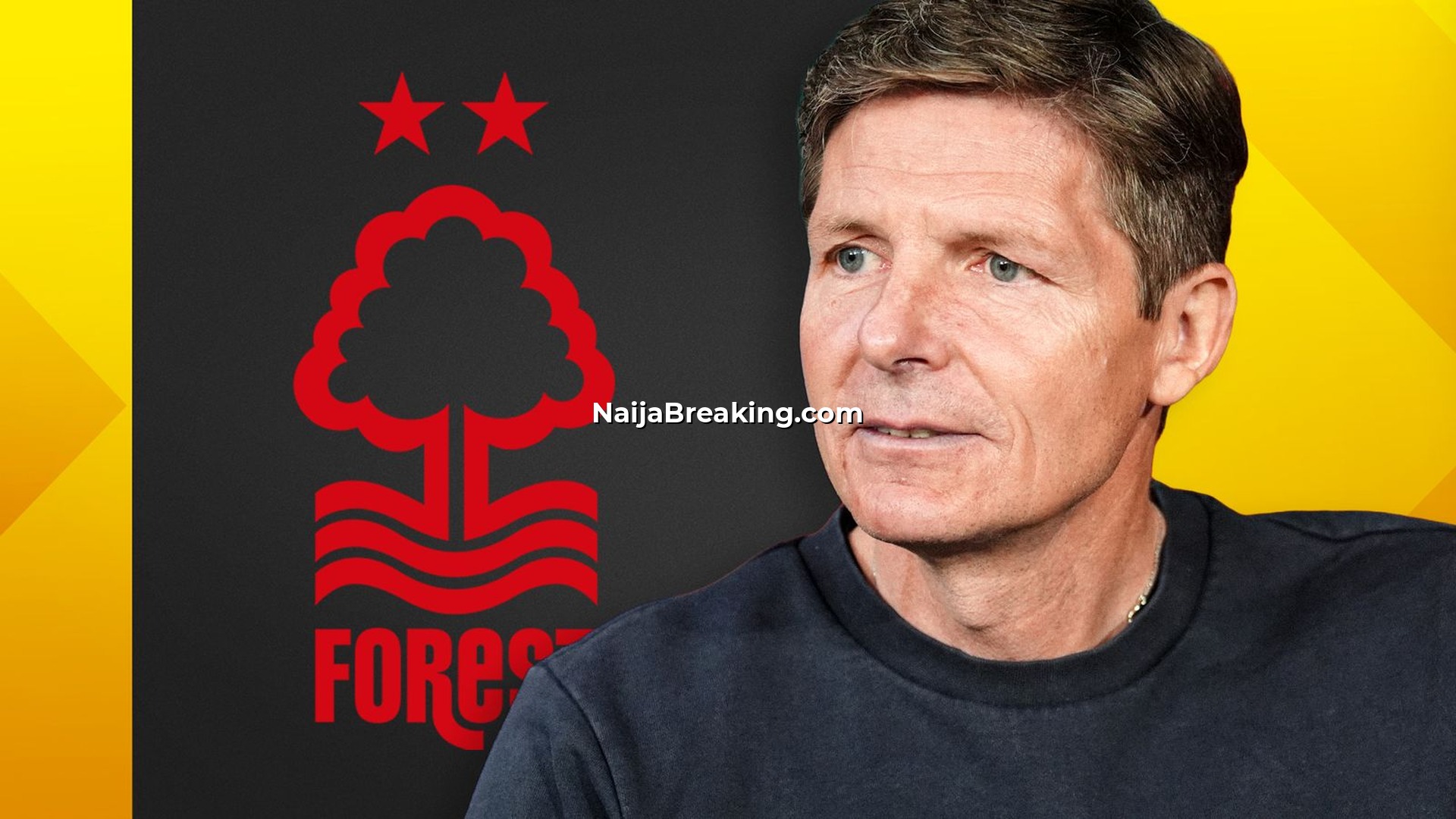
Nottingham Forest has embarked on a new managerial chapter with the arrival of Oliver Glasner, the Austrian tactician who just completed a trophy-laden spell at Crystal Palace. Nottingham Forest transfers and squad rebuilding have become focal points as the club grapples with life after Elliot Anderson’s record-breaking departure to Manchester City. Glasner’s appointment signals the City Ground’s ambitions to climb away from a disappointing 16th-place finish last season, but the challenge ahead is formidable. The 51-year-old manager, who guided Palace to both FA Cup and Conference League glory in 2025, inherits a squad in transition at a critical juncture in English football. For Nigerian football fans and analysts following Premier League developments, Glasner’s tenure will prove instructive about how European managerial expertise can reshape struggling mid-table English clubs. His track record across Frankfurt, Palace, and now Forest suggests a philosophy grounded in patient development and institutional building rather than quick fixes—a departure from the transactional approach that has sometimes characterised Forest’s recent years.
Background
Nottingham Forest’s journey back to the Premier League in 2022 was celebrated as a fairytale return for a club steeped in European glory but diminished by decades of disappointment. The East Midlands side, winners of back-to-back European Cups under Brian Clough in 1979-1980, had languished in the Championship for 23 years before their promotion. However, the optimism of that return has been tempered by inconsistent performances and managerial instability, which has become a defining characteristic of the post-promotion era. Vitor Pereira, the Portuguese manager who guided Forest back to stability, departed at the end of the 2024-25 season, leaving the club searching for direction once again. The departure of Elliot Anderson to Manchester City for a British-record fee (reported at over £80 million) represented both a triumph and a crisis—validation that Forest could develop world-class talent, yet a hammer blow to squad continuity. This pattern mirrors challenges faced by several European clubs attempting to build sustainable success while competing for resources with richer rivals. Glasner arrives at a moment when Forest must prove whether they can consolidate Premier League status without their most valuable asset, a test that will define the club’s trajectory for the next 3-5 years.
Key Details
Oliver Glasner’s appointment as Nottingham Forest manager represents a significant statement of intent, though his trajectory to the City Ground remains instructive about modern football’s geographical fluidity. According to Sky Sports, Glasner succeeded Vitor Pereira at Forest earlier this month, completing his transition from Selhurst Park within weeks of Palace’s Conference League triumph. The 51-year-old Austrian’s CV includes management spells across multiple leagues: Eintracht Frankfurt, whom he guided to the 2021-22 Europa League final; VfL Wolfsburg in the Bundesliga; and latterly Crystal Palace, where he orchestrated a remarkable resurgence in 2024-25. His twin trophy success at Palace—winning both the FA Cup and Conference League in a single campaign—positions him among Europe’s most in-form managers. At Forest, Glasner inherits a squad that finished 16th in the previous Premier League campaign, registering 38 points from 38 matches, a performance that placed them in the bottom third of the division and raised questions about their ability to sustain top-flight status. The club’s squad valuation remains substantial despite Anderson’s departure, with investments in players like Neco Williams and other defensive reinforcements suggesting strategic planning around long-term stability rather than short-term glamour signings.
In his first public statements at Forest, Glasner has been characteristically candid about the challenge ahead. “There is no button to press that automatically makes it happen,” he stated in an interview with Forest TV, emphasising that competitive improvement “is a daily thing that will take progress over the coming weeks.” This philosophical approach—prioritising process over promised outcomes—contrasts sharply with the promotional rhetoric often deployed by newly appointed managers. Glasner’s insistence that “the people are what is most important” signals his belief that institutional culture, staff quality, and relational cohesion matter more than transfer window spending. He noted confidence in Forest’s foundations, citing the quality of the stadium, training facilities, and leadership structure as platforms upon which tactical innovation can be built. The manager has begun pre-season training protocols designed to assess squad depth and identify tactical systems that might suit Forest’s existing personnel before the summer transfer window closes.
Impact and Analysis
Glasner’s arrival at Forest carries significance beyond managerial rotation, touching on broader questions about how mid-table Premier League clubs can develop sustainable success without matching the spending capacity of elite competitors. The manager’s philosophy—emphasising institutional stability, staff quality, and incremental improvement—represents a departure from the financial adventurism that has characterised much of Forest’s recent transfer strategy. Anderson’s departure crystallises this tension: the club has successfully developed a player of genuine world calibre, yet profits from his sale rather than competing with his talents. This dynamic mirrors challenges faced by Portuguese and Dutch clubs, which have become proficient at identifying young talent, developing it, and selling at peak value to subsidise smaller-budget operations. For Forest, sustainable Premier League survival requires breaking this cycle—either by retaining developed players (unlikely given financial disparity with elite clubs) or by developing a scalable process that constantly regenerates competitive quality. Glasner’s track record suggests he believes in the latter: Frankfurt and Palace both achieved European success despite being outspent by competitors, through meticulous recruitment, tactical discipline, and psychological management. If Glasner can replicate this at Forest, the club might finally escape the boom-bust cycles that have characterised their post-Clough history, establishing themselves as consistent mid-table performers with occasional European qualification. Conversely, if he cannot translate European success to the Premier League’s tactical intensity, Forest faces another season of struggle and potential relegation conversations.
Expert Perspectives
Dr. Sesan Adeyemi, a Lagos-based sports management consultant and author of “Tactical Evolution in Modern Football,” offers a nuanced assessment of Glasner’s challenge. “Glasner is genuinely one of Europe’s most intelligent tactical minds, but the Premier League’s intensity exposes coaches who cannot balance philosophical purity with pragmatic adaptation,” Adeyemi explains. “Palace succeeded because Glasner had established players—James McArthur, Jordan Ayew, Will Hughes—with experience at the level. At Forest, he inherits younger, more fragile talent. The question is whether he can maintain his philosophy while developing players simultaneously.” Conversely, Chisom Okoye, a London-based football analyst and former coach with experience in both English and continental football, emphasises Glasner’s adaptive capacity. “What people miss about Glasner is his willingness to evolve tactically based on squad composition. At Frankfurt, he was more direct. At Palace, he became more possession-oriented. This flexibility—combined with his genuine care for player development—gives me confidence he can stabilise Forest quickly,” Okoye argues. Both analysts agree on one point: the manager’s success will depend entirely on Forest’s ability to recruit intelligently in the summer window, replacing Anderson’s output with sustainable, complementary talent rather than panic signings.
What This Means for Nigerians
For Nigerian football fans and analysts following English football, Glasner’s appointment at Nottingham Forest carries implications that extend beyond immediate sporting outcomes. Nigeria has produced several players who have thrived in the Premier League under managers known for developing talent rather than simply demanding immediate excellence—Wilfried Zaha, Victor Osimhen (in different leagues), and others have benefited from coaches who combine tactical sophistication with genuine investment in player growth. Glasner’s philosophy, emphasising institutional quality and patient development, represents the managerial archetype most likely to utilise Nigerian talent effectively. Additionally, his success at Forest would validate a broader principle important to Nigerian football: that continental European experience and tactical education can translate successfully to English football’s demands. For aspiring Nigerian players targeting Premier League moves, observing how Glasner develops younger players at Forest provides valuable insight into which managerial profiles maximise growth. Furthermore, Nigerian business figures interested in sports investment should note that Glasner’s success demonstrates how managerial quality—not spending capacity—ultimately determines competitive outcomes. This has implications for Nigerian clubs seeking European partnerships or attempting to develop sustainable revenue models around player development. Glasner’s willingness to articulate a philosophy rather than promise immediate trophies also reflects a professionalism increasingly valued in global football, offering lessons for Nigerian football governance.
Editor’s Take
At NaijaBreaking, we believe Oliver Glasner’s appointment represents a watershed moment for Nottingham Forest, not because he guarantees silverware, but because he genuinely seems uninterested in false promises. In a football ecosystem saturated with managerial platitudes and inflated expectations, Glasner’s candid acknowledgment that “there is no button to press” feels almost revolutionary. What this story reveals is that sustainable competitive excellence demands intellectual honesty—a willingness to articulate process, acknowledge difficulty, and refuse the temptation to blame external circumstances. For Nigerian readers observing Premier League dynamics, this should resonate: excellence, whether in sports or business, emerges from commitment to institutional quality rather than charismatic individuals or financial shortcuts. Glasner’s track record suggests he understands this profoundly, and Forest’s supporters—and indeed, English football more broadly—benefit from his refusal to manufacture false certainty. Whether he succeeds is secondary to the principle he represents: that thoughtful, consistent, patient work beats reactive crisis management. That philosophy matters beyond football.
What to Watch Next
As Glasner settles into his role at Forest, several critical developments will determine the trajectory of his first season. First, monitor Nottingham Forest’s summer transfer window activities closely—specifically whether they recruit complementary talent addressing Anderson’s absence or pursue marquee replacements that might derail Glasner’s patient philosophy. Second, observe pre-season performances and Glasner’s tactical adjustments; early formation choices and player utilisation will signal his strategic direction. Third, track injury developments, particularly affecting key defensive and midfield personnel, as squad depth will be tested early. Fourth, watch for contract extensions or departures among existing Forest players—retention of experienced professionals like Neco Williams will indicate confidence in the managerial project. Finally, monitor Glasner’s relationship with Forest’s ownership structure and recruitment department; managerial success depends entirely on institutional alignment around strategic philosophy. The key question now is: will Forest’s ownership commit to Glasner’s patient approach through inevitable difficult periods, or will they revert to reactive managerialism if results disappoint immediately?
Conclusion
Oliver Glasner’s appointment as Nottingham Forest manager marks the beginning of a genuine attempt to establish sustainable Premier League presence through institutional development rather than financial adventurism or managerial celebrity. His refusal to promise immediate transformation, coupled with genuine track record of success across multiple leagues, suggests Forest may finally escape the boom-bust cycles characterising their post-Clough history. What this moment reveals is that Premier League survival increasingly depends on managerial intelligence and organisational coherence rather than spending power—a principle with implications far beyond English football. As Glasner begins his work at the City Ground, Nigerian football observers and business figures should note the implicit philosophy: excellence emerges from committed process, not shortcuts or charisma.
Share your thoughts in the comments below—what do you think this means for Nottingham Forest’s future, and what lessons does Glasner’s approach offer to Nigerian football clubs seeking sustainable success?