Adugbo Lyrics Naira Marley: Unveiling the Depths of Street Narratives in Nigerian Afrobeats
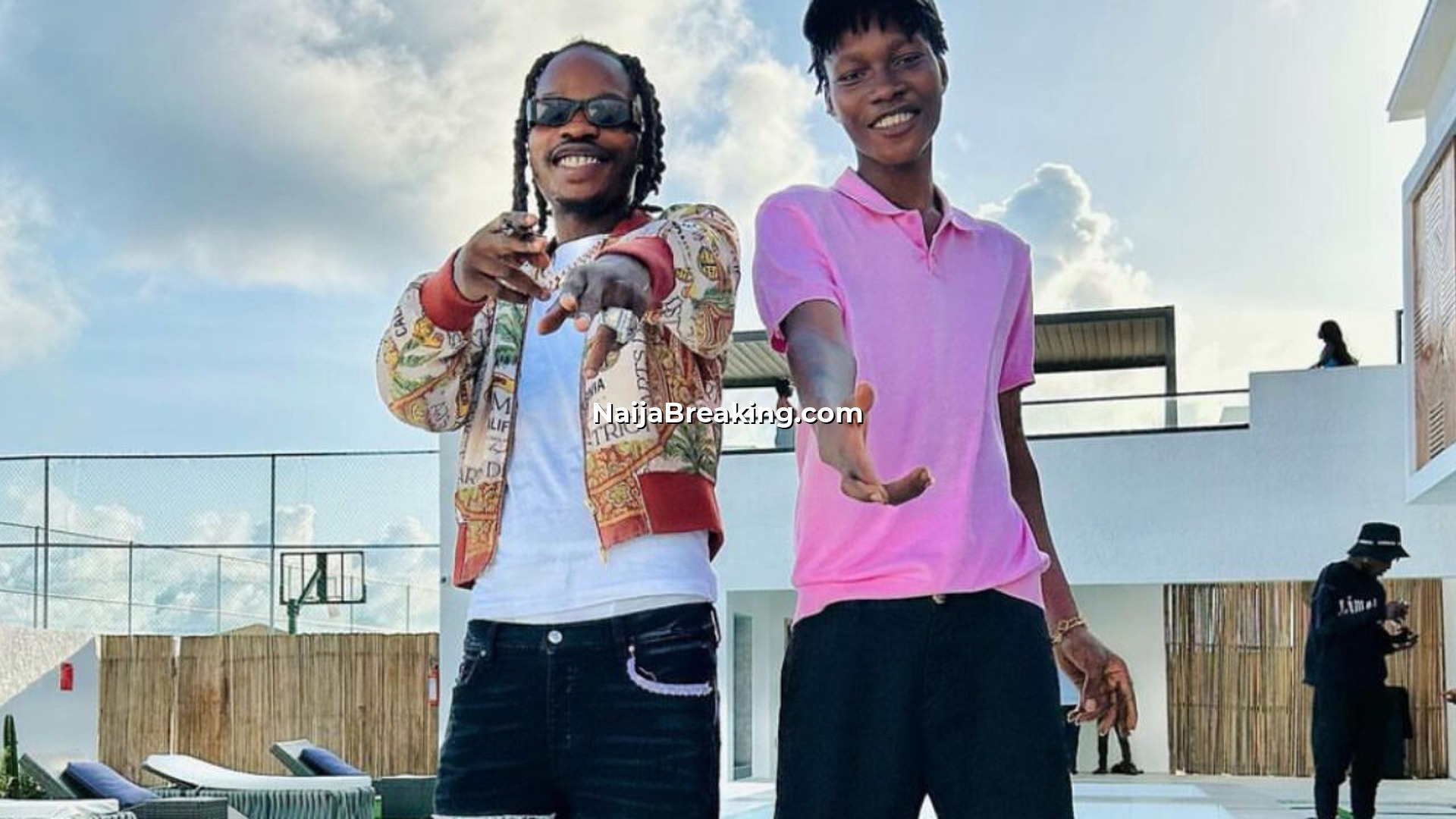
The Adugbo lyrics by Naira Marley featuring Zinoleesky represent far more than a simple musical collaboration—they constitute a profound cultural statement about how contemporary Nigerian artists are reclaiming, redefining, and celebrating the ghetto narrative within the global landscape of Afrobeats dominance. The Adugbo lyrics, performed predominantly in Yoruba with confident English interludes, paint an extraordinarily vivid and unapologetic picture of street life, survival strategies, psychological resilience, and the complex journey of those who rise from poverty to prominence while simultaneously navigating envy, betrayal, and constant existential threats. In Nigeria’s booming and increasingly influential music industry, where streaming numbers now rival oil revenue in terms of cultural and economic impact, transformative tracks like “Adugbo” serve as unfiltered, authentic windows into the lived experiences, daily struggles, and aspirations of young Nigerians in Lagos Island, Surulere, Mushin, Bariga, and other vibrant urban centres that have birthed Africa’s biggest music exports and shaped the continent’s cultural narrative. The song’s unapologetic celebration of street success and its accompanying dangers speaks to a generation that refuses to sanitise its origin story for Western consumption—a stark and refreshing contrast to the more polished, romantically-packaged Afrobeats narratives that have been flooding global playlists and streaming platforms in recent years.
For Nigerian music fans, cultural observers, international listeners, and scholars studying contemporary African music, the Adugbo lyrics are essential listening material that reveals exactly how Naira Marley and Zinoleesky are strategically using vernacular storytelling, authentic Yoruba linguistics, and street philosophy to assert genuine authenticity in an increasingly commercialised industry dominated by external gatekeepers and corporate interests. The collaboration demonstrates that within the broader Afrobeats movement, which has achieved unprecedented global commercial success, there remains a powerful undercurrent of artists committed to telling unvarnished truths about African urban life. This commitment to authenticity, evident in every bar of the Adugbo lyrics, distinguishes Naira Marley’s artistic approach from many of his contemporaries who have opted for more commercially palatable narratives.
The Socio-Economic Context Behind Adugbo Lyrics Naira Marley
Understanding the Adugbo lyrics Naira Marley and Zinoleesky created requires understanding the complex socio-economic realities that shaped both artists’ worldviews and artistic output. The rise of street-narrative hip-hop in Nigeria cannot be divorced from the profound socio-economic realities of the past two decades. Since the early 2000s, as Nigeria’s economy struggled with crumbling infrastructure, systematic unemployment, generational frustration, and limited opportunities for youth advancement, Lagos Island and surrounding urban clusters became simultaneously incubators of extraordinary musical innovation and stages for real-life survival dramas that shaped artistic perspectives. During this period, artists like MI Abaga, Olamide, and later Naira Marley himself built formidable careers partly on documenting—or celebrating—the multifaceted complexities of ghetto life: the resourcefulness and entrepreneurial spirit, the violence and danger, the philosophical wisdom, and the resignation that comes with geographic and economic disadvantage.
The Adugbo lyrics Naira Marley created draw directly from this tradition while adding contemporary relevance. Naira Marley’s emergence in 2017-2018 was particularly significant and culturally transformative because he arrived during a pivotal moment when Afrobeats was beginning its inexorable global explosion and cultural dominance. Unlike his artistic predecessors who often apologised for or distanced themselves from ghetto imagery once international success arrived, Naira Marley consciously doubled down on street narratives, making the ghetto aesthetic not a temporary phase or stepping stone but rather a permanent brand identity and artistic foundation. His breakthrough hits “Issa Vibe” and subsequent releases established what became widely known as the “Marlians” movement—a distinct cultural tribe and community that celebrated street philosophy, unwritten loyalty codes, and a particular brand of confident Yoruba-influenced swagger that resonated across Nigeria and the diaspora.
Zinoleesky, similarly emerging from the same Marlian collective and cultural sphere, adopted comparable thematic preoccupations about street life, survival, and resilience, bringing his own distinctive melodic sensibility and vocal approach to narratives about ghetto existence and urban triumph. By 2023-2024, when “Adugbo” was released, both artists had established themselves as significant voices within Nigerian hip-hop and Afrobeats, commanding massive followings and streaming numbers. The Adugbo lyrics represented a natural collaboration between complementary artists who shared similar worldviews and artistic objectives regarding representation and authenticity.
Lyrical Analysis: Decoding the Adugbo Lyrics Naira Marley and Zinoleesky
The Adugbo lyrics operate on multiple interpretive levels, which accounts for their widespread appeal and critical appreciation. On the surface level, “Adugbo” is a straightforward celebration of street success and survival. The term “Adugbo” itself, drawn from Yoruba vernacular, refers to the neighbourhood or street community—the immediate social fabric and support system that defines urban existence for millions of Nigerians. In the Adugbo lyrics, Naira Marley uses this concept to acknowledge the community, the crew, and the collective experience that shapes individual identity and survival strategy.
The opening sections of the Adugbo lyrics establish themes of resilience and defiance. Naira Marley’s delivery in these early bars conveys both vulnerability and strength—he acknowledges the dangers and difficulties of street life while simultaneously celebrating the wisdom, resourcefulness, and unbreakable spirit of those who navigate such environments. The Adugbo lyrics specifically reference the constant threats faced by successful street figures: envy from peers, betrayal from trusted associates, violence from rivals, and the psychological weight of always looking over one’s shoulder. These are not abstract concerns but lived realities that shape the consciousness of many young Nigerian men, particularly in the entertainment industry where street credibility intersects with commercial success.
The production quality of the track complements the Adugbo lyrics perfectly. The beat, constructed with minimal but purposeful elements, creates space for the lyrical content to breathe and command attention. Rather than overwhelming production, the Adugbo lyrics are supported by a sonic landscape that feels organic, street-level, and authentic—avoiding the polished overproduction that characterises many contemporary Afrobeats tracks aimed at international audiences. This production choice reinforces the message embedded in the Adugbo lyrics: this is unfiltered, neighbourhood-level storytelling.
Zinoleesky’s contribution to the Adugbo lyrics brings melodic sophistication and harmonic interplay that contrasts beautifully with Naira Marley’s more rhythmic, declamatory approach. Where Naira Marley operates primarily as a narrator and philosopher, Zinoleesky introduces emotional layers and tonal variation that suggest the internal experience—the loneliness, the weight, the persistent vigilance required to maintain street credibility while avoiding danger. The Adugbo lyrics thus become a dialogue between different aspects of street consciousness: the public persona of confidence and control, and the private experience of constant tension and awareness.
Cultural Significance of the Adugbo Lyrics Naira Marley in Contemporary Nigerian Music
The Adugbo lyrics Naira Marley created hold substantial cultural significance within the contemporary Nigerian music landscape and beyond. At a moment when Afrobeats has achieved unprecedented global commercial success—with Nigerian and other African artists dominating international charts, festival lineups, and streaming platforms—the Adugbo lyrics represent an important counter-narrative that refuses to be diluted or softened for international palatability. The decision by Naira Marley and Zinoleesky to record primarily in Yoruba, with strategic English usage, is itself a political and cultural statement. In an industry where many successful artists opt for English-dominant or English-only approaches to maximise international reach, the Adugbo lyrics centre Yoruba language and linguistic authenticity as fundamental to the artistic vision.
This linguistic choice in the Adugbo lyrics also reflects broader conversations about cultural ownership and representation within global Afrobeats discourse. As international corporations and non-African entities increasingly seek to monetise African music and culture, the Adugbo lyrics by Naira Marley represent a creative assertion of cultural autonomy—a refusal to package Nigerian experiences in formats determined by external gatekeepers. The Adugbo lyrics speak to Nigerians first and foremost, with international audiences welcome but not required to fully comprehend every linguistic and cultural reference.
Moreover, the Adugbo lyrics address specific anxieties and experiences that define contemporary Nigerian urban manhood. Success in the streets or entertainment industry in Nigeria carries particular burdens and dangers that international audiences may not fully appreciate. The Adugbo lyrics capture the psychological reality of navigating spaces where your success makes you a target, where your visibility increases your vulnerability, and where the same community that celebrates you can turn against you under pressure. These themes, embedded throughout the Adugbo lyrics, reflect genuine concerns that shape how young Nigerian men move through the world.
The Role of Adugbo Lyrics Naira Marley in the Broader Marlian Movement
The Adugbo lyrics must also be understood within the context of the broader Marlian movement that Naira Marley himself initiated and continues to lead. The Marlians represent more than a fanbase; they constitute a cultural philosophy and lifestyle brand that celebrates street wisdom, loyalty, and a particular aesthetic and ethical code. Throughout the Adugbo lyrics, references to this broader movement appear—mentions of the crew, the collective, and the bonds formed through shared struggle and experience. For those familiar with Naira Marley’s broader discography and cultural influence, the Adugbo lyrics function as both new material and reinforcement of established philosophical positions regarding authenticity, loyalty, and street integrity.
Zinoleesky’s presence on the Adugbo lyrics strengthens this Marlian connection, as he is one of the most successful artists to emerge from within this cultural sphere. His collaboration with Naira Marley on the Adugbo lyrics signals continuity and collective purpose within the movement. The Adugbo lyrics thus serve as both artistic statement and movement consolidation—a reminder that despite commercial success and international recognition, the core members of the Marlian collective remain grounded in their original philosophical commitments and storytelling traditions.
International Reception and the Global Appeal of Adugbo Lyrics Naira Marley
While the Adugbo lyrics were created primarily for Nigerian audiences, they have also achieved significant international traction and streaming success. This phenomenon raises interesting questions about how global audiences engage with culturally specific Nigerian music, particularly music rooted in vernacular Yoruba language and street-specific references. The international success of the Adugbo lyrics suggests that authenticity and specificity, paradoxically, can enhance rather than limit global appeal. International listeners are increasingly attracted to music that resists simplification and refuses to compromise artistic vision for commercial accessibility.
The Adugbo lyrics have circulated extensively on social media platforms, with users creating content around the track and engaging with its themes. This organic, grassroots circulation has contributed significantly to the song’s reach and impact. The Adugbo lyrics have also been analysed by music critics and cultural commentators internationally, who have recognised the track as a significant statement within contemporary African music. The Adugbo lyrics, through this international circulation, have helped solidify Nigeria’s position as a central producer of culturally significant, artistically innovative music on the global stage.
Production Elements That Enhance the Adugbo Lyrics Naira Marley
The production quality and sonic architecture of the track significantly enhance the impact of the Adugbo lyrics. The minimalist approach to instrumentation creates space for lyrical nuance and vocal performance to dominate. Rather than relying on complex arrangements or layered production techniques, the creators of the Adugbo lyrics opted for clarity and directness. This production philosophy perfectly complements the lyrical content—just as the Adugbo lyrics refuse to obscure meaning or soften truth with poetic abstraction, the production refuses to bury the artists’ voices or messages beneath layers of sound.
The drum pattern that anchors the Adugbo lyrics has a distinctly Nigerian character, drawing on rhythmic traditions that connect to Afrobeats aesthetics while maintaining street-level rawness. The Adugbo lyrics are supported by bass frequencies that are felt as much as heard, creating a physical, embodied listening experience. The overall sonic profile of the track supports the Adugbo lyrics’ thematic focus on street life and survival—the production sounds like it belongs to the streets, unpolished and uncompromising.
Conclusion: The Lasting Impact of Adugbo Lyrics Naira Marley
The Adugbo lyrics by Naira Marley featuring Zinoleesky represent a significant moment in contemporary Nigerian and African music history. The Adugbo lyrics demonstrate that within the commercially successful global phenomenon of Afrobeats, there remains powerful artistic commitment to authenticity, cultural specificity, and unvarnished truth-telling. The Adugbo lyrics will likely endure as an important artistic and cultural document—a record of how Nigerian artists in the early 2020s were negotiating the complex terrain of global success while remaining grounded in local culture and authentic street experience. The Adugbo lyrics affirm that commercial success and artistic integrity need not be mutually exclusive, and that audiences worldwide are increasingly hungry for music that challenges them, educates them, and speaks truth about human experience.