
Kaduna College Insecurity Facilities Crisis: How Deteriorating Conditions Are Threatening Nigeria’s Teacher Training Pipeline
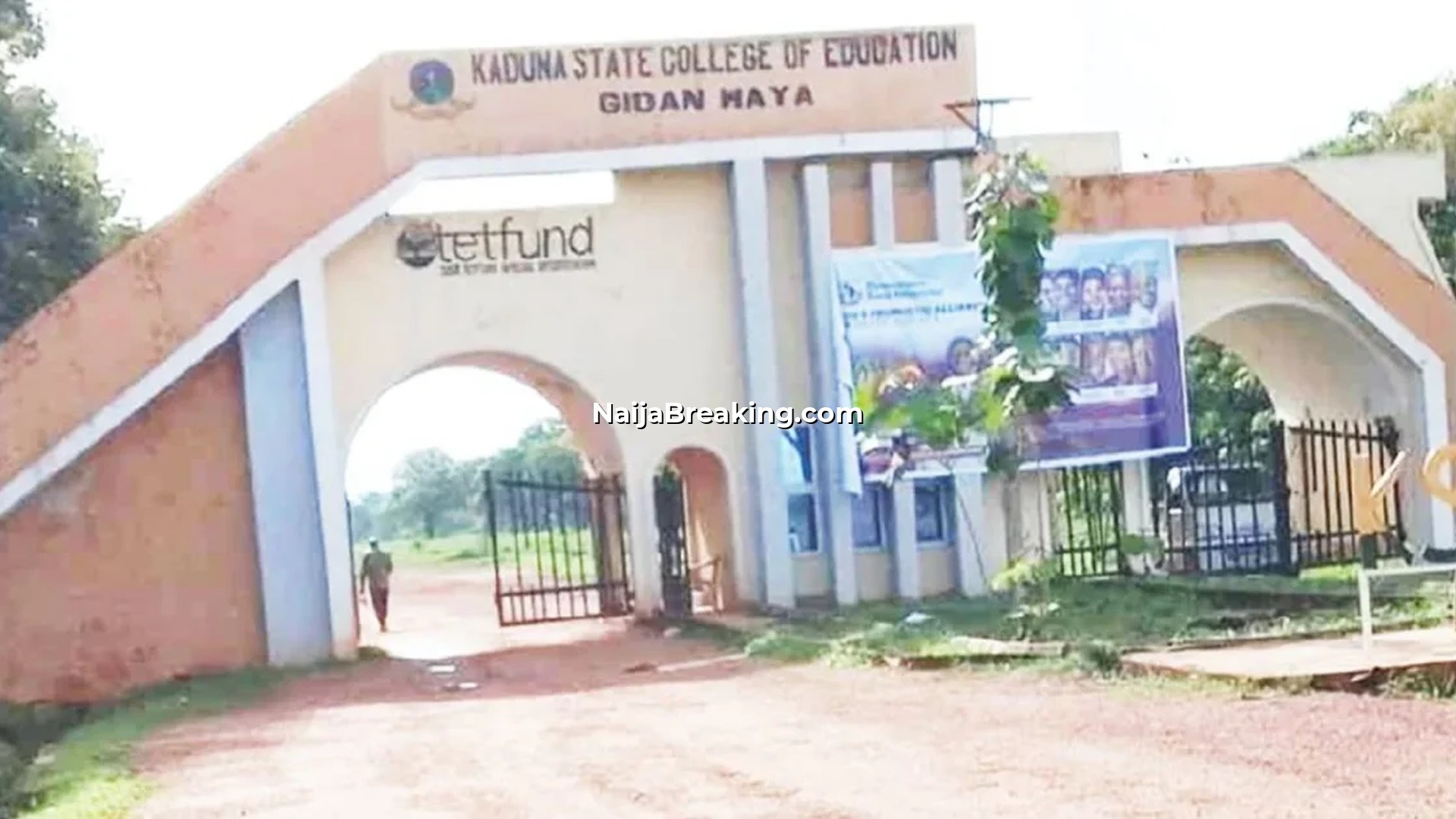
The condition of Nigeria’s teacher training institutions has become a barometer of the nation’s broader educational crisis, and nowhere is this reality more stark than at Kaduna State College of Education in Gidan Waya. The persistent crisis of Kaduna College insecurity facilities represents one of the most pressing institutional challenges facing the country’s education sector today. Students at this pivotal institution face a perfect storm of insecurity, crumbling infrastructure, and institutional neglect that threatens not only their immediate welfare but the future quality of teaching across Nigerian schools. According to investigative reporting from Arewa PUNCH, the college has been struggling with dilapidated access roads, rising transportation costs, hostel security concerns, and woefully inadequate facilities despite repeated appeals from students and staff for government intervention. The Kaduna College insecurity facilities situation has created a humanitarian and educational emergency that cannot be ignored by policymakers. The crisis at this college represents a systemic failure of state governance in Kaduna—a failure that reverberates through Nigeria’s education sector. When future teachers are trained in environments marked by poor sanitation, inadequate power supply, security threats, and decaying infrastructure, the ripple effects touch classrooms in villages and cities across the nation. This is not merely a local infrastructure problem; it is a national education emergency that demands immediate political and financial attention from both Kaduna State Government and the Federal Ministry of Education.
The Critical Importance of Teacher Training Institutions in Nigeria’s Education Ecosystem
Nigeria’s teacher training institutions occupy a critical position in the nation’s education ecosystem, yet they remain among the most neglected segments of the public education system. These colleges are tasked with producing the educators who will instruct millions of Nigerian children, yet they have been chronically underfunded for over two decades. The establishment of colleges of education across Nigeria’s 36 states was intended to decentralize teacher training and ensure that each state could produce qualified educators suited to local needs. Kaduna State College of Education, like many of its counterparts, was designed to serve this mission—yet budgetary constraints and inconsistent government priority have left most of these institutions struggling.
The broader context of insecurity in Kaduna State, which has intensified significantly since 2020, has added a terrifying dimension to campus life. Banditry and kidnapping have plagued the state, forcing many families to withdraw children from schools and creating an atmosphere of pervasive fear. For educational institutions like Kaduna College, this security environment has made recruitment, retention, and daily operations far more difficult. Additionally, the deterioration of public infrastructure in Kaduna—from healthcare to transportation to education—reflects a pattern of fiscal mismanagement and competing spending priorities that have made the state’s fiscal position precarious. Rising debt servicing costs and revenue challenges have meant that education, despite its fundamental importance, often loses out in budget allocation battles to security and recurrent expenditures.
Understanding the Kaduna College Insecurity Facilities Crisis in Detail
The crisis of Kaduna College insecurity facilities encompasses multiple interconnected problems that have developed over years of neglect and underinvestment. These are not isolated complaints from disgruntled students, but systematic failures documented by journalists, education analysts, and institutional administrators. Understanding the full scope of the Kaduna College insecurity facilities challenges requires examining each component separately while recognizing how they compound one another to create an untenable situation for learners and staff.
The insecurity aspect of the Kaduna College insecurity facilities crisis stems from Kaduna State’s vulnerability to armed banditry and kidnapping networks. The state has become infamous for kidnapping incidents involving students from secondary schools and even universities. These criminal networks have shown little regard for institutional boundaries, targeting educational facilities alongside other soft targets. The presence of these security threats means that students at Kaduna College face genuine personal danger simply by attending class or moving around campus. Parents have become understandably reluctant to send their children to study in the state, particularly to an institution located in a relatively remote area like Gidan Waya. This creates a recruitment crisis where the college struggles to attract quality students, which then affects the overall quality of teacher training being provided.
The facilities component of the Kaduna College insecurity facilities problem is equally dire. Hostels that should be secure residential spaces for students are reportedly deteriorating, with poor maintenance, inadequate sanitation facilities, and insufficient water supply. Classroom buildings suffer from broken windows, leaking roofs, and inadequate lighting. The library and laboratory facilities, essential for modern teacher training, are either non-functional or operating at minimal capacity. Students report studying by candlelight and torchlight because the college’s power supply is erratic and unreliable. This directly undermines the quality of education being provided—future teachers are not gaining exposure to modern teaching aids, laboratory equipment, or digital resources they will be expected to use in their future careers.
Infrastructure Decay at Kaduna College: A Detailed Assessment
The infrastructure challenges at Kaduna College extend beyond mere cosmetic deterioration. They represent a fundamental inability of the institution to fulfill its educational mandate. The access roads to the college are so damaged that students and staff face significant difficulty traveling to and from the institution. During rainy seasons, these roads become virtually impassable, making attendance irregular and unpredictable. This directly impacts the consistency of academic programming and creates additional burden on students who must travel longer distances through dangerous terrain.
Within the campus, Kaduna College insecurity facilities issues manifest in multiple ways. The lecture halls lack basic amenities such as functional seats, writing surfaces, and ventilation systems. In the tropical heat of northern Nigeria, non-functional air conditioning and ventilation make these spaces almost unbearably hot, reducing students’ ability to concentrate and learn effectively. The college’s water system is unreliable, creating serious public health concerns. Students have reported insufficient access to clean water for drinking, cooking, and sanitation purposes. The sanitation facilities themselves are inadequate—toilets are poorly maintained, and shower facilities are insufficient for the student population.
The library, which should be a sanctuary for academic work and research, is poorly stocked, inadequately lit, and lacks modern resources. Students cannot access digital databases, e-journals, or online learning platforms because the college lacks reliable internet connectivity and the technological infrastructure to support such services. For a teacher training institution operating in the 21st century, this represents a catastrophic gap that leaves graduates unprepared for modern teaching methodologies that increasingly rely on technology and digital resources.
The Insecurity Dimension: How Banditry Has Transformed Campus Life
The insecurity component of the Kaduna College insecurity facilities crisis cannot be overstated. Kaduna State has become synonymous with banditry and kidnapping in recent years, with criminal gangs operating with apparent impunity across many parts of the state. While Kaduna College’s location in Gidan Waya is somewhat removed from the most notorious kidnapping hotspots, the institution is not immune to security threats. The college’s campus security infrastructure is inadequate, with insufficient security personnel and poor perimeter control. Students moving around campus at night face legitimate safety concerns, and female students in particular have reported feeling unsafe in certain areas of the campus.
The broader insecurity environment affects the college’s ability to attract and retain both students and qualified academic staff. Lecturers and senior staff are reluctant to relocate their families to a state known for kidnapping and banditry. This has led to staffing shortages and an over-reliance on part-time instructors who may not be fully invested in the institution’s mission. For potential students deciding whether to enroll at Kaduna College, the security situation is a significant deterrent. Parents are understandably fearful about sending their children to study in an insecure environment, and many bright students choose to attend teacher training institutions in more secure states, even if it means traveling farther or incurring higher costs.
The Ripple Effects: How Kaduna College Insecurity Facilities Impact Nigeria’s Education System
The Kaduna College insecurity facilities crisis does not exist in isolation—it has profound implications for Nigeria’s entire education system. Teacher training colleges are the pipelines through which future educators are produced and trained. When these institutions are dysfunctional, the quality of teacher preparation declines significantly. This means that graduates of Kaduna College, despite their best efforts and personal dedication, are not receiving the comprehensive training they need to become excellent educators.
The implications extend to students in primary and secondary schools across Nigeria who will eventually be taught by graduates of institutions plagued by Kaduna College insecurity facilities challenges. These future teachers will lack proper training in modern pedagogical methods, technology integration, and best practices in classroom management. They will not have been exposed to well-functioning libraries, laboratories, or digital resources during their own training. This perpetuates cycles of educational mediocrity and undermines Nigeria’s long-term development prospects. Additionally, when bright young Nigerians see that teacher training institutions are neglected and underfunded, it discourages talented individuals from pursuing teaching careers, leading to a shortage of quality educators in the long term.
Government Response and the Need for Urgent Intervention
Despite the severity of the Kaduna College insecurity facilities crisis, government response has been inadequate and delayed. The Kaduna State Government has not allocated sufficient resources to address the infrastructure challenges comprehensively. While occasional small-scale maintenance projects may have been undertaken, they represent insufficient responses to the scale of the problem. The Federal Government’s role in supporting teacher training institutions through the Federal Ministry of Education and other agencies has also been minimal.
What is needed is a comprehensive intervention strategy that addresses the Kaduna College insecurity facilities challenges holistically. This would include: a major capital investment program to rehabilitate buildings, infrastructure, and utilities; recruitment of additional security personnel and improvement of campus security systems; provision of modern educational equipment, laboratory materials, and library resources; and coordination with Kaduna State Security Services to improve the broader security environment around the college. Such an intervention would require financial commitments in the tens of millions of naira, but it would be an investment in Nigeria’s educational future.
Student Experiences and Testimonies Regarding Kaduna College Insecurity Facilities
Behind the statistics and policy discussions are real students struggling with the realities of studying at an institution facing Kaduna College insecurity facilities challenges. These students have come to the college with dreams of becoming teachers, committed to serving their communities through education. Yet they find themselves studying in substandard conditions, fearful for their safety, and uncertain about the quality of training they are receiving. Many students have reported that they would leave the college if they had alternative options, but having already invested time and money in their studies, they feel compelled to continue. This resignation reflects the desperation of their situation—they are trapped in an educational system that is failing them.
Female students have particularly difficult experiences, reporting concerns about safety both within the college and traveling to and from campus. The inadequate facilities create additional burdens for women students who may face specific sanitation and hygiene challenges. The combination of insecurity and poor facilities creates an environment where female students must constantly navigate safety concerns while trying to focus on their education.
Conclusion: Urgent Action Required to Resolve the Kaduna College Insecurity Facilities Emergency
The Kaduna College insecurity facilities crisis represents far more than an isolated institutional problem. It is a national education emergency that demands urgent action from both state and federal authorities. The challenges of insecurity, infrastructure decay, and inadequate facilities have created an untenable situation that threatens the quality of teacher training and, by extension, the future of Nigeria’s education system. Resolving the Kaduna College insecurity facilities crisis requires political will, significant financial investment, and coordination across multiple government agencies. Without such intervention, Kaduna College will continue its trajectory toward institutional collapse, and Nigeria will lose one of its important teacher training centers. The cost of inaction will far exceed the cost of intervention—measured not just in naira, but in the lost potential of thousands of students and the diminished quality of education for millions of Nigerian schoolchildren who will be taught by inadequately trained teachers. Stakeholders must recognize that investing in resolving the Kaduna College insecurity facilities challenges is an investment in Nigeria’s educational future and long-term development.