Sandro Tonali Transfer Race: Why This Midfield Battle Matters for Premier League’s Top Tier
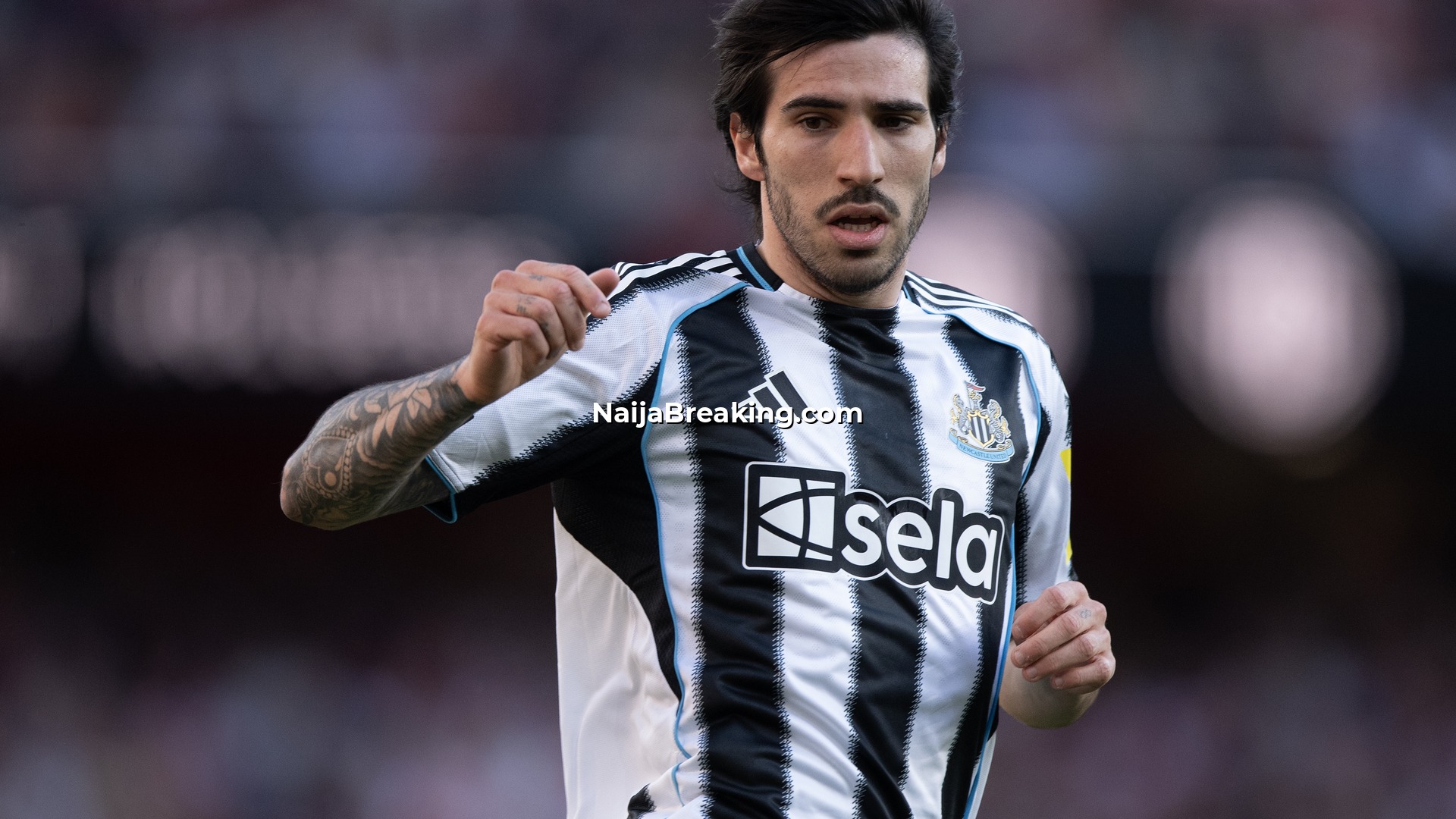
The Sandro Tonali transfer saga has ignited one of summer’s most intriguing Premier League narratives, with Tottenham Hotspur and Manchester City both circling Newcastle United’s Italian midfielder. Transfer specialist Fabrizio Romano’s confirmation that Spurs are actively pursuing the 26-year-old has sent shockwaves through English football, signalling a significant escalation in Ange Postecoglou’s recruitment plans and subsequent managerial transitions. Beyond the headlines, however, this transfer battle reveals deeper strategic questions about midfield construction in modern elite football—questions that extend far beyond Tottenham’s north London base. The competition between two of England’s richest clubs for Tonali’s services underscores how scarce genuine defensive-to-progressive midfielders have become in world football, and why possession-dominant teams are willing to spend premium fees to secure them. Understanding why Tonali matters to Tottenham, how his profile compares to Manchester City’s current options, and what his potential arrival means for the Premier League’s competitive balance offers crucial lessons about modern football strategy that serious observers should carefully study.
Background: The Evolution of Tonali and Newcastle’s Midfield Transformation
Sandro Tonali’s journey to Newcastle United represents one of Italian football’s most carefully managed talent development pathways. The midfielder spent nine formative years at Brescia, where he developed the technical foundation, positional intelligence, and physical attributes that would eventually attract Italy’s elite clubs. His 2021 move to AC Milan marked a watershed moment—Tonali joined a club steeped in midfield excellence, learning alongside Franck Kessié and Ismael Bentalab in a system that demanded both defensive solidity and creative progression. The Sandro Tonali transfer to Milan was celebrated across Serie A as a coup for the Rossoneri, bringing in one of the league’s brightest young talents during their renaissance under Stefano Pioli.
At Milan, Tonali appeared in 87 Serie A matches across three seasons, establishing himself as one of Italian football’s most promising young talents. His performances attracted attention from across Europe, with scouts noting his exceptional ability to break up play, his press resistance, and his capacity to initiate attacks from deep positions. However, a gambling controversy in 2023—which resulted in a 10-month suspension—derailed his trajectory at the San Siro, compelling Milan to loan him out to Newcastle United in January 2024. The Sandro Tonali transfer to the Premier League came as a shock to many, but Newcastle’s new ownership structure and ambitious recruitment strategy made them an attractive destination for talented players seeking fresh starts.
Newcastle’s acquisition of Tonali on loan proved transformative for both player and club. The English club’s significant investment in recruitment under new ownership created a pathway for attacking midfielders and progressive ball players, but the midfield pivot remained a persistent weakness. Manager Eddie Howe identified Tonali as a potential solution to Newcastle’s longstanding defensive midfield deficiency. During his initial loan spell, Tonali made an immediate impact, appearing in 14 Premier League matches and helping stabilize Newcastle’s midfield during a crucial period. His presence allowed Newcastle to maintain competitive form while simultaneously demonstrating to elite European clubs that the Italian midfielder retained the quality that had made him such a prized asset before his suspension.
The Sandro Tonali Transfer Market Dynamics: Why Top Clubs Are Competing
The Sandro Tonali transfer has become one of 2024’s most significant midfield stories precisely because of what it reveals about elite football’s evolving requirements. Modern Premier League football, particularly under managers like Pep Guardiola and the incoming Roberto De Zerbi at Tottenham, demands midfielders who can perform multiple simultaneous functions. These players must defend passionately when teams lose possession, press opponents intelligently without leaving gaps, and then transition seamlessly into creative mode when their team regains the ball. Finding players who excel at all three components—what analysts call “press-resistant progressives”—has become increasingly difficult.
Manchester City’s midfield has long been celebrated as the Premier League’s gold standard, but injuries to key players during the 2023-24 season exposed vulnerabilities. Rodri’s dominance cannot disguise the reality that Guardiola’s system requires multiple options capable of controlling games from deep positions. The Sandro Tonali transfer appeals to City because he represents a long-term insurance policy against injuries and allows Guardiola to rotate his midfield more effectively. Additionally, at 26 years old, Tonali enters his prime years, offering potential for four to five seasons of elite-level contribution—exactly the timeline Guardiola prefers for significant midfield acquisitions.
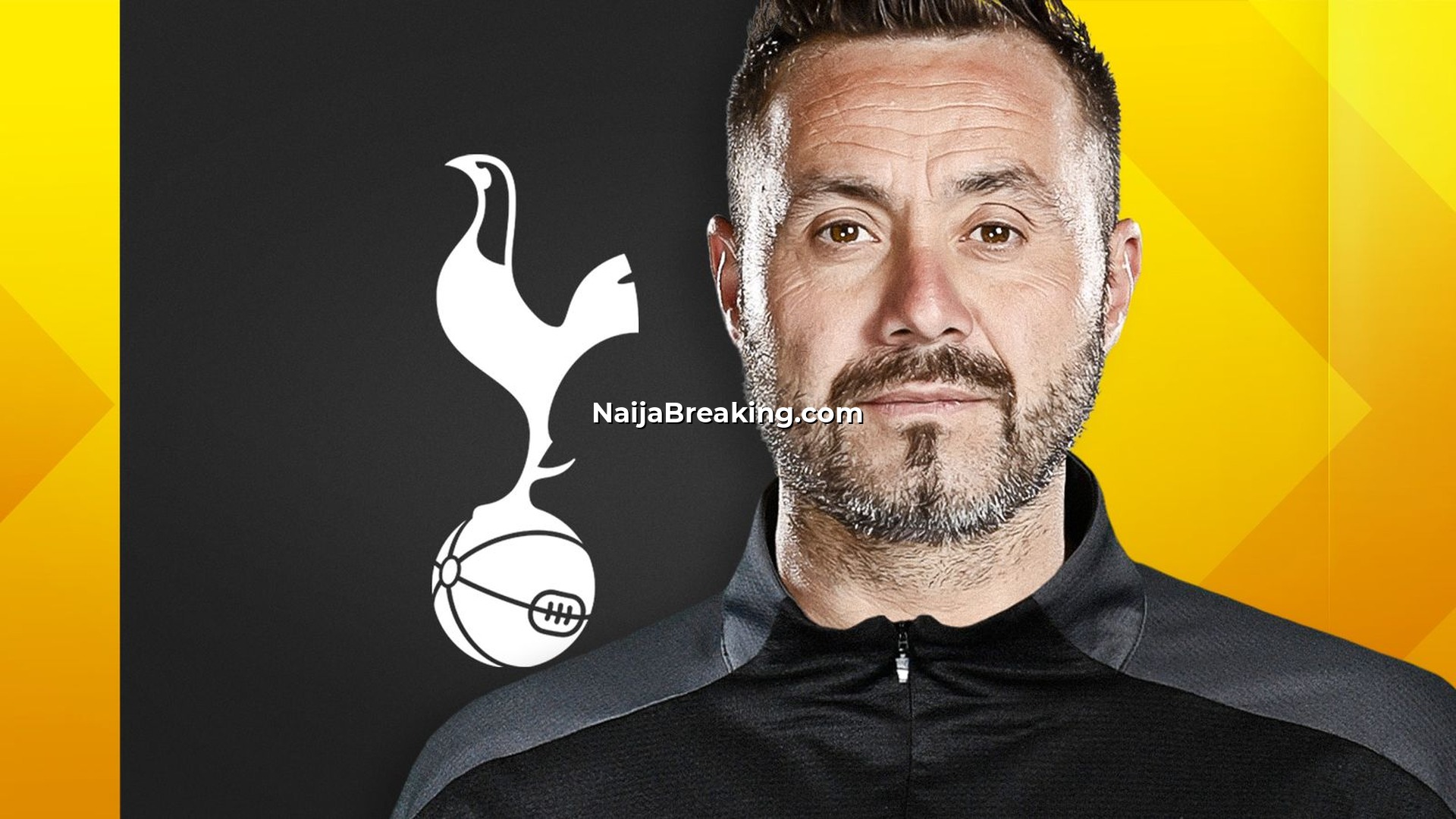
Tottenham’s interest in the Sandro Tonali transfer represents a different strategic calculus. Under Roberto De Zerbi, Spurs are attempting to build a system that marries attacking ambition with midfield stability. De Zerbi’s time at Brighton demonstrated his commitment to possession-based football featuring intelligent pressing and rapid transitions. However, Brighton frequently lacked the elite-level players to consistently execute this system against football’s very best teams. Acquiring Tonali would provide Spurs with the defensive foundation De Zerbi needs to implement his tactical vision while simultaneously freeing attacking talents like Maddison and Sarr to operate in more advanced positions.
Tactical Profile: What Makes Sandro Tonali a Premium Midfielder
The Sandro Tonali transfer conversation gains clarity when examining precisely what skills justify the reported £55-60 million transfer fee. Statistical analysis from the 2023-24 season reveals several key metrics that explain elite clubs’ enthusiasm. Tonali completed 87% of passes when asked to play in midfield, a figure remarkably consistent with elite progressive midfielders. More significantly, his possession-adjusted tackles and interceptions place him in the 76th percentile for Italian Serie A defenders—meaning his defensive output ranks among the league’s best relative to possession time.
What distinguishes Tonali from merely competent defensive midfielders, however, is his capacity to progress play under pressure. During Newcastle’s 2023-24 campaign, Tonali averaged 5.2 progressive passes per match (passes advancing the ball closer to the opponent’s goal by at least five meters), a figure that exceeds most Premier League midfielders. Crucially, Tonali achieves this progression while maintaining relatively low turnover rates. Against intensive pressing, he demonstrates the technical security to execute simple passes before attempting more ambitious combinations—precisely the press-resistance that modern elite football demands.
The Sandro Tonali transfer also interests clubs because of his physical attributes. Standing 185 centimeters tall and weighing 82 kilograms, Tonali possesses the frame to compete physically in the Premier League while retaining sufficient athleticism to cover ground vertically and laterally. Video analysis reveals strong positioning discipline—he rarely surrenders space in dangerous areas because he recognizes opposition intentions early. This combination of size, athleticism, and positional intelligence creates a midfield platform that elite attacking players genuinely prefer.
Newcastle’s Perspective: The Financial and Sporting Implications
Understanding Newcastle’s position in the Sandro Tonali transfer negotiation requires acknowledging the club’s complex financial situation. While Newcastle’s ownership structure provides capital unavailable to most Premier League clubs, Financial Fair Play regulations create genuine constraints. The club cannot simply spend without limit; they must balance ambitious acquisitions against revenue-generating sales. Tonali’s position as a young, talented midfielder with significant resale value—or alternatively, as a long-term cornerstone player—creates a genuine decision point for Newcastle’s hierarchy.
Manager Eddie Howe likely views the Sandro Tonali transfer differently than ownership. From a pure sporting perspective, Howe recognizes that Tonali has become crucial to Newcastle’s midfield balance. The Italian midfielder’s defensive intelligence enables Newcastle to retain possession more effectively while simultaneously supporting counterattacking transitions. Losing Tonali would require Newcastle to identify a replacement—a genuinely difficult proposition given the current transfer market’s limited supply of midfielders with Tonali’s specific skill set.
However, Newcastle’s ownership may view the Sandro Tonali transfer from a financial standpoint. If Tottenham or Manchester City offers £60 million, that figure enables Newcastle to reinvest in other priority areas while potentially generating modest profit on the original loan-to-permanent arrangement with Milan. Furthermore, selling to Tottenham or City—both domestic competitors—creates reputational and sporting consequences that Newcastle’s hierarchy must carefully weigh. Selling a star player to a rival generally damages internal morale and complicates medium-term planning.
Roberto De Zerbi’s Tactical Vision and the Tottenham Connection
The arrival of Roberto De Zerbi as Tottenham’s manager fundamentally altered the Sandro Tonali transfer narrative. De Zerbi’s managerial philosophy emphasizes positional sophistication, rapid ball circulation, and intelligent pressing—exactly the system where Tonali’s specific attributes flourish. During his Brighton tenure, De Zerbi frequently featured midfielders capable of maintaining possession under pressure while progressively advancing the ball toward opposition defenses. Tonali’s technical security and positional intelligence align precisely with De Zerbi’s requirements.
The Sandro Tonali transfer to Tottenham would allow De Zerbi to implement a midfield triangle featuring Tonali as the defensive pivot, with more creative players like James Maddison and Giovani Lo Celso operating in more advanced positions. This configuration mirrors De Zerbi’s Brighton setup, where players like Moisés Caicedo (before his Chelsea move) provided defensive stability while Adam Lallana offered creative contributions. Acquiring Tonali essentially provides Spurs with the “template player” around whom De Zerbi can build his system.
Manchester City’s Position: Guardiola’s Midfield Evolution
Pep Guardiola has never hidden his belief that controlling midfield determines football matches. Manchester City’s dominance over the past five seasons stems substantially from midfield superiority—Rodri’s excellence combined with quality rotation options like Kalvin Phillips (when fit) and Mateo Kovačić. However, Guardiola recognizes that even elite players require rotation, and injuries to key midfielders create vulnerabilities that opposing teams exploit.
The Sandro Tonali transfer appeals to Guardiola because it addresses the rotation problem directly. City’s system demands midfielders with exceptional technical security—players who won’t surrender possession in dangerous areas when City loses the ball. Tonali’s press-resistance and technical consistency suggest he could execute City’s system effectively while providing Rodri with genuine rest opportunities. For a 34-year-old player approaching the final phase of his career, proper rotation becomes increasingly important both for performance maintenance and career longevity.
Financial Implications: Transfer Fee Analysis
The reported Sandro Tonali transfer fee of £55-60 million represents significant investment, even for Manchester City and Tottenham. Understanding whether this price represents appropriate value requires contextualizing recent defensive midfield acquisitions across the Premier League. Kalvin Phillips’ move to Manchester City in 2022 cost £45 million—a fee widely criticized as excessive for a player with only one season of elite-level performances. By contrast, Jorginho’s move to Arsenal generated modest fees because Chelsea undervalued him, while Real Madrid acquired Aurelién Tchouaméni for €80 million despite question marks regarding his technical abilities.
The Sandro Tonali transfer fee appears justifiable relative to this recent market data. Tonali possesses the technical security and positional intelligence that justify premium pricing, while his age (26) means clubs can expect five-plus years of elite contribution. Furthermore, his proven success in both Serie A and the Premier League (demonstrated during his Newcastle loan) reduces acquisition risk compared to untested players or one-season wonders. The Sandro Tonali transfer fee ultimately depends on whether acquiring club can achieve significant medal success during his tenure—winning Premier League titles and European silverware transforms acquisition costs into bargains.
Competitive Impact: How Tonali Shapes the Premier League Title Race
Which club secures the Sandro Tonali transfer will materially affect the 2024-25 Premier League title race. If Manchester City acquires Tonali, they strengthen their already-dominant midfield while simultaneously denying both Tottenham and other potential suitors a rare-quality player. This outcome represents the optimal scenario from City’s perspective, as it improves their squad depth without creating quality options for competitors.
Conversely, if Tottenham successfully completes the Sandro Tonali transfer, they gain the midfield stability necessary for De Zerbi’s system to function at elite level. Over a full season with proper integration, Tonali could transform Spurs from occasional title challengers into genuine Manchester City rivals. De Zerbi’s proven ability to implement sophisticated systems, combined with Tonali’s defensive excellence, creates a tandem with significant upside potential.
Liverpool and Arsenal, meanwhile, watch the Sandro Tonali transfer negotiations with considerable interest. If the Italian midfielder becomes unavailable at any price, both clubs may need to develop alternative midfield solutions—potentially directing recruitment resources toward different player profiles or creating opportunities for younger academy products to develop.
Conclusion: Why the Sandro Tonali Transfer Matters Beyond Tottenham and Manchester City
The Sandro Tonali transfer saga transcends mere transfer gossip or seasonal acquisition details. Instead, it reveals fundamental truths about modern elite football’s construction and the scarcity of genuinely world-class defensive midfielders capable of executing sophisticated tactical systems. Both Manchester City and Tottenham recognize that controlling football matches increasingly depends on possessing multiple midfielders capable of maintaining possession security while progressively advancing play. Tonali represents the rare combination of these skills—a player who can simultaneously defend passionately, resist pressing intelligently, and create attacking opportunities for teammates.
Whether Manchester City ultimately secures the Sandro Tonali transfer or Tottenham successfully completes the acquisition, the negotiation itself demonstrates how elite clubs allocate resources. Premium midfielders command premium fees because they generate outsized returns through match control and reducing defensive vulnerabilities. The Sandro Tonali transfer will shape the 2024-25 Premier League season’s competitive landscape while simultaneously offering lessons about talent identification, system construction, and the persistent importance of controlling football’s central zone.