
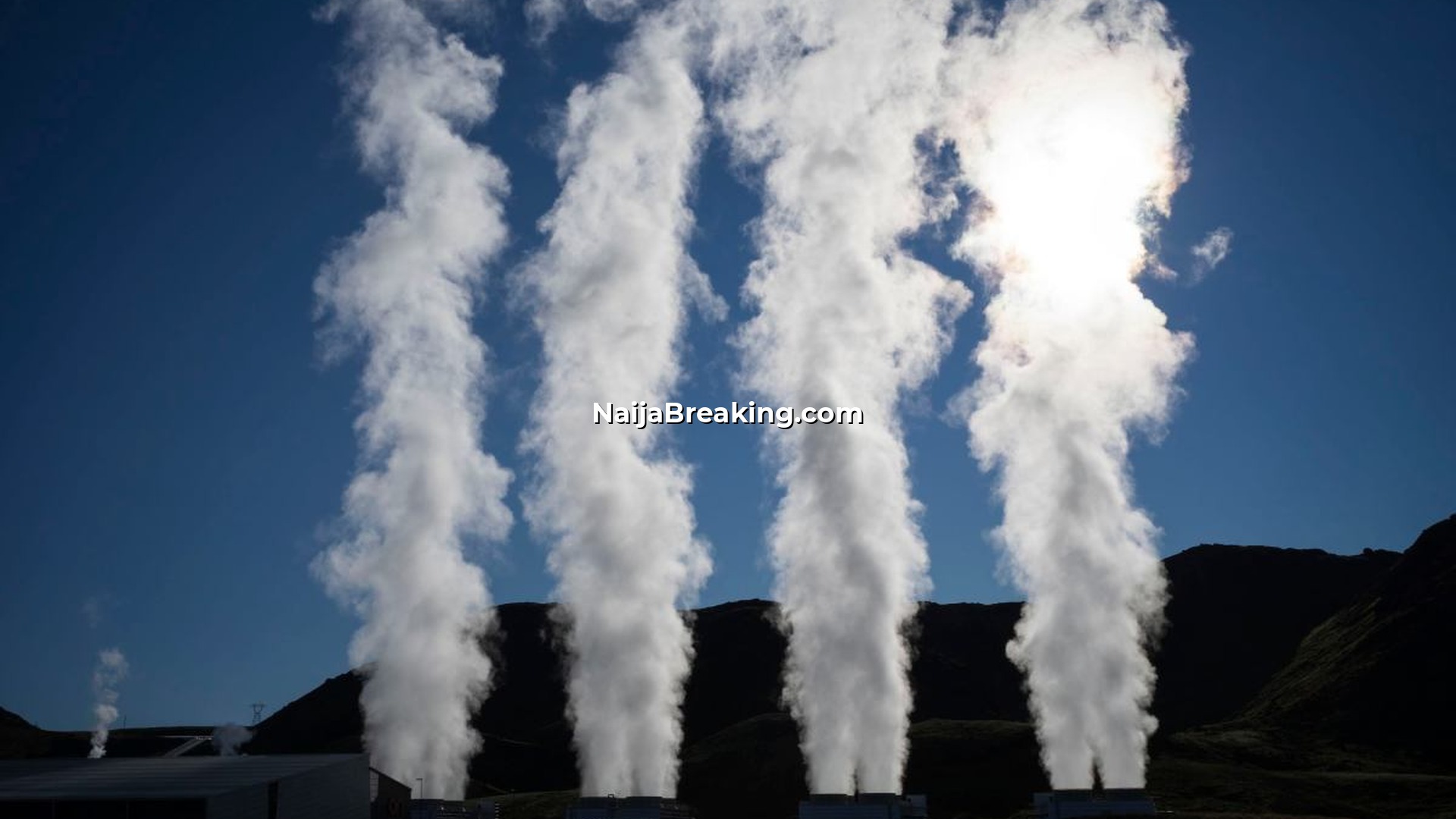
Critical Energy’s Modular Geothermal Power Plants: How SpaceX Technology Could Transform Africa’s Energy Crisis
A groundbreaking startup founded by a SpaceX engineer has just secured $22 million in seed funding to revolutionize the deployment of geothermal power plants using cutting-edge technology derived from rocket engine innovation—and the implications for Africa’s energy-starved economies, particularly Nigeria, are potentially transformative. Critical Energy, the visionary company at the center of this development, plans to manufacture modular geothermal power plants that could be rapidly deployed at scale across the African continent, addressing one of the most persistent and devastating development challenges facing Sub-Saharan Africa: the critical shortage of reliable, affordable electricity. For Nigeria specifically, where the average citizen has access to just 4 hours of electricity per day and the power sector remains chronically underfunded despite decades of promises, this technological breakthrough in geothermal power plants arrives at a pivotal moment. The global geothermal power plants sector is experiencing a quiet but significant revolution, often overshadowed by the more publicized narratives surrounding nuclear fusion research and sprawling solar farm developments, yet uniquely capable of delivering consistent baseload power that neither solar nor wind energy can reliably provide throughout the day and night. Understanding what this development means requires examining not just the technological innovations behind these geothermal power plants, but how they could fundamentally alter the trajectory of Africa’s energy transition and meaningfully improve the lives of 220 million Nigerians still trapped in severe energy poverty.
Nigeria’s Electricity Crisis: A Nation of Paradoxes and Desperation
Nigeria’s electricity crisis is not a temporary setback or a recent development—it is deeply systemic, institutionalized, and catastrophic in its human and economic consequences. For more than two decades, successive Nigerian governments have failed to significantly increase installed generation capacity, leaving the nation with approximately 13,000 megawatts of installed capacity yet managing to deliver only around 4,000 megawatts of actual usable power during peak hours. This massive disparity between installed and available capacity represents one of Africa’s most glaring infrastructure failures. The Petroleum Sector was historically the lifeblood of Nigeria’s economy, yet this same nation that produces over 1.5 million barrels of crude oil daily cannot reliably power its own cities, businesses, and hospitals. This contradiction represents a profound policy failure and missed opportunity that extends back decades.
This paradox stems from multiple interconnected failures: chronic underinvestment in power generation and transmission infrastructure despite decades of budgetary allocations, systematic theft and pilferage of electricity from distribution networks, poor maintenance of aging generation facilities, the absence of strategic long-term energy planning, and the wholesale neglect of comprehensive energy sector reforms despite repeated promises from the Central Bank of Nigeria (CBN), the Ministry of Power, and successive presidential administrations. The result is a nation where electricity remains a luxury rather than a utility, and where power generation capacity actually declined in several years between 2015 and 2023.
The human cost of this electricity deficit cannot be overstated. Manufacturing industries have been progressively hollowed out and relocated to neighboring countries partly because industrial users cannot depend on grid power and face prohibitively expensive costs for diesel-powered backup generators. Small business owners routinely spend 30-40% of their operational costs on electricity procured from petrol-fueled alternatives, a burden that makes their enterprises uncompetitive. Universities and teaching hospitals struggle to maintain research programs and provide adequate healthcare because they operate on erratic, unpredictable power supplies. The World Bank has estimated that electricity shortages cost Nigeria approximately 2% of its annual GDP—a staggering ₦8-10 trillion naira in lost economic output annually. This represents foregone jobs, reduced living standards, stunted industrial growth, and diminished competitiveness in the global economy.
The Geothermal Power Plants Revolution: A Game-Changing Technology
Geothermal power plants represent one of the most underutilized renewable energy technologies globally, yet they possess characteristics that make them exceptionally valuable for addressing electricity crises in developing nations. Unlike solar farms, which only generate power during daylight hours and suffer reduced output during cloudy periods, or wind farms, which depend on weather patterns and geographic location, geothermal power plants deliver consistent, reliable baseload power 24 hours per day, 365 days per year. This consistency makes geothermal power plants the closest renewable equivalent to traditional fossil fuel power plants in terms of reliability and dispatchability.
Critical Energy’s innovation lies in miniaturizing and modularizing geothermal power plants technology, drawing from decades of rocket engine engineering expertise. Traditional geothermal power plants require massive upfront capital investments, specialized geological surveys, complex drilling operations, and typically operate only in specific geographic regions with accessible geothermal resources—primarily Iceland, New Zealand, the Philippines, Indonesia, and parts of East Africa including Kenya. The company’s breakthrough modular approach to geothermal power plants promises to overcome several of these constraints by creating smaller, scalable units that can be deployed more flexibly and across a broader range of locations than conventional geothermal power plants.
The rocket engine technology connection is crucial to understanding Critical Energy’s approach to geothermal power plants. Rocket engines operate under extreme conditions—intense heat, high pressure, and demanding efficiency requirements—which forced aerospace engineers to develop materials, heat transfer systems, and turbine designs of unprecedented sophistication. By adapting these technologies to geothermal power plants applications, Critical Energy can create turbines that operate more efficiently at lower temperatures and smaller scales than existing geothermal power plants turbines, thereby expanding the geographic range where geothermal power plants become economically viable.
How Geothermal Power Plants Technology Could Address Africa’s Energy Crisis
The African continent sits atop vast geothermal resources that remain largely untapped. The East African Rift System, stretching from Ethiopia through Kenya, Tanzania, and Mozambique, represents one of the world’s most significant untapped geothermal power plants reserves. Kenya has demonstrated the viability of large-scale geothermal power plants, with the Olkaria geothermal power plants complex generating approximately 860 megawatts and providing roughly 25% of Kenya’s electricity. If similar geothermal power plants projects were developed across East Africa, the continent could generate thousands of additional megawatts of clean, reliable baseload power.
Nigeria itself, while not sitting atop the dramatic geothermal resources of the East African Rift, possesses moderate geothermal potential in certain regions, particularly in the Jos Plateau area and parts of northern Nigeria. Critical Energy’s modular approach to geothermal power plants could make these resources economically viable by reducing the capital requirements and technical complexity of developing geothermal power plants in these areas. Additionally, Nigeria could benefit from exporting modular geothermal power plants technology throughout West Africa and across the continent.
The economic implications of widespread geothermal power plants deployment are profound. A study by the International Renewable Energy Agency (IRENA) suggests that if African nations developed their geothermal power plants potential to just a fraction of capacity, the continent could generate an additional 5,000 megawatts of baseload power within a decade, create hundreds of thousands of jobs in manufacturing and installation, and reduce energy costs for consumers by 40-60% compared to diesel alternatives. For Nigeria specifically, developing comprehensive geothermal power plants capacity could address the electricity deficit that has hamstrung development for two decades.
Critical Energy’s $22 Million Funding: What It Represents
The successful $22 million seed funding round for Critical Energy represents far more than a simple capital injection for a startup. It reflects growing investor confidence in next-generation geothermal power plants technologies and recognition that modular, scalable approaches to geothermal power plants could unlock massive markets in developing economies. The funding validates a fundamental insight: that the convergence of advanced materials, precision manufacturing, and aerospace-derived engineering could transform how geothermal power plants are designed, deployed, and operated.
This funding round likely involved venture capital firms specializing in climate technology, infrastructure investors focused on emerging markets, and possibly impact investors specifically targeting energy poverty solutions. The amount—$22 million—is substantial for a seed round but modest compared to the capital requirements of traditional geothermal power plants projects, illustrating how modularization of geothermal power plants technology can reduce financial barriers to entry.
The timing of this funding is strategically significant. Global energy markets are shifting away from fossil fuels amid climate imperatives and price volatility. Simultaneously, developing nations face mounting pressure to meet growing electricity demand while transitioning to renewable energy. Geothermal power plants technology, with its reliability and predictability, fills a crucial gap that solar and wind alone cannot address. Critical Energy’s approach to geothermal power plants appears positioned to capture substantial market share in this expanding sector.
Challenges and Considerations for Geothermal Power Plants Deployment in Africa
Despite the promise of geothermal power plants technology, significant challenges remain before widespread deployment across Nigeria and Africa. First, developing geothermal power plants requires detailed geological surveys to identify economically viable resources. These surveys demand expertise, equipment, and capital that many African nations lack. Second, even with modular geothermal power plants designs, developing projects requires trained technicians, engineers, and maintenance personnel—skills that must be developed through education and partnerships. Third, integrating geothermal power plants into existing electrical grids requires upgrades to transmission and distribution infrastructure in many African countries.
Regulatory and policy environments also require attention. Nigeria’s power sector remains partially privatized with complex agreements, multiple government agencies, and overlapping jurisdictions. Clear, stable policies encouraging geothermal power plants investment are essential. Additionally, financing mechanisms must be established. While geothermal power plants projects offer excellent long-term returns, the upfront capital requirements and long development timelines challenge traditional financing approaches commonly used in developing economies.
Community engagement and land rights represent additional considerations for geothermal power plants projects. Unlike solar or wind farms, geothermal power plants require drilling deep beneath the surface and may intersect with water resources or other subsurface uses important to local communities. Critical stakeholder engagement, transparent benefit-sharing arrangements, and environmental impact assessments specific to geothermal power plants will be necessary to ensure projects gain social license to operate.
The Broader Energy Transition Implications
Critical Energy’s breakthrough in modular geothermal power plants represents a crucial piece of a larger energy transition puzzle. Nigeria and Africa cannot achieve climate goals or energy security through renewable sources alone. The continent needs a diversified energy portfolio combining solar, wind, hydroelectric, and geothermal power plants to create resilient, reliable systems. Geothermal power plants’ ability to provide baseload power makes it essential infrastructure for any serious electrification effort in developing regions.
For Nigeria specifically, embracing geothermal power plants technology could enable the country to simultaneously address multiple development challenges: electrifying underserved regions, reducing dependence on diesel and fuel-oil imports, attracting manufacturing investment, improving healthcare and education quality through reliable power, and positioning Nigeria as a clean energy technology leader in Africa.
Conclusion: A Pivotal Moment for African Energy
Critical Energy’s $22 million funding and their modular geothermal power plants approach represent a pivotal development for Africa’s energy future. The convergence of advanced engineering, innovative financing, and recognition of geothermal power plants’ unique value creates genuine opportunity for transforming how electricity is generated across the continent. For Nigeria—where electricity remains inaccessible, unreliable, and expensive for hundreds of millions of citizens—geothermal power plants could finally deliver the baseload power that fossil fuel plants promised but failed to reliably provide.
The path forward requires more than technological innovation alone. It demands political commitment from African governments, strategic partnerships between international firms and local enterprises, investment in workforce development focused on geothermal power plants technologies, and transparent regulatory frameworks that attract capital while protecting communities and environments. If these elements align, geothermal power plants could catalyze an energy revolution across Africa, unlocking economic potential, improving living standards, and positioning the continent not as a perpetual energy-poor region but as a leader in next-generation renewable energy.


