California Teacher Identified as Suspect in Trump Gala Shooting Incident
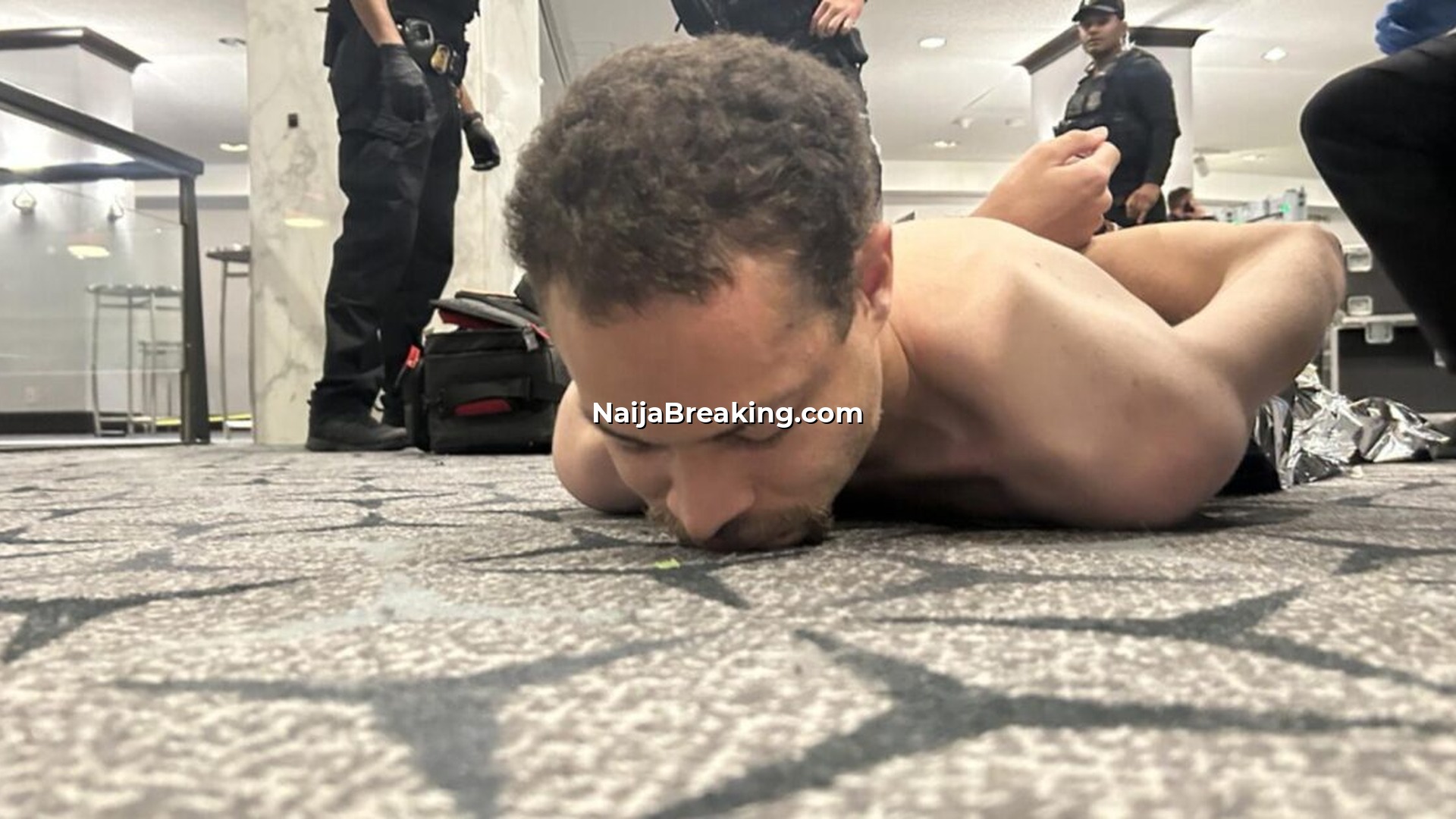
A significant security breach at a high-profile American event has captured international attention as authorities identify the Trump gala shooting suspect as Cole Tomas Allen, a 31-year-old teacher and video game developer from Southern California. This incident represents one of the most alarming lapses in presidential security at a major Washington gathering in recent memory, with the Trump gala shooting occurring at the White House Correspondents’ Association Dinner at the Washington Hilton. The identification of the suspect comes after intensive law enforcement investigations, revealing a complex profile of an educated tech professional with seemingly no obvious criminal history prior to the incident. For Nigerian observers and international audiences, this event underscores the critical vulnerabilities that exist even in the most heavily protected governmental settings, raising important questions about security protocols, threat assessment procedures, and the mechanisms used to identify potentially dangerous individuals before they act. The incident resulted in injuries to at least one Secret Service agent and caused widespread panic among attendees, including President Donald Trump and numerous high-ranking government officials. Understanding the details of this case provides valuable insights into security challenges faced by democratic nations and the evolving nature of threats in an increasingly digital world where individuals can operate under the radar despite educational achievements and professional employment.
Background
The White House Correspondents’ Association Dinner has been a cornerstone of Washington’s social and political calendar for decades, traditionally serving as a venue where members of the press, government officials, celebrities, and other dignitaries gather in a formal setting. The event, held annually at prestigious venues in the nation’s capital, is known for its security measures designed to protect the sitting President and other high-ranking government officials. However, security incidents at such events, while rare, have occurred throughout American history, highlighting the delicate balance between maintaining open democratic institutions and protecting those who lead them. The incident at the Trump gala shooting occurred within this context of established security protocols that, on this occasion, proved insufficient in preventing a breach by the suspect, Cole Tomas Allen.
Prior to this incident, the Washington Hilton venue had hosted numerous similar high-profile events without significant security breaches, making this Trump gala shooting particularly notable in contemporary political history. The event typically draws thousands of attendees and requires extensive planning by the Secret Service, local law enforcement, and venue security teams. The security infrastructure includes multiple checkpoints, metal detectors, and personnel trained in threat identification and response. Yet despite these measures, an individual managed to bring weapons into the secured area and open fire before being apprehended. For Nigerian observers familiar with similar security challenges at national events, this incident demonstrates that even the most developed nations with the most advanced security technologies continue to face threats from unexpected sources, often from within their own population rather than external adversaries.
The broader context of American political violence has been a concern for security agencies for years, with numerous incidents targeting political figures and public gatherings. The Trump gala shooting represents the latest in a series of security incidents that have prompted ongoing reviews of protective protocols. Understanding the background of such incidents requires examining not only the physical security measures in place but also the intelligence gathering processes, vetting procedures, and threat assessment methodologies employed by law enforcement agencies. According to source, authorities have indicated that the suspect had not been flagged by conventional threat assessment tools prior to the incident, suggesting potential gaps in how modern threats are identified and evaluated in the digital age.
Key Details
Cole Tomas Allen, identified as the Trump gala shooting suspect, presents an intriguing profile that defies conventional stereotypes about individuals who commit violent acts against high-profile targets. The 31-year-old suspect resides in Torrance, a suburban area of Los Angeles, and maintains a background that includes both professional employment and entrepreneurial ventures in the technology sector. According to law enforcement sources cited in reports about the Trump gala shooting incident, Allen held a position as a part-time teacher at C2 Education, a well-established test preparation and tutoring company. Public records indicate that his professional performance was sufficiently noteworthy that he received recognition as “teacher of the month” in December 2024, mere weeks before the alleged incident. This recognition suggests that colleagues and supervisors had observed no apparent warning signs or behavioural issues that would have warranted closer scrutiny.
The educational background of the Trump gala shooting suspect further complicates the narrative, as Allen obtained impressive academic credentials from respected institutions. His LinkedIn profile reveals that he graduated from the California Institute of Technology (Caltech) in 2017 with a bachelor’s degree in mechanical engineering, one of the world’s most selective and prestigious engineering programmes. Following his undergraduate studies, Allen pursued further education and obtained a master’s degree in computer science from California State University, Dominguez Hills. His academic achievements were recognised even during his student years when, in 2017, he was featured in a local news report for developing a prototype emergency brake system for wheelchairs, demonstrating his capacity for innovation and socially beneficial engineering. Beyond his traditional employment, Allen also worked as an independent video game developer, publishing a game titled Bohrdom on the Steam platform and registered a trademark for this creation in 2018. According to the information available, he was actively developing a second game with the working title “First Law” at the time of the Trump gala shooting incident. Federal Election Commission records showed that Allen had made a $25 donation to Vice President Kamala Harris’ presidential campaign in October 2024, providing some indication of his political leanings.
The actual incident that led to identification of the Trump gala shooting suspect occurred when authorities report that Allen breached a security checkpoint at the Washington Hilton venue while armed with multiple weapons. The suspect’s breach of security protocols triggered immediate response from Secret Service agents and venue security personnel. One Secret Service agent sustained injuries when struck by gunfire during the confrontation, though the agent’s protective vest proved effective in preventing fatal injury. The incident resulted in the evacuation of President Trump, First Lady, and numerous other dignitaries from the venue, creating significant disruption to the event and substantial security concerns. Investigations into the Trump gala shooting have been ongoing as of the latest reports, with officials continuing to examine the suspect’s motivations and the specific circumstances that led to the violent breach of security at this high-profile gathering.
Impact and Analysis
The Trump gala shooting incident carries substantial implications for national security protocols and the operations of high-profile governmental events across the United States. The successful breach of security at such a heavily protected event raises critical questions about the adequacy of current threat assessment procedures and the effectiveness of security screening mechanisms designed to identify potentially dangerous individuals before they can access secure areas. Data from the U.S. Department of Homeland Security indicates that there are thousands of individuals with various threat profiles being monitored at any given time, yet identifying which among millions of citizens pose actual imminent threats remains an extraordinarily complex challenge. The Trump gala shooting demonstrates that individuals with seemingly positive professional records, educational achievements, and no apparent criminal history can still pose serious security threats, suggesting that traditional vetting mechanisms may be insufficient in identifying certain types of threats.
The incident also raises important discussions about mental health assessment, digital behaviour monitoring, and the ethical implications of various surveillance and threat assessment methodologies. Law enforcement agencies now face increased pressure to explain how an individual of the suspect’s profile managed to evade detection until he carried out the violent act at the Trump gala shooting. This creates a difficult balancing act for security agencies, as overly aggressive monitoring and threat assessment can infringe upon civil liberties and privacy rights that are fundamental to democratic societies. For Nigeria and other nations developing their own security frameworks, the Trump gala shooting incident offers a cautionary lesson about the limitations of purely technological or procedural approaches to security, highlighting the necessity of integrating multiple layers of analysis, human intelligence, and predictive assessment methodologies. The statistical reality that most educated professionals with no criminal history do not commit violent acts suggests that identifying the minority who do remains an ongoing challenge for security agencies worldwide.
The economic and institutional impacts of such security breaches extend beyond the immediate incident, affecting confidence in protective systems and potentially necessitating costly upgrades to security infrastructure. Venues hosting high-profile political events may face increased insurance costs and security expenses following the Trump gala shooting, as organisers implement enhanced protocols and additional protective measures. The incident also affects the psychological well-being of government officials, journalists, and other professionals who regularly attend such events, potentially altering their willingness to participate in public gatherings and affecting the openness of democratic institutions.
Expert Perspectives
Security analysts and law enforcement experts have begun examining the Trump gala shooting incident to identify systemic gaps and opportunities for improved threat detection and response. Specialists in protective security have noted that the incident reveals potential weaknesses in the integration of intelligence across different law enforcement agencies and in the assessment of individuals who may be developing violent intentions without triggering conventional warning indicators. Some experts in threat assessment have suggested that the Trump gala shooting may represent a case where an individual’s digital behaviour—including online gaming development activities, social media presence, or other digital footprints—should have been more thoroughly investigated, though the ethical implications of such comprehensive digital monitoring remain debated. Security professionals have highlighted that the combination of technical skills, financial resources, and psychological motivations demonstrated by the Trump gala shooting suspect illustrates evolving threat profiles that previous generations of threat assessment procedures may not have been optimally designed to address. Officials from the Secret Service and other protective agencies are reportedly conducting comprehensive reviews of the protocols that failed to prevent the Trump gala shooting, with recommendations expected to emerge in coming months regarding how to enhance security at future high-profile events without substantially infringing upon civil liberties.
What This Means for Nigerians
For Nigerian citizens and policymakers, the Trump gala shooting incident offers important lessons relevant to national security strategies and the protection of high-profile government events within Nigeria’s own context. Nigeria has experienced its own security challenges, ranging from terrorism and insurgency to criminal activities targeting government officials and public gatherings, making the examination of international security lapses particularly valuable for developing improved domestic protocols. The identification of the Trump gala shooting suspect demonstrates that threats can emerge from unexpected sources—educated professionals with seemingly stable employment and no obvious criminal backgrounds—a reality that applies equally to Nigeria’s security environment. Nigerian security agencies tasked with protecting presidential events, legislative assemblies, and other high-profile gatherings can learn from the Trump gala shooting incident by evaluating whether their own threat assessment procedures adequately consider individuals who may not fit traditional threat profiles. The incident underscores the importance of integrating mental health evaluation, digital behaviour analysis, and comprehensive background investigations into security screening procedures, practices that could enhance the effectiveness of Nigeria’s protective agencies. Furthermore, the Trump gala shooting demonstrates the necessity of maintaining robust international intelligence sharing and cooperation, particularly regarding individuals who may have travelled between nations or who may receive inspiration or assistance from international sources.
From a practical perspective, Nigerian government officials and corporate leaders who attend high-profile events can draw important safety lessons from examining the Trump gala shooting incident and the security measures that proved partially effective in managing it. The effectiveness of protective equipment, such as body armour worn by security personnel, is highlighted by the fact that the Secret Service agent struck by gunfire during the Trump gala shooting survived due to protective gear, suggesting that proper equipment and training remain essential components of protective security. For Nigerian journalists and media professionals who often attend government events, the Trump gala shooting incident reminds them of the security risks inherent in reporting on political activities and the importance of cooperating with security personnel. The incident also provides context for Nigerians observing American political processes to understand that even the world’s most advanced security systems face limitations, and that no institutional setting can be made entirely secure without substantially restricting access and openness. Nigerian security sector reforms can benefit from studying how American agencies respond to security breaches, the accountability mechanisms they employ, and the balance they attempt to maintain between security effectiveness and preservation of democratic values.
Conclusion and Outlook
The identification of Cole Tomas Allen as the Trump gala shooting suspect provides a sobering reminder that security threats can originate from unexpected sources and that even comprehensive protective systems can experience breaches. The incident reflects broader challenges faced by modern democratic societies in attempting to balance the protection of their leaders and dignitaries with the maintenance of open, accessible political institutions. As investigations continue into the Trump gala shooting and as security agencies implement enhanced protocols, the international community—including Nigerian policymakers and security professionals—will be watching closely to understand how American authorities address the systemic issues revealed by this incident. Future developments in this case, including the outcome of legal proceedings against the suspect and the implementation of new security measures, will likely establish precedents and best practices that influence security protocols globally. For Nigeria, the Trump gala shooting incident serves as a valuable case study in the complexities of modern security challenges and the necessity of continuously evolving protective methodologies to address emerging threat profiles. As the situation develops, the lessons learned from examining the Trump gala shooting will undoubtedly contribute to ongoing discussions about how democratic nations can maintain their openness while effectively protecting their leaders and citizens. Share your thoughts in the comments below.