
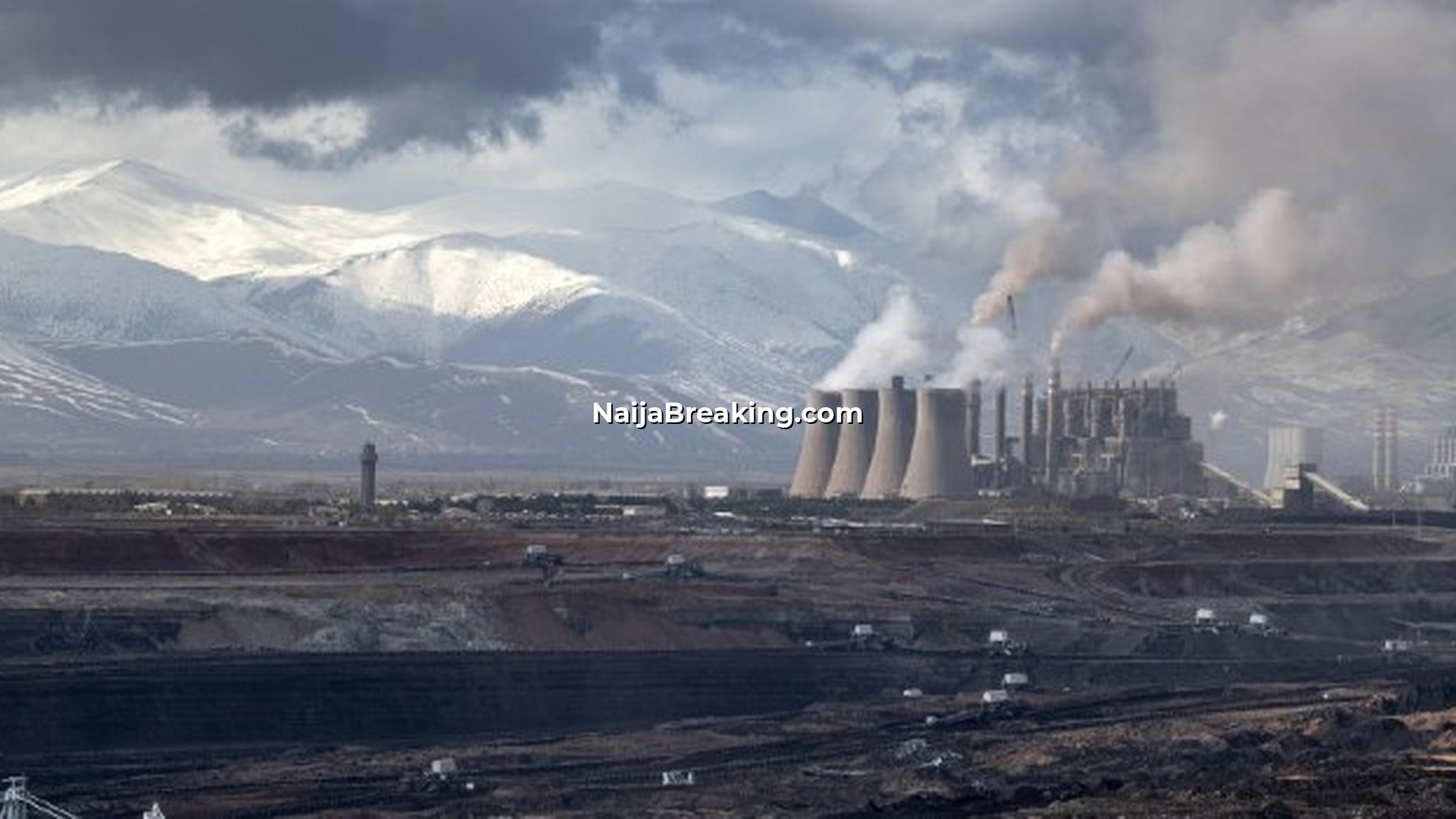
Over 50 Countries Convene For Historic Fossil Fuel Exit Conference In Colombia
In a landmark development that could reshape global energy diplomacy, more than 50 nations are gathering for the world’s first-ever conference specifically focused on phasing out fossil fuels, with the meeting taking place in the Caribbean city of Santa Marta, Colombia next week. This fossil fuel exit conference represents a pivotal moment in international climate negotiations, as countries seek to establish concrete pathways away from coal, oil, and gas dependency. The timing of this historic assembly comes amid extraordinary global energy turmoil, with the Iran-induced crisis at the Strait of Hormuz creating unprecedented oil supply shocks and forcing nations to reckon with their over-reliance on planet-heating energy sources. According to reports from Channel Television, the International Energy Agency has characterised the current disruption as the biggest oil supply shock in modern history, lending urgency to discussions about transitioning away from fossil fuels. For Nigeria, a nation whose economy has been inextricably linked to crude oil exports for decades, this conference signals a critical inflection point that demands serious attention from policymakers, industry stakeholders, and ordinary citizens alike. The convergence of geopolitical crisis and climate imperative makes this gathering exceptionally significant, as participating nations grapple with the apparent contradiction between immediate energy security needs and long-term sustainability goals.
Background
The genesis of this historic fossil fuel exit conference lies in the growing frustration within the international community regarding the slow pace of progress in traditional United Nations climate negotiations. For nearly three decades, the UN’s consensus-based approach to climate talks has produced incremental agreements, but critics argue these forums have consistently failed to deliver substantive action on phasing out fossil fuels. The Paris Agreement of 2015 set ambitious targets for limiting global temperature rise, yet subsequent annual climate conferences have bogged down in procedural debates and competing national interests, preventing concrete commitments to end fossil fuel dependency. This stalemate prompted forward-thinking nations and climate advocates to explore alternative diplomatic channels, leading to the conception of a standalone conference dedicated exclusively to fossil fuel transition strategies. Colombia and the Netherlands, both nations with complex relationships to fossil fuel production and consumption, took leadership in organising this unprecedented gathering. The Netherlands, with its highly developed renewable energy sector and commitment to carbon neutrality, brought technical expertise and political will, while Colombia, as a significant oil and coal producer seeking economic diversification, brought credibility as a nation understanding the genuine challenges of transitioning away from hydrocarbons. The decision to hold this conference in Santa Marta, Colombia’s Caribbean gateway, symbolises the commitment to include developing nations in shaping the future of global energy systems. This background context reveals that the fossil fuel exit conference was not born from abstract idealism but from pragmatic recognition that existing international mechanisms had failed to mobilise decisive action on energy transition.
Key Details
The fossil fuel exit conference is scheduled for 28 and 29 April in Santa Marta, Colombia, bringing together ministers and high-level delegations from more than 50 nations representing diverse interests and economic structures. According to the source material, the participating nations collectively account for approximately one-fifth of global fossil fuel production, giving this assembly substantial economic and political weight. The expected attendees include major fossil fuel-producing and exporting nations such as Australia, Canada, Norway, Angola, Mexico, and Brazil, alongside coal-dependent emerging markets like Turkey and Vietnam. Notably, the conference will also host representatives from leading developed economies including Germany, France, and the United Kingdom, as well as vulnerable small-island developing states whose very survival is threatened by climate change and rising sea levels. However, conspicuously absent from the attendance list are the world’s largest fossil fuel producers—most significantly, the United States, China, Saudi Arabia, and Russia—a fact that both limits the conference’s immediate universal scope but also demonstrates that participating nations are willing to move forward without waiting for consensus from the largest producers. Colombia’s Environment Minister Irene Velez Torres stated that the gathering has taken on “greater relevance” in light of the current energy crisis triggered by Iran’s actions at the Strait of Hormuz, the critical chokepoint through which approximately one-third of global maritime-traded oil passes daily. This energy crisis context means discussions will balance climate imperatives against pressing concerns about energy security, supply chain stability, and economic impacts of rapid fossil fuel phase-out.
Impact and Analysis
The geopolitical landscape surrounding this fossil fuel exit conference is extraordinarily complex, with the Iran-induced energy crisis paradoxically strengthening the case for fossil fuel phase-out even as it creates short-term pressures favouring energy sources like coal. The International Energy Agency’s assessment that the current situation represents the biggest oil supply shock ever underscores the vulnerability of economies dependent on stable fossil fuel supplies, a reality that should motivate serious investment in renewable energy independence. The wartime fuel shortages and soaring energy prices documented across global markets demonstrate that fossil fuel dependency creates not just environmental risk but also acute economic and security vulnerabilities that renewable energy systems could substantially mitigate. Energy security concerns are expected to dominate discussions alongside climate priorities, as nations balance the need to reduce fossil fuels with immediate pressures to maintain stable energy supplies for their citizens. Analysts predict that the conference outcomes will likely emphasise the economic opportunities inherent in fossil fuel transition, including job creation in renewable energy sectors, reduced costs from renewable technologies, and decreased vulnerability to supply disruptions like those currently roiling markets. The International Energy Agency reports suggest that renewable energy capacity has grown substantially in recent years, with solar and wind becoming increasingly cost-competitive with fossil fuels in many markets. This technological progress strengthens arguments that fossil fuel phase-out is not merely aspirational climate advocacy but increasingly a pragmatic economic strategy. Nations present at the conference will be watching carefully for political signals about the credibility and timeline of commitments from fellow participants, with the collective decisions potentially influencing bilateral energy partnerships and climate financing flows.
Expert Perspectives
Leading climate scientists and energy analysts have expressed cautious optimism about the fossil fuel exit conference, emphasising both its potential and inherent limitations. Dr. Michael Oppenheimer, a prominent climate researcher from Princeton University, has noted that moving fossil fuel negotiations outside the UN framework could enhance decision-making speed and implementation accountability, though he cautioned that meaningful change requires participation from the largest producers. Energy transition experts argue that the conference’s timing during an acute energy crisis creates a unique opportunity to frame fossil fuel phase-out as a solution to energy security rather than merely an environmental imperative, potentially shifting political calculus in countries hesitant about rapid energy transitions. The International Renewable Energy Agency (IRENA) emphasises that renewable energy deployment can happen at scales and speeds that surprise sceptics, with recent data showing that solar installations in developing countries have accelerated dramatically, proving that fossil fuel transition is achievable across diverse economic contexts. Colombia’s Environment Minister Velez Torres has positioned the conference as a deliberate attempt to break through consensus-based gridlock, arguing that a coalition of willing nations can demonstrate viable transition pathways that others will eventually follow. Critics note that the absence of major producers like China, the United States, and Saudi Arabia significantly limits the conference’s immediate global impact, though supporters counter that demonstrating leadership from the 50 participating nations could create cascading pressure and shift international norms around fossil fuel dependency.
What This Means for Nigerians
For Nigeria, a nation whose economy and government revenues depend overwhelmingly on crude oil and gas exports, the fossil fuel exit conference represents both profound challenge and genuine opportunity that demands urgent national conversation. Nigeria’s petroleum sector accounts for approximately 90 per cent of export earnings and roughly 50 per cent of government revenue, meaning the global transition away from fossil fuels poses an existential economic threat unless Nigeria proactively develops alternative revenue streams and economic activities. The Nigerian National Petroleum Company (NNPC) and government policymakers must recognise that waiting passively for demand for Nigerian crude oil to persist indefinitely is strategically indefensible, particularly given the accelerating global energy transition and the conference’s signal that a critical mass of nations are committed to fossil fuel phase-out. Nigeria possesses substantial renewable energy potential, particularly in solar power across the sun-rich northern regions, and wind resources along coastal areas, yet investment in renewable energy infrastructure remains far below potential levels. The electricity sector crisis affecting millions of Nigerians, characterised by inadequate generation, transmission, and distribution infrastructure, represents precisely the challenge that renewable energy deployment could address while simultaneously positioning Nigeria for economic participation in the global clean energy economy. Nigerian entrepreneurs, technologists, and investors should see the fossil fuel exit conference as signalling a fundamental reshaping of global energy markets, creating opportunities in renewable energy manufacturing, battery technology, energy storage solutions, and smart grid systems. The government must urgently develop a coherent national energy transition strategy that acknowledges both the genuine economic hardships of moving away from fossil fuels and the greater long-term costs of remaining locked into a declining hydrocarbon-dependent economy. Without proactive planning, Nigeria risks becoming economically marginalised as the world transitions to renewable energy systems, leaving millions of Nigerians impoverished in a low-demand crude oil world.
Conclusion and Outlook
The convening of over 50 nations for the world’s first dedicated fossil fuel exit conference in Colombia next week represents a watershed moment in global energy diplomacy and climate action, signalling that the international consensus is fundamentally shifting away from fossil fuels despite the current energy crisis. Though the absence of the world’s largest producers—the United States, China, Saudi Arabia, and Russia—limits the immediate scope of this gathering, the collective economic and political weight of participating nations means their coordinated commitment to fossil fuel phase-out could catalyse cascading changes across global energy systems. The paradoxical context of an acute energy crisis strengthening the case for fossil fuel transition reveals that security, economic, and environmental imperatives are increasingly aligned rather than opposed, a recognition that should reshape how nations approach energy planning. For Nigeria specifically, the fossil fuel exit conference should serve as a clarion call prompting urgent national deliberation about economic diversification, renewable energy development, and strategic positioning in an energy system fundamentally transformed by the global fossil fuel phase-out. The outcomes of this conference will likely establish reference points for international energy cooperation, climate financing, and bilateral partnerships that will directly affect Nigeria’s economic prospects and development trajectories. Policymakers, business leaders, and civil society organisations across Nigeria must engage seriously with the implications of this historic conference, recognising that proactive adaptation to the emerging energy reality offers far greater opportunity than reactive resistance to inevitable change. As the world moves decisively toward a post-fossil fuel future, Nigeria’s choices in the coming months and years will determine whether the nation seizes opportunities to lead in renewable energy or faces economic marginalisation in a transformed global economy. Share your thoughts in the comments below on how Nigeria should navigate this critical energy transition challenge.