
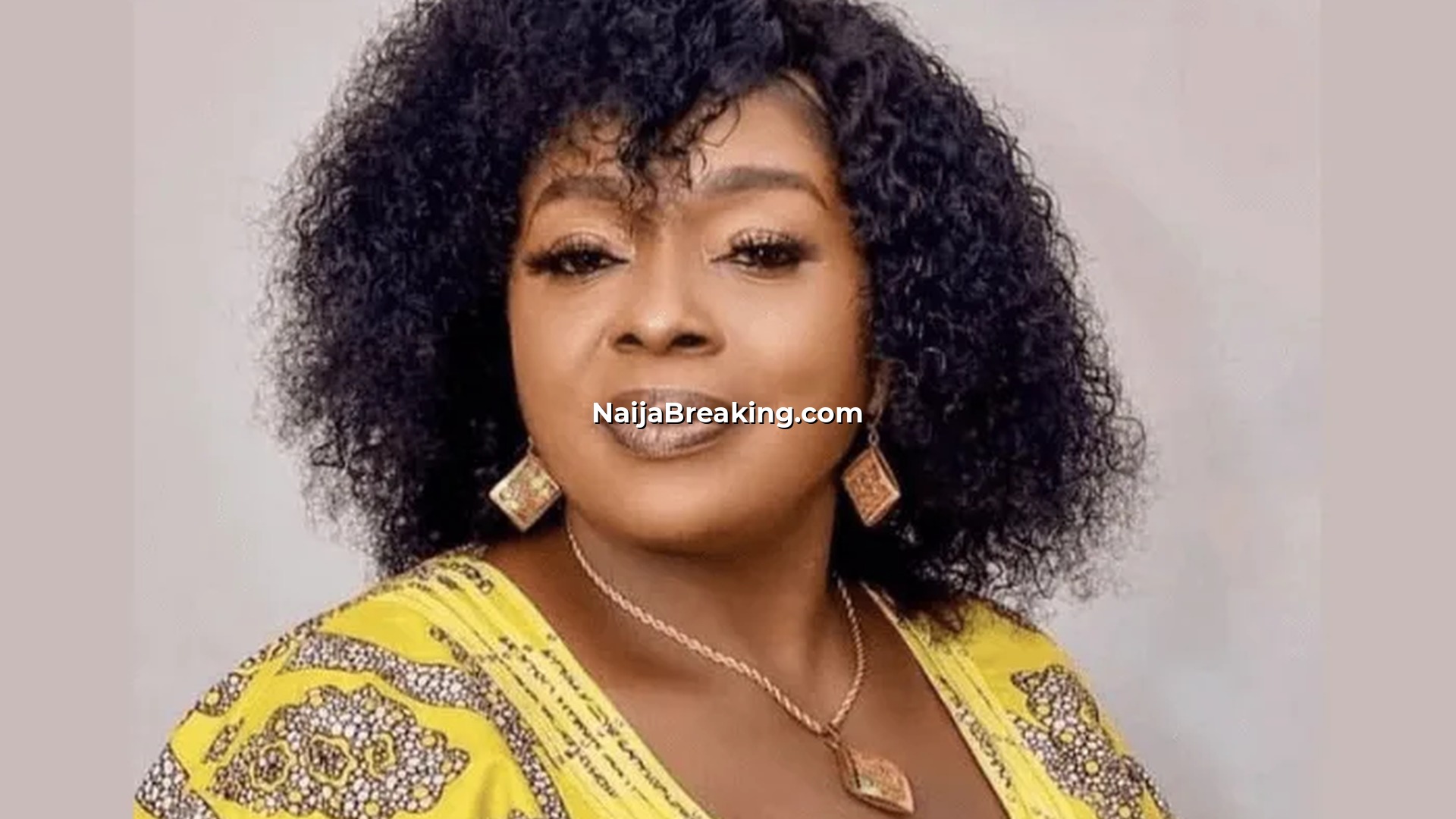
Gender Bias in Marriage: Rita Edochie Exposes Double Standards in Nigerian Culture
Veteran Nollywood actress Rita Edochie has ignited a vital conversation about gender bias in marriage, challenging deeply entrenched cultural attitudes that excuse infidelity in men while condemning it in women. In a powerful social media response to a wedding event MC’s comments, Edochie articulated what millions of Nigerian women have silently endured for generations: a marriage system built on unequal moral standards and selective forgiveness. Her intervention comes at a critical moment when discussions about women’s agency, marital rights, and cultural reform are gaining momentum across Nigeria’s urban centres and beyond. The actress’s stance is not merely an entertainment story; it represents a broader reckoning with how Nigerian society—rooted in patriarchal traditions, religious doctrine, and customary law—continues to enforce different rules for husbands and wives. As reported by Punch Nigeria, Edochie’s comments have resonated with thousands of Nigerians questioning whether marriage equality is merely aspirational or achievable within Nigeria’s social fabric.
Background
Nigeria’s approach to marriage is layered with historical, religious, and customary complexities that have shaped attitudes toward fidelity and spousal conduct for centuries. The country operates under multiple legal frameworks—civil law, Islamic Sharia law in the north, and customary law across ethnic groups—each carrying distinct provisions on marriage, divorce, and infidelity. Historically, these systems have been designed by and for male interests, particularly in patriarchal societies where wives were considered property or extensions of their husbands’ honour. In many Yoruba, Igbo, and Hausa traditions, a woman’s infidelity was treated as an affront to her husband’s lineage and social standing, often resulting in severe social ostracism, while men’s extramarital affairs were frequently excused as inevitable or even celebrated as signs of virility and wealth.
The modern Nigerian woman, however, finds herself in a paradoxical position. Urban professionals in Lagos, Abuja, and Port Harcourt increasingly earn their own income, own property, and make independent life decisions—yet marriage expectations remain rooted in these traditional hierarchies. Religious institutions, particularly evangelical churches and Islamic bodies, have reinforced these doctrines by preaching submission and sacrifice primarily to women while emphasizing male headship and authority. A 2022 survey by the Lagos-based Women’s Rights Organization found that 67% of Nigerian women believe marital infidelity standards are unequal, yet only 23% felt empowered to challenge these norms within their own marriages. This gap between awareness and action reveals the deep structural entrenchment of gender bias in Nigerian marriage culture.
Edochie’s intervention is notable because it comes from an established public figure willing to risk reputational backlash—a significant factor in Nigeria’s morality-conscious entertainment industry. Her willingness to label these disparities as “witchcraft” rather than tradition signals a generational shift in how some Nigerians are reframing cultural practices once considered immutable. This backdrop is essential to understanding why her comments have generated such intense discussion across social media platforms and earned commentary from legal experts, counsellors, and gender advocates.
Key Details
The catalyst for Edochie’s outburst was a video shared on her Instagram account showing an MC at a marriage-related event addressing a couple identified as Thomas and Mirable. According to the Punch Nigeria report, the MC, speaking in Igbo language, delivered starkly different messages to the husband and wife. When addressing Mirable, the wife, he warned that if her husband travelled for months and she cheated on him, she would “die and run mad,” then demanded she respond with “Amen”—a rhetorical tactic that frames infidelity as a supernatural curse reserved exclusively for women.
In stark contrast, when addressing Thomas, the husband, the MC employed language rooted in what scholars call the “nature argument.” He stated that if Thomas cheated on his wife, “God will forgive him because he did not do it intentionally.” This statement encapsulates the core of Edochie’s grievance: the suggestion that male infidelity is an accident of male biology rather than a deliberate moral failing. The same act—infidelity—is simultaneously framed as a death sentence for women and a forgivable accident for men, reflecting centuries of cultural messaging about female purity versus male entitlement.
Edochie’s response, posted on Monday, was unequivocal: “I am very angry this morning, and I pray this is just a joke and content.” She then articulated her core argument: if men are routinely excused because they are “polygamous by nature,” women deserve identical grace, mercy, and forgiveness. Her statement, “If infidelity is a sin, then it is a sin for both. If forgiveness exists, then it should not be reserved for one gender. Justice that favours men while crushing women is not justice; it is witchcraft,” directly challenges the theological and cultural justifications used to maintain marital double standards. By labelling unequal justice as “witchcraft,” she reframes the problem not as natural or divinely ordained, but as a deliberate act of harm—a powerful rhetorical move in a culture where accusations of witchcraft carry serious social weight.
Impact and Analysis
Edochie’s intervention reveals a critical fissure in Nigerian society between the formal, constitutional commitment to gender equality and the lived reality of marital power imbalances. Nigeria’s 1999 Constitution guarantees equal rights regardless of gender, and the country has ratified international treaties like the Convention on the Elimination of All Forms of Discrimination Against Women (CEDAW). Yet these legal commitments remain largely performative when cultural and religious authorities—including wedding event MCs—continue to reinforce dual morality standards with apparent impunity.
The psychological and economic consequences of this double standard are substantial. Women who internalise the message that infidelity will result in social death, family rejection, or spiritual damnation are effectively denied the autonomy to make choices about their own bodies and relationships. Research by the Nigerian Institute of Social and Economic Research (NISER) indicates that fear of social ostracism influences approximately 45% of Nigerian women’s decisions to remain in unsatisfying or even abusive marriages. Conversely, men’s understanding that infidelity is excusable as “nature” reduces their incentive to invest in fidelity or monogamy, creating a self-fulfilling prophecy that normalises male extramarital behaviour.
Edochie’s statement also highlights the role of institutional gatekeepers—MCs, pastors, imams, and elders—in perpetuating these inequalities. These figures command significant cultural authority and their pronouncements shape how young couples internalise expectations about marriage. The fact that this particular MC felt comfortable making these statements at a public event suggests either a lack of awareness of the controversy surrounding such rhetoric or a deliberate choice to reinforce traditional norms. Either way, it demonstrates that gender bias in marriage is not merely a private, individual problem but a systemic issue maintained through public ritual and institutional messaging.
Expert Perspectives
Dr. Chukwudi Okafor, a senior gender and family law specialist at the University of Lagos, offers a institutional perspective: “Rita Edochie has articulated what constitutional lawyers and women’s rights advocates have argued for decades—that customary law provisions on marital infidelity violate the equal protection clause of Nigeria’s constitution. The problem is enforcement. Without active prosecution of these cultural violations by the EFCC or civil courts willing to challenge customary practices, these double standards persist unchecked. What we need is a unified marriage law that treats infidelity equally regardless of gender, but that requires political will that has been absent.”
Conversely, Mrs. Adeola Akande, a marriage counsellor and founder of the Lagos-based Centre for Marital Harmony, presents a more nuanced view: “I agree with Edochie that the double standard is unfair, but framing it as merely a gender issue misses the deeper problem—our entire approach to marriage is transactional rather than relational. Men cheat because they’ve been taught that their sexual autonomy is natural; women are condemned because they’ve been taught their sexuality belongs to their husbands. The solution isn’t to give women equal permission to cheat—it’s to rebuild marriage on mutual trust, transparent communication, and genuine partnership. We need cultural reformation, not just role reversal.” Her perspective suggests that Edochie’s argument, while exposing inequality, may not offer a complete solution without broader changes to how Nigerians conceptualise marital commitment itself.
What This Means for Nigerians
For the average Nigerian woman—whether a banker in Lagos, a trader in Kano, or a civil servant in Enugu—Edochie’s statement validates experiences often dismissed as personal grievances rather than systemic injustices. A woman who discovers her husband’s infidelity faces not only emotional pain but social consequences: disappointed parents, extended family pressure to “forgive and forget,” religious counsel to “pray for her marriage,” and the constant fear that speaking up will result in being labelled a bad wife or a home wrecker. Conversely, a husband who learns of his wife’s infidelity may feel culturally justified in severing the marriage, withdrawing financial support, or subjecting her to public humiliation. These are not abstract principles; they are daily realities affecting women’s economic security, mental health, and autonomy.
For young couples in Nigeria’s growing middle class, Edochie’s challenge creates an opportunity for difficult but necessary conversations. Increasingly, urban Nigerian couples—many of whom have studied abroad, work in professional environments, or consume global media—are questioning inherited assumptions about marriage. The question becomes: do we continue to operate by customary rules designed for a different era, or do we negotiate new terms based on mutual respect and equality? For divorce proceedings, women’s access to custody and maintenance depends partly on how openly judges are willing to acknowledge marital infidelity as a mutual rather than gender-specific failing. Edochie’s public statement may influence legal arguments and judicial reasoning in future cases.
For parents raising daughters and sons, the story forces a reckoning with the different messages they transmit. Mothers who warn daughters to “keep their husbands happy” by tolerating infidelity, while sons are encouraged to “sow wild oats” before marriage, are actively constructing the power imbalance Edochie critiques. As conversations about gender equality intensify in Nigerian schools, workplaces, and families, parents must decide whether to perpetuate or challenge these inherited scripts.
Editor’s Take
At NaijaBreaking, we believe Rita Edochie has performed a crucial service by making visible what should have been obvious decades ago: Nigeria’s marital moral framework is fundamentally unjust. What strikes us most forcefully is not merely that women are condemned for acts men are forgiven—it’s that this injustice is actively reinforced by cultural gatekeepers at public events, in homes, and from pulpits, often without challenge or consequence. The wedding MC felt safe enough to deliver a sermon on selective forgiveness because Nigeria’s cultural and religious institutions have consistently signalled that gender-differentiated morality is acceptable, even righteous. This story reveals that Nigeria’s commitment to constitutional equality and women’s rights remains largely rhetorical. The question is not whether the double standard exists—it does, visibly and persistently—but whether Nigeria’s institutions and civil society are ready to dismantle it. Until they are, statements like Edochie’s will remain necessary provocations rather than statements of obvious truth.
What to Watch Next
Several developments merit close attention. First, monitor whether Edochie’s statement generates formal responses from Nigeria’s major religious bodies—churches and Islamic councils—or whether they remain silent. Silence would suggest either agreement with her critique or reluctance to engage publicly, either of which carries meaning. Second, watch for any legal or policy discussions about unifying Nigeria’s marriage laws. The National Assembly occasionally receives private member bills on family law reform; Edochie’s prominence may create political momentum for such legislation. Third, observe how marriage counsellors, family therapists, and relationship experts begin framing infidelity conversations in their public communication—will they begin to challenge the “natural infidelity” argument, or will they continue to accept it as given? Finally, pay attention to social media conversations among Nigerian women aged 20-35, where real-time discussions about marriage expectations are reshaping cultural norms. The key question now is: will Edochie’s critique remain a viral moment of cultural catharsis, or will it catalyse actual institutional change in how Nigeria approaches marital equality?
Conclusion
Rita Edochie’s condemnation of gender bias in marriage exposes a fundamental contradiction in Nigeria’s social fabric: a nation with constitutional protections for women that remain inert in the spaces where Nigerians actually live their intimate lives. Her statement that selective justice is “witchcraft” reframes cultural practices often presented as immutable tradition as deliberate harms deserving of resistance. What this story ultimately reveals is that Nigeria’s gender equality challenge is not primarily an economic or educational problem—it is a values problem. Until Nigerians, particularly those in positions of cultural authority, openly declare that infidelity carries equal moral weight and consequence regardless of gender, the nation will continue to operate a two-tiered system of marital justice. This is not progress; it is a contradiction that demands resolution.
Share your thoughts in the comments below—what do you think this means for Nigeria’s future? Should our marriage laws be reformed to ensure equal treatment, or do you believe cultural traditions should guide these intimate matters?