Nana Akua Addo World Cup Fashion: How Ghana’s Style Icon Turned Sports Into High Fashion
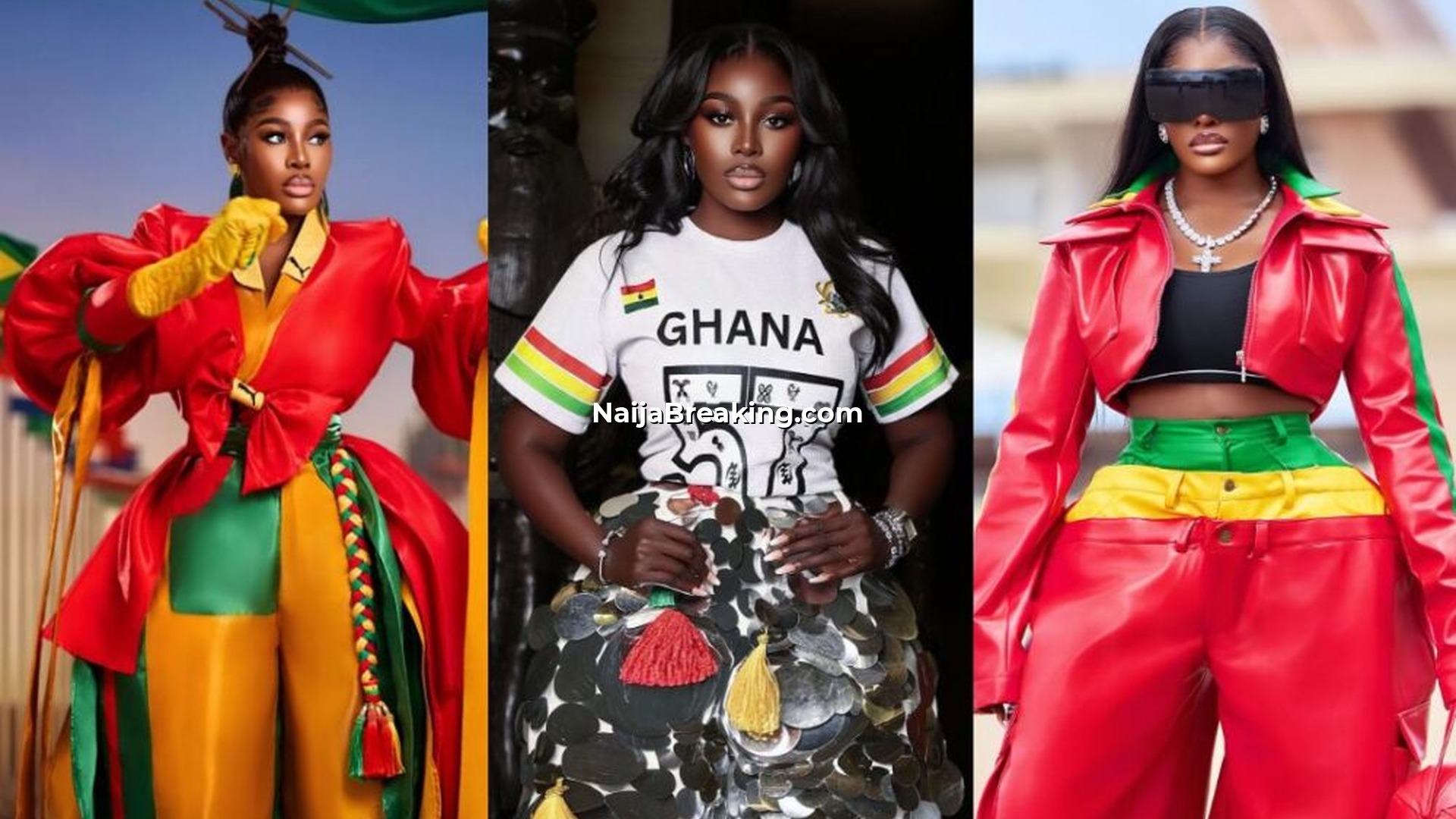
When Ghanaian fashionista Nana Akua Addo stepped out during the 2026 FIFA World Cup, she wasn’t just attending matches—she was staging a masterclass in translating national pride into wearable art. Her three custom outfits, meticulously designed to honour Ghana’s Black Stars during their group stage matches against England, Croatia, and Colombia, represent far more than celebrity fashion moments. Nana Akua Addo world cup fashion collection demonstrates how African fashion designers and style influencers are seizing global sporting stages to position the continent’s aesthetic on the international arena, challenging the narrative that style commentary belongs exclusively to Western fashion capitals. For Nigerian observers, Nana Akua Addo’s approach offers critical lessons about cultural branding, the economics of fashion visibility, and how neighbouring African nations are strategically leveraging major sporting events to amplify their creative industries. The fashion industry across West Africa—Nigeria included—is increasingly recognizing that major tournaments provide unparalleled opportunities to showcase design talent, attract international media attention, and generate revenue streams that extend far beyond the stadium. This article explores the significance of Nana Akua Addo world cup fashion moments and what they reveal about the future of African fashion on the global stage.
The Rise of Nana Akua Addo as Ghana’s Fashion Ambassador
Nana Akua Addo has emerged as one of Ghana’s most recognizable fashion influencers, commanding a substantial following across Instagram, TikTok, and other social media platforms where visual aesthetic dominates cultural conversation. Her journey to fashion prominence represents a distinctly modern narrative—one that bypasses traditional gatekeepers like fashion magazines and instead leverages direct-to-consumer digital platforms to build credibility, influence, and commercial viability. Before the World Cup, Nana Akua Addo had already established herself as a tastemaker who understood the intersection of traditional Ghanaian textiles, contemporary silhouettes, and aspirational lifestyle branding. Her previous work showcasing Kente cloth reimagined for modern fashion contexts had garnered international attention, particularly from fashion publications focused on African creative economies. This pre-existing platform and credibility made her the ideal candidate to represent Ghana’s fashion perspective during the 2026 World Cup, an event watched by billions of viewers globally. The decision to feature Nana Akua Addo world cup fashion statements was strategic, recognizing that sports viewership creates captive, engaged audiences—many of whom pay close attention to what cultural figures are wearing on and off the field.
What distinguishes Nana Akua Addo from typical celebrity endorsers is her demonstrated understanding of fashion as cultural narrative. She doesn’t simply wear clothes; she tells stories through fabric choices, color symbolism, and design details that reference Ghana’s history, contemporary identity, and future aspirations. This approach elevates fashion beyond aesthetic decoration into the realm of cultural diplomacy—a recognition that what influential figures wear at high-profile international events communicates messages about national pride, creative sophistication, and cultural confidence. For Ghana, having a fashion voice as articulate and visually compelling as Nana Akua Addo representing the nation at the World Cup represented a significant soft power asset. The visibility generated by Nana Akua Addo world cup fashion moments translated into millions of social media impressions, countless international media mentions, and—most importantly—created a framework for understanding Ghanaian fashion as innovative, contemporary, and worthy of serious aesthetic consideration.
Deconstructing the Three Custom Outfits: Design Philosophy and Execution
The genius of Nana Akua Addo world cup fashion strategy lay in the deliberate design decisions behind each custom outfit. Rather than creating three similar looks with minor variations, the fashionista worked with Ghanaian designers to develop distinct ensembles that reflected the unique characteristics of each opponent while maintaining coherent visual identity rooted in Ghanaian cultural aesthetics. For the England match, the outfit incorporated subtle Union Jack references through carefully placed fabric manipulations, proving that Nana Akua Addo understood the diplomatic language of fashion—acknowledging the opponent while centering Ghanaian design authority. The use of deep crimsons and golds, colors deeply embedded in Ghana’s national identity, ensured that despite the England nod, the visual hierarchy remained firmly African-centered. This balance between cultural diplomacy and national pride represents sophisticated fashion thinking that many international stylists failed to achieve during the same tournament.
The Croatia match outfit showcased a completely different aesthetic approach, incorporating geometric patterns inspired by traditional Ghanaian kente weaving but rendered in a contemporary, almost architectural manner. The designers working with Nana Akua Addo understood that Nana Akua Addo world cup fashion had to function across multiple viewing contexts—from intimate stadium photography to wide-angle broadcast shots to close-up social media clips. Each outfit was engineered to communicate effectively regardless of distance or medium, a technical consideration that separates professional fashion curation from amateur style experimentation. The geometric patterns, bold enough to read clearly on television, also functioned as a visual metaphor for Ghana’s structured, organized approach to the match—a subtle psychological messaging embedded in textile design.
The Colombia match outfit represented perhaps the most daring Nana Akua Addo world cup fashion statement, featuring a dramatic cape element constructed from hand-dyed Ghanaian cotton that moved dramatically with every gesture. Photographed during warm-up periods and celebration moments, this outfit generated some of the tournament’s most visually striking fashion images. The cape, reminiscent of superhero iconography, positioned Ghana’s football squad as heroes of their own narrative—a cultural framing that influenced how supporters and media commentators discussed the team’s performance. This demonstrates the subtle but powerful ways that fashion choices shape sports narrative and fan engagement. Nana Akua Addo world cup fashion didn’t just look impressive; it actually influenced how people emotionally connected to Ghana’s team and their tournament journey.
The Economics of Fashion Visibility at Global Sporting Events
Understanding why Nana Akua Addo world cup fashion matters requires examining the economic dimensions of fashion visibility at major sporting events. The FIFA World Cup generates approximately 3.6 billion broadcast viewers across its tournament run, making it one of the most-watched events in human history. Every outfit worn by a visible cultural figure during those broadcasts reaches audiences that traditional fashion marketing could never affordably access. A single photograph of Nana Akua Addo wearing a custom Ghanaian-designed outfit during a World Cup broadcast generates media value that would cost hundreds of thousands of dollars if purchased through traditional advertising channels. This free media exposure, when multiplied across multiple outfits, matches, and social media shares, translates into millions of dollars of equivalent advertising value for Ghana’s fashion industry.
Moreover, Nana Akua Addo world cup fashion visibility attracts direct commercial opportunities. Designers featured in her outfits report significant increases in international inquiries, wholesale requests, and e-commerce traffic. Retailers in Europe, North America, and Asia who previously had no awareness of Ghanaian fashion designers suddenly began researching and requesting collections after seeing their work on Nana Akua Addo at the World Cup. This creates tangible economic impact—revenue generation for Ghanaian fashion businesses, employment for seamstresses and textile workers, and foreign currency earnings for the creative sector. These economic benefits extend across Ghana’s fashion supply chain, from farmers growing cotton to dyers, weavers, tailors, and retail workers. The strategic deployment of Nana Akua Addo as a fashion ambassador during the World Cup therefore functions as economic stimulus for an entire creative sector that contributes significantly to Ghana’s GDP and employment landscape.
Comparative Analysis: Ghana’s Fashion Strategy Versus Regional Competitors
To fully appreciate the significance of Nana Akua Addo world cup fashion, it’s essential to examine how Ghana’s approach compared to other African nations’ strategies during the same tournament. While Nigeria, for instance, has a larger fashion industry and more internationally recognized designers, the country didn’t deploy a comparable, coordinated fashion ambassador strategy during the World Cup. Nigerian celebrities and influencers attended matches in various outfits, but without the deliberate narrative architecture that characterized Nana Akua Addo’s approach. This difference in strategic thinking reveals important insights about how different African nations are leveraging global sporting events for soft power and economic benefit. Ghana’s focused deployment of Nana Akua Addo world cup fashion as a deliberate cultural statement proved more effective in generating cohesive international attention than Nigeria’s more fragmented, less coordinated approach.
Cameroon, Senegal, and other African nations competing in the tournament similarly lacked the coordinated fashion strategy that Ghana implemented through Nana Akua Addo. This suggests that Ghana’s fashion ministry and cultural authorities recognized earlier than regional competitors that major sporting events represent opportunities for strategic cultural branding. The investment in Nana Akua Addo world cup fashion wasn’t accidental or spontaneous; it reflected deliberate policy thinking about how to position Ghana’s creative industries in global consciousness. For Nigeria and other West African nations, the Ghanaian example should serve as a strategic blueprint—demonstrating that fashion visibility at major international events requires planning, coordination, and deployment of cultural figures who possess both credibility and platform authority. Nigeria’s fashion industry might benefit from similar government-coordinated strategies that pair policy support with influential cultural ambassadors at international events like the Olympic Games, African Cup of Nations, or future World Cup tournaments.
Social Media Amplification: How Digital Platforms Magnified Nana Akua Addo’s Fashion Impact
The true genius of Nana Akua Addo world cup fashion strategy became fully apparent when examining how digital platforms amplified its reach and cultural impact. Nana Akua Addo’s existing social media following—approximately 2.3 million Instagram followers and growing TikTok presence—meant that each outfit generated immediate digital distribution. Followers didn’t need to watch broadcast matches to see the fashions; they encountered the imagery through their social feeds, fashion hashtags, and algorithmic recommendations. Each Nana Akua Addo world cup fashion post generated hundreds of thousands of likes, tens of thousands of shares, and extensive user-generated content as followers recreated elements of the looks or discussed design choices in comments. This digital distribution extended reach far beyond broadcast viewers, creating multiple touchpoints where international audiences encountered and engaged with Ghanaian fashion aesthetics.
TikTok, in particular, became a crucial amplification channel for Nana Akua Addo world cup fashion content. Short-form video clips of the fashionista in various outfits, paired with trending sounds and hashtags, reached younger demographic audiences who rarely watch full matches but maintain active social media engagement. Fashion-focused creators remixed and responded to Nana Akua Addo’s outfits, generating secondary waves of content that maintained visibility long after initial match broadcasts. This created a cascading effect where Nana Akua Addo world cup fashion became not just a fashion moment but a broader cultural conversation spanning multiple platforms, demographics, and geographic regions. The economic value generated through this organic, user-driven amplification exceeded what traditional marketing campaigns could have achieved with comparable budgets.
Cultural Representation and African Fashion Narrative Shift
Beyond the immediate economic and visibility metrics, Nana Akua Addo world cup fashion represents a more fundamental shift in how African fashion is perceived and discussed within global discourse. Historically, African fashion has been treated as ethnographic curiosity—something to be admired for its “authenticity” and “traditional” qualities but seldom positioned as contemporary, innovative, or fashion-forward. Nana Akua Addo’s World Cup fashions deliberately rejected this framing, presenting Ghanaian design not as preservation of tradition but as cutting-edge contemporary fashion that happened to be informed by cultural heritage. The outfits demonstrated sophistication in tailoring, innovation in fabric manipulation, and conceptual depth that matched or exceeded fashion creations from European design houses featured in mainstream fashion publications. This repositioning of African fashion within the framework of contemporary sophistication rather than ethnic authenticity represents significant narrative progress for the broader continent’s creative industries.
For Ghanaian citizens and diaspora communities, Nana Akua Addo world cup fashion provided representation and affirmation of cultural pride at a global scale. Seeing Ghanaian design celebrated on an international sporting stage validated the creative work of local designers and positioned the nation as a fashion authority. This cultural affirmation has psychological and sociological importance that extends beyond fashion itself—it contributes to national identity formation, youth inspiration for creative career paths, and international respect for African cultural production. Young Ghanaians watching Nana Akua Addo at the World Cup could envision futures as fashion designers, textile artists, or creative entrepreneurs, inspired by visible evidence that such careers could achieve international recognition and commercial viability.
Lessons for Nigeria and Other African Fashion Industries
The Nana Akua Addo world cup fashion case study offers critical strategic lessons for Nigeria’s fashion sector and other African creative industries seeking to amplify international visibility and commercial impact. First, coordination between cultural authorities, government cultural agencies, and private fashion sector stakeholders produces better outcomes than fragmented, individual efforts. Ghana’s apparent coordination in deploying Nana Akua Addo as a fashion ambassador created cohesive narrative messaging that individual celebrity choices cannot achieve. Nigeria’s fashion industry should consider how government cultural agencies, industry associations, and major fashion influencers might coordinate similar strategies for upcoming international events.
Second, platform authority matters. Nana Akua Addo’s credibility as an authentic fashion arbiter—built through consistent creative work and genuine engagement with design—created authority that purely entertainment-focused celebrities lack. Nigerian fashion influencers with deep design knowledge and creative vision should be strategically deployed at major international events, prioritizing authentic fashion voices over entertainment personalities with fashion-adjacent platforms. This ensures that Nana Akua Addo world cup fashion precedent becomes replicated through influencers who possess comparable credibility.
Third, the intersection of digital platforms and physical events creates multiplicative value. Nana Akua Addo world cup fashion generated impact through both broadcast visibility and digital amplification—two channels that reinforced each other rather than competing. Strategic deployment of influencers at major events must account for both traditional media broadcast and social media optimization, ensuring that content resonates across multiple distribution channels and audience segments.
Conclusion: The Future of African Fashion on Global Stages
Nana Akua Addo world cup fashion represents a crucial moment in African fashion’s evolution from marginalized aesthetic curiosity to recognized creative force in global fashion discourse. The strategic deployment of Ghana’s fashionista as a cultural ambassador during the 2026 World Cup generated visibility, credibility, and commercial opportunity for Ghana’s fashion industry while establishing a blueprint for how African nations can leverage major sporting events for cultural and economic benefit. The success of this strategy—measured through media coverage, social media engagement, and reported increases in international fashion industry interest—demonstrates that thoughtful, coordinated cultural strategy can achieve profound impacts in the global attention economy. As Nigeria, Senegal, Cameroon, and other African nations plan for upcoming international events, the Nana Akua Addo world cup fashion case study should serve as essential reference material. The lesson is clear: African fashion deserves recognition as contemporary, innovative, and globally significant, and strategic deployment of credible fashion voices at international platforms is an effective mechanism for asserting that recognition. The future of African fashion on global stages will likely feature similar coordinated strategies, as nations increasingly recognize that fashion represents both cultural soft power and genuine economic opportunity.