
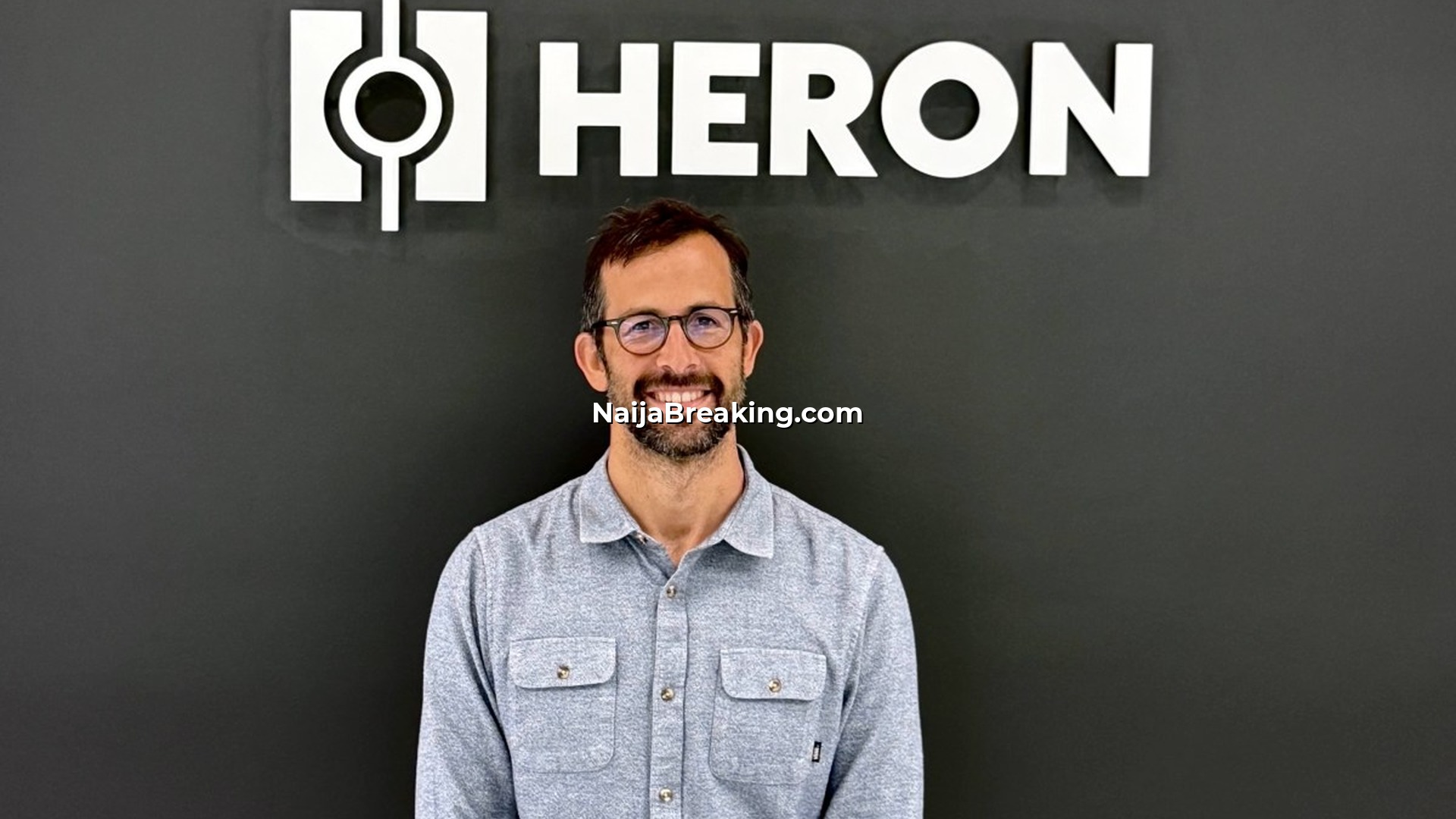
Former Tesla Executive Drew Baglino Launches Heat Pump Startup Sadi Thermal Machines
In a significant move within the global clean energy sector, Drew Baglino, the former senior vice president of Tesla, has quietly founded a heat pump startup called Sadi Thermal Machines, marking his second entrepreneurial venture since departing the electric vehicle and energy storage giant in April 2024. According to TechCrunch’s reporting, this heat pump startup development represents a strategic pivot by one of the automotive industry’s most respected thermal management and energy systems engineers. The founding of Sadi Thermal Machines underscores the growing global emphasis on advanced heating and cooling technologies as countries worldwide, including Nigeria and other African nations, seek to transition away from fossil fuels and embrace renewable energy solutions. Baglino’s expertise in thermal systems, developed over nearly two decades at Tesla, positions this venture as a potentially transformative player in climate technology. For Nigerian readers interested in understanding global tech trends and their eventual local applications, this development signals the direction that energy innovation is heading—toward more efficient, sustainable, and intelligent thermal management systems that could eventually reshape how we approach heating, cooling, and energy consumption across the African continent.
Background
Drew Baglino’s career trajectory demonstrates the kind of deep technical expertise that shapes the future of clean energy technology. Having spent nearly two decades at Tesla, Baglino worked on some of the company’s most critical energy systems, from the original Roadster’s engineering to the development of the Powerwall and Powerpack battery storage systems that have revolutionised energy storage for homes and businesses worldwide. His rise through Tesla’s ranks to the position of senior vice president overseeing core energy technologies—including electric motors, batteries, and power electronics—positioned him as one of the most influential engineers in the electric vehicle and renewable energy sectors. During his tenure at Tesla, Baglino became deeply involved in thermal management systems, the critical technology that keeps electric vehicle batteries and drivetrains operating at optimal temperatures, a challenge that has significant implications for vehicle efficiency, safety, and longevity.
The context for Baglino’s departure from Tesla in April 2024 reflects broader trends within the tech industry, where senior executives with substantial expertise are increasingly launching their own ventures to pursue specific innovations. His exit from Tesla wasn’t abrupt but represented a strategic decision to establish ventures focused on particular technologies he believed held transformative potential. The founding of his first startup, Heron Power, which specializes in solid-state transformers, demonstrated Baglino’s commitment to advancing power electronics and energy distribution technologies. Solid-state transformers represent a paradigm shift in how electrical power is managed and distributed, offering improvements in efficiency, size, and functionality compared to traditional transformer technology.
Nigeria’s energy sector, characterised by significant challenges including inadequate electricity supply, ageing infrastructure, and dependence on fossil fuels, stands to benefit from innovations like those Baglino is pursuing. The World Bank has documented that Nigeria’s power sector challenges affect over 90 million Nigerians without access to reliable electricity, creating urgent demand for advanced energy technologies. Baglino’s background in developing energy systems that improve efficiency and reduce waste suggests that the technologies emerging from his ventures could eventually have applications in African markets, where energy efficiency is critical to economic development and sustainable growth.
Key Details
According to TechCrunch’s investigation, Sadi Thermal Machines was officially formed in June 2025 and operates from a shared headquarters in Scotts Valley, California, alongside Baglino’s other venture, Heron Power. Company filings reviewed by TechCrunch in Delaware and California confirm the startup’s existence and structure. The naming of the company reflects Baglino’s respect for scientific history and the foundational work that enables modern thermal technologies—Sadi is an apparent reference to Nicolas Léonard Sadi Carnot, the pioneering French physicist whose groundbreaking work in thermodynamics established the theoretical foundations for both internal combustion engines and heat pump technology. This naming choice demonstrates the intellectual rigour that Baglino brings to his entrepreneurial endeavours, signalling his commitment to advancing fundamental principles of thermal science.
While detailed information about Sadi Thermal Machines’ specific operations and technology roadmap remains limited, available evidence suggests the startup is developing advanced heat pump systems that leverage sophisticated thermal management expertise. Heat pumps represent one of the most promising technologies for reducing heating and cooling energy consumption globally, with the International Energy Agency estimating that heat pumps could reduce global energy demand from heating and cooling by up to 50 percent by 2050. The startup appears to employ several Tesla alumni, according to reviews of LinkedIn profiles and sources familiar with the company, indicating that Baglino has attracted experienced engineers and technicians who worked with him on Tesla’s thermal management systems. This team composition suggests access to deep expertise in battery thermal management, electric drivetrain cooling, and power electronics—all critical knowledge areas for developing next-generation heat pump technology.
During his tenure at Tesla, Baglino was cited as an inventor on multiple patents related to thermal management, including patents for sophisticated thermal management systems that operate dual coolant loops to independently manage battery and drivetrain component temperatures. One particularly notable patent describes three-way and four-way valves that provide enhanced control over temperature distribution across different vehicle systems, allowing Tesla vehicles to capture waste heat from the traction motor and redirect it for cabin heating or battery conditioning. These innovations exemplify the kind of sophisticated thermal engineering that Baglino’s team developed at Tesla, and such technologies could form the foundation for Sadi Thermal Machines’ product development strategy. The startup’s focus on heat pumps, combined with Baglino’s background in advanced thermal management, suggests the company may be developing heat pump systems that incorporate similar levels of sophistication and efficiency.
Impact and Analysis
The founding of Sadi Thermal Machines carries significant implications for the global clean energy sector, particularly as countries and companies accelerate efforts to decarbonise heating and cooling systems. The European Commission reports that heating and cooling account for approximately 50 percent of final energy consumption in Europe, with similar proportions observed globally, making this sector critical to achieving climate goals outlined in international agreements like the Paris Climate Accord. Baglino’s entry into the heat pump sector with the backing of his Tesla experience suggests that entrepreneurial focus on this technology will likely accelerate innovation and potentially reduce costs, making heat pump technology more accessible and affordable globally. The venture capital community’s keen interest in clean energy technology suggests that funding should be available for Sadi Thermal Machines to execute its research and development roadmap.
From a market perspective, the global heat pump market is projected to grow substantially, with some analysts forecasting compound annual growth rates exceeding 15 percent through the next decade. This growth reflects increasing regulatory pressure in developed markets to phase out fossil fuel-based heating systems, as well as growing consumer awareness about energy efficiency and environmental sustainability. Baglino’s venture enters this expanding market with competitive advantages including access to battery thermal management expertise developed at Tesla, a strong technical team, and a founding executive whose reputation carries weight with investors and industry stakeholders. The heat pump technology sector remains relatively fragmented, with opportunities for innovative entrants to establish significant market positions. Data from the International Energy Agency indicates that achieving net-zero carbon emissions by 2050 requires heat pump deployment rates to increase from current levels of approximately 3 percent in global heating to over 60 percent by 2050, representing enormous growth potential.
Expert Perspectives
Industry analysts and clean energy experts have emphasised the critical importance of heat pump technology for achieving global climate objectives. Dr. Ryan Hledik, senior vice president at research firm The Brattle Group, has stated that “heat pumps represent one of the most cost-effective strategies for reducing building energy consumption and associated carbon emissions,” noting that technological improvements and cost reductions in the sector are necessary to accelerate adoption rates. Similarly, researchers at the Rocky Mountain Institute have highlighted that “advanced thermal management systems will be essential for integrating renewable energy sources into existing heating infrastructure,” particularly as renewable electricity becomes increasingly available. Baglino’s background in developing such systems positions Sadi Thermal Machines to contribute meaningfully to this technological transition.
Within the venture capital community, clean energy technology, particularly technologies that address energy efficiency, remains a priority investment area. Investors recognise that heat pump technology represents a significant opportunity for both climate impact and commercial returns, as regulatory frameworks increasingly incentivise electrification of heating systems. The presence of a seasoned executive with Baglino’s track record launching a heat pump startup signals to the investment community that significant opportunities exist within this sector, potentially catalysing additional capital deployment toward heat pump innovation. Industry watchers anticipate that Sadi Thermal Machines will likely attract funding from climate-focused venture capital firms, strategic investors within the energy sector, and possibly even corporate investors seeking to secure advanced thermal management technology for future applications.
What This Means for Nigerians
While Sadi Thermal Machines currently operates in California, the technological advances emerging from this venture carry important implications for Nigeria and the broader African continent. Nigeria faces significant energy challenges, including inadequate supply of reliable electricity, aging power infrastructure, and dependence on fossil fuels for both electricity generation and thermal applications. According to the National Bureau of Statistics, Nigeria’s electricity sector serves approximately 93 million people with regular access to grid electricity, with the remaining population either relying on diesel generators, solar systems, or without consistent power access. Advanced heat pump technology, if eventually adopted in Nigeria, could improve energy efficiency in residential and commercial heating applications, reduce operational costs for businesses operating in climate-controlled environments, and decrease overall energy demand, thereby reducing strain on the nation’s electricity grid.
For Nigerian entrepreneurs and technology professionals, Baglino’s example demonstrates pathways to entrepreneurship within the clean energy sector, where substantial opportunities exist for innovation and business development. Nigerian universities and technical institutions could benefit from studying the technological approaches that Baglino’s ventures employ, potentially inspiring similar innovation within local contexts. Furthermore, as global clean energy technologies mature and costs decline, Nigerian businesses and government entities may eventually adopt heat pump systems for various applications, from data centres requiring sophisticated cooling systems to commercial buildings and residential facilities. The eventual localisation of such technologies within Nigeria could create employment opportunities, foster technological capabilities within the country’s engineering sector, and contribute to improved energy efficiency across the economy.
The venture also underscores the importance of Nigeria developing its own advanced manufacturing and engineering capabilities. Currently, Nigeria imports most sophisticated technology and equipment, with limited local manufacturing of advanced energy systems. If Nigerian entrepreneurs and engineers were to develop heat pump manufacturing capabilities locally, the country could capture value within the clean energy supply chain while creating employment and building technological expertise. Collaborations between Nigerian institutions and international ventures like Sadi Thermal Machines could facilitate technology transfer and capability development, positioning Nigeria as a manufacturing hub for clean energy technologies serving the African continent.
Conclusion and Outlook
Drew Baglino’s founding of Sadi Thermal Machines represents a significant development within the global clean energy technology sector, reflecting the growing importance of heat pump technology in achieving climate objectives and improving energy efficiency. With nearly two decades of experience at Tesla developing advanced thermal management systems, Baglino brings substantial expertise and credibility to his new venture, positioning Sadi Thermal Machines as a potentially transformative player in heat pump innovation. The startup’s focus on sophisticated thermal management systems, combined with access to experienced Tesla alumni engineers, suggests that the company will likely develop advanced heat pump technologies that incorporate innovative approaches to efficiency and functionality. Looking forward, expect Sadi Thermal Machines to make announcements regarding funding, product development milestones, and potential applications of its technology across various sectors.
For Nigeria and African countries broadly, developments within the clean energy technology sector merit close attention, as technologies emerging from ventures like Sadi Thermal Machines could eventually contribute to addressing the continent’s energy challenges. As heat pump technology matures and costs decline, Nigerian businesses, government entities, and residential consumers may increasingly adopt these systems, driven by rising electricity costs and growing environmental awareness. The opportunity exists for Nigerian entrepreneurs and engineers to engage with such technological developments, potentially establishing local manufacturing capabilities or service companies. Nigerian policymakers should consider how clean energy technology adoption can be accelerated through appropriate regulatory frameworks, investment incentives, and partnerships with international technology developers. The future of Nigeria’s energy sector depends substantially on embracing advanced, efficient technologies that reduce energy consumption and environmental impact while supporting economic development and improved living standards for all Nigerians. Share your thoughts in the comments below.