
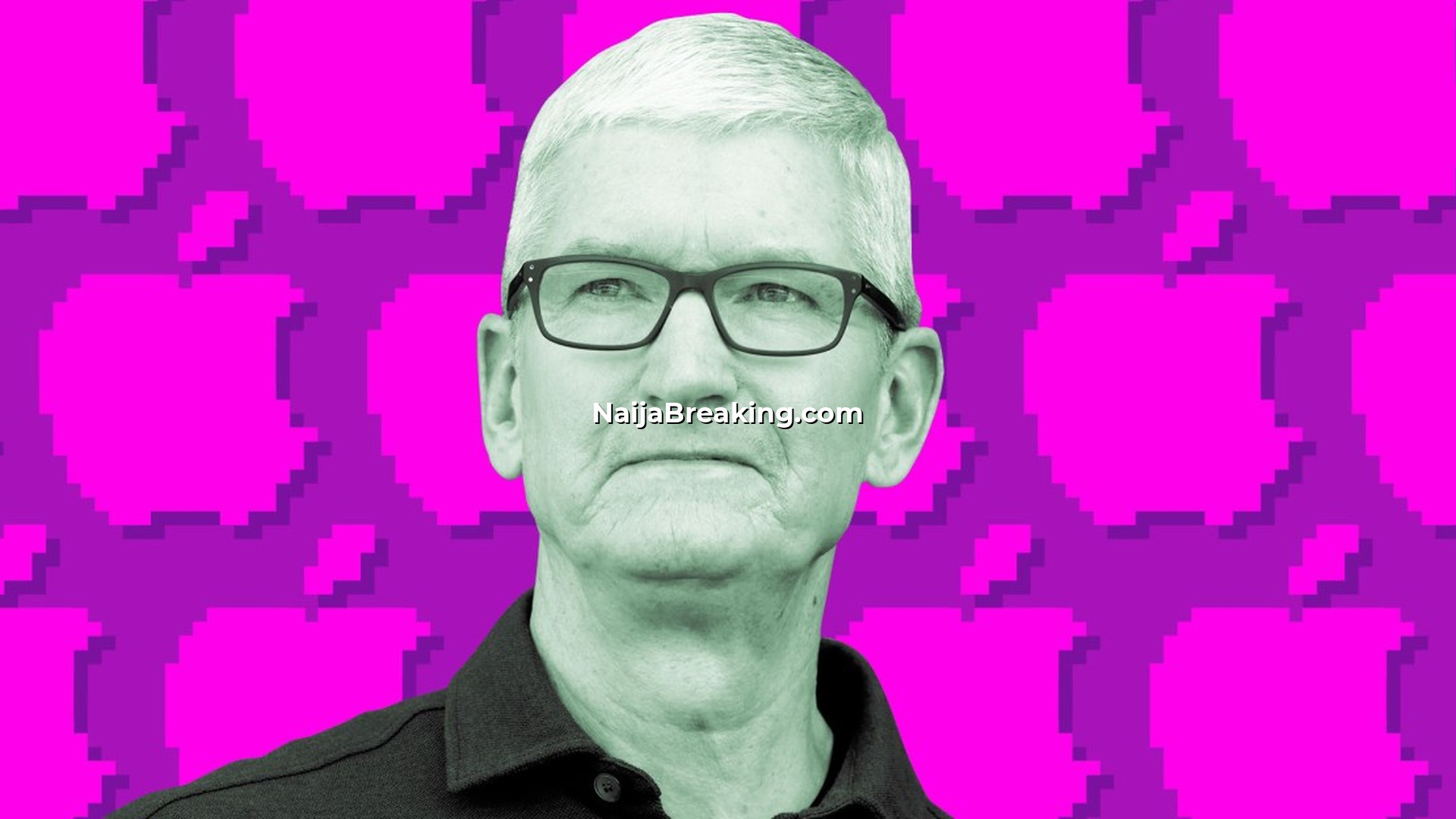
Apple CEO Tim Cook Stepping Down: John Ternus Takes Leadership Helm in Historic Transition
In a significant development that has sent ripples through the global technology sector, Apple CEO Tim Cook stepping down from his position as chief executive officer represents one of the most consequential leadership transitions in recent corporate history. After more than a decade of leading one of the world’s most valuable companies, the tech giant announced that John Ternus, currently serving as Apple’s senior vice president of hardware engineering, will assume the role of CEO on September 1st, 2026. This announcement regarding Apple CEO Tim Cook stepping down marks a pivotal moment not only in the company’s history but also in the broader technology industry landscape, with implications that extend far beyond Silicon Valley into markets across Africa, including Nigeria, where millions of consumers depend on Apple products and services for their daily digital needs and professional endeavors.
Cook will transition into the newly created role of executive chairman, where he will continue to engage with policymakers globally and assist with strategic aspects of the company while maintaining his influence over Apple’s future direction and long-term vision. The decision regarding Apple CEO Tim Cook stepping down comes at a time when Apple faces unprecedented opportunities and challenges in the global technology marketplace, from artificial intelligence integration to market expansion in developing nations. For Nigerian technology enthusiasts, entrepreneurs, and business professionals who rely on Apple’s ecosystem of products and services, understanding this transition is crucial as it may fundamentally shape the company’s approach to emerging markets and product development strategies in the coming years.
Background: Tim Cook’s Leadership Journey and Legacy
Tim Cook assumed the role of Apple CEO in August 2011, following the resignation of legendary founder Steve Jobs, who sadly passed away in October of that same year. Cook’s appointment marked a watershed moment in corporate history, as he became the first non-founder CEO to lead Apple after Jobs’ iconic tenure spanning decades of innovation and market disruption that transformed the technology industry forever. Many analysts and industry observers were skeptical about whether anyone could successfully fill the shoes of Steve Jobs, but Cook’s steady leadership has proven doubters wrong.
Under Cook’s leadership spanning nearly 14 years, Apple has transformed from a company with a market capitalisation of approximately $350 billion in 2011 to one valued at over $3 trillion as of 2024, making it the most valuable publicly traded company in the world. During his tenure, Cook guided Apple through the launch of multiple generations of iPhones, from the iPhone 6 through to the latest iPhone 16 models that continue to dominate global smartphone markets. He oversaw the introduction of the Apple Watch, which revolutionised wearable technology and created an entirely new product category that competitors have struggled to replicate with the same level of polish and integration. The development of AirPods under Cook’s watch created another entirely new product category that generated billions in revenue and redefined the wireless audio market.
Perhaps one of Cook’s most significant achievements was orchestrating the controversial but ultimately successful transition from Intel processors to Apple’s own silicon chips with the M-series processors. This strategic decision required immense technical expertise, supply chain reorganisation, and strategic vision. The transition not only improved device performance and battery life but also gave Apple greater control over its product roadmap and manufacturing processes. This move exemplified Cook’s operational excellence and long-term strategic thinking that has defined his tenure as Apple’s CEO.
Cook’s Strategic Impact on Apple’s Global Operations
Cook’s leadership style emphasised operational excellence, supply chain optimisation, and strategic positioning in emerging markets around the world. He significantly increased Apple’s services revenue, dramatically transforming the company from primarily a hardware manufacturer to a diversified technology and services powerhouse. The services division, which includes Apple Music, Apple TV+, iCloud, Apple News+, and the highly profitable App Store ecosystem, now generates substantial recurring revenue streams that provide financial stability beyond traditional hardware sales.
Under Cook’s direction, Apple expanded its retail presence globally, opened new research and development facilities, and strengthened its commitment to environmental sustainability and corporate social responsibility initiatives. The company invested heavily in battling climate change, using renewable energy in its operations, and implementing ethical sourcing practices for rare minerals and materials used in Apple products. These initiatives resonated with consumers worldwide, including affluent Nigerians who valued brands aligned with their environmental and ethical values.
Cook also navigated Apple through numerous regulatory challenges, including battles with governments over taxation, data privacy, and antitrust issues. His diplomatic skills in dealing with policymakers across different countries helped position Apple advantageously in regulatory discussions. He has been particularly vocal about privacy rights, championing Apple’s encryption policies and user data protection measures, even when they put the company at odds with law enforcement agencies and government bodies worldwide.
Who Is John Ternus? The Next Apple CEO
John Ternus, who will become Apple’s next CEO when Apple CEO Tim Cook stepping down takes effect in September 2026, is a seasoned technology executive with deep expertise in hardware engineering and product development. Currently serving as senior vice president of hardware engineering, Ternus has been instrumental in developing some of Apple’s most important products in recent years. His background in engineering and product design positions him well to lead Apple through the challenges and opportunities of the next era of technology innovation.
Ternus joined Apple from Intel, where he worked on processor design and development, giving him valuable experience in the chip industry before transitioning to Apple’s hardware engineering division. Throughout his tenure at Apple, he has demonstrated a keen understanding of how to integrate hardware, software, and services into cohesive products that deliver exceptional user experiences. His technical credibility within Apple’s engineering teams and his proven track record of delivering flagship products make him an excellent choice to lead the company into the future.
As hardware engineering leader, Ternus oversaw the development of several generations of MacBooks with Apple Silicon, iPad Pro devices, and other critical hardware products. His engineering-first approach complements Cook’s operational and strategic focus, potentially bringing a more product-centric leadership style to Apple’s top office. Industry analysts believe Ternus will continue Cook’s emphasis on innovation while potentially accelerating Apple’s product development cycles and bringing more direct engineering perspectives to executive decision-making.
Implications of Apple CEO Tim Cook Stepping Down for Apple’s Future Direction
The leadership transition represented by Apple CEO Tim Cook stepping down raises important questions about Apple’s strategic direction in the years ahead. Will the company maintain its focus on premium pricing and exclusive market positioning, or might Ternus explore more diverse product lines targeting broader market segments? How will the transition affect Apple’s investment in artificial intelligence, augmented reality, and other emerging technologies that will likely define the next era of consumer electronics?
Industry experts suggest that Ternus is likely to maintain continuity with Cook’s overall strategic vision while potentially emphasising hardware innovation and engineering excellence more directly. The transition may also lead to accelerated development of Apple’s custom silicon chips, potentially expanding their application across more product categories. Additionally, Ternus’s engineering background might result in more ambitious product category innovations, similar to how the Apple Watch and AirPods created entirely new markets under Cook’s leadership.
The timing of this transition, announced well in advance before September 2026, allows for a smooth handover of leadership responsibilities and provides investors and stakeholders with clear visibility into Apple’s leadership structure. This planned succession contrasts sharply with unexpected leadership changes at other major technology companies and demonstrates Apple’s commitment to corporate governance best practices.
Impact on Nigerian Technology Market and African Consumers
For Nigerian consumers and the broader African technology market, the leadership transition involving Apple CEO Tim Cook stepping down carries significant implications. Nigeria represents one of Africa’s largest and most important technology markets, with a growing middle class increasingly adopting premium technology products. Apple has steadily expanded its presence in Nigeria through authorized retailers, service centres, and online distribution channels.
Cook’s tenure saw Apple begin seriously courting African markets, recognising the continent’s growing purchasing power and digital innovation potential. Nigerian entrepreneurs, professionals, and students have embraced Apple products at increasing rates, with iPhones, MacBooks, and iPads becoming status symbols and essential productivity tools. Apple’s App Store has become a significant platform for Nigerian developers and entrepreneurs to reach global audiences and generate revenue.
Under Ternus’s leadership, Apple may continue this expansion into African markets, or it might pursue different strategies. Nigerian tech enthusiasts are keenly interested in how the company’s approach to emerging markets might evolve. Will Apple introduce more entry-level products targeting price-sensitive consumers in Nigeria and other African nations? Or will the company maintain its premium positioning while expanding its services offerings?
The timing of Apple CEO Tim Cook stepping down also comes as African economies face both opportunities and challenges. Nigeria’s growing tech sector includes thousands of developers, designers, and entrepreneurs who depend on Apple platforms for their livelihoods. The company’s decisions regarding pricing, product availability, and support infrastructure directly impact these communities. Ternus’s technical background may lead to greater investment in developer tools and services that could benefit Nigerian and African tech entrepreneurs.
Continuity and Change: What to Expect from the Transition
While Apple CEO Tim Cook stepping down represents significant change, industry analysts expect considerable continuity in Apple’s fundamental strategic direction. Cook will remain engaged as executive chairman, providing guidance and maintaining relationships with government officials and industry partners worldwide. This arrangement allows for a gradual transition rather than an abrupt change in leadership philosophy and strategy.
The executive chairman role that Cook assumes after Apple CEO Tim Cook stepping down takes effect will likely involve significant responsibilities in areas including government relations, strategic partnerships, and long-term vision setting. Cook has proven invaluable in navigating complex regulatory environments globally, from European data protection laws to Chinese market dynamics. His continued involvement in these areas through the executive chairman position could provide stability during the leadership transition.
Ternus, as the new CEO, will likely focus more directly on product development, engineering excellence, and operational execution. This division of responsibilities could prove advantageous, allowing Ternus to concentrate on innovation and product quality while Cook continues managing government relationships and strategic initiatives. The arrangement reflects best practices in corporate governance, where clear role delineation prevents confusion and enables optimal performance from leadership.
Conclusion: A New Era for Apple and Global Technology Leadership
The announcement that Apple CEO Tim Cook stepping down in September 2026 marks the end of an era and the beginning of a new chapter in Apple’s storied history. Cook’s 14-year tenure saw Apple grow to unprecedented valuations, expand into new product categories, and strengthen its services ecosystem. His successor, John Ternus, brings deep engineering expertise and a proven track record of delivering innovative hardware products.
For Nigerian consumers, technology professionals, and entrepreneurs, this transition presents both continuity and opportunity. Apple’s increased focus on engineering excellence under Ternus could translate to better products, while Cook’s continued involvement through the executive chairman role suggests stability in the company’s strategic direction. As Africa continues to emerge as an important technology market, how Apple evolves under new leadership will significantly impact opportunities and experiences for millions of Nigerian users.
The decision regarding Apple CEO Tim Cook stepping down demonstrates Apple’s commitment to planned succession and corporate governance. By announcing the transition years in advance, the company provides certainty to investors, employees, and customers about its future leadership and direction. Whether you’re an Apple shareholder, a technology enthusiast in Lagos, a developer building innovative apps, or simply a consumer relying on iPhone, Mac, or other Apple devices, this leadership transition will shape your experience with the company for years to come. The next chapter of Apple’s story, beginning with John Ternus’s assumption of the CEO role in September 2026, promises to be as exciting and transformative as the Cook era that precedes it.


