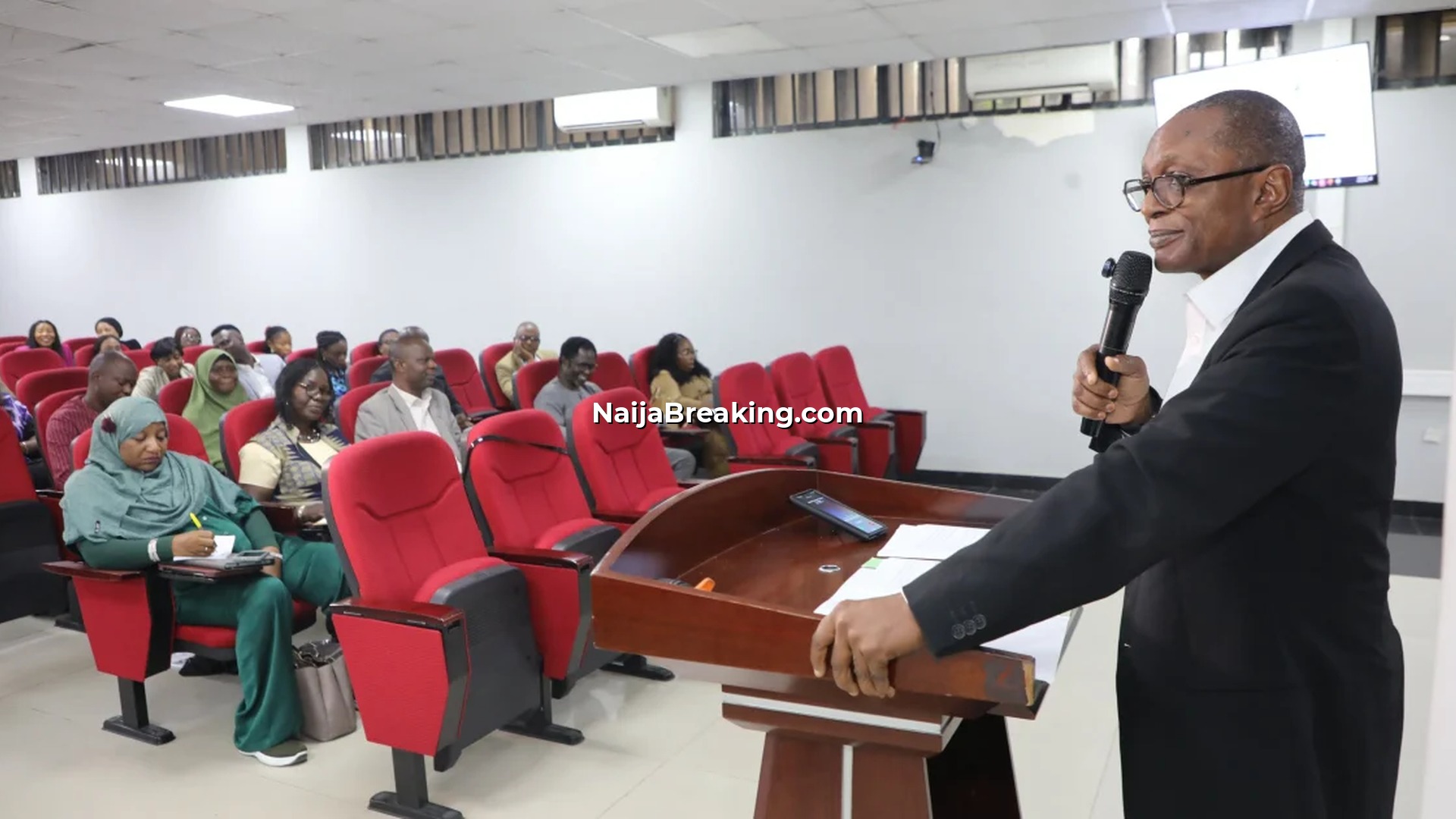
The political landscape of Lagos State has witnessed another significant development as former Peoples Democratic Party (PDP) governorship aspirant, Funso Doherty, officially announces his defection to the African Democratic Congress (ADC) ahead of the Lagos governorship 2027 elections. This strategic move signals intensifying political realignments as various stakeholders position themselves for what promises to be a highly competitive electoral contest in Nigeria’s commercial capital.
Doherty’s declaration, made on Friday at the Freedom Park Old Prison Ground in the presence of party members and supporters, represents more than just a party switch—it embodies a renewed vision for transforming Lagos State’s governance structure and addressing the mounting challenges facing its over 20 million residents. As the Lagos governorship 2027 campaign season approaches, this development adds another dimension to what is expected to be one of the most watched gubernatorial races in Nigeria’s political history.
The Political Defection: From PDP to ADC
Funso Doherty’s transition from the PDP to ADC marks a significant shift in Lagos State’s political dynamics. The former PDP governorship aspirant’s decision to align with the African Democratic Congress demonstrates the evolving nature of Nigerian politics, where politicians increasingly prioritize platforms that best align with their vision over traditional party loyalties. This strategic repositioning ahead of the Lagos governorship 2027 contest reflects careful political calculation and genuine ideological alignment.
During his declaration ceremony, Doherty emphasized that his decision to contest the Lagos governorship 2027 election stemmed from his observation that “the state’s system that nurtured him was decaying and needed urgent fixing.” This statement reflects a growing sentiment among Lagos residents who feel disconnected from the benefits of the state’s massive economic growth. The timing of this announcement, coming well ahead of the electoral calendar, demonstrates Doherty’s commitment to building a sustainable campaign structure for the Lagos governorship 2027 race.
The ADC, as a relatively newer political platform, offers Doherty an opportunity to present fresh ideas without the baggage often associated with established parties. This strategic positioning could appeal to younger voters and those seeking alternatives to the dominant political narratives that have shaped Lagos State for over two decades. Political analysts suggest that the Lagos governorship 2027 election might witness unprecedented competition among alternative parties, making ADC’s platform particularly attractive to aspirants like Doherty.
Doherty’s Vision for Lagos State Transformation
Addressing Economic Inequality and Resource Distribution
Central to Doherty’s campaign message for the Lagos governorship 2027 election is the stark inequality that characterizes modern Lagos. Despite the state’s impressive N4 trillion budget for 2026, he argues that the benefits remain concentrated among a privileged few while the majority struggle with basic necessities. His observation that Lagos is “being governed to offer a great deal for a very few and very little for most” resonates with many residents who witness the contrast between affluent areas like Banana Island and sprawling informal settlements.
This critique touches on a fundamental challenge facing not just Lagos but many rapidly developing African cities—how to ensure that economic growth translates into improved living standards for all residents. According to the Brookings Institution’s research on African cities, urban centers like Lagos must balance development with inclusive growth to avoid widening inequality gaps. Doherty’s approach to the Lagos governorship 2027 campaign emphasizes redistribution of resources and opportunities across all local government areas.
The gubernatorial hopeful’s economic vision extends beyond mere wealth redistribution to include job creation initiatives targeting youth employment. With Lagos State hosting over 60% of Nigeria’s industrial capacity, Doherty proposes leveraging this advantage to create sustainable employment opportunities that align with his Lagos governorship 2027 campaign promises. His economic blueprint includes supporting small and medium enterprises (SMEs), enhancing access to credit facilities, and creating innovation hubs across the state’s five divisions.
Educational System Overhaul
Education emerges as a cornerstone of Doherty’s proposed reforms for the Lagos governorship 2027 campaign platform. His agenda emphasizes the need to “set high standards for our schools and give them the resources they need to succeed,” recognizing that educational investment forms the foundation of sustainable development. The governorship hopeful’s focus on both basic education and technical/vocational training reflects an understanding of diverse pathways to economic empowerment.
Lagos State’s educational challenges are well-documented, with overcrowded classrooms, inadequate infrastructure, and teacher shortages affecting public schools. Doherty’s promise to invest in “strong, free, and quality early and basic education” alongside technical and vocational programs addresses these systemic issues head-on. His Lagos governorship 2027 education agenda includes modernizing curriculum to reflect 21st-century skills, improving teacher welfare, and establishing partnerships with private sector organizations for practical training opportunities.
The educational component of Doherty’s Lagos governorship 2027 platform also emphasizes digital literacy and technological integration. Recognizing Lagos State’s position as Nigeria’s technology hub, he proposes establishing computer centers in every ward, providing internet access to all public schools, and creating coding bootcamps for young people. These initiatives align with global trends toward digital transformation while addressing local employment needs in the technology sector.
Healthcare System Enhancement
Healthcare represents another critical pillar of Doherty’s vision for Lagos State, forming a significant component of his Lagos governorship 2027 campaign strategy. He acknowledges the strain on existing healthcare infrastructure, particularly in densely populated areas where doctor-to-patient ratios remain woefully inadequate. His healthcare agenda proposes strengthening primary healthcare centers, improving emergency medical services, and ensuring affordable healthcare access for all residents.
The COVID-19 pandemic exposed vulnerabilities in Lagos State’s healthcare system, despite being relatively better equipped than other Nigerian states. Doherty’s Lagos governorship 2027 healthcare agenda includes establishing specialized medical centers, improving disease surveillance systems, and creating health insurance schemes that cover informal sector workers who constitute a significant portion of the state’s population.
Political Dynamics and Electoral Prospects
ADC’s Growing Influence in Lagos Politics
Doherty’s decision to join ADC reflects the party’s growing influence in Lagos State politics, particularly among voters seeking alternatives to traditional political establishments. The party’s performance in previous elections, while modest, demonstrated potential for growth with the right candidates and campaign strategies. For the Lagos governorship 2027 election, ADC’s platform offers Doherty the flexibility to craft messages that resonate with diverse constituencies without being constrained by established party positions.
The ADC’s organizational structure in Lagos State has been strengthening over recent years, with increased membership registration and improved grassroots presence. This foundation provides Doherty with a launching pad for his Lagos governorship 2027 ambitions, offering established party machinery while allowing for fresh campaign narratives. Political observers note that third-party candidates often bring innovative approaches to campaign messaging and voter engagement, potentially disrupting established political patterns.
Challenges and Opportunities Ahead
The Lagos governorship 2027 election presents both significant challenges and unique opportunities for Doherty’s candidacy. Lagos State’s complex political landscape, dominated by established parties with extensive resources and organization, requires innovative campaign strategies and strong grassroots mobilization. However, growing voter fatigue with traditional political narratives creates openings for candidates who can articulate compelling alternatives.
Doherty’s business background and professional experience provide credibility for his economic development proposals, potentially appealing to voters concerned about job creation and business growth. His emphasis on inclusive development addresses concerns raised by many Lagos residents who feel excluded from the state’s economic progress. For the Lagos governorship 2027 race, these credentials could differentiate his candidacy from career politicians who may struggle to connect with economic realities facing ordinary citizens.
The challenge lies in translating policy proposals into voter mobilization across Lagos State’s diverse constituencies. With over 6 million registered voters spread across 20 local government areas, the Lagos governorship 2027 election requires comprehensive campaign strategies that address urban and suburban concerns while maintaining consistent messaging. Doherty’s ADC platform must demonstrate organizational capacity to compete with established parties’ electoral machinery.
Implications for Lagos State’s Political Future
Emerging Political Realignments
Doherty’s party switch represents broader political realignments occurring across Nigeria as politicians and voters reassess traditional party loyalties. The Lagos governorship 2027 election may witness increased competition among alternative parties, potentially disrupting established political dominance patterns. These developments reflect evolving democratic expectations among younger voters who prioritize performance over party affiliation.
The timing of Doherty’s declaration, coming several years before the actual election, suggests strategic planning aimed at building sustainable political structures. This approach contrasts with last-minute party switches common in Nigerian politics, indicating serious commitment to the Lagos governorship 2027 contest. Such early positioning allows for extensive grassroots engagement and policy development, potentially setting new standards for gubernatorial campaigns.
Policy Innovation and Governance Reform
Beyond electoral competition, Doherty’s candidacy for the Lagos governorship 2027 race introduces policy discussions that could influence governance approaches regardless of election outcomes. His emphasis on inclusive development, educational reform, and healthcare improvement reflects contemporary governance challenges requiring innovative solutions. These policy proposals may prompt other candidates to develop more comprehensive platforms addressing similar issues.
The focus on systemic reform rather than cosmetic changes positions the Lagos governorship 2027 election as potentially transformative for state governance. Doherty’s critique of existing resource distribution patterns challenges voters to consider fundamental questions about development priorities and governance accountability. Such discussions contribute to democratic discourse quality and may influence policy implementation even before elections occur.
Conclusion: A New Chapter in Lagos Politics
Funso Doherty’s defection to ADC and his declared intention to contest the Lagos governorship 2027 election represents more than individual political ambition—it symbolizes evolving expectations for democratic representation and governance effectiveness. His platform addresses genuine concerns about inequality, educational inadequacy, and healthcare challenges while proposing concrete solutions grounded in practical experience.
As the Lagos governorship 2027 campaign season approaches, Doherty’s candidacy adds intellectual depth and policy innovation to political discourse. Whether his vision translates into electoral success remains to be determined, but his early entry into the race ensures that issues of inclusive development, educational reform, and healthcare improvement will feature prominently in campaign discussions.
The significance of this political development extends beyond party politics to encompass broader questions about Lagos State’s future direction. The Lagos governorship 2027 election may serve as a referendum on existing governance approaches while providing opportunities for fresh perspectives on persistent challenges. Doherty’s candidacy, regardless of its ultimate success, contributes to democratic vitality by ensuring competitive elections and substantive policy debates that benefit all Lagos residents.