Rule of Law and 2027 Elections: Kano Governor’s Call for Lawyers to Defend Nigeria’s Democracy
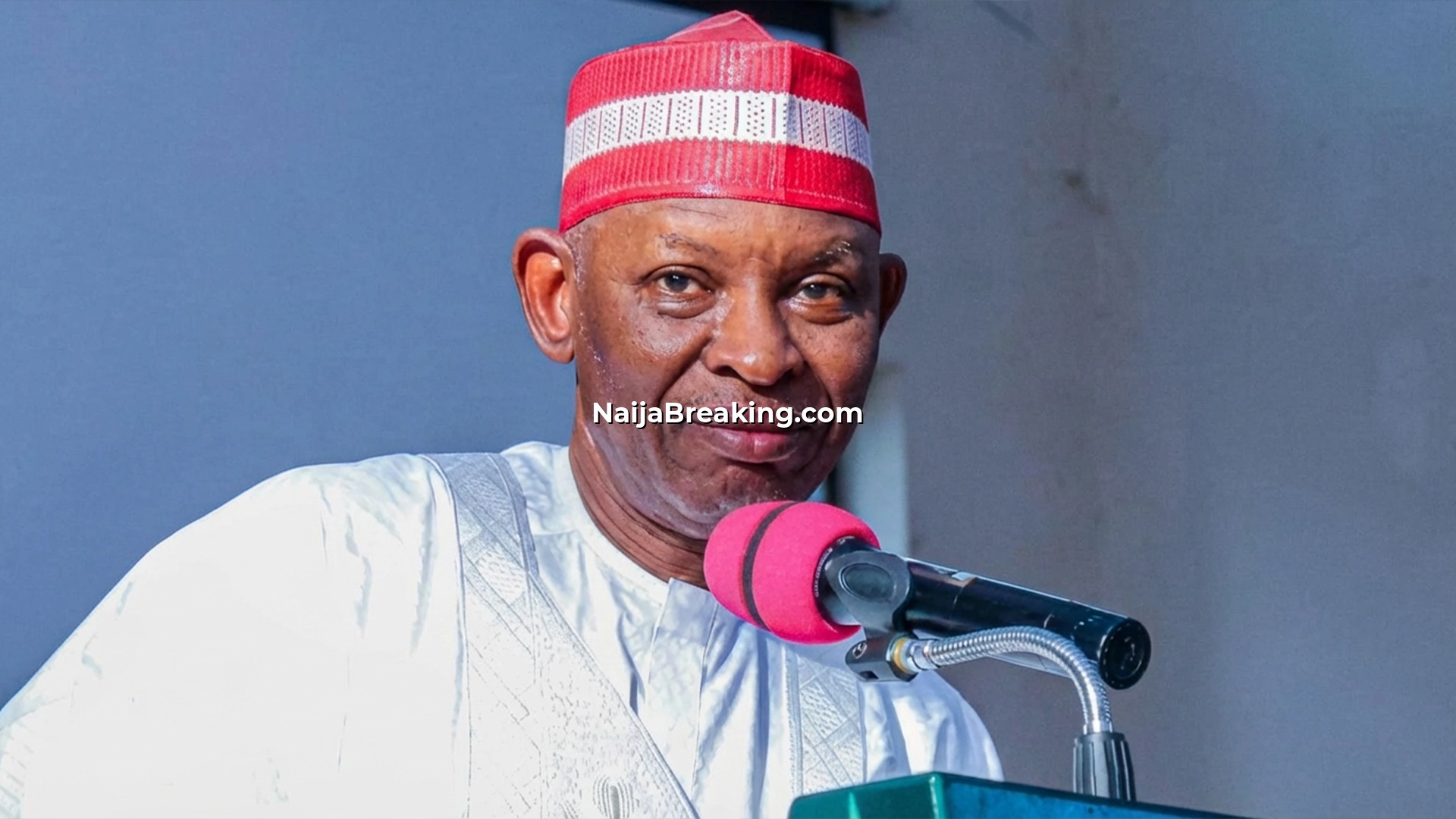
Kano State Governor Alhaji Abba Kabir Yusuf has issued a clarion call to Nigeria’s legal profession to become the custodians of democratic integrity ahead of the 2027 general elections. In his powerful address at the Second Annual Summit of the Arewa Young Lawyers’ Forum held in Kano, the governor emphasised that the rule of law and 2027 elections represent the nexus point where Nigeria’s democratic future will be determined. Governor Yusuf articulated a comprehensive vision where Nigeria’s lawyers play a proactive and constitutionally mandated role in ensuring that the rule of law and 2027 elections represent a turning point for democratic governance in Africa’s most populous nation. His remarks underscore a growing recognition among Nigeria’s political and institutional leadership that the integrity of the coming electoral cycle depends not just on electoral commissioners and security agencies, but fundamentally on the lawyers who will navigate the pre-election, election-day, and post-election legal terrain with unwavering integrity and professional commitment. This call to action represents more than mere political rhetoric; it signals a deliberate institutional strategy to strengthen the legal architecture supporting democratic processes.
The emphasis on the rule of law during the 2027 elections carries particular significance for Nigeria’s business community, which has repeatedly cited electoral uncertainty and judicial unpredictability as major headwinds for investment and economic growth. With the 2027 presidential race already taking shape—and given the contentious nature of the 2023 election cycle and its protracted litigation—the governor’s emphasis on judicial independence and professional integrity speaks to a critical institutional anxiety: whether Nigeria’s courts will be seen as impartial arbiters or as extensions of political power. The call comes at a moment when international investors are watching closely whether Nigeria can demonstrate institutional maturity and predictability, two factors that directly impact Foreign Direct Investment (FDI), credit ratings, and the Naira’s stability in foreign exchange markets. For Nigeria to attract the estimated $20-30 billion in annual FDI needed to meet its development targets, the rule of law and 2027 elections must demonstrate that democratic institutions can withstand political pressure while maintaining their constitutional integrity. This economic imperative makes the governor’s call particularly timely and strategically important for the nation’s development trajectory.
Understanding the Context: Electoral History and Judicial Challenges in Nigeria
Nigeria’s electoral history has long been shadowed by disputes, contentions, and protracted legal battles that have tested the nation’s institutional resilience. Post-election litigation has become as much a part of the democratic cycle as campaigning itself, reflecting deep-seated concerns about the credibility and legitimacy of electoral outcomes. The 2023 general elections, which brought President Bola Tinubu to power following a narrowly contested presidential vote, saw the opposition petition the Supreme Court for nearly a year, culminating in the apex court’s September 2023 judgment upholding Tinubu’s victory. That protracted legal battle—which consumed enormous resources, created institutional uncertainty, and delayed critical policy implementation—exposed significant vulnerabilities in how Nigeria’s judiciary handles electoral matters when subjected to intense political pressure. The case also revealed how easily electoral disputes can become vehicles for political actors to challenge results they find unfavourable, regardless of substantive merit, thereby undermining public confidence in both electoral and judicial institutions.
The 2023 electoral litigation saw the opposition parties, primarily the Peoples Democratic Party (PDP) and its presidential candidate Atiku Abubakar, challenge the election results on grounds including violation of electoral laws, mathematical impossibilities in the vote tallies, and alleged irregularities in the conduct of the election. The Supreme Court’s eventual dismissal of these petitions—while upholding Tinubu’s victory—came only after months of hearings, multiple adjournments, and widespread public anxiety about whether the rule of law and 2027 elections could be safeguarded. This experience demonstrated that Nigeria’s judiciary, while ultimately delivering a judgment, had been tested in ways that raised questions about institutional independence and the capacity to maintain judicial legitimacy under extreme political duress. As Nigeria approaches the 2027 elections, there is palpable concern that similar disputes could emerge, potentially creating an even more fractious political environment if the rule of law and 2027 elections are not anchored on stronger institutional foundations.
Beyond the 2023 presidential election, Nigeria’s state and local elections have also been marred by litigation. The 2023 gubernatorial elections in states like Lagos, Rivers, Kano, and Enugu saw candidates challenging results in court, leading to years of legal battles that determined rightful winners through judicial pronouncements rather than the ballots of voters. In some cases, these judicial interventions overturned initial election commission results, raising questions about both the competence of electoral administrators and the wisdom of allowing courts to effectively re-run elections through litigation. These patterns have created a governance crisis where elected officials spend significant portions of their tenures defending their mandates in court rather than focusing on development, policy implementation, and public service. For the rule of law and 2027 elections to function differently, there must be deliberate institutional interventions that strengthen both electoral administration and judicial processes.
The Kano Governor’s Vision: Strengthening the Rule of Law and 2027 Elections
Governor Yusuf’s call for lawyers to champion the rule of law and 2027 elections reflects a sophisticated understanding of how democratic institutions must be protected. By appealing directly to the legal profession—rather than to politicians, security agencies, or electoral officials—the governor identified the group that possesses both the technical expertise and the constitutional mandate to defend democratic values. Lawyers, as officers of the court and custodians of the rule of law and 2027 elections framework, occupy a unique position in Nigeria’s institutional ecosystem. They are simultaneously members of the political class (many are active politicians), officers of the court system (bound by professional ethics), and advocates for specific clients or interests. This multi-faceted role makes the legal profession uniquely positioned to influence how the rule of law and 2027 elections are understood and protected.
The governor’s address at the Arewa Young Lawyers’ Forum was strategically significant because young lawyers represent the future of Nigeria’s legal profession. These are the attorneys who will litigate electoral disputes, advise political parties, represent candidates, serve as electoral observers, and potentially sit on the bench as judges in cases arising from the 2027 elections. By directly engaging this cohort and emphasizing their professional responsibilities, Governor Yusuf sought to shape the ethical framework within which the rule of law and 2027 elections will be adjudicated. The generational approach is particularly important because it suggests that ensuring the rule of law and 2027 elections succeed is not merely the responsibility of senior justices or established legal luminaries, but of the entire profession at all levels of seniority and practice.
The governor articulated several key themes in his address that warrant detailed examination. First, he emphasized that lawyers must maintain professional independence and resist political pressure to compromise judicial or legal integrity. Second, he highlighted that the rule of law and 2027 elections are interconnected—that fair elections depend fundamentally on a legal system that operates according to predictable, constitutional principles rather than political expediency. Third, he urged the legal profession to adopt a patriotic mindset, understanding that their professional conduct during the 2027 electoral cycle will reverberate far beyond the courtroom, affecting Nigeria’s international standing, investment climate, and democratic legitimacy. This framing transforms the role of lawyers from mere technical professionals to what might be called “institutional guardians” of democracy.
Judicial Independence: The Foundation for the Rule of Law and 2027 Elections
At the heart of Governor Yusuf’s message lies a fundamental concern about judicial independence—the notion that courts must be free from political interference or pressure when adjudicating cases, including those arising from electoral disputes. Judicial independence is a cornerstone of the rule of law, and it becomes particularly crucial when courts are called upon to resolve electoral contests where powerful political actors have substantial interests at stake. The 2023 election litigation created instances where judicial independence was questioned. Some observers suggested that the apex court’s ruling reflected political considerations rather than purely legal analysis, while others countered that the court had appropriately upheld the integrity of the electoral process. Regardless of one’s assessment of the 2023 Supreme Court decision, the mere fact that such questions arose demonstrated vulnerabilities in how Nigeria’s judiciary manages electoral cases.
For the rule of law and 2027 elections to be strengthened, Nigeria’s courts must operate with demonstrable independence. This requires several institutional reforms and commitments. First, there must be transparent appointment processes for judges, particularly those who will handle electoral cases, ensuring that judicial selection is based on merit, integrity, and competence rather than political loyalty. Second, judges handling electoral matters must recuse themselves from cases where there are reasonable grounds for suspecting bias or political partiality. Third, the judiciary must have adequate resources—facilities, staff, research support—to thoroughly investigate and adjudicate electoral disputes without pressure to rush to judgment. Fourth, there must be protection for judges against political retaliation or intimidation that might discourage them from ruling according to law rather than political preferences.
The rule of law and 2027 elections also require that courts have the courage to enforce electoral laws consistently and fairly, even when doing so means ruling against politically powerful actors. This is particularly challenging in Nigeria’s context, where political power often translates into capacity to reward or punish judges through various mechanisms—including promotion, resources allocation, budget allocation to courts, and public support or criticism. Creating a judicial system resilient to such pressures requires more than just exhorting judges to be independent; it requires structural reforms, institutional incentives, and professional norms that make judicial independence the expected and respected norm rather than the exception.
Electoral Integrity and the Role of Legal Professionals
Electoral integrity encompasses multiple dimensions, including the proper conduct of voter registration, polling, vote counting, and results collation. Lawyers and legal professionals can contribute significantly to ensuring electoral integrity during the 2027 elections. One critical role involves election observation and monitoring. Bar associations, law societies, and individual lawyers can serve as election observers, bringing professional expertise to assess whether electoral processes comply with legal requirements and democratic norms. This role requires lawyers who understand electoral law intimately and who possess the professional credibility to provide authoritative assessments of electoral conduct.
Another vital role involves pre-election legal advisory services. Political parties, candidates, and electoral officials all need legal guidance on their rights and obligations under the electoral law. Lawyers can provide this guidance in ways that promote compliance with the law, reduce disputes based on misunderstanding of legal requirements, and help all stakeholders understand the rule of law and 2027 elections framework within which they must operate. Additionally, lawyers can contribute to capacity building for electoral officials, ensuring that those administering elections understand their legal obligations and the procedures they must follow to ensure that the rule of law and 2027 elections are strengthened.
Furthermore, the legal profession can contribute to developing clearer, more accessible electoral law. Nigeria’s electoral legal framework, embodied primarily in the Electoral Act 2022, contains provisions that are sometimes ambiguous or subject to multiple interpretations. Lawyers working with legislative bodies can help clarify these provisions, reducing opportunities for disputes based on legal ambiguity. When the rule of law and 2027 elections are anchored in clear, accessible legal standards, stakeholders are better able to understand their rights and obligations, and courts are better positioned to adjudicate disputes based on unambiguous legal principles rather than competing interpretations of murky provisions.
Democracy’s Future: The Broader Stakes in the Rule of Law and 2027 Elections
The stakes in ensuring that the rule of law and 2027 elections are strengthened extend far beyond the immediate question of who wins electoral contests. At a deeper level, the question concerns whether Nigeria’s democratic system can function with sufficient credibility to command popular legitimacy and international respect. Democratic systems derive legitimacy not primarily from the outcomes they produce (different people prefer different candidates), but from the fairness and impartiality of the processes through which outcomes are determined. When significant portions of the electorate question whether elections were conducted fairly and legal disputes were resolved impartially, the entire democratic system loses legitimacy, creating risks of political violence, institutional breakdown, and authoritarian temptation.
Nigeria has experienced democratic governance for 24 consecutive years (1999-2023), an achievement that required institutions to withstand various pressures and challenges. However, this democratic trajectory is not guaranteed to continue. If the 2027 elections are disputed and the rule of law framework is unable to resolve disputes in ways that command public confidence, there is risk of cascading institutional failures. Conversely, if the 2027 elections demonstrate that Nigeria’s democratic and legal institutions can deliver credible, fair electoral processes and impartial dispute resolution, this will significantly strengthen public confidence in democratic governance and may establish precedents that strengthen democratic practice in subsequent election cycles.
Governor Yusuf’s call for lawyers to champion the rule of law and 2027 elections should therefore be understood not as a narrow request that legal professionals do their jobs, but as an urgent appeal that the legal profession recognize the existential stakes of the coming electoral cycle. Lawyers who conduct themselves with integrity, who resist political pressure, and who prioritize legal principles over political preferences during the 2027 elections will be making an invaluable contribution not just to democratic governance but to Nigeria’s broader institutional development and international standing.
Practical Steps for Strengthening the Rule of Law and 2027 Elections
While Governor Yusuf’s clarion call is inspiring, translating his vision into reality requires concrete institutional steps. Several practical measures can strengthen the rule of law and 2027 elections framework. First, bar associations and law societies should establish specialized committees focused on electoral law, ensuring that the legal profession maintains expertise in this crucial area. Second, law schools should strengthen their electoral law curricula, ensuring that future generations of lawyers graduate with deep understanding of electoral principles and processes. Third, the judiciary should establish specialized electoral courts or divisions staffed by judges with demonstrated expertise and commitment to impartial adjudication. Fourth, international legal organizations and domestic civil society should establish monitoring mechanisms for tracking judicial conduct in electoral cases, creating accountability for judges who allow political considerations to influence their decisions.
Fifth, the legal profession should develop and publicize ethical guidelines for lawyers involved in electoral matters, clarifying expectations regarding professional conduct during the 2027 elections. Sixth, there should be robust protection mechanisms for judges and lawyers who come under pressure to compromise their professional integrity, including security arrangements, protection from retaliation, and professional support. Seventh, pre-election dispute resolution mechanisms should be strengthened, potentially including alternative dispute resolution (ADR) procedures that allow electoral disputes to be resolved more quickly and with less acrimony than court litigation. These practical steps would give substance to the rule of law and 2027 elections principle that Governor Yusuf articulated.
Conclusion: The Lawyer’s Responsibility in Defending Democracy
Governor Alhaji Abba Kabir Yusuf’s address to the Arewa Young Lawyers’ Forum represented more than a ceremonial occasion for a political leader to commend professionals. It constituted a serious institutional call for the legal profession to understand its crucial role in protecting Nigeria’s democratic future. The rule of law and 2027 elections are not abstract concepts but practical realities that will determine whether Nigeria’s democracy survives and strengthens or whether it faces serious challenges. Lawyers, as custodians of legal principles and professional ethics, possess both the responsibility and the capacity to influence these outcomes through their conduct, professional choices, and commitment to principle over political pressure.
The coming years leading to the 2027 elections will test Nigeria’s democratic institutions in profound ways. Electoral disputes seem inevitable given Nigeria’s history and the stakes involved in presidential elections. What is not inevitable is how these disputes will be resolved. If the legal profession rises to the challenge—if lawyers conduct themselves with integrity, if courts adjudicate disputes according to law rather than politics, if the rule of law and 2027 elections framework commands respect across political divides—then Nigeria can enter a new phase of democratic consolidation. Conversely, if legal institutions are compromised by political pressure, if the rule of law and 2027 elections are subordinated to political convenience, then Nigeria risks serious democratic setbacks with potentially profound consequences for stability, development, and international standing.
Governor Yusuf’s message should resonate powerfully with every member of Nigeria’s legal profession. The challenge before Nigeria’s lawyers is not merely to practice their profession competently, but to practice it in ways that serve the higher cause of democratic governance and constitutional rule. This is the true meaning of ensuring that the rule of law and 2027 elections represent a turning point for democratic practice in Nigeria. The responsibility rests squarely on the shoulders of the legal profession, and the moment for action is now.