Accord Party Presidential Row: Hashim’s Legal Challenge Signals Deeper Cracks in Nigerian Party Politics
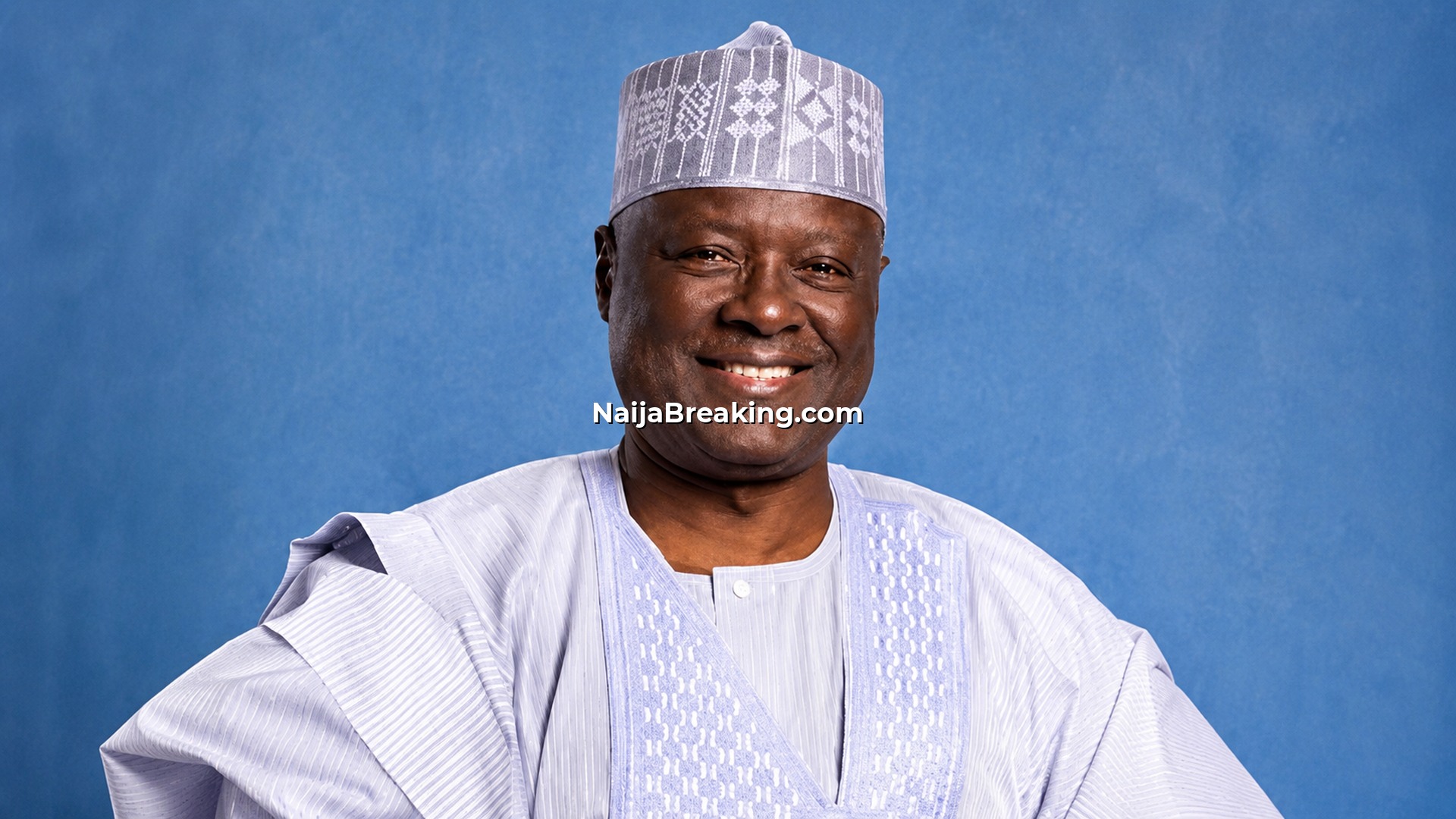
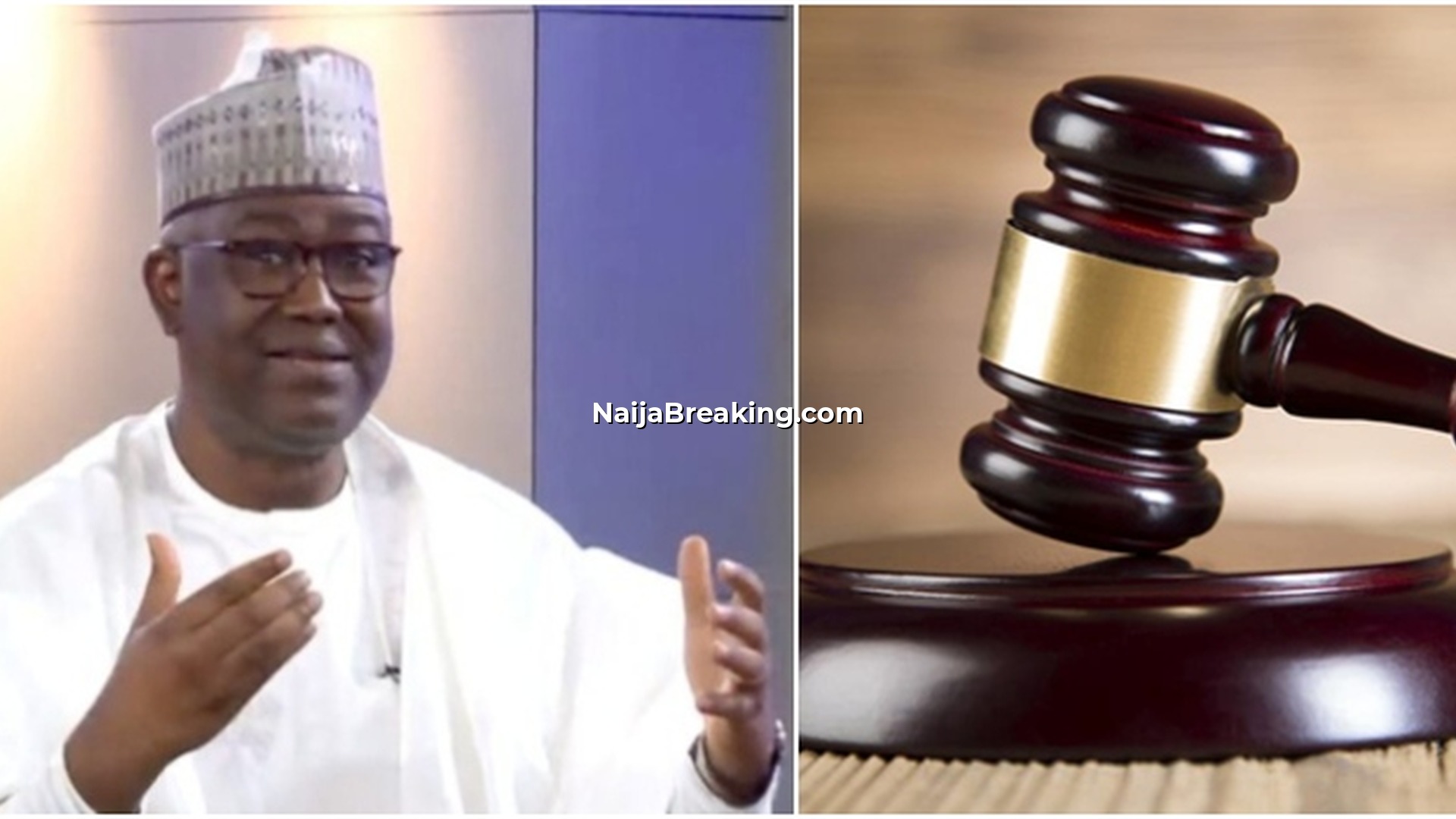
A festering dispute within the Accord Party has erupted into open court warfare, with presidential aspirant Gbenga Hashim challenging both his party and the Independent National Electoral Commission (INEC) in what promises to be a defining case for Nigeria’s 2027 election cycle. The Accord Party presidential candidate lawsuit, scheduled for substantive hearing on July 14 before Justice Mohammed Umar at the Federal High Court in Abuja, represents far more than a single candidate’s grievance—it exposes fundamental weaknesses in how Nigeria’s political parties manage internal democracy and comply with electoral regulations. Hashim’s claims that the Accord Party failed to provide clear guidelines for its primary election and subsequently refused to submit his name to INEC despite his victory touches on issues that have plagued Nigerian politics for decades: the absence of transparent internal party processes, selective adherence to Electoral Act provisions, and the vulnerability of candidates to party machine manipulation. For ordinary Nigerians watching the 2027 general election take shape, this case matters because it will either strengthen or further weaken the institutional safeguards meant to ensure that political parties field candidates through legitimate, rule-governed processes rather than back-room deals and executive caprice.
Background
Nigeria’s political party system has wrestled with internal democracy deficits since the return to civilian democracy in 1999. The Fourth Republic has witnessed repeated cases of party leaderships overruling primary election results, imposing candidates on party members, and engaging in what amounts to institutional fraud—declaring winners who never won and ignoring legitimate primary victors. The Accord Party itself is a relative newcomer to Nigeria’s competitive political space, having gained prominence only in recent election cycles as opposition-minded citizens sought alternatives to the ruling All Progressives Congress (APC) and the largest opposition Peoples Democratic Party (PDP). Unlike these two behemoths with entrenched internal bureaucracies and clearer (if still imperfect) party constitutions, smaller parties like Accord have often operated with looser governance structures, making them susceptible to leadership disputes and procedural violations.
The Electoral Act 2022 (as amended in 2024 and referenced here as the 2026 version in anticipation of further amendments) was supposed to tighten the screws on party conduct. The law mandates that political parties must conduct primaries in accordance with INEC guidelines, provide clear nomination procedures to all candidates, and submit nominated candidates within specified timelines. INEC, under the stewardship of various leadership teams, has issued detailed Regulations and Guidelines for Political Parties that spell out requirements for primary election conduct, documentation, and candidate transmission. Yet enforcement remains weak. Parties frequently violate these provisions with minimal consequences—a pattern that has contributed to post-election litigation becoming a permanent feature of Nigerian democracy. Between 2015 and 2023, over 2,000 election-related cases were filed in Nigerian courts, many of them challenging party primary processes or candidate nominations.
The Hashim case arrives at a critical juncture. The 2027 election is approximately 18 months away, meaning nomination timelines are tightening. If the court rules in Hashim’s favour, it could establish important precedent forcing parties to respect primary results. If it rules against him, the message will be clear: party leadership enjoys near-absolute discretion in candidate selection, regardless of primary outcomes. This precedent will ripple across all political parties, affecting how thousands of aspiring candidates navigate the nomination process across Nigeria’s 36 states and the Federal Capital Territory.
Key Details
According to Channel Television’s reporting on the case, Gbenga Hashim has filed a substantive suit in the Federal High Court, Abuja, seeking multiple declarations and orders against the Accord Party and, by extension, INEC for failing to recognise him as the party’s presidential candidate for the 2027 general election. Justice Mohammed Umar has scheduled the hearing for July 14, 2026. Hashim’s core claim is that he emerged as the sole winner of the Accord Party’s presidential primary held on May 30, 2026, yet the party has refused to upload and transmit his name to INEC’s nomination portal—a required step for any candidate to contest a general election.
The plaintiff’s financial and organisational stake in the party is substantial. Hashim claims he is a registered and financial member of the Accord Party who sponsored the party’s electronic membership drive with a payment of ₦7 million. More significantly, he paid ₦50 million as the prescribed nomination fee to contest the party’s presidential primary—a sum that, while not extraordinary by the standards of wealthy Nigerian politicians, demonstrates serious financial commitment to the primary process. The May 30 primary was, according to Hashim’s affidavit, monitored by INEC officials, lending it official legitimacy. He emerged as the sole aspirant in the presidential primary, meaning no other candidate competed against him—a scenario that typically indicates either widespread confidence in a candidate among party members or, alternatively, that other aspirants were discouraged or blocked from entering the race.
Hashim’s legal arguments rest on three pillars. First, he contends that the Accord Party’s failure to provide clear nomination guidelines to all aspirants before the primary violated INEC’s Regulations and Guidelines for Political Parties. Second, he argues that the party’s refusal to submit his name to INEC constitutes a breach of Section 86 of the Electoral Act 2026, which governs the nomination process. Third, he claims the party violated Clauses 28(1) and 28(2) of the electoral guidelines specifically governing candidate nomination procedures. In his prayers to the court, Hashim seeks a declaration that the party’s conduct is unlawful; an order compelling the Accord Party to submit his name to INEC; and, alternatively, an order directing the party to conduct a fresh presidential primary should the court find irregularities in the first one. These are carefully calibrated requests designed to give the court multiple pathways to grant him relief.
Impact and Analysis
This case cuts to the heart of a fundamental tension in Nigerian democracy: the relationship between party autonomy and democratic accountability. Parties, in legal and political theory, are private voluntary associations with the right to manage their internal affairs. Yet in Nigeria’s electoral system, parties function as gatekeepers to democratic participation—no candidate can contest a general election without a party’s nomination. When party leadership blocks a candidate from nomination despite primary victory, they effectively deny that person access to the democratic franchise at the highest level. This gatekeeping power, unchecked by law, becomes a tool of authoritarianism within democratic structures.
The Accord Party’s alleged conduct, if proven, reveals a pattern seen across Nigerian parties: winning a primary means little if the party hierarchy disagrees with the result. The refusal to provide nomination guidelines before the primary—allegedly the case here—suggests either negligence or deliberate obfuscation designed to give leadership cover for later overturning unfavourable results. INEC’s role is particularly fraught. The commission monitors primaries and certifies their outcomes, yet when parties subsequently ignore those certified results, INEC’s enforcement mechanisms are weak. The commission has occasionally taken parties to task through published statements, but rarely through formal sanction.
For the broader 2027 election, this case will establish crucial precedent. If Hashim wins, it signals that Nigerian courts will enforce electoral law against parties, encouraging other aggrieved candidates to sue. This could slow the nomination process and generate litigation throughout the year leading to the election. If he loses, parties will interpret the judgment as licence to ignore primary results with impunity, further hollowing out the legitimacy of the nomination process. Either way, the judgment will shape how Nigeria’s political competition plays out in the coming months.
Expert Perspectives
Dr. Toyin Falola, a constitutional law specialist and senior lecturer at the University of Lagos, argues that the Hashim case exposes how Nigerian party law has failed to keep pace with democratic practice. “The problem is that our Electoral Act and party constitutions are written in ways that give excessive discretion to party leadership,” Dr. Falola explains. “There are very few mechanisms by which aggrieved candidates can challenge party decisions without going to court, and courts are overburdened and slow. A candidate like Hashim wins a primary, invests ₦50 million, only to be frozen out—this creates a breeding ground for litigation and delegitimises the entire nomination process. The court must establish clear boundaries on party power, or we’ll see more candidates forced to litigate their way onto ballots.”
Chinyere Ademiluyi, a Lagos-based political analyst and governance consultant, takes a different angle. “While I sympathise with Hashim’s position, we must be careful about courts micromanaging party operations,” she cautions. “If courts start overturning every primary decision party leaders disagree with, we risk further politicising the judiciary and creating a situation where judges, not party members, effectively choose candidates. The real solution is internal party reform—parties need binding, transparent constitutions with clear nomination procedures and dispute resolution mechanisms that don’t require court intervention. The Accord Party should have had these structures in place. Hashim’s lawsuit is a symptom of the disease, not the cure.” This tension between judicial intervention and party autonomy will likely feature heavily in arguments before Justice Umar.
What This Means for Nigerians
For the average Nigerian voter, this dispute matters because it affects the quality of choices available in elections. When party leaderships override primary results, they ensure that candidates they favour reach the ballot regardless of internal party preference. This often means less accountable, less qualified, or more compromised candidates than those party members actually chose. A voter in Lagos, Port Harcourt, or Kano has no direct influence over how parties nominate candidates—that power rests entirely with party structures. Yet if those structures are rigged or ignored, the voter’s voice is effectively negated before the general election campaign even begins.
The case also has economic implications. Political instability and weak institutions deter investment and slow economic growth. When Nigerians see their parties engaging in obvious procedural violations and candidates forced to spend millions on litigation rather than policy development, confidence in the political system erodes. This contributes to the broader environment of institutional weakness that keeps Nigeria’s investment climate fragile and its business environment uncertain. For young Nigerians seeking political participation as candidates, activists, or even casual supporters, cases like Hashim’s send a chilling message: the system is rigged against outsiders and newcomers, so why bother engaging?
Additionally, the dispute touches on voter registration and political participation. If Nigerians believe their votes don’t matter because candidates are pre-selected by party bosses regardless of internal processes, voter turnout declines. Turnout in recent Nigerian elections has hovered around 27-35%—historically low levels. Each legal dispute that exposes party manipulation likely depresses turnout further, as more Nigerians conclude that elections are predetermined theatre rather than genuine democratic competition. The Hashim case, if well-publicised, could either reinforce this cynicism or, if the court rules forcefully for him, slightly restore confidence in judicial enforcement of electoral law.
Editor’s Take
At NaijaBreaking, we believe this case represents a crucial test of whether Nigerian institutions have the backbone to enforce electoral law against powerful actors. What is particularly revealing here is not merely Hashim’s claim, but the Accord Party’s apparent indifference to INEC guidelines and the Electoral Act. The party leadership clearly calculated that ignoring a primary winner carries acceptable political risk—an assessment that reflects how weak enforcement has become. If Justice Umar’s judgment is strong and sets clear precedent, it could force a reckoning across all Nigerian parties. If it is timid or technical, it will merely add another case to the mountain of unresolved electoral disputes littering Nigerian jurisprudence. What this story also reveals is how the smaller, newer parties like Accord—often positioned as democratic alternatives to the APC and PDP—sometimes replicate the worst practices of the established parties they critique. That hypocrisy deserves scrutiny.
What to Watch Next
Three critical developments will determine how this case unfolds. First, the July 14 hearing itself: watch for whether Justice Umar grants Hashim an interim order forcing the Accord Party to submit his name to INEC pending final judgment. Such an order would effectively guarantee his placement on the ballot, shifting the legal momentum decisively in his favour. Second, monitor the Accord Party’s response and whether party leadership makes any public statements indicating willingness to compromise or whether they dig in for a protracted legal battle. Party statements often reveal whether leadership believes they have the law on their side or whether they are simply betting on delay and procedural exhaustion. Third, watch for INEC’s role: the commission will likely file submissions in the case since its authority to regulate party nominations is directly at issue. INEC’s position could swing the judgment significantly.
Beyond these immediate developments, observe whether other parties begin tightening their nomination procedures in anticipation of similar lawsuits from other aggrieved candidates. If party leadership elsewhere sees the Accord Party losing this case, they may scramble to make their own nomination processes appear more compliant with electoral law. Conversely, if Accord prevails, expect a wave of similar suits. The key question now is whether the Federal High Court sees itself as merely a passive forum for dispute resolution or as an institution with a duty to enforce electoral law proactively—a distinction that will define how this judgment shapes Nigerian democracy for years to come.
Conclusion
The Accord Party’s refusal to nominate Gbenga Hashim despite his primary victory is not an isolated internal party spat—it is emblematic of how Nigeria’s political system subordinates procedural legality to power and preference. The case arriving before Justice Mohammed Umar on July 14 will determine whether courts can meaningfully constrain party leadership or whether electoral law remains more symbol than substance. What this dispute ultimately reveals is that Nigeria’s democratic infrastructure, for all its formal sophistication, rests on weak institutional foundations where powerful actors routinely ignore rules they find inconvenient. The judgment in Hashim’s case will signal whether this impunity continues or whether consequences finally attach to electoral law violations. Share your thoughts in the comments below—what do you think this means for Nigeria’s future?